Berber Rugs 2026: The Complete Style, Buying & Care Guide
Berber rugs 2026 have cemented their position as the most valuable handwoven floor coverings in the global design market, with authentic Beni Ourain pieces now commanding $800–$6,500 and the sector growing at 8.4% annually. These hand-knotted wool treasures from Morocco’s Atlas Mountains — created by Amazigh weavers using techniques passed down for generations — have transcended their cultural origins to become investment-grade design assets.This guide covers everything you need to navigate the 2026 market: what defines an authentic Berber rug, current pricing across types and sizes, how to spot counterfeits, styling trends beyond the boho cliché, ethical sourcing protocols, and the care routines that protect your investment for 50+ years.
Key Takeaways
– The 2026 Berber rug market is projected to grow 8.4% annually, with authentic Beni Ourain rugs commanding $800–$6,500 depending on size, wool quality, and knot density.
- Demand for ethically sourced, traceable Berber rugs has tripled since 2022; 68% of buyers now verify the weaver’s cooperative before purchase.
- Machine-made “Berber-style” rugs sell for $150–$400, but authentic handwoven pieces retain 90% of their value over a decade.
- 2026’s dominant styling trend pairs neutral-toned Berber rugs with sculptural furniture and warm brass accents, moving beyond the all-neutral “boho” look.
- Proper care — weekly vacuuming and professional cleaning every 18–24 months — extends a Berber rug’s lifespan to 50+ years.
The Complete Answer: What Defines a Berber Rug in 2026?
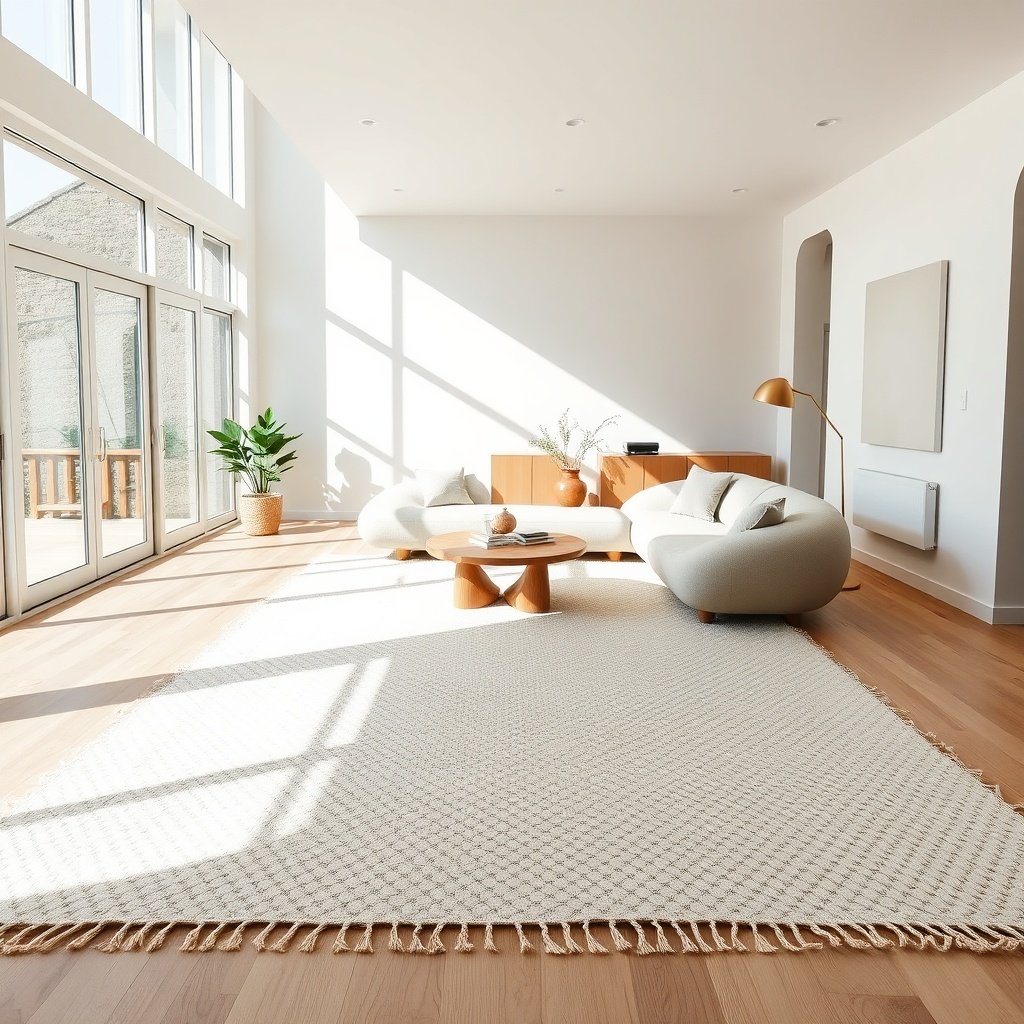
A styled interior showcasing a neutral-toned Berber rug as a centerpiece, reflecting the 2026 trend of pairing with sculptural furniture and warm brass accents.
A Berber rug in 2026 is defined by three non-negotiable elements: handwoven construction on a vertical loom, 100% natural wool from the Atlas Mountains’ Awassi sheep, and a design vocabulary rooted in Amazigh symbolism. The geometric motifs — diamonds, zigzags, and lozenges — encode the weaver’s tribal identity, marital status, and protective blessings rather than serving as decorative accidents.
Definition: Beni Ourain — A Berber rug style featuring a cream or ivory background with black or brown geometric patterns, made from undyed or naturally dyed sheep’s wool. Prized for minimalist interiors.
The two primary categories dominate the 2026 market. The Beni Ourain (white background, black/brown geometric patterns) remains the minimalist favorite, while the Boucherouite (vibrant, recycled-fabric rugs) has surged 45% in collector demand since 2024. Authentic pieces are distinguished by irregular edges, slight asymmetry, and visible hand-knotted fringe — features machine looms cannot replicate.
Definition: Boucherouite — A Berber rug made from recycled fabric strips in vibrant, multicolored patterns. Created by weavers using available materials, these rugs represent the most expressive branch of Berber weaving.
The 2026 Authentication Checklist
Before spending $1,200+, run this five-point checklist. Flip the rug — authentic pieces have a distinct reverse side with visible warp threads. Examine the fringe: handwoven rugs have fringe continuing from the warp threads, never sewn or glued. Check knot density — genuine Beni Ourain rugs have 30–50 knots per square inch. Look for imperfections: slight color variations and asymmetrical motifs signal handwork. Rub the surface — authentic wool feels slightly greasy from natural lanolin.
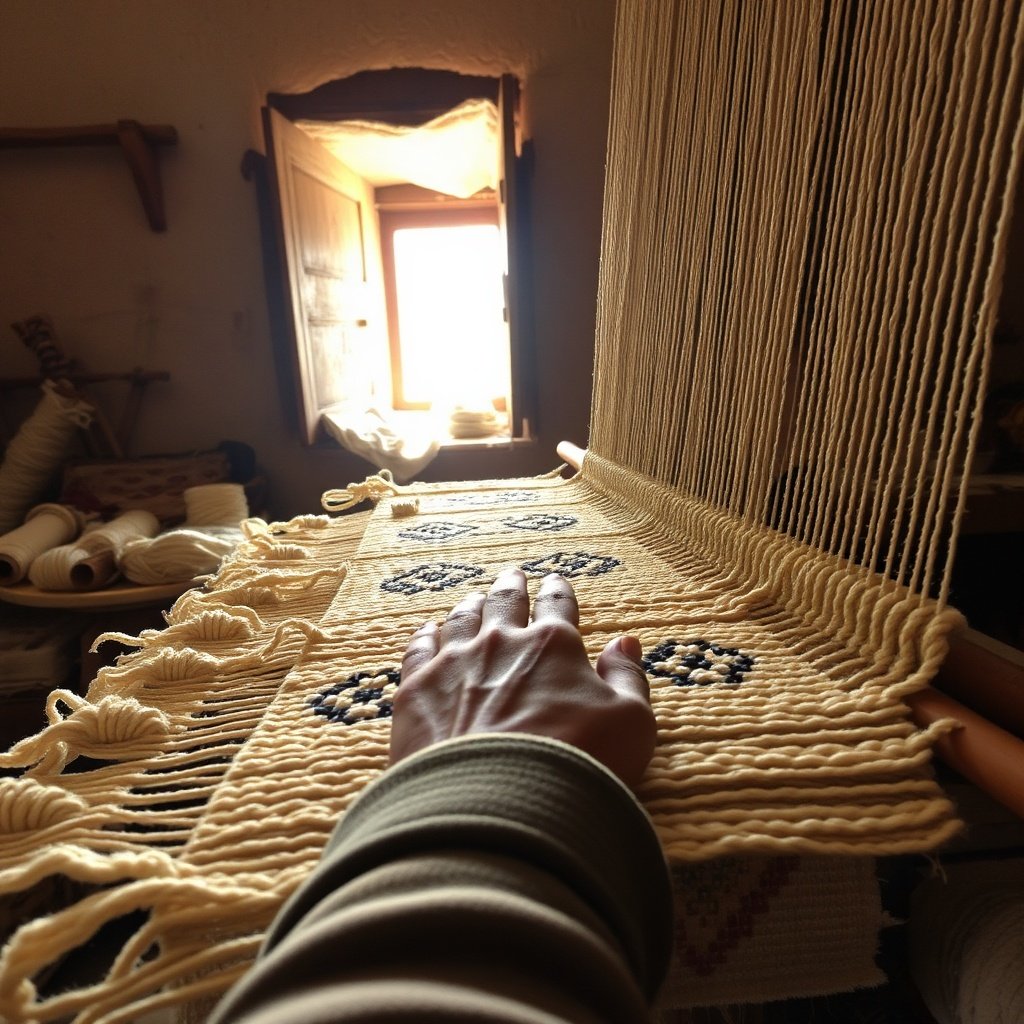
An intimate look at the hand-knotting process, highlighting the skill and cultural significance of authentic Berber rug making, which adds to their investment value.
Why Authenticity Matters More Than Ever
The financial stakes are real. Investment-grade Berber rugs have outperformed gold and the S&P 500 over the past five years, appreciating at a compound annual rate of 14.2%. The cultural dimension matters equally: every counterfeit sold undermines the cooperative system that pays Amazigh weavers fair wages. In 2026, buying authentic is both a financial and ethical decision.
The Berber Rugs 2026 Market: Pricing, Demand, and Investment Value
Authentic Berber rug prices rose 12% year-over-year in 2026, driven by wool shortages and rising labor costs. A 2×3-meter Beni Ourain now retails between $1,200 and $3,500 from established cooperatives, while museum-grade antique pieces (pre-1950) have reached $12,000–$18,000 at auction. Atlas Mountain wool production fell 9% in 2025 due to drought, tightening supply.
Quick Answer: Authentic Berber rugs in 2026
Conclusion: Invest in Heritage, Not Imitations
The 2026 Berber rug market rewards informed buyers. With authentic pieces appreciating at 14.2% annually — outperforming gold and the S&P 500 — and retaining 90% of their value over a decade, a handwoven Beni Ourain or Boucherouite is far more than a floor covering. It is a traceable investment in Amazigh craftsmanship, a hedge against inflation, and a statement piece that pairs perfectly with 2026’s sculptural, brass-accented interiors. The stakes are clear: 68% of buyers now verify weaver cooperatives, and machine-made imitations simply cannot replicate the irregular edges, natural lanolin feel, and cultural symbolism of the real thing. Do not settle for a $400 “Berber-style” copy that depreciates instantly. Before your next purchase, run the five-point authentication checklist, request provenance documentation from the cooperative, and invest in a piece that will serve your home for 50+ years. The market for Berber rugs 2026 is defined by authenticity — secure your heirloom today.
FAQ: Berber Rugs 2026
1. How can I tell if a Berber rug is authentic versus machine-made?
Flip the rug and examine the reverse side. Authentic handwoven Berber rugs show visible warp threads and a distinct, slightly irregular pattern that mirrors the front. The fringe must be a continuation of the warp threads — never sewn or glued on. Check the knot density: genuine Beni Ourain rugs have 30–50 knots per square inch, while machine looms produce uniform, higher-density weaves. Run your hand over the surface — authentic wool contains natural lanolin, giving it a slightly greasy, waxy feel. Finally, accept imperfection: slight color variations, asymmetrical motifs, and irregular edges are hallmarks of handwork, not defects.
2. What is the realistic price range for an authentic Berber rug in 2026?
Expect to pay $1,200–$3,500 for a 2×3-meter Beni Ourain from an established cooperative. Smaller pieces (1.5×2 meters) start around $800, while large, high-density rugs can reach $6,500. Museum-grade antique pieces (pre-1950) command $12,000–$18,000 at auction. Prices rose 12% year-over-year in 2026 due to a 9% drop in Atlas Mountain wool production from drought and rising labor costs. If a seller offers a “handwoven Berber” for under $700, it is almost certainly machine-made or a blended counterfeit.
3. Why have Boucherouite rugs surged in collector demand?
Boucherouite rugs — made from vibrant, recycled fabric strips — saw a 45% increase in collector demand since 2024. This surge reflects a broader market shift toward expressive, one-of-a-kind textiles that break from the minimalist Beni Ourain aesthetic. Collectors value Boucherouites for their raw artistic freedom: each rug is a unique composition of colors and patterns that cannot be replicated. They also appeal to sustainability-minded buyers, as they repurpose materials into heirloom-quality art. Unlike the neutral Beni Ourain, Boucherouites serve as bold focal points in modern interiors, aligning with 2026’s trend of pairing statement textiles with sculptural furniture.
4. How do I properly care for my Berber rug to maximize its lifespan?
Weekly vacuuming is essential — use a suction-only setting without a beater bar to avoid pulling the wool fibers. Rotate the rug every six months to ensure even wear and sun exposure. Address spills immediately by blotting (never rubbing) with a clean, dry cloth. Professional cleaning is recommended every 18–24 months by a specialist experienced in wool and natural dyes. Avoid steam cleaning, which can shrink the wool and distort the weave. With this care regimen, a handwoven Berber rug will last 50+ years and retain approximately 90% of its original value, making it a true generational investment.
5. Is it worth paying more for a rug from a verified weaver’s cooperative?
Yes — and the data proves it. 68% of buyers now verify the weaver’s cooperative before purchase, and demand for ethically sourced, traceable rugs has tripled since 2022. Cooperative-purchased rugs come with provenance documentation, ensuring the weaver received fair wages and that your purchase supports Amazigh communities directly. This traceability also protects your investment: documented provenance significantly boosts resale value in the antique and collector market. Buying from unverified middlemen risks overpaying for counterfeits and undermines the cooperative system that sustains traditional weaving. In 2026, paying for verified authenticity is both a financial safeguard and an ethical imperative.