
Argan oil for face has earned its “liquid gold” nickname, yet the advice surrounding it is often contradictory. Some praise it as a universal cure, while others blame it for sudden breakouts and clogged pores.
The truth is that most people misuse this oil. They apply far too much, choose low-quality products, or use it at the wrong stage of their routine, which leads to disappointing results and wasted money.
This guide provides a definitive, practical roadmap for using argan oil on your face. You will learn exactly what this oil can and cannot do, how to select a quality product, and how to apply it based on your specific skin type and routine.
Key Takeaways
- Argan oil is non-comedogenic for most skin types, but the quality of the oil and your application method determine whether it helps or harms your skin.
- It is rich in vitamin E and fatty acids, making it primarily an occlusive moisturizer and antioxidant, not a treatment for acne or scars.
- The “right” way to use it depends on your skin type (oily vs. dry) and the time of day.
- Always patch test and choose cold-pressed, unrefined, organic argan oil for facial use.
- It can be layered with other actives, but avoid mixing it with strong exfoliants in the same step.
The Complete Answer: What Argan Oil Does for Your Face (and What It Doesn’t)
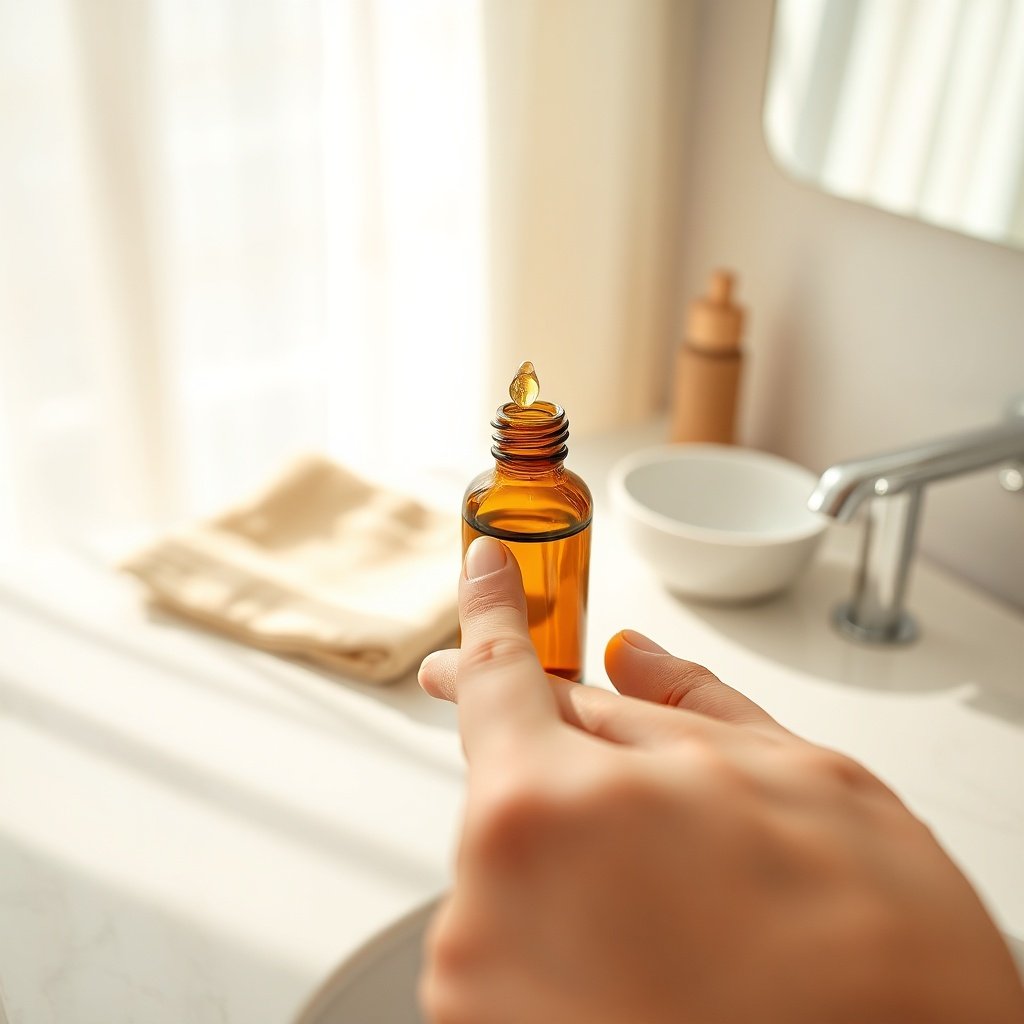
Visual guide showing the right amount of pure argan oil for face to prevent clogged pores and ensure effective absorption.
The Definitive Verdict
Argan oil is a safe, nutrient-dense facial moisturizer and barrier-repair agent. It is not a cure for acne, hyperpigmentation, or aging, but it supports the skin’s ability to heal and retain moisture.
When used correctly, argan oil benefits for face include softening dry patches, soothing irritation, and providing a protective seal against moisture loss. It is a supportive product that works best when integrated into a broader skincare routine, not as a standalone miracle treatment.
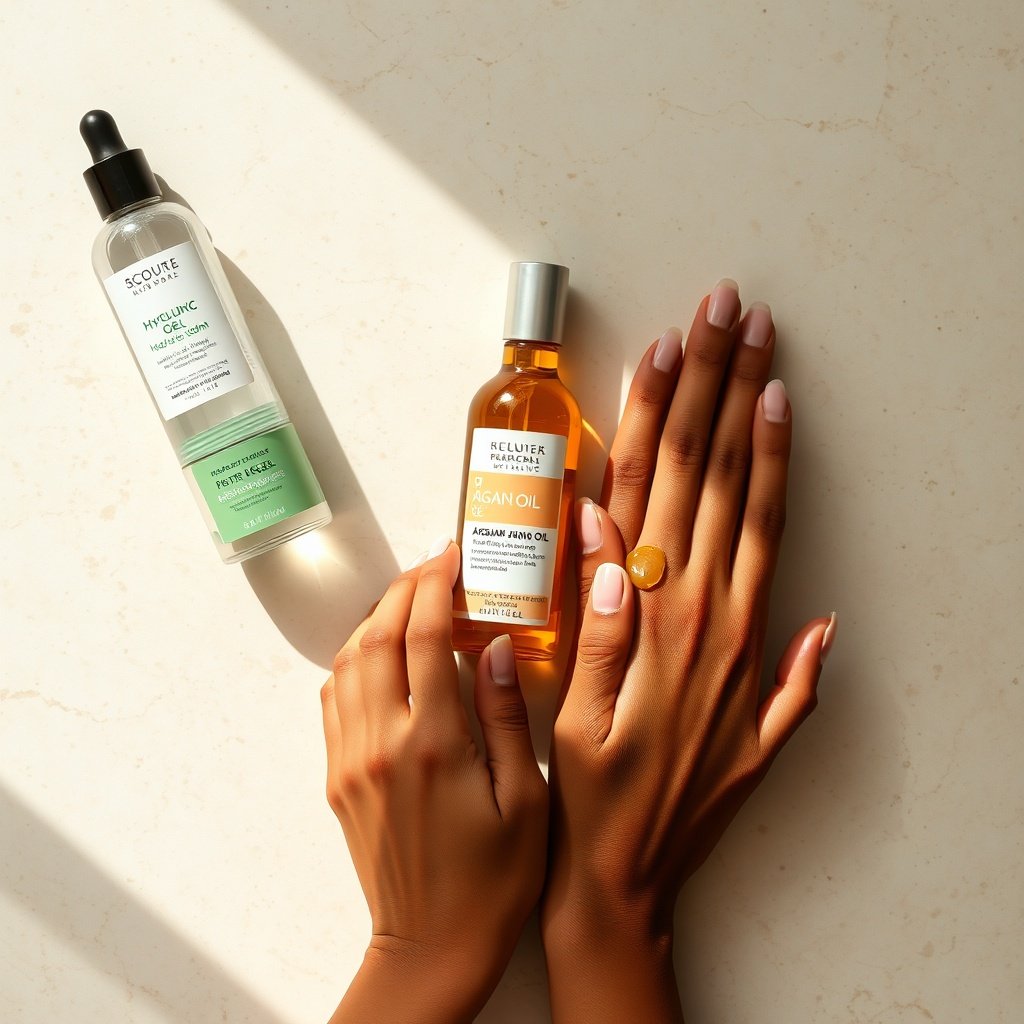
Conceptual layout demonstrating how argan oil integrates safely into daily routines for both dry and oily skin without causing breakouts.
The Core Chemical Profile (Why It Works)
Argan oil’s effectiveness stems from its unique fatty acid composition. It contains a high concentration of oleic acid, which helps soften and moisturize the skin, and a significant amount of linoleic acid, which supports the skin’s barrier function.
The oil is also a rich natural source of vitamin E (tocopherol), a primary antioxidant that helps neutralize free radicals caused by UV exposure and pollution. Additionally, argan oil contains polyphenols and squalene, both of which contribute to its anti-inflammatory properties.
This combination of argan oil fatty acids and vitamin E makes it an excellent emollient. It works by filling in the gaps between skin cells and creating a smooth surface, while the antioxidants provide a protective layer against environmental stress.
The Realistic Expectations (What It Cannot Do)
Argan oil will not unclog pores, fade deep scars, or stop collagen breakdown. It is not an active ingredient that alters skin structure or accelerates cell turnover.
For those with acne-prone skin, the argan oil comedogenic rating is generally low, but this does not mean it is risk-free. If you apply it to already oily, congested skin without proper cleansing, the oil can trap sebum and dead skin cells, potentially worsening breakouts. It is a moisturizer, not a treatment; managing acne requires ingredients like salicylic acid or benzoyl peroxide.
Choosing the Right Argan Oil for Your Face (The Quality Filter)### The Label Decoder: What to Look For
The label is your first line of defense against ineffective or harmful products. For pure argan oil for face, look for the following:
- 100% purity: The ingredient list should contain only one item: Argania Spinosa Kernel Oil.
- Cold-pressed: This method preserves the delicate nutrients without using heat or chemicals.
- Unrefined: Refining strips away many of the antioxidants and fatty acids that make the oil beneficial.
- Organic: This ensures the oil is free from pesticide residues.
Avoid any product labeled as “deodorized” or “refined,” as these versions have been processed to remove the scent, which also removes many of the beneficial compounds.
The Sensory Test: How to Spot Fake or Rancid Oil
A quality product has distinct physical characteristics. The color should be a clear, golden-yellow. A pale or cloudy appearance can indicate a diluted or poorly processed product.
The smell is another key indicator. Authentic argan oil has a nutty, earthy aroma. If it smells rancid, chemical, or like old cooking oil, it has likely oxidized and will not benefit your skin.
The texture should be light and easily absorbed. After applying a few drops, your skin should feel soft within 5 to 10 minutes, not sticky or coated.
Comparison Table: Cold-Pressed vs. Refined Argan Oil
| Aspect | Cold-Pressed | Refined |
|---|---|---|
| **Extraction method** | Mechanical pressing without heat | Heat or chemical processing |
| **Nutrient retention** | High (preserves vitamins and fatty acids) | Low (strips many beneficial compounds) |
| **Color/Texture** | Golden-yellow, light and fast-absorbing | Pale, often thinner or watery |
| **Best for face** | Yes, ideal for skincare | No, better suited for hair or body products |
How to Apply Argan Oil for Maximum Results (The Step-by-Step Protocol)### Step-by-Step: The Perfect Application Routine
To get the most out of your oil, follow this simple protocol:
- Cleanse your face and dry it completely with a soft towel.
- Use 2-3 drops of argan oil (no more) on your fingertips.
- Warm the oil between your palms for a few seconds to thin it out.
- Press the oil into your skin, focusing on dry patches and areas prone to flaking. Do not rub.
- Wait 5 minutes before applying sunscreen or makeup on top.
- Use at night for oily skin, or as a final step in your morning routine for dry skin.
Timing and Layering: When to Use It in Your Routine
The best time to apply argan oil on face depends on your skin type and the rest of your regimen. For dry skin, it works effectively as a moisturizer in the morning, applied as the last step after serums and before sunscreen.
For those with oily or combination skin, it is often better to use it at night. This allows the oil to work while you sleep without making your face look greasy during the day.
Argan oil also serves as an excellent makeup remover or a first-step cleanser in a double-cleansing method. Massage a small amount onto your face to break down makeup and sunscreen, then follow with your regular water-based cleanser.
The Dosage Rule: Why Less Is More
Argan oil is an occlusive layer. This means it sits on top of the skin to seal in moisture. If you apply too much, it can block pores and create an unwanted film.
The “pea-sized” rule for the whole face is a good starting point. You should adjust this amount based on your skin type and the humidity in your environment. In dry climates or during winter, you may need a slightly larger amount. In humid weather, reduce the dosage to avoid a greasy feeling.
For oily skin, start with just 1-2 drops, focusing only on areas that feel tight or dry.
Argan Oil vs. Other Facial Oils (The Comparison Angle)### Comparison Table: Argan Oil vs. Jojoba Oil vs. Rosehip Oil
| Criteria | Argan | Jojoba | Rosehip |
|---|---|---|---|
| **Comedogenic rating** | Low (0-1) | Low (0-2) | Low (0-1) |
| **Primary benefit** | Barrier repair and moisturizing | Balancing sebum production | Regeneration and brightening |
| **Best skin type** | Dry, mature, sensitive | Oily, combination | All types, especially dull or scarred |
When Argan Oil Wins (and When It Loses)
Argan oil wins for dry, mature, or sensitive skin needing barrier repair. Its high oleic acid content makes it incredibly nourishing and soothing for skin that lacks natural oils.
It loses for oily, acne-prone skin that requires linoleic acid-heavy oils like rosehip or grapeseed. These oils are lighter and have a higher ratio of linoleic acid, which can help reduce inflammation and support the skin’s natural barrier without feeling heavy.
Common Mistakes and How to Avoid Them (The Troubleshooting Guide)### Mistake #1: Using Too Much Oil
Using too much oil leads to breakouts, blackheads, and an oily film on the skin. The fix is simple: reduce your usage to 1-2 drops, or apply the oil only to areas that are dry and flaky.
Mistake #2: Applying on Damp Skin
Applying oil to damp skin traps water and creates a greasy feel. It also prevents even absorption. Always apply argan oil on fully dry skin to ensure it sinks in properly.
Mistake #3: Mixing with Strong Actives
Mixing argan oil with strong actives like vitamin C or retinol can cause irritation or reduce the efficacy of the acids. The oil can dilute the active ingredients or prevent them from penetrating. Use argan oil as a separate step in your routine, not mixed in the same palm with your treatment products.
Mistake #4: Ignoring the Quality of the Oil
Using a rancid or diluted oil can cause redness and clogged pores. To avoid this, buy from trusted sources, store the oil in a cool, dark place, and use it within 6 months of opening. A fresh product will have a nutty smell, while a rancid one will smell like old cooking oil. Always patch test and choose cold-pressed, unrefined, organic argan oil for facial use.
FAQ (For Featured Snippet Targeting)### Is argan oil good for acne-prone skin?
It depends. Argan oil is non-comedogenic for many people, but if you have severe acne, it may be too heavy. Patch test first and use it sparingly, focusing only on dry areas.
Can I use argan oil every day on my face?
Yes, daily use is safe for most skin types. However, you must adjust the amount based on your skin’s needs. In humid weather, use less; in dry conditions, you can use a bit more.
Should I apply argan oil before or after moisturizer?
Apply it after your moisturizer, as the final step to seal in hydration. Never apply it before, as it can block water-soluble ingredients from penetrating your skin.
How long does it take to see results from argan oil?
Immediate hydration and softness are noticeable in 1-2 days. For barrier repair and reduced redness, expect 2-4 weeks of consistent use.
Can argan oil cause blackheads?
Yes, if used in excess or on already congested skin. Use the minimum amount possible and always cleanse thoroughly to prevent buildup.
Conclusion
The key to using argan oil for face lies in quality, quantity, and skin-type compatibility. Choose a cold-pressed, unrefined product, use only 1-2 drops, and adjust your routine based on how your skin responds.
Start with a patch test on your jawline for 24 hours. If no irritation occurs, try the step-by-step protocol for one week. Observe how your skin feels and looks. Argan oil is a versatile tool, not a miracle cure, but with the right approach, it can be a valuable addition to your skincare routine.