Henna Hair Treatment 2026: Top Trends & Tips
Henna hair treatment 2026 is no longer just a niche natural dye option—it’s a full-blown movement toward clean, sustainable, and functional hair color. As more people move away from ammonia-based dyes and embrace plant-based alternatives, henna has taken center stage as a permanent color solution that also conditions and strengthens hair. This guide covers everything you need to know about henna in 2026, from custom color blending to step-by-step application techniques and the common pitfalls to avoid.
Whether you’re a first-timer exploring chemical-free gray coverage or a seasoned henna user looking to refine your routine, this article provides a definitive, practical roadmap for achieving beautiful, healthy results.
Key Takeaways
- Henna is a permanent, plant-based hair dye that binds to the hair’s keratin, offering lasting color and improved hair strength.
- The 2026 trend is toward “henna blends” (e.g., henna + indigo, henna + amla) to achieve a wider range of shades from deep reds to dark browns.
- Correct application technique and strand testing are critical to avoid orange or brassy results, especially on previously chemically treated hair.
- Henna treatment is not just about color—it provides a deep conditioning effect, reducing frizz and adding shine.
- The 2026 approach emphasizes personalized color recipes and post-treatment care routines to maintain vibrancy and hair health.
The Complete Answer: What Is Henna Hair Treatment and How Does It Work in 2026?
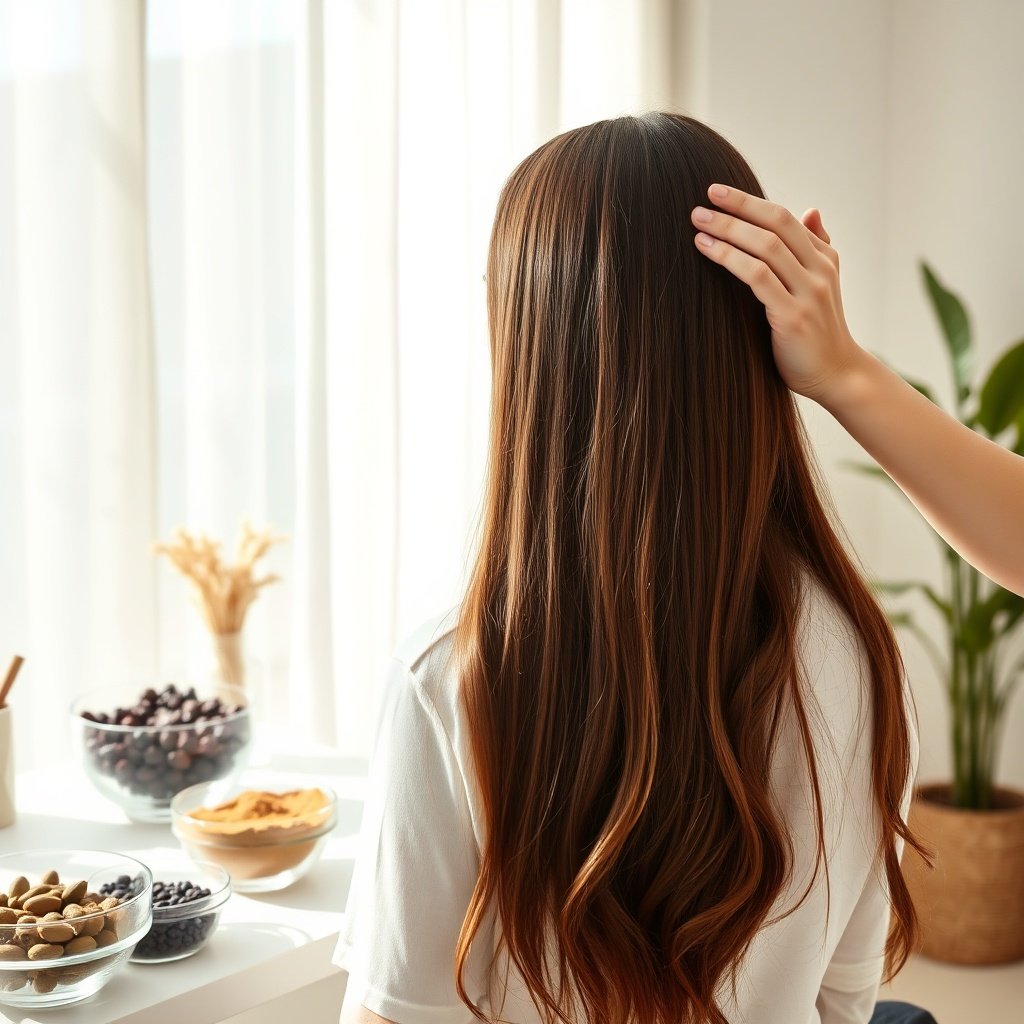
A close-up lifestyle shot of a stylist applying a plant-based henna mixture in a sunlit studio, emphasizing ingredient transparency and strand-level conditioning.
The Science of Henna: Lawsone and Keratin Binding
Henna (Lawsonia inermis) contains lawsone, a natural dye molecule that binds directly to the keratin protein in the hair cortex. This is what makes henna a permanent hair color—unlike synthetic dyes that simply coat the hair shaft, henna actually penetrates the cuticle and forms a strong bond with the hair’s protein structure.
Because the lawsone-keratin bond is permanent, the color does not wash out. It gradually fades in vibrancy over several weeks, but the pigment remains in the hair until it grows out or is cut off. This permanency is both henna’s greatest strength and its most significant limitation—you cannot simply shampoo it away if you dislike the result.
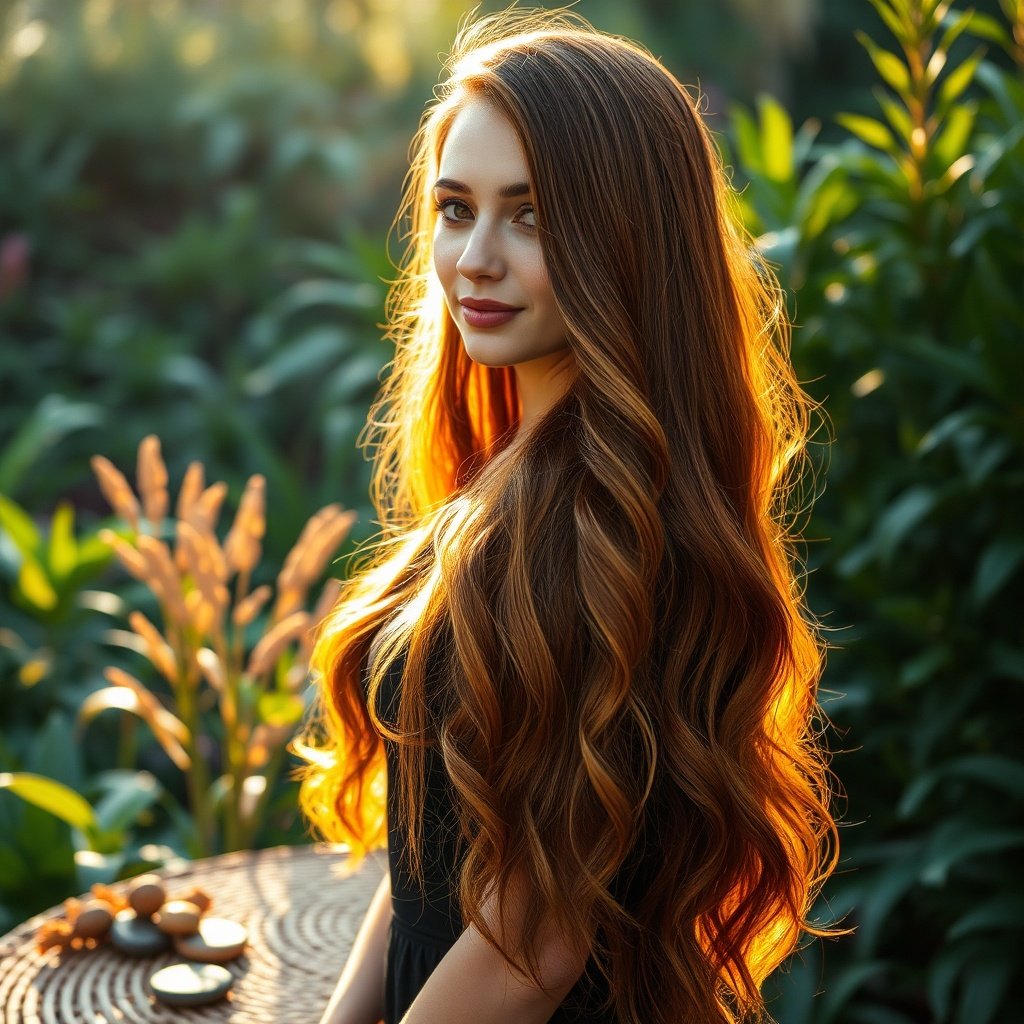
A sun-drenched portrait of a woman displaying the healthy, chemical-free finish of a plant-derived hair dye, highlighting conditioning and long-term color retention.
The 2026 Henna Renaissance: Why It’s More Than Just a Red Dye
The modern henna movement has evolved far beyond the traditional reddish-orange hair that many people associate with henna. In 2026, consumers are demanding “functional” natural color that not only changes hair color but also repairs and strengthens it. This has given rise to the concept of “henna systems”—complete botanical formulations that combine henna with other plant powders to achieve a wider spectrum of shades.
The most common blend is henna with indigo, which produces shades from warm brown to deep black. Cassia, another botanical dye, adds golden or neutral tones. Amla, a popular Ayurvedic herb, is often added for its conditioning properties and to help darken hair naturally. These combinations allow for a level of color customization that was previously only possible with synthetic dyes, much like the curated selections available at beniouaraincarpets.com.
What Henna Can and Cannot Do (Realistic Expectations)
What henna can do:
- Cover gray hair effectively, though the result will have a natural reddish or auburn tint on the grays.
- Add volume and thickness to fine hair by coating the shaft.
- Reduce dandruff and soothe an itchy scalp due to its antifungal and cooling properties.
- Condition deeply, improving hair elasticity and reducing frizz.
What henna cannot do:
- Lighten hair. Henna only adds color; it cannot lift dark hair to a lighter shade.
- Achieve blonde, platinum, or cool-toned shades like ash brown. Henna always leaves a warm undertone.
- Be easily removed. Once applied, henna requires grow-out or chemical stripping (which is damaging and not recommended).
If you have high expectations about lightening or cool-toned results, henna is not the right choice for you.
Section 1: The 2026 Henna Color Spectrum – Moving Beyond Traditional Red### Decoding the Shade Range: From Copper to Espresso
The final color you achieve with henna depends on two factors: your natural base hair color and the specific henna blend you use. Henna interacts with your existing melanin, so the same henna will produce different results on different hair colors.
Here is a general guide to how henna blends interact with common base hair colors:
| Base Hair Color | Henna Only (Red) | Henna + Indigo (Brown/Black) | Henna + Cassia (Golden) |
|---|---|---|---|
| Light Blonde | Bright copper or fiery red | Medium brown | Golden blonde |
| Medium Brown | Rich auburn | Dark chocolate brown | Warm caramel |
| Dark Brown | Deep burgundy | Near-black | Dark golden brown |
| Black | Subtle reddish tint (may be barely visible) | Deep black | Dark brown with warm undertones |
| Gray/White | Bright orange-red | Dark brown (requires higher indigo ratio) | Golden blonde |
These are approximate outcomes. Your individual hair porosity, texture, and the specific sourcing platform you use will all influence the final result. Always strand test before committing to a full application, whether you’re browsing local markets or checking dedicated retailers like kenzadi.ma.
The “Henna Blend” Trend: Crafting Your Custom Formula
The 2026 approach to henna is all about customization. Instead of buying a pre-mixed “brown” henna, many users now create their own blends to achieve a precise target shade.
Here is a step-by-step guide to crafting a custom henna blend:
- Determine your target shade. Decide whether you want a red, brown, or black result. This will dictate your henna-to-indigo ratio.
- Start with a base of pure henna. Use 100% pure, body-art-quality henna (also known as BAQ henna) for the most reliable dye release.
- Add indigo for brown or black tones. A 50/50 henna-indigo mix produces a medium brown. A 25/75 mix (more indigo) produces darker browns and near-black shades.
- Add cassia for golden or neutral tones. Cassia can be used alone for a subtle golden tint or mixed with henna to soften red tones.
- Mix and strand test. Apply the blend to a small, hidden section of hair first. Wait 24-48 hours to see the fully oxidized result before proceeding.
Why 2026 Favors “Low-Maintenance” Henna Color
One of the most appealing aspects of henna is its fade pattern. Unlike synthetic dyes that create a sharp line of demarcation between colored and new growth, henna fades gradually and evenly. The color softens over time without leaving an obvious band.
This makes henna particularly well-suited for “root-blending”—the practice of applying henna only to new growth and blending it into the previously colored hair. Because henna is permanent, you don’t need to re-dye the entire head each time. You simply touch up the roots every 4-6 weeks, and the color blends naturally.
Section 2: The 2026 Henna Application Method – A Step-by-Step Protocol for Flawless Results### Preparation: The Crucial Pre-Treatment Phase
Before applying henna, you must prepare your hair properly. This is especially critical if you have previously used chemical hair dye.
Test for metallic salts: Some older or lower-quality hair dyes contain metallic salts. If henna comes into contact with metallic salts, it can cause a chemical reaction that damages hair severely. If you’re unsure about your hair’s history, perform a simple test: mix a small amount of henna with water and apply it to a strand of hair. If the hair turns green, smokes, or smells unusual, do not proceed with a full application.
Clarify and condition: Use a clarifying shampoo to remove any product buildup, oils, or residue that could interfere with dye uptake. Follow with a light conditioner, but avoid heavy conditioners or leave-in treatments that could coat the hair and block the henna from penetrating.
The 2026 Application Technique: From Paste to Process
The application process is where many DIY henna users go wrong. Follow these steps for the best results:
- Mix the henna paste. Combine henna powder with warm water (or a slightly acidic liquid like apple cider vinegar) to create a paste with the consistency of thick yogurt. Let it sit for 2-4 hours (or overnight) to allow the dye to release.
- Section your hair. Divide your hair into 4-6 sections using clips. This ensures even coverage.
- Apply to clean, dry hair. Working section by section, apply the paste generously with a tint brush or your fingers, starting from the roots and working to the ends.
- Wrap and cover. Once all hair is coated, cover it with a plastic cap or wrap to keep the paste moist and warm. This helps the dye penetrate more effectively.
- Process for 2-4 hours. The longer you leave henna on, the darker and more intense the color will be. For gray coverage, a longer processing time is often needed.
- Rinse thoroughly. Rinse with warm water until the water runs clear. Do not use shampoo immediately—the henna needs time to fully oxidize and darken.
Post-Application Care: Locking in Color and Shine
The first 24-48 hours after henna application are critical. During this time, the dye continues to oxidize and darken. Avoid washing your hair with shampoo during this period.
When you do wash, use a sulfate-free shampoo to preserve the color, adopting acidic rinse practices commonly documented by wellness sites like recettesdumaroc.com. These acidic solutions help seal the hair cuticle, which locks in color and boosts shine.
Section 3: Henna vs. Chemical Hair Dye – The 2026 Comparison### A Side-by-Side Comparison Table
| Factor | Henna (Natural) | Chemical Permanent Dye |
|---|---|---|
| Permanency | Permanent—bonds with hair keratin | Permanent—penetrates the cortex |
| Coverage | Excellent for grays with warm tones | Excellent for all grays, any tone |
| Hair Health | Conditions, strengthens, adds shine | Can damage, dry, and weaken hair |
| Color Options | Reds, browns, blacks (warm tones only) | Unlimited—including blondes, cool tones |
| Application Time | 2-4 hours | 30-60 minutes |
| Safety | Generally safe, natural ingredients | Contains ammonia, PPD, resorcinol |
| Removal | Cannot be removed easily | Can be stripped with chemicals |
Why 2026 Consumers Are Switching to Henna (and the Trade-Offs)
The clean beauty movement has driven a massive shift away from synthetic hair dyes. Ingredients like ammonia, PPD (paraphenylenediamine), and resorcinol—commonly found in chemical dyes—are increasingly avoided by consumers who are concerned about scalp irritation, allergies, and long-term health effects.
Henna offers a PPD-free, ammonia-free alternative that is gentle on sensitive scalps. It aligns with the growing preference for sustainable beauty trends in hair care, as henna is biodegradable, cruelty-free, and often produced by small-scale farmers.
However, there are trade-offs. Henna requires a significantly longer application time (2-4 hours vs. 30-60 minutes for chemical dye). The color range is also more limited—you cannot achieve blonde or cool-toned shades. And because henna is permanent, mistakes are much harder to correct.
Who Should Avoid Henna in 2026?
Henna is not for everyone. Consider these factors before using it:
- High-porosity hair: Hair that is highly porous (often from bleach or heat damage) may absorb henna too quickly, resulting in dark, uneven patches.
- Those who need to lighten hair: Henna cannot lighten hair. If you want to go from dark brown to blonde, henna is not the solution.
- Allergies: While rare, some people have contact dermatitis from henna. Always do a patch test on your skin before a full application.
Section 4: Troubleshooting Common Henna Issues in 2026### The Orange Problem: Why It Happens and How to Fix It
Bright orange hair is the most common henna complaint. This happens when henna is applied to gray hair or hair that has been previously bleached or chemically lightened. Without enough natural melanin to “mute” the red, the lawsone molecule produces a vivid orange result.
The 2026 solution is to pre-pigment the hair before applying henna. This involves applying a lighter botanical dye—like cassia—to the hair first to create a neutral base. Alternatively, you can use a lower-lawsone henna, which produces a softer, less intense red.
Uneven Color and Patchiness: Causes and Corrections
Patches of uneven color usually stem from application errors:
- Applying henna to wet hair (which dilutes the paste and prevents even uptake).
- Not sectioning the hair properly.
- Using insufficient paste, so some strands are under-saturated.
To correct patchy henna, you have two options:
- Apply a second application of henna (or a henna-indigo blend) to the lighter patches. This will darken them to match the rest of your hair.
- Use a color-removal agent specifically designed for henna. These are typically oil-based treatments that help loosen the henna from the hair shaft, though they are not 100% effective.
Henna and Hair Health: Debunking the “Drying” Myth
Many people believe henna dries out hair. In reality, pure henna is deeply conditioning and actually strengthens the hair shaft. The drying effect comes from improper aftercare—using harsh, sulfate-heavy shampoos immediately after application, or not moisturizing the hair adequately.
The 2026 approach to henna hair care emphasizes moisture. Deep conditioning masks with shea butter, coconut oil, or aloe vera are recommended in the days following a henna treatment to maintain softness and elasticity.
Section 5: The 2026 Henna Hair Treatment Routine – A Sustainable Approach### Frequency and Maintenance: How Often to Apply Henna
Henna is permanent, so you only need to touch up the roots as new hair grows. For most people, this means a full root application every 4-6 weeks.
Between full treatments, many henna users in 2026 are adopting the “henna gloss” method. This involves mixing a small amount of henna (or cassia) with a conditioner and applying it to the hair for 15-30 minutes. This refreshes color, adds shine, and conditions without the time commitment of a full treatment.
The 2026 “Henna-Plus” Ritual: Combining Henna with Other Botanicals
Henna is increasingly being used as a base for broader herbal hair treatments. The “henna-plus” ritual involves combining henna with other Ayurvedic botanicals to target specific hair concerns:
- Henna + Amla: Amla (Indian gooseberry) is rich in vitamin C and strengthens hair follicles. This combination is popular for promoting hair growth and reducing premature graying.
- Henna + Bhringraj: Bhringraj is traditionally used in Ayurveda to support hair growth and reduce hair fall.
- Henna + Neem: Neem has antibacterial and antifungal properties, making it useful for treating scalp infections and dandruff.
These herbal hair masks can be applied weekly or biweekly between henna treatments.
Sustainability and Ethics: Why Henna Fits the 2026 Eco-Conscious Lifestyle
Henna is one of the most sustainable hair color options available. It is biodegradable, requires no chemical processing, and is cruelty-free. The plant itself is drought-resistant and can be grown in arid regions, making it a viable crop for small-scale farmers in countries like India, Pakistan, and Morocco.
When sourcing henna, look for certified organic henna powder. This ensures the product is free from adulterants like metallic salts, synthetic dyes, or chemical additives that can damage hair or cause allergic reactions. Pure, body-art-quality henna is the gold standard for 2026—it has the highest lawsone content and produces the most reliable, vibrant results, a fact thoroughly verified by the best Henna – Wikipedia scientific database.
FAQ (Featured Snippet Targeting)
How long does henna hair treatment last? Henna is permanent and will not wash out. It fades slightly over time but remains until the hair grows out.
Can henna cover gray hair? Yes, but it requires a higher concentration of lawsone and a longer processing time. The result will be a natural, reddish tint on grays.
Will henna damage my hair? No, henna is actually conditioning and strengthens the hair shaft. However, improper application or using adulterated henna (with metallic salts) can cause damage.
How do I choose the right henna shade for my hair? The final shade depends on your natural hair color and the specific henna blend used. Always do a strand test first to see the result.
Can I use henna after chemical hair dye? It is not recommended to use henna immediately after chemical dye, especially if the dye contained metallic salts. Wait until the chemical dye has grown out or been cut off.
Conclusion
Henna hair treatment in 2026 is about more than just color—it’s a holistic approach to hair care that prioritizes health, sustainability, and personalization. By understanding how henna works, crafting custom blends, and mastering the application technique, you can achieve beautiful, long-lasting color that also conditions and strengthens your hair.
The key to success is patience and preparation. Always strand test before a full application, use pure, high-quality henna, and follow a proper post-treatment care routine to maintain moisture and shine.
If you’re ready to make the switch, start with a small strand test and experiment with different blends. Henna is a journey, not a quick fix—but the results are worth the effort.