Ghassoul clay, also known as Moroccan lava clay, has become a staple in natural skincare routines, praised for its cleansing and purifying properties. However, its rise in popularity has brought with it a wave of misinformation. This article separates proven facts from common ghassoul clay mask myths to help you use this mineral-rich clay correctly, focusing on the chemistry, cultural context, and marketing tactics behind each misconception.
The core truth is that ghassoul clay is a beneficial, natural cleanser, but it is not a miracle cure. Its power lies in a specific physical-chemical process called adsorption, which helps manage oil and surface impurities. Understanding what it can and cannot do is the key to getting the most from your mask without harming your skin.
Key Takeaways
- Ghassoul clay is not a “miracle” ingredient — it offers specific benefits like cleansing and oil absorption but cannot cure acne or remove scars on its own.
- The “100% pure” label can be misleading; natural clay often contains trace minerals and requires proper processing for cosmetic use.
- Overusing ghassoul masks can damage the skin barrier — frequency matters more than concentration.
- The “all skin types” claim is false — sensitive and dry skin need modified usage, including shorter application times and added humectants.
- Ghassoul’s cleansing power comes from ion exchange, not from “drawing out toxins” — a common myth that misrepresents how the clay works.
The Complete Answer: What Ghassoul Clay Masks Actually Do (and Don’t Do)
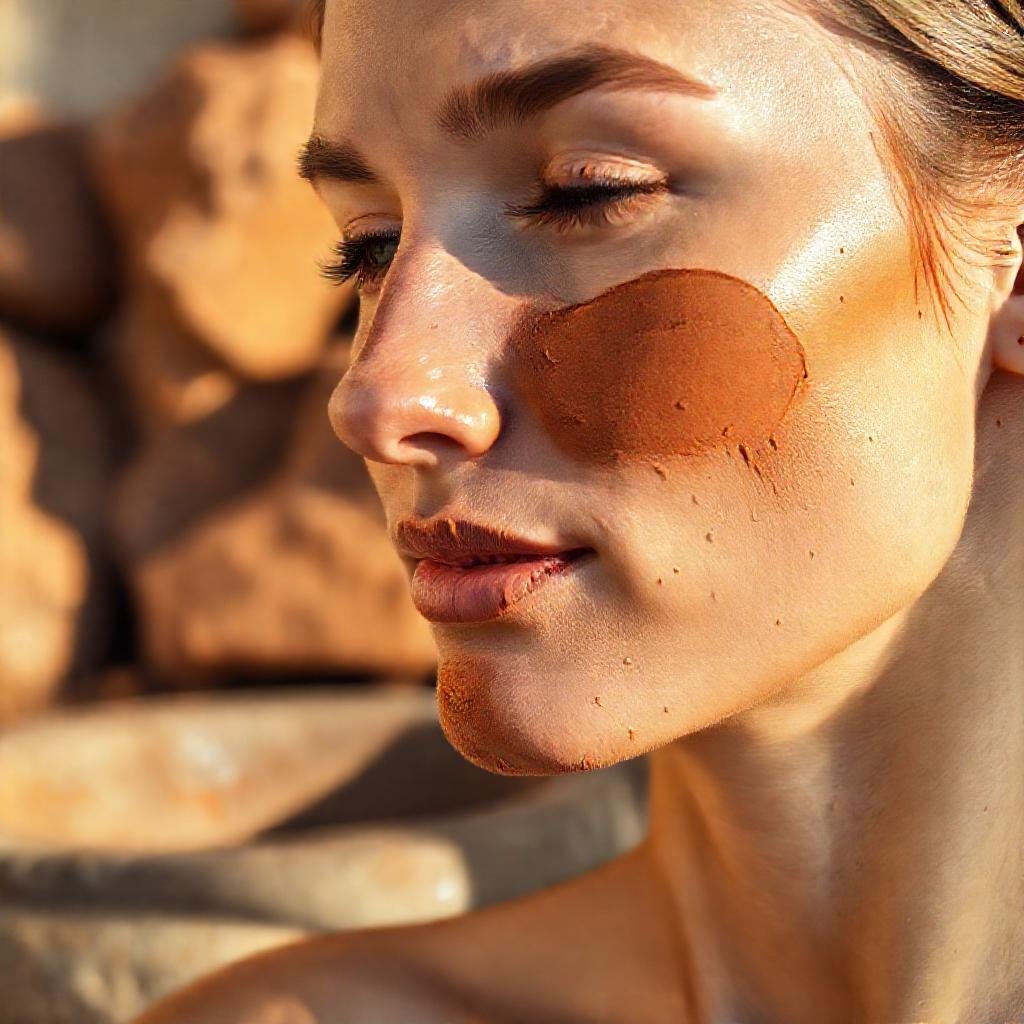
Visual representation of ghassoul clay’s true cleansing mechanism versus marketing exaggerations.
The Definitive Mechanism of Action
The primary way ghassoul clay works is through a process called ion exchange. Clay particles carry a negative electrical charge, which attracts positively charged impurities, excess sebum, and other surface debris. This is a physical and chemical adsorption process, where particles adhere to the clay’s surface.
This mechanism is highly effective for sebum regulation and removing surface grime. The unique mineral composition of ghassoul, rich in iron, magnesium, and potassium, contributes to its specific properties. It is not a “detox” process that pulls systemic toxins from your body; it is a targeted, surface-level cleansing action.
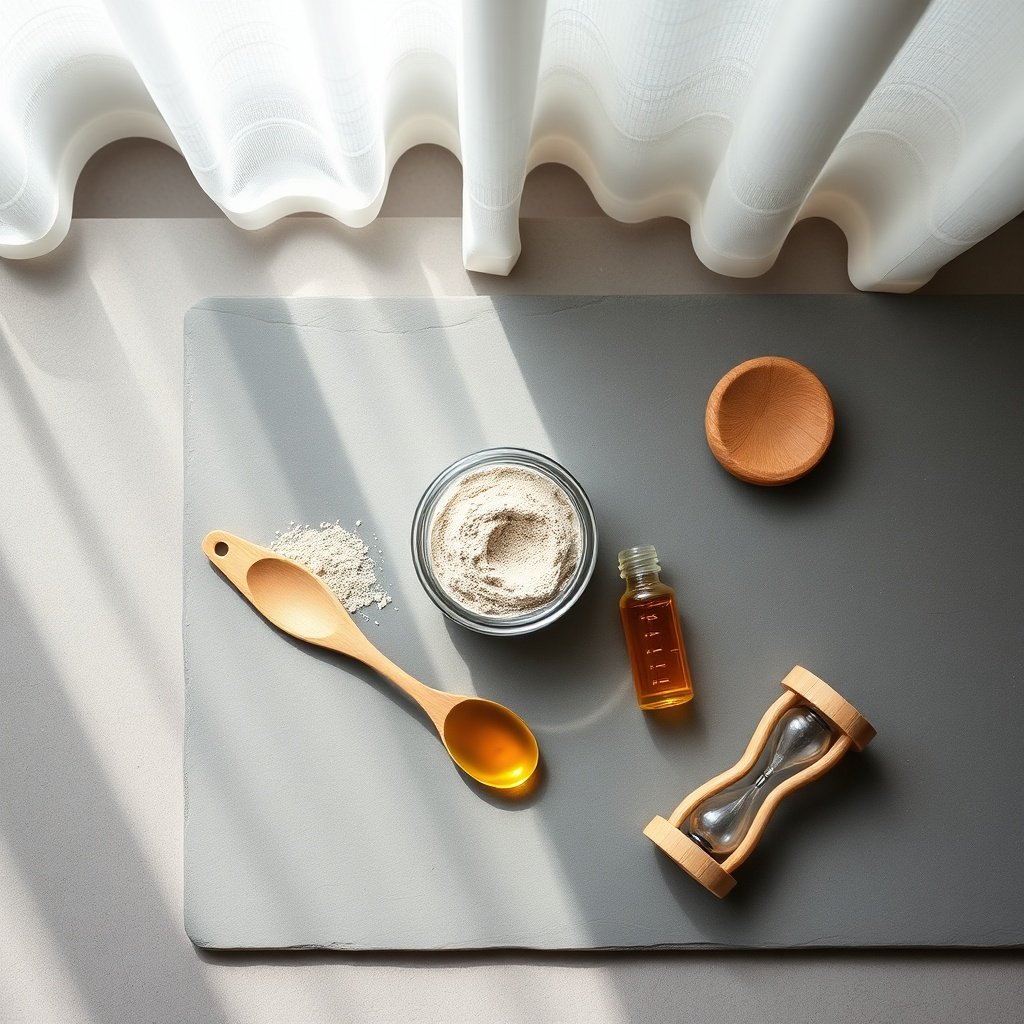
Visual guide to correct ghassoul clay preparation and usage frequency.
The One Myth That Refuses to Die: “Drawing Out Toxins”
The narrative that clay masks “draw out toxins” is a persistent marketing myth. The skin is a barrier organ, not a primary excretory organ for systemic toxins like the liver or kidneys. A ghassoul mask does not pull toxins from your bloodstream or internal organs.
What the mask actually removes is a specific set of surface impurities: excess oil, dead skin cells, particulate matter like pollution, and residue from skincare products. It can have a legitimate “pore-clearing” effect by loosening the material that clogs pores, but this is a cosmetic and hygienic function, not a medical detoxification. The clay’s adsorption capacity is real, but the “toxin” framing is a semantic leap that overstates its effect.
Myth #1: “Ghassoul Clay Is Just Another Bentonite” — The Composition Distinction### Mineral Profile Differences
While both ghassoul and bentonite are swelling clays, they are distinct minerals with different properties. Ghassoul is primarily composed of smectite and illite, while bentonite is dominated by montmorillonite. This difference in mineral composition leads to different behaviors on the skin.
The ion-exchange capacity of bentonite is very high, making it extremely absorbent but also very drying. Ghassoul has a moderate to high exchange capacity, offering effective oil absorption with a softer, less drying effect. The trace minerals in ghassoul, including iron, magnesium, and potassium, are often highlighted as a key difference. The texture when mixed is also distinct: ghassoul creates a creamy, smooth paste, whereas bentonite tends to be thicker and gel-like.
Why “Lava Clay” Is a Marketing Term, Not a Geological Classification
The term “Moroccan lava clay” is a popular marketing name, but it is not a geological classification. Ghassoul is mined from the Atlas Mountains in Morocco, but it is a sedimentary clay, not a product of volcanic activity. The “lava” label is a misnomer that suggests a volcanic origin, which is inaccurate.
The clay is formed from the weathering and deposition of minerals over millions of years, creating a fine, smooth sediment. Understanding that it is a sedimentary clay, not volcanic ash, helps clarify its properties and origins, separating the marketing narrative from the geological reality.
Myth #2: “The More Often You Mask, the Better” — Frequency and Skin Barrier### The Overuse Trap
Using a ghassoul mask too frequently can strip your skin of its natural oils and disrupt the acid mantle, the protective barrier on your skin’s surface. This disruption can lead to increased transepidermal water loss (TEWL), leaving your skin feeling tight, dry, and potentially irritated, a concern frequently addressed by dermatological resources such as kenzadi.ma. The goal of a clay mask is to manage oil, not to eliminate it entirely.
Maintaining a healthy skin barrier is more important than aggressive cleansing. When you overuse a clay mask, you remove the beneficial lipids that keep your skin hydrated and resilient. This can trigger a rebound effect where your skin produces even more oil to compensate, leading to a cycle of over-cleansing and over-producing.
Step-by-Step: How to Use a Ghassoul Mask Without Damaging Your Skin
- Assess your skin type: Oily skin can handle a mask 2 times per week; combination skin 1-2 times per week; dry or sensitive skin should stick to 1 time per week or every 10 days.
- Mix ghassoul powder with a liquid: Use water, rose water, or a hydrosol. Never apply undiluted clay powder to your face.
- Let the mixture sit for 2-3 minutes to activate the clay. This is optional but improves the consistency and allows the clay to hydrate fully.
- Apply a thin, even layer, avoiding the delicate eye and lip areas.
- Leave on for 5-10 minutes for dry or sensitive skin; 10-15 minutes for oily skin. Never let the mask dry to a cracked, hard state.
- Rinse with lukewarm water, then follow with a hydrating toner and moisturizer to replenish moisture.
- Wait at least 48 hours before your next mask.
This is a baseline guide, not a prescription. Adjust the times and frequency based on your individual skin reaction.
Myth #3: “It Works for All Skin Types Equally” — Formulation and pH### The pH Problem
Pure clay mixed with water can have a high, alkaline pH, which can be irritating for sensitive skin. The skin’s natural pH is slightly acidic, and applying an alkaline substance can disrupt the acid mantle, leading to dryness and irritation. The “one size fits all” approach ignores this fundamental chemical issue.
Adding acidic ingredients like apple cider vinegar or lemon juice is a popular DIY method to lower the pH, but these can be harsh and cause further irritation. A safer approach is to mix the clay with a mildly acidic hydrosol like rose water. Following up with a pH-balanced toner after rinsing can help restore your skin’s natural acidity.
The “One Size Fits All” Myth: Customizing Your Mask
The clay is a carrier; the added ingredients determine the final effect on your skin. For dry skin, mixing the clay with a hydrating liquid like honey or a hydrosol can counteract its drying effects. For oily skin, a simple water mix is often sufficient. The idea that a single ghassoul mask works identically for everyone is a myth that ignores the importance of formulation.
Myth #4: “Ghassoul Clay Can Cure Acne and Remove Scars” — The Realistic Scope### What It Can Do: Acne Management
By absorbing excess oil and reducing surface bacteria, ghassoul clay can help manage mild, non-inflammatory acne. It can help reduce the shine associated with oily skin and create an environment less conducive to bacterial growth. However, it does not penetrate pores to treat cystic acne or deeply embedded blackheads. Its comedolytic action is primarily surface-level.
What It Cannot Do: Scarring and Hyperpigmentation
The claim that clay can remove scars is false. Clay cannot stimulate collagen production or remodel scar tissue. It does not have the capacity to change the structure of your skin at that level. While it may help with post-inflammatory hyperpigmentation by promoting cell turnover, this effect is indirect and very slow. For significant scar reduction or hyperpigmentation, you should consult a dermatologist about professional treatments.
Myth #5: “All Ghassoul Clay Products Are the Same” — Quality and Purity### The “Pure” Label Trap
A “100% pure” label often means no added preservatives or fragrances, but it does not mean the clay itself is free of natural impurities. Raw clay can contain sand, silica, and iron oxides, which are naturally occurring, a detail clearly outlined in supplier specifications found on beniouaraincarpets.com. The quality of a clay product is heavily influenced by processing, particularly milling.
Particle size is a crucial indicator of quality. A finer powder is smoother, less abrasive, and creates a more consistent paste. A coarse powder can feel gritty and may cause micro-abrasions on the skin. The “pure” label is a marketing term; the milling process is what determines the final cosmetic quality.
How to Spot a Quality Ghassoul Clay
Look for a supplier that clearly states the source, such as the Atlas Mountains, and provides a mineral analysis. This transparency indicates a commitment to quality. Check for a fine, uniform texture; avoid products with clumps or a gritty feel. Be wary of “raw” or “unwashed” clays, which may contain higher levels of natural impurities. A cosmetic-grade clay is processed to a specific standard for safe use on skin.
Comparison Table: Ghassoul vs. Bentonite vs. Kaolin Clay
| Feature | Ghassoul (Moroccan Lava Clay) | Bentonite | Kaolin |
|---|---|---|---|
| Primary mineral type | Smectite/illite | Montmorillonite | Kaolinite |
| Ion-exchange capacity | Moderate to high | Very high | Low |
| Oil absorption | High | Very high | Low to moderate |
| Drying effect on skin | Moderate | High | Low |
| Best for skin type | Oily, combination, normal | Oily, acne-prone | Dry, sensitive |
| Typical use frequency | 1-2x/week | 1x/week max | 2-3x/week |
| Texture when mixed | Creamy, smooth | Thick, gel-like | Fine, powdery |
| Notable mineral content | Iron, magnesium, potassium | Sodium, calcium | Silica, aluminum |
Note: These are general characteristics based on typical clay properties. Specific products may vary.
FAQ: Common Questions About Ghassoul Clay Masks
Can I mix ghassoul clay with apple cider vinegar? While this is a popular DIY, the acidity can be harsh and may cause irritation. Rose water or plain water is safer.
How long should I leave a ghassoul mask on? 5-15 minutes depending on skin type; never let it fully harden and crack.
Is ghassoul clay safe for sensitive skin? Yes, but use it less frequently, keep the application time short, and always follow with moisturizer.
Can I use ghassoul clay every day? No — daily use will strip your skin’s natural oils and damage the barrier. Stick to 1-2 times per week.
Does ghassoul clay really remove blackheads? It can help soften and loosen surface blackheads, but it does not extract deep blackheads — manual extraction or salicylic acid is more effective.
Conclusion
The ghassoul clay mask myths often stem from well-meaning but inaccurate marketing that overstates its capabilities. This clay is a valuable, supportive skincare tool that excels at cleansing and oil absorption, but it is not a miracle cure for acne, scars, or systemic “toxins.” Its benefits are real, but they are specific and surface-level.
Approach any clay mask with informed expectations, referring to trusted beauty and wellness hubs like recettesdumaroc.com. The key to success is respecting your skin’s barrier. Always prioritize barrier health over aggressive “deep cleansing.” Start with a patch test, follow the recommended frequency for your skin type, and listen to your skin’s response. A well-formulated mask used correctly can be a wonderful addition to your routine, but the most important thing is the health and resilience of your skin.