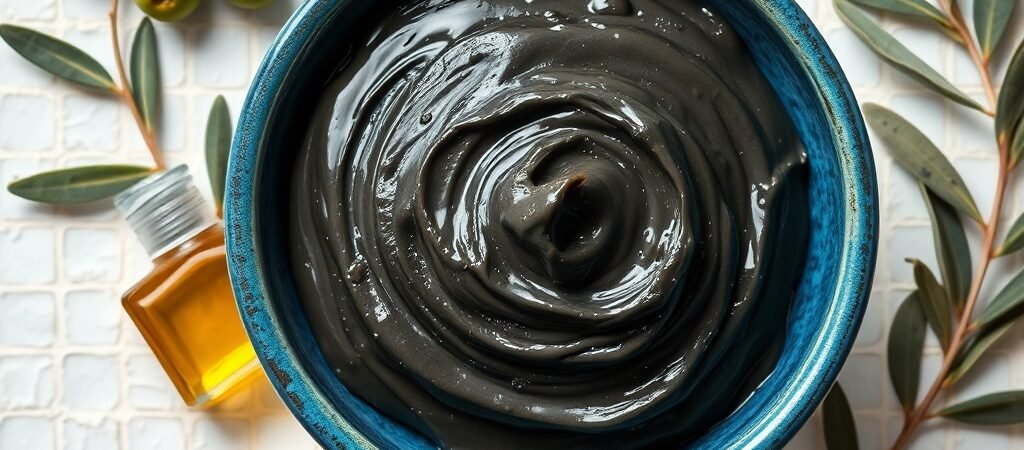
Moroccan black soap, also known as Beldi soap or Savon Noir, is a centuries-old beauty secret from Morocco that has become a global skincare staple. Unlike traditional bar soaps, it is a plant-based, gel-like cleanser made from olive oil and macerated olives, designed to soften the skin and prepare it for exfoliation. This guide covers everything you need to know, from its traditional hammam roots to modern usage, including how to use it, its benefits, and how to choose the right one.
Key Takeaways
- Moroccan black soap is a plant-based, gel-like cleanser made from olive oil and macerated olives, not a traditional bar soap.
- It is a pre-exfoliation treatment, used to soften the skin and prepare it for scrubbing with a kessa glove.
- Its unique alkaline pH and rich mineral content help draw out impurities and dead skin cells without stripping natural oils.
- The soap is traditionally used in a steam-filled hammam, but can be adapted for home use with a warm shower.
- Always follow up with a moisturizer or argan oil after rinsing to restore the skin’s barrier.
The Complete Answer: What Is Moroccan Black Soap?
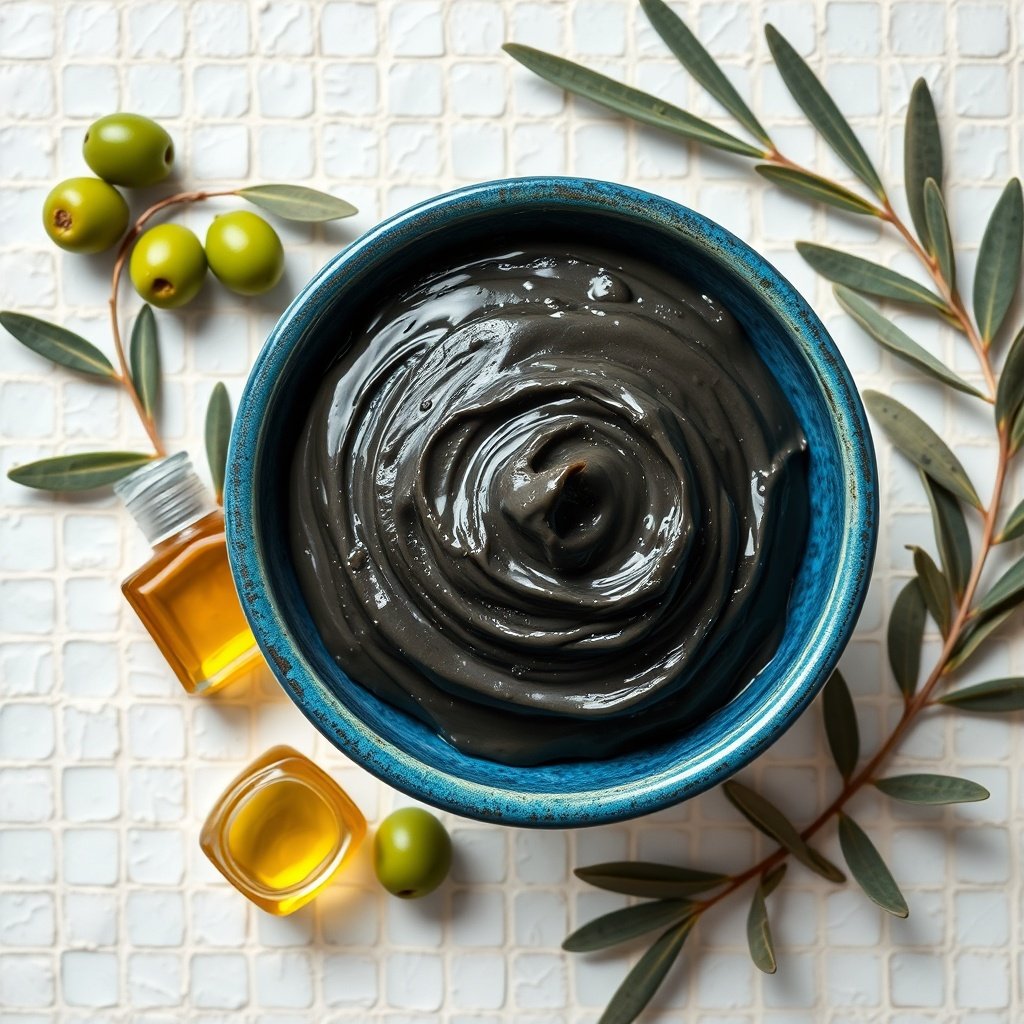
Highlights the unique dark green gel-like texture and olive-derived ingredients of Savon Noir, clarifying misconceptions about its color and emphasizing its natural, plant-based formula.
Definition and Core Composition
Moroccan black soap is a soft, gel-like paste, often dark green or blackish-brown in color. Its primary ingredients are olive oil, macerated olives (or sometimes argan oil), and potassium hydroxide (lye). The use of potassium hydroxide, rather than sodium hydroxide, is what makes it a soft soap rather than a hard bar.
Definition: Beldi soap, or Savon Noir, is a traditional Moroccan cleansing paste made from olive oil and potassium hydroxide, used to soften skin before exfoliation.
It is important to note that the soap is not “black” due to charcoal; the color comes from the olives themselves. This is a common misconception, as the dark hue is a natural result of the olive content and the saponification process.
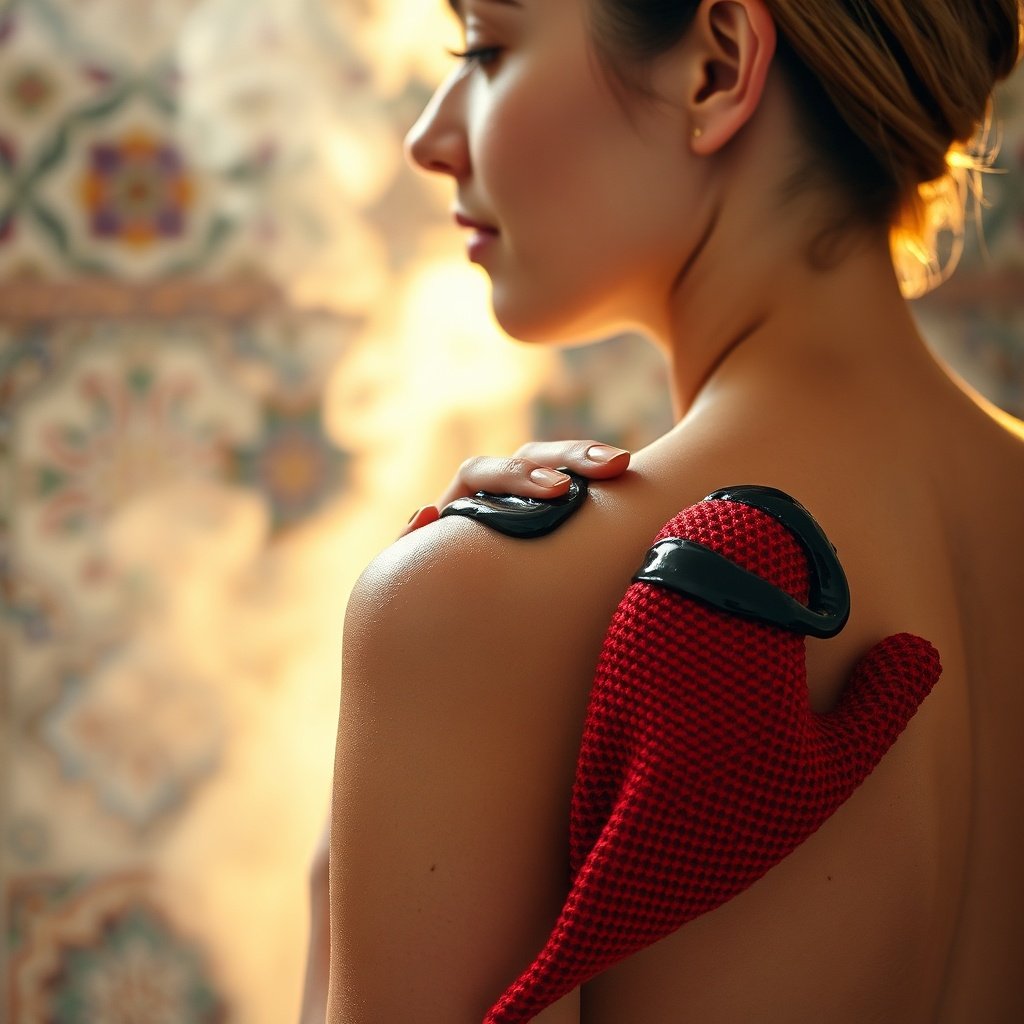
Illustrates the classic pre-exfoliation application method in a steam-filled hammam setting, emphasizing the cultural roots and correct usage sequence of the skincare routine.
Traditional vs. Modern Production
The traditional method of making Moroccan black soap involves drying and crushing olives, then mixing them with oil and an alkali. This mixture is cooked slowly for hours until it reaches the desired gel-like consistency. This artisanal process is time-consuming but results in a rich, natural product.
Modern variations sometimes add eucalyptus, mint, or rose for fragrance. However, authentic Moroccan black soap is typically unscented or has a naturally earthy scent. When choosing a product, look for those that honor the traditional recipe, as these are more likely to be pure and effective.
How It Differs from Regular Soap
The primary difference lies in its function and composition. Moroccan black soap is not a daily cleanser; it is a preparation step for exfoliation. Its unique formula sets it apart from both standard bar soaps and liquid body washes.
| Feature | Moroccan Black Soap | Standard Bar Soap | Liquid Body Wash |
|---|---|---|---|
| Texture | Gel/paste, slippery | Solid, hard | Liquid, often foamy |
| Base | Olive oil + potassium hydroxide | Fats + sodium hydroxide | Synthetic detergents |
| pH Level | Alkaline | Neutral to slightly alkaline | Typically neutral |
| Primary Function | Skin softening & pre-exfoliation | Cleansing | Cleansing & moisturizing |
| Use with Kessa Glove | Yes, essential | No | No |
| Scent | Natural, earthy | Varies widely | Often heavily perfumed |
The Science and Skin Benefits — Why It Works So Well
How the Alkaline Nature Softens Skin
The high pH of Moroccan black soap causes the outer layer of dead skin cells, known as the stratum corneum, to swell and soften. This is a key mechanism that makes the soap an effective preparation step for exfoliation.
Quick Answer: Moroccan black soap works by using its alkaline nature to soften the outer layer of dead skin cells, making them easy to remove with a kessa glove.
This is why the soap must be rinsed off and followed by exfoliation. It is not a final cleanser; it is a preparatory step that makes the subsequent scrubbing more effective and less abrasive.
Detoxifying and Cleansing Properties
The olive oil content provides natural antioxidants, such as vitamin E and polyphenols, which help neutralize free radicals. The soap acts as a gentle emulsifier, dissolving sebum and grime without the need for harsh surfactants found in many commercial cleansers.
Its gentle nature makes it suitable for a variety of skin types, including oily and acne-prone skin. However, those with sensitive skin should use it with caution, as the alkaline pH can be irritating if left on for too long. It is also used for its deep pore cleansing and detoxification properties, helping to draw out impurities from the skin.
Supporting Skin Health and Hydration
After the soap is rinsed, the skin is primed to absorb moisture. This is why the hammam ritual almost always pairs the soap with argan oil or a rich body cream. The exfoliation removes the barrier of dead cells, allowing moisturizers to penetrate more deeply.
It is a common misconception that the soap itself is moisturizing. In reality, it is a preparatory cleanser. Its main job is to soften and clean, while the subsequent moisturizer provides the hydration. This post-bath moisturizing and skincare routine is essential for maintaining the skin’s barrier and preventing dryness.
The Step-by-Step Hammam Ritual — How to Use It Correctly
Step-by-Step Guide for a Traditional Hammam Experience
The kessa glove exfoliation technique is at the heart of the hammam bathing ritual. Follow these six steps for the most effective and authentic experience.
- Warm Up: Spend 10-15 minutes in a steam room or a hot shower to open pores and soften the skin.
- Apply the Soap: Take a small amount of the black soap and massage it over damp skin in circular motions. Let it sit for 5-10 minutes (or longer in a hammam).
- Rinse Thoroughly: Use warm water to remove all traces of the soap. Do not use soap again.
- Exfoliate with the Kessa Glove: While skin is still damp, use a kessa glove to scrub in long, upward strokes. You will see dead skin cells roll off.
- Rinse Again: Wash away the dead skin and any remaining residue with warm water.
- Hydrate Immediately: Apply argan oil, shea butter, or a rich moisturizer to lock in hydration while the skin is still damp.
Adapting the Ritual for Home Use (Without a Hammam)
You can easily adapt the hammam ritual for a regular shower. To mimic the steam-filled environment, use a hot towel wrap or spend a few extra minutes under a hot shower before applying the soap. This helps open the pores and soften the skin, making the soap more effective.
The key is to allow the soap time to work. Don’t rush the 5-10 minute waiting period, as this is when the soap softens the dead skin cells and prepares them for removal. This simple adjustment can turn a regular shower into an at-home spa experience.
Frequency and Precautions
For most skin types, using Moroccan black soap 1-2 times per week is recommended. Those with sensitive skin should start with once a week to see how their skin reacts. The soap should not be used on broken, irritated, or sunburned skin, as it can cause further irritation.
Quick Answer: Use Moroccan black soap 1-2 times per week as part of an exfoliation ritual, and always follow up with a moisturizer to protect the skin barrier.
It is always a good idea to do a patch test first, especially for those with allergies to olives. This is a natural product, so allergic reactions are possible, though rare.
Choosing the Right Moroccan Black Soap — What to Look For
Ingredient List Scrutiny
When looking for authentic Moroccan cosmetics, the ingredient list is your best guide. Authentic soap should list olive oil (or a combination of olive and argan oil) as the primary ingredient. Be wary of products with added synthetic detergents, artificial colors, or excessive preservatives. Some soaps contain added glycerin, which is fine, but the base should always be olive oil.
Texture, Color, and Aroma
A high-quality Moroccan black soap should have a smooth, thick, slightly translucent paste texture. The color can range from dark green to brownish-black. Avoid soaps that are pitch black, as this may indicate added charcoal or dyes. The aroma should be earthy and slightly olive-like, or have subtle essential oils—not an overpowering synthetic perfume.
Where to Buy and What to Avoid
Look for reputable Moroccan brands or specialty retailers that source their products directly. A “Made in Morocco” label and a short, recognizable ingredient list are good indicators of authenticity. Be cautious of overly cheap products, as they may be diluted or made with mineral oils instead of high-quality olive oil.
Beyond the Body — Surprising Uses for Moroccan Black Soap
As a Gentle Facial Cleanser (with Care)
While traditionally for the body, some people use Moroccan black soap on the face. If you choose to do this, it should be diluted and used sparingly. Because the soap is too alkaline for daily facial use, it must be followed by a pH-balancing toner to restore the skin’s natural balance.
As a Pre-Shave Preparation
The soap’s softening properties make it an excellent pre-shave treatment for the legs or beard. By softening the hair follicles and preparing the skin, it allows for a closer shave and reduces the risk of razor burn. Apply it a few minutes before shaving, then rinse thoroughly.
For Exfoliating the Scalp
Used in a small amount on the scalp, Moroccan black soap can help remove product buildup and dead skin, which may help with dandruff. However, it must be thoroughly rinsed out and followed by a gentle shampoo or conditioner to ensure no residue is left behind.
Frequently Asked Questions (FAQ)
Is Moroccan black soap suitable for sensitive skin?
Yes, but with caution. It is gentle because it lacks harsh detergents, but its alkaline nature can be irritating if left on too long. Start with a short application time and always moisturize afterward.
Can I use Moroccan black soap every day?
No. It is designed for weekly use (1-2 times per week) as part of an exfoliation ritual. Daily use can strip the skin’s natural oils.
What is the difference between Moroccan black soap and regular black soap (like African black soap)?
They are completely different. Moroccan black soap is olive-oil based and gel-like, used as a pre-exfoliant. African black soap is made from plant ashes and is a solid bar, used as a daily cleanser.
Do I need a kessa glove to use it?
Yes, for the full exfoliating benefit. The soap alone softens the skin, but the kessa glove is what physically removes the dead skin cells. Without it, the soap is just a gentle cleanser.
How long does Moroccan black soap last once opened?
The shelf life varies by brand and storage conditions. Because it is a natural product, it can spoil if exposed to excessive heat or moisture. Keep it in a cool, dry place and check for any changes in smell or texture.
Conclusion
Moroccan black soap is a unique and effective skincare product that offers a spa-like experience at home. Its olive oil and potassium hydroxide composition makes it an excellent pre-exfoliation treatment, softening the skin and preparing it for the kessa glove. By following the traditional hammam ritual and always hydrating afterward, you can achieve smooth, soft, and healthy skin. To get the most out of your routine, explore our other guides on Moroccan beauty rituals or check out our recommended argan oils to pair with your black soap.