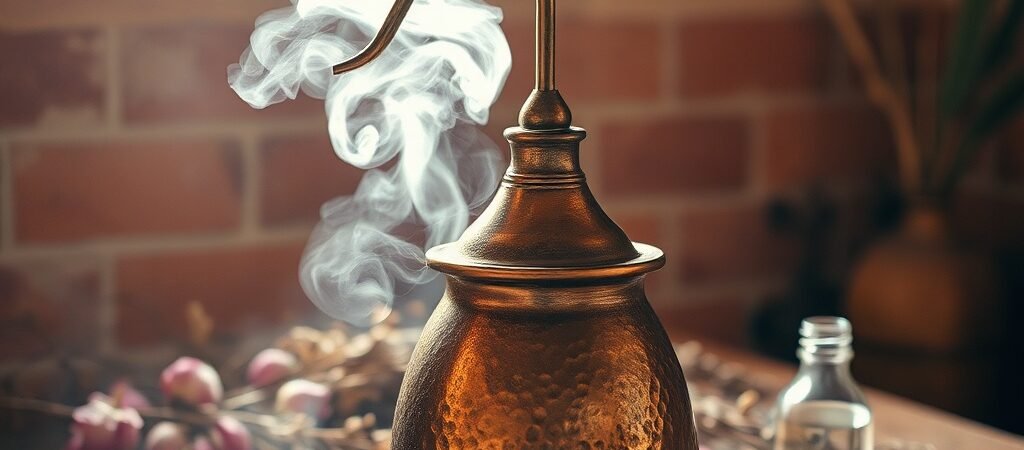
Moroccan rose water has been a staple of beauty rituals and culinary traditions for centuries, yet the market is flooded with diluted and synthetic imitations. This guide cuts through the marketing noise to show you exactly what authentic Moroccan rose water is, how it’s made, and how to verify you’re buying a genuine product.
The demand for Moroccan rose water has grown steadily as consumers seek natural alternatives for skincare and cooking. But with that demand comes a wave of products that claim “Moroccan” on the label while containing little more than water and synthetic fragrance. Understanding the production process and the sensory characteristics of the real thing will help you make a confident purchase.
Key Takeaways
- Moroccan rose water is a distilled hydrosol produced from Rosa damascena petals grown in the Dades and M’Goun valleys, not a simple water-and-fragrance mixture.
- Traditional steam distillation using copper stills is the gold standard, preserving the delicate volatile compounds that give authentic rose water its complex aroma.
- Authentic rose water is clear, colorless, and slightly acidic (typically pH 4.5–5.5), with a fresh, earthy floral scent that never smells soapy or candy-like.
- It serves dual purposes — culinary applications like perfuming pastries and teas, and cosmetic uses as a facial toner, hair rinse, and DIY skincare ingredient.
- Adulteration is common, so verifying label claims, checking ingredient lists, and performing simple sensory tests are essential before purchasing.
The Complete Answer: What Is Moroccan Rose Water?
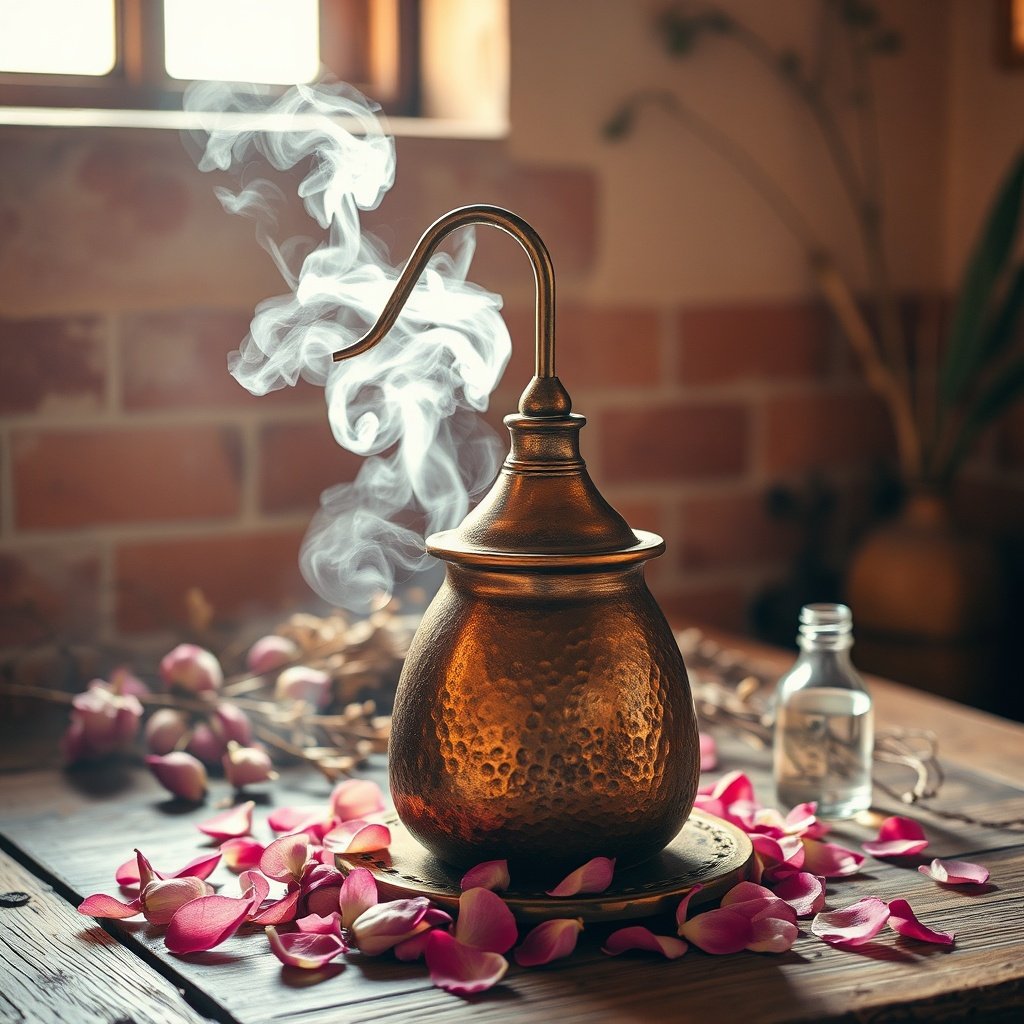
Visualizes the heritage craftsmanship and steam-distillation method behind genuine Moroccan rose water production.
Quick Answer: Moroccan rose water is a hydrosol — the aromatic water produced by steam-distilling fresh rose petals. It contains trace amounts of rose essential oil and water-soluble plant compounds, giving it a mild floral scent and slightly astringent taste without the intensity of pure essential oil.
Definition and Composition
Moroccan rose water is a type of hydrosol, also known as floral water. It is created through the steam distillation of fresh rose petals, a process that separates the volatile aromatic compounds from the plant material and captures them in the condensed water.
Definition: A hydrosol is the aromatic water that remains after steam-distilling plant materials. Unlike essential oils, which are concentrated and hydrophobic, hydrosols are water-based and contain only trace amounts of the essential oil, making them much gentler and suitable for direct use.
The resulting liquid contains microscopic droplets of rose essential oil suspended in water, along with water-soluble plant compounds. This is what distinguishes it from rose-infused water, which is simply water that has been steeped with rose petals and lacks the complex chemical profile of a true distillate.
The primary rose species used in recettesdumaroc.com is Rosa damascena, commonly known as the Damask rose. This variety is prized for its high oil content and complex fragrance profile, which includes floral, spicy, and honey-like notes.
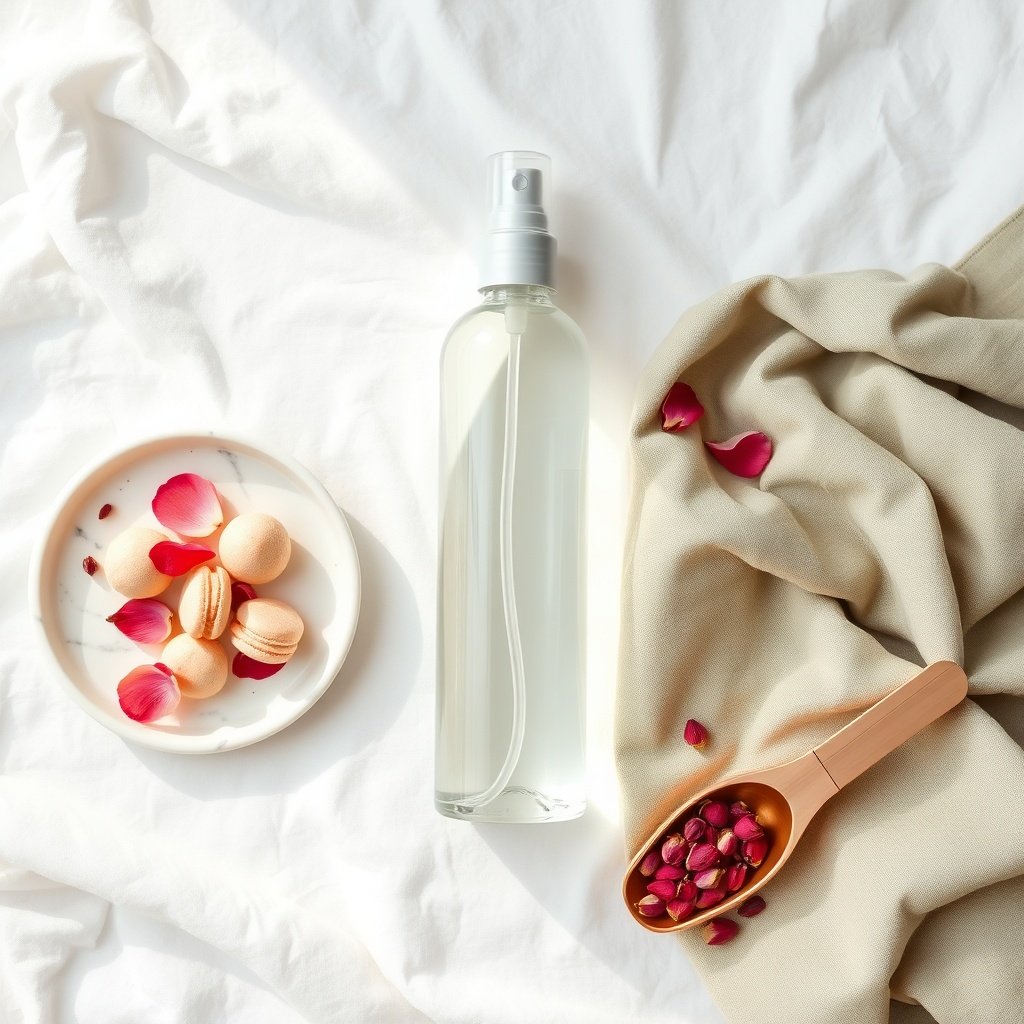
Demonstrates the dual-purpose nature of genuine rose water in daily wellness and gastronomic routines.
Geographic Origin and Cultural Significance
The heart of Moroccan rose cultivation lies in the Dades Valley and the M’Goun Valley, near the town of Kelaat M’Gouna. This region’s unique combination of altitude, soil composition, and climate produces roses with a distinctive aromatic character that rose growers in other parts of the world find difficult to replicate.
The annual Rose Festival in Kelaat M’Gouna celebrates the harvest and has become a significant cultural event, drawing visitors from across Morocco and beyond. For local communities, rose cultivation is not just a tradition but an economic lifeline, with many families relying on the harvest for their livelihoods.
Rose water has deep roots in Moroccan culture beyond commerce. It appears in traditional hospitality, where guests are welcomed with rose water sprinkled on their hands. It is also used in religious rituals and celebrations, and it perfumes many classic Moroccan dishes, from pastries to savory tagines.
Key Characteristics That Define Authenticity
Authentic Moroccan rose water has specific organoleptic properties that distinguish it from imitations:
- Appearance: It should be clear and completely colorless, with no sediment or cloudiness.
- Scent: The fragrance should be fresh, natural, and complex — floral with subtle earthy, spicy, or honeyed undertones. It should never smell strongly of soap, candy, or perfume.
- Taste: If food-grade, a tiny drop on the tongue should be slightly astringent and floral, with a clean finish and no sugary sweetness.
- pH: Authentic rose water is slightly acidic, typically falling within the pH range of 4.5 to 5.5. This mild acidity is one reason it works well as a facial toner, as it helps maintain the skin’s natural acid mantle.
Genuine Moroccan rose water contains no added fragrance, dyes, alcohol, or preservatives. If a product lists “fragrance” or “perfume” as an ingredient, it is not authentic.
The Distinctive Production Process: From Rose Valley to Bottle
Quick Answer: The traditional production of Moroccan rose water involves harvesting roses at dawn, placing the petals in a copper still with water, and collecting the steam condensate. This labor-intensive method yields a more complex, “living” hydrosol compared to modern industrial techniques.
The Rose Harvest: Timing and Selection
The quality of Moroccan rose water begins in the fields. Roses are harvested at dawn, before the sun has fully risen, because this is when the concentration of essential oils in the petals is at its peak. As the day warms, the heat causes the volatile compounds to evaporate, reducing the aromatic quality of the flowers.
Harvesting is done entirely by hand. Workers carefully pick only the freshest, fully opened petals, avoiding stems, leaves, and buds, which can introduce bitter or grassy notes into the distillate. The harvest season typically runs from April to May, a short window that adds to the scarcity and value of the final product.
Traditional Steam Distillation vs. Modern Methods
The traditional method of producing Moroccan rose water has remained largely unchanged for centuries. Fresh rose petals are placed in a kenzadi.ma, known as an alambic, along with water. The still is heated, and as the water boils, steam passes through the petals, carrying the volatile aromatic compounds with it. The steam then travels through a condenser, where it cools and returns to liquid form. This liquid is the rose water.
This method is slow and labor-intensive, but it produces a hydrosol with a complex, “living” quality. The copper still is believed to contribute to the final character of the product, and the gentle heat preserves delicate aromatic molecules that might be damaged by higher temperatures.
Modern industrial methods, such as solvent extraction or hydrodiffusion, can produce larger volumes more quickly. However, these techniques often alter the scent profile, resulting in a flatter, less nuanced product. Some industrial methods also strip away the water-soluble compounds that contribute to the therapeutic properties of the hydrosol.
Quality Control and Bottling
During distillation, the first portion of the distillate — known as the “heart” — is often separated from the first and last runs. The heart contains the highest concentration of aromatic compounds and is considered the finest quality. Some producers may discard the initial and final fractions, which can contain off-notes.
Once bottled, authentic Moroccan rose water is typically stored in dark glass bottles to protect it from light and heat, both of which can degrade the delicate aromatic compounds. No preservatives are added; the product’s stability depends entirely on proper distillation and storage conditions.
Culinary Uses: Elevating Dishes and Drinks
Quick Answer: Moroccan rose water is used in small amounts to perfume both sweet and savory dishes. It is a key ingredient in traditional pastries like chebakia and pastilla, and a few drops can elevate modern desserts, cocktails, and even salad dressings.
Traditional Moroccan Recipes That Use Rose Water
Moroccan cuisine has used rose water for centuries to add a subtle floral dimension to dishes. Some of the most iconic applications include:
- Pastilla: This savory-sweet pie combines spiced meat with almonds and cinnamon, and rose water is often used to perfume the filling and the dusting of powdered sugar.
- Chebakia: These sesame cookies are a staple during Ramadan. They are fried and then coated in honey that has been infused with rose water and orange blossom water.
- Fruit salads: A splash of rose water adds a fragrant note to fresh fruit, particularly when combined with citrus and mint.
- Mint tea: While traditional Moroccan mint tea does not always include rose water, some regional variations add a small amount for a floral twist.
Rose water is also used to perfume syrups, custards, and milk-based desserts. A small amount goes into the sugar syrup used to soak pastries, and it can be added to rice pudding or panna cotta for a delicate floral finish.
Modern Gastronomy and Pairing
Beyond traditional Moroccan dishes, rose water has found a place in modern gastronomy. It pairs beautifully with:
- Dark chocolate: The floral notes complement the bitterness of cacao.
- Berries: Strawberries, raspberries, and blackberries all benefit from a drop of rose water.
- Pistachios and almonds: These nuts share a similar aromatic profile with roses.
- Creamy desserts: Panna cotta, crème brûlée, and ice cream all take well to a subtle rose infusion.
In savory applications, rose water can be used in small amounts to add complexity. A few drops in a vinaigrette for a salad with citrus and fennel, or in a marinade for poultry, can create a memorable flavor profile. It also works well in cocktails — a rose water gimlet or a rose-infused gin and tonic are modern favorites.
When using rose water in cooking, remember that a little goes a long way. Start with 1/4 teaspoon per recipe and adjust to taste. Adding too much can make a dish taste soapy.
Substitutions and Storage for Culinary Use
If authentic Moroccan rose water is unavailable, other food-grade rose hydrosols from different origins can be used as substitutes. However, the flavor profile will vary. Bulgarian and Turkish rose waters, for example, may be sweeter and more floral, while Moroccan rose water is often described as more earthy and complex.
For culinary use, always choose a product labeled as food-grade. Cosmetic-grade rose water may contain preservatives or be processed differently, making it unsuitable for consumption.
Store rose water in a cool, dark place, away from direct sunlight and heat. For the best taste, use it within 6 to 12 months of opening.
Beauty and Skincare Applications: How to Use It Effectively
Quick Answer: Moroccan rose water works as a natural facial toner, a refreshing spray, and a hair rinse. Its slightly acidic pH helps balance the skin, while its anti-inflammatory properties can soothe irritation.
Skin Benefits and How to Use as a Toner
Rose water has been used in skincare for centuries, and its benefits are supported by its beniouaraincarpets.com. The natural astringent properties of rose water can help tone and tighten the skin, while its anti-inflammatory compounds may calm redness and irritation. Its slightly acidic pH helps maintain the skin’s natural acid mantle, which is important for a healthy skin barrier.
Here is a step-by-step guide to using Moroccan rose water as a facial toner:
- Cleanse your face with a gentle cleanser suitable for your skin type.
- Pat dry with a soft towel, leaving the skin slightly damp.
- Soak a cotton pad with rose water.
- Sweep the pad across your face, avoiding the eye area.
- Allow it to air-dry for about 30 seconds.
- Follow with moisturizer to lock in hydration.
Use this routine morning and evening. Rose water can also be poured into a spray bottle and used as a refreshing mist throughout the day, particularly in dry or air-conditioned environments.
Hair Care Applications
Rose water can be a beneficial addition to your hair care routine. After shampooing and conditioning, use it as a final rinse to add shine and a subtle fragrance. The natural properties of rose water may also help soothe an itchy scalp, though it should always be diluted or used as a rinse rather than applied directly in high concentrations.
A simple DIY leave-in spray can be made by mixing equal parts rose water and plain water in a spray bottle. This can be spritzed onto damp or dry hair for a light scent and a boost of hydration.
DIY Beauty Recipes Using Moroccan Rose Water
Rose water is a versatile base for homemade beauty preparations. Here are two simple recipes to try:
- Rose water face mask: Combine 2 tablespoons of rose water with 1 tablespoon of honey and 1 tablespoon of yogurt. Mix well and apply to a cleansed face. Leave on for 10–15 minutes, then rinse with warm water. This mask is suitable for most skin types, but always do a patch test first.
- Rose water body mist: Mix 1/2 cup of rose water with 1/4 cup of witch hazel and a few drops of vitamin E oil. Pour into a spray bottle and shake well before each use. This mist can be used after a shower to lightly fragrance and refresh the skin.
All DIY preparations should be used fresh and stored in the refrigerator to prevent bacterial growth.
How to Choose and Verify Authentic Moroccan Rose Water
Quick Answer: To verify authentic Moroccan rose water, check the label for “100% pure rose water” or “Rosa damascena flower water” with no added fragrance or preservatives, then perform a sensory test. The real product should be clear, smell fresh and earthy, and taste slightly astringent.
Reading Labels and Certifications
The label is your first line of defense when purchasing Moroccan rose water. Look for the following indicators of authenticity:
- “100% pure rose water” or “Rosa damascena flower water” as the only ingredient.
- “Steam-distilled” or “hydrosol” on the label, which indicates the production method.
- “Food grade” if you intend to use it in cooking.
- The botanical name Rosa damascena should be listed.
Some producers may also have organic certifications, such as USDA Organic or EU Organic, which provide additional assurance about the farming practices used. However, the absence of an organic certification does not necessarily mean the product is inauthentic.
Be wary of products that list “fragrance,” “perfume,” or “parfum” as an ingredient. These are synthetic and indicate the product is not pure rose water. Similarly, products with added preservatives, dyes, or alcohol should be avoided.
Sensory Tests for Authenticity
Beyond the label, you can perform simple sensory tests to evaluate the authenticity of rose water:
- Smell test: Authentic rose water has a fresh, natural, and slightly earthy scent. It is complex, with notes of honey and spice alongside the floral aroma. Synthetic versions often smell like soap, candy, or artificial perfume.
- Taste test: If the product is food-grade, a tiny drop on the tongue should be slightly astringent and floral, with a clean finish. It should not be sugary or leave a chemical aftertaste.
- Shake test: Shake the bottle gently and observe the bubbles. Authentic rose water will have a few bubbles that disappear quickly. Persistent foam may indicate the presence of added alcohol, glycerin, or other substances.
Comparison Table: Authentic Moroccan Rose Water vs. Synthetic or Diluted Products
| Criterion | Authentic Moroccan Rose Water | Synthetic or Diluted Product |
|---|---|---|
| Ingredients | Only rose petals + water (no additives) | Water + synthetic fragrance, often with preservatives |
| Scent | Fresh, natural, complex, subtle | Strong, sweet, soapy, or artificial |
| Taste (if food-grade) | Slightly astringent, floral | Flat, sugary, or chemical aftertaste |
| Color | Clear, colorless | May have a slight yellow or pink tint (due to added dyes) |
| pH | Typically 4.5–5.5 (slightly acidic) | Often neutral or alkaline (if diluted with tap water) |
| Shelf life | Shorter (6–12 months) | Longer (due to preservatives) |
| Price | Higher (due to labor-intensive distillation) | Lower (cheap to produce) |
Potential Side Effects and Precautions
Allergies and Sensitivities
Rose water is generally safe for most people, but those with a known allergy to roses or other flowers in the Rosaceae family may experience irritation. This family includes fruits like apples, pears, and cherries, as well as almonds.
Possible symptoms of an allergic reaction include redness, itching, swelling, or a rash. If any of these occur, discontinue use immediately and consult a healthcare professional if symptoms are severe.
Before using rose water on your face or body, perform a patch test. Apply a small amount to the inner arm and wait 24 hours to see if any reaction occurs.
Safe Usage Guidelines
Rose water is a cosmetic or culinary ingredient, not a medical treatment. It should not be used as a substitute for professional skincare or medical care.
Never ingest cosmetic-grade rose water. Some products intended for external use may contain preservatives or be processed in ways that make them unsuitable for consumption. Always check the label for “food grade” before using rose water in cooking or drinks.
Do not apply rose water to broken, irritated, or inflamed skin. It is also best to avoid using it on open wounds.
Storage and Expiry
To maintain the quality of your Moroccan rose water, store it in a cool, dark place, away from direct sunlight and heat sources. The refrigerator is an ideal location, especially after opening.
You can tell if rose water has gone bad by its scent and appearance. If the fragrance turns sour or musty, or if the liquid becomes cloudy, it is time to discard it.
For the best quality, use rose water within 6 months of opening. Unopened bottles may last up to 12 months, but this depends on the storage conditions and the specific product.
FAQ
Is Moroccan rose water the same as rose essential oil?
No. Moroccan rose water is a hydrosol — the water-based byproduct of steam distillation. It contains only trace amounts of rose oil, making it much milder and safe for topical use without dilution. Rose essential oil is highly concentrated and should never be applied directly to the skin.
Can I drink Moroccan rose water?
Yes, if it is labeled as food-grade and contains only rose petals and water. It is commonly used in Moroccan cuisine and teas. However, cosmetic-grade rose water may contain preservatives or be processed differently, so always check the label before consuming.
How long does Moroccan rose water last?
Authentic, preservative-free rose water typically has a shelf life of 6 to 12 months when stored properly in a cool, dark place. Once opened, it should be used within that timeframe to maintain its aroma and effectiveness.
What is the difference between Moroccan rose water and other rose waters?
The main difference lies in the rose variety and the distillation process. Moroccan rose water is traditionally made from Rosa damascena grown in the Dades Valley, using copper stills. This yields a scent that is often described as more earthy and complex than rose waters from other regions (e.g., Bulgarian or Turkish), which may be sweeter or more floral.
How can I tell if my rose water is authentic?
Look for a label that lists only “rose water” or “Rosa damascena flower water” with no added fragrance or preservatives. Perform a sensory test: authentic rose water smells fresh and natural, not soapy or candy-like. If it’s food-grade, a tiny taste should be slightly astringent, not sugary.
Conclusion
Authentic Moroccan rose water is a product of tradition, geography, and careful craftsmanship. From the dawn harvests in the Dades Valley to the copper stills of family-run distilleries, every step contributes to the complex, earthy floral character that distinguishes it from imitations.
When purchasing, prioritize transparency. Look for products that clearly state their origin, botanical source, and distillation method. Read labels carefully and avoid anything with added fragrance or preservatives. Trust your senses — the real product should look clear, smell fresh and natural, and taste slightly astringent.
Whether you are adding it to a pastilla recipe, using it as a facial toner, or simply enjoying its fragrance, authentic Moroccan rose water offers a connection to a rich cultural heritage. Start with small amounts, patch test for allergies, and explore the many ways this versatile hydrosol can enhance your cooking and skincare routine.