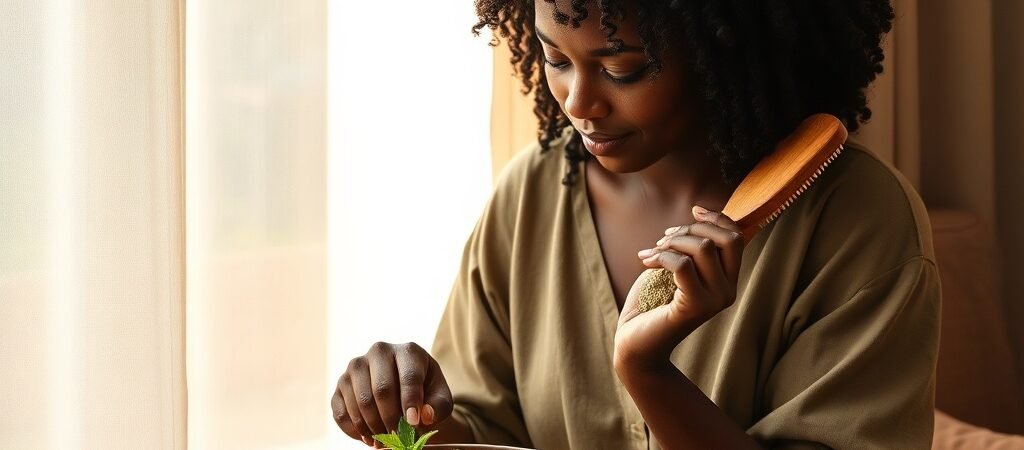
The resurgence of natural hair care has sparked a renewed interest in plant-based alternatives, and henna for natural hair is at the forefront of that movement. Often misunderstood as just a dye, henna is actually a powerful botanical treatment that can strengthen, condition, and protect textured hair. This guide provides a definitive overview of using henna for natural hair, covering its benefits, application methods, safety risks, and best practices. A critical distinction to make right away is the difference between pure henna and the dangerous “black henna” often sold in markets.
Key Takeaways
- Pure henna (Lawsonia inermis) is a natural conditioner and strengthener, not just a dye.
- Henna deposits a reddish-orange stain that can darken with repeated use; it cannot lighten hair.
- The quality and purity of henna powder are paramount—avoid “black henna,” which contains harmful additives like PPD.
- The application process is time-intensive but yields cumulative benefits for hair strength, shine, and scalp health.
- Henna interacts with chemical treatments (bleach, relaxers), so a strand test is always necessary.
The Complete Answer: What Henna Actually Does for Natural Hair
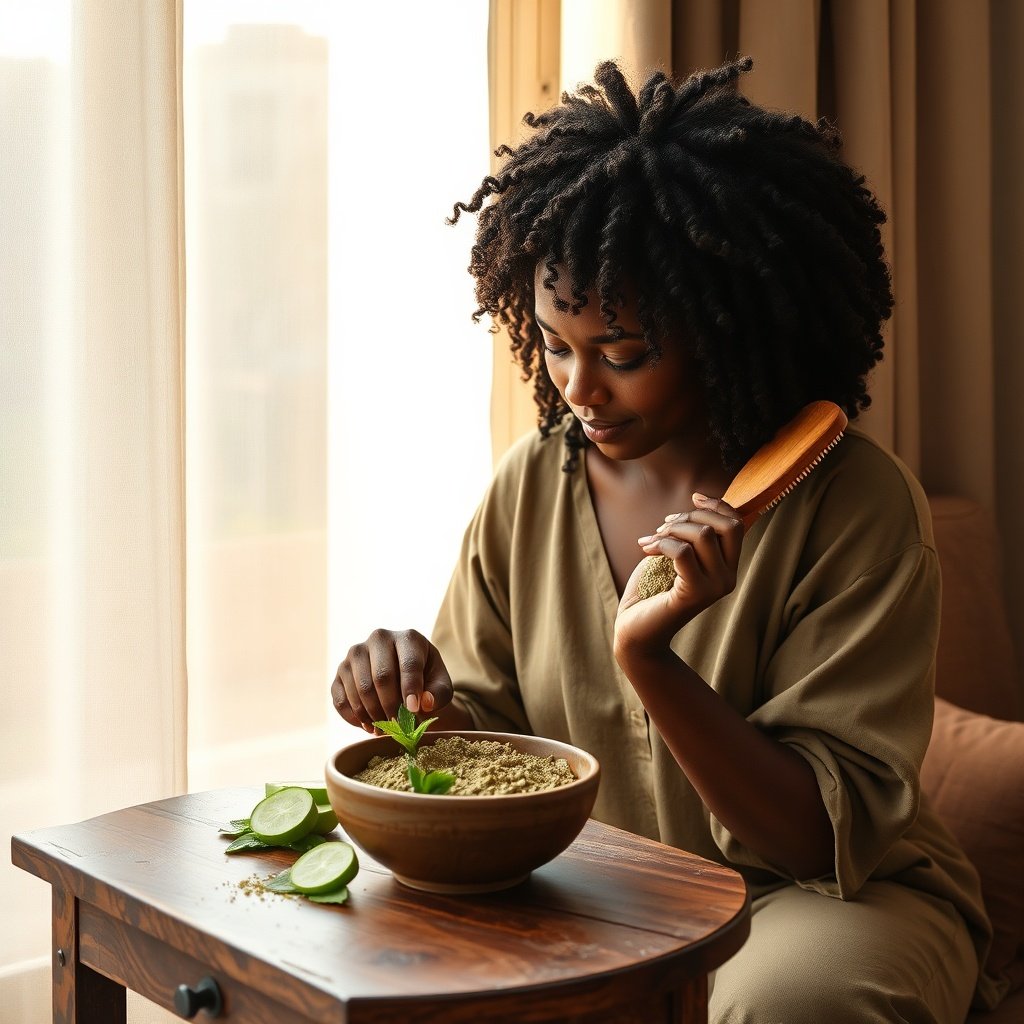
Illustrates the hands-on, cumulative application process highlighted in the guide, emphasizing the use of pure Lawsonia inermis powder and natural mixers over synthetic or ‘black’ henna products.
Henna is a kenzadi.ma derived from the leaves of the Lawsonia inermis plant. The active ingredient, lawsone, is a pigment molecule that binds to the keratin protein in the hair cortex. This binding process creates a semi-permanent stain and physically reinforces the hair shaft, making it thicker and more resilient.
Definition: Lawsone is the active pigment molecule in henna. It has a high affinity for keratin, allowing it to bind to the hair cortex and create a semi-permanent, reddish-orange stain that also strengthens the hair structure.
Primary Benefits for Natural Hair
- Strengthening: By binding to the keratin, henna reinforces the hair cortex, which can reduce breakage and the appearance of split ends. This makes it an excellent treatment for fine or fragile hair.
- Shine and Smoothness: Henna coats the hair, temporarily smoothing the cuticle. This reduces friction between strands, making detangling easier and giving the hair a noticeable, glossy shine.
- Natural Color: It provides a natural reddish-brown tint. The shade depends on your starting color and the lawsone content of the powder, ranging from bright orange on blonde hair to deep burgundy on dark brown hair.
- Scalp Health: Henna has natural antifungal and antibacterial properties. This can help soothe an itchy scalp and may be beneficial for conditions like dandruff, though more research is needed to confirm its efficacy.
What Henna Does NOT Do
It’s equally important to understand the limitations. Henna does not lighten hair. It cannot alter your curl pattern, and it cannot reverse damage that has already occurred to the hair structure. It is a protective and strengthening treatment, not a repair tool.
Quick Answer: Henna strengthens natural hair by binding lawsone to the keratin in the hair cortex. This process reinforces the hair shaft, reduces breakage, and adds a reddish-orange tint, while also providing a smoothing effect that increases shine.
The Purity Test: How to Identify Safe Henna for Natural Hair
The most important step in using henna for natural hair is ensuring you are using a pure, safe product. The market is flooded with “compound henna” and “black henna” that are toxic and dangerous.
The “Black Henna” Danger
Real henna is never black. “Black henna” is a marketing term for a product that is often mixed with phenylenediamine (PPD) or other coal tar dyes. These additives are used to create a fast, black color but are not natural and can cause severe allergic reactions, chemical burns, and permanent scarring. This is not a true henna product and should be avoided entirely.
Reading Ingredient Labels
When purchasing henna for natural hair, look for a product with only one ingredient listed: Lawsonia inermis. Avoid any product that lists additives, metallic salts, synthetic dyes, or preservatives. The term “compound henna” is a red flag, as it indicates the product has been mixed with other ingredients.
Visual and Olfactory Signs of Quality
Pure, high-quality henna powder has a distinct set of characteristics:
- Color: It should be an olive green to a brownish-green powder. A bright, neon green color is a sign of artificial dyes.
- Texture: It should be a very fine, sifted powder that feels smooth, not gritty.
- Smell: It should have an earthy, grassy scent, similar to dried hay or spinach. A chemical or perfumed smell indicates additives.
The Importance of Body Art Quality vs. Hair Grade
“Body Art Quality” (BAQ) is a label that has become a standard for the highest quality henna. This label indicates that the henna is from a specific crop with a high lawsone content and has been finely sifted multiple times to remove grit. While BAQ henna is often more expensive, its superior quality makes it the best choice for achieving a rich color and a smooth, creamy paste.
Quick Answer: To ensure you are using safe henna for natural hair, look for 100% pure Lawsonia inermis powder. Avoid any product labeled “black henna” or “compound henna,” as these often contain toxic additives like PPD.
Visually reinforces the article’s core science behind lawsone binding to keratin, demonstrating how consistent use builds cumulative strength, reduces breakage, and deposits a safe, plant-derived color without lightening or damaging textured hair.
Step-by-Step: The Complete Henna Application Process for Natural Hair
Applying henna is a ritual that requires time and patience. Following this step-by-step process will help you achieve the best results.
- Pre-Treatment: Start with clean, recettesdumaroc.com hair. If you have product buildup, use a clarifying shampoo to remove heavy oils and silicones that could block the henna from penetrating the hair shaft.
- Prepare the Henna Paste: Mix your henna powder with a slightly acidic liquid, such as lemon juice, apple cider vinegar, or black tea. The acid helps release the lawsone molecule. The mixture should be the consistency of a thick, creamy yogurt. Cover the bowl and let the paste sit for 4–12 hours. This is the “dye release” period. You’ll know it’s ready when the surface of the paste turns a reddish-brown color.
- Optional Additives: You can add conditioning ingredients to improve the consistency and moisture content of the paste.
- Yogurt: Adds moisture and provides a small amount of protein.
- Honey: Acts as a humectant, drawing moisture into the hair.
- Coconut Milk: Adds softness and helps the paste spread more easily.
- Essential Oils: A few drops of a pure essential oil like lavender or tea tree can add a pleasant scent and soothe the scalp.
- Application: Section your hair into 4–6 parts. Using a tint brush or gloved hands, apply the paste generously from root to tip. Ensure the hair is fully saturated. For maximum benefit, focus on the lengths and ends, which are the oldest and most fragile parts of the hair.
- Covering and Processing: Once applied, wrap your hair in a plastic cap to retain heat and moisture. Cover with an old towel to protect your clothing and pillows. The processing time can range from 2 to 6 hours. For a conditioning treatment without much color, aim for 2 hours. For a deeper, richer color, leave it on for 4–6 hours.
- Rinsing and Sealing: Rinse the henna out thoroughly with water only. Do not use shampoo, as it can strip the color before it has fully set. Keep rinsing until the water runs clear. Follow with a deep conditioner or a generous amount of oil to seal in moisture and prevent the hair from feeling dry.
- Post-Application Care: After rinsing, it’s best to wait 48–72 hours before shampooing. This waiting period allows the lawsone to fully oxidize and the color to deepen and set.
Quick Answer: The best way to apply henna for natural hair is to mix pure henna powder with an acidic liquid like lemon juice and let it sit for 4–12 hours. Apply the paste to clean, sectioned hair, leave it on for 2–6 hours, then rinse thoroughly with water only.
The Great Comparison: Henna vs. Other Natural Hair Treatments
Understanding how henna compares to other treatments can help you decide which is right for your hair goals.
Henna vs. Indigo
Indigo (Indigofera tinctoria) is a natural plant dye that produces a blue-black color. It is often used in a two-step process after henna to achieve a black color. Henna provides the red base, and indigo dyes over it.
- Color: Henna gives red/orange, indigo gives blue/black.
- Conditioning: Both have conditioning properties, but henna is more renowned for its strengthening effects.
- Process: To get black, you must apply henna first, then indigo. This is a longer, two-step process.
Henna vs. Cassia (Neutral Henna)
Cassia (Cassia obovata) is often called “neutral henna” because it doesn’t produce a strong color. It contains a small amount of lawsone, so it can give a very subtle golden highlight on blonde hair, but mostly it acts as a conditioner.
- Color: Cassia provides no color or a very subtle tint; henna provides a distinct reddish-orange color.
- Benefits: Cassia provides shine and softness. Henna provides shine and much stronger strengthening.
Henna vs. Chemical Hair Color
Chemical dyes work by penetrating the hair cortex and altering its structure, often using ammonia and peroxide.
- Longevity: Chemical color is more permanent, while henna fades gradually over 4–6 weeks.
- Damage: Chemical dyes can cause significant damage, dryness, and breakage. Henna, when pure, is not damaging.
- Safety: Henna is a safe, natural alternative, whereas chemical dyes carry a risk of allergic reactions and contain harsh ingredients.
Henna vs. Protein Treatments
Both henna and protein treatments aim to strengthen the hair, but they work differently.
- Henna: Coats the outside of the hair, adding a protective layer and reinforcing the structure from the outside in.
- Protein: Fills in gaps in the hair cortex from the inside.
- Complementary: They can be used together. Many people find that alternating henna and protein treatments provides the best balance of strength and flexibility.
| Feature | Pure Henna | Indigo | Cassia | Chemical Hair Dye |
|---|---|---|---|---|
| Primary Effect | Strengthens + Red/Orange color | Colors black/blue | Conditions + Shine (no color) | Colors (various) |
| Mechanism | Binds to keratin (lawsone) | Binds to keratin (indigotin) | Coats hair (no lawsone) | Penetrates cortex (ammonia/peroxide) |
| Damage | None (can dry if overused) | None (can dry) | None | High (damages cuticle) |
| Curl Pattern | Preserved | Preserved | Preserved | Can loosen or alter |
| Color Longevity | 4-6 weeks (fades gradually) | 4-6 weeks | N/A | 6-8 weeks (grows out) |
| Safety | Very safe (if pure) | Very safe (if pure) | Very safe | Risk of allergic reaction |
The Risks and Mitigation: When Henna Can Go Wrong
While henna is generally safe, there are some risks to be aware of and steps you can take to avoid them.
Allergic Reactions
Allergic reactions to pure henna are rare but possible. Always perform a patch test on a small area of skin behind your ear or on your inner arm at least 48 hours before your full application.
Dryness and Brittleness
Henna is astringent and can leave hair feeling dry or brittle if you don’t follow up with a proper moisturizing routine. This is especially true if you have low-porosity hair. To mitigate this, always follow your henna treatment with a deep conditioner and seal with oils or butters.
Color Mismatch and Overlap
Henna cannot be lightened. If you have chemically colored hair, henna may react unpredictably. Never use henna over hair that has been treated with bleach, a relaxer, or a texturizer. The results can be unpredictable and damaging.
Metallic Salt Interaction
Some commercial henna blends contain metallic salts (like iron, copper, or lead) to darken the color. If you later use a peroxide-based chemical dye, these salts can cause a violent chemical reaction, leading to hair breakage or even a burning sensation. This is another reason to only use 100% pure henna powder.
The Strand Test Protocol
A strand test is non-negotiable. It is the only way to see how the henna will interact with your specific hair.
- Cut a small strand of hair from your brush or comb.
- Apply a small amount of your prepared henna paste to it.
- Let it sit for your intended processing time.
- Rinse and observe the color and condition of the strand.
- This will show you the final color and how your hair responds to the treatment.
FAQ: Quick Answers to Common Henna Questions
Can henna be used on color-treated hair?
Generally, no. If your hair has been treated with peroxide or bleach, henna can react unpredictably and cause damage. Always do a strand test first.
How often should I apply henna to my natural hair?
For color maintenance, every 4–6 weeks is common. If you are using it solely for conditioning and strengthening, you can apply it every 8–12 weeks.
Will henna permanently change my curl pattern?
No, henna does not alter the curl pattern. It can actually enhance definition by adding weight and smoothness to the hair, making curls look more uniform.
Can I mix henna with essential oils for a fragrance?
Yes, but only use high-quality, pure essential oils like lavender or tea tree. Avoid anything that might irritate your scalp, and always patch test first.
Does henna cover gray hair?
Yes, but the result on gray hair is a bright, fiery orange. This color will darken with repeated applications, but it will not perfectly match your natural color.
Conclusion
Henna is a powerful, plant-based ally for natural hair—if used correctly. It offers a unique combination of strengthening, conditioning, and natural color that few other treatments can match. The key to success lies in prioritizing beniouaraincarpets.com, patience, and a strand test.
Embrace the ritual of henna as a way to connect with natural beauty, but always prioritize hair health over color expectations. The results are cumulative, and with each application, your hair will become stronger and more resilient. Share your own henna experiences or ask questions in the comments below.