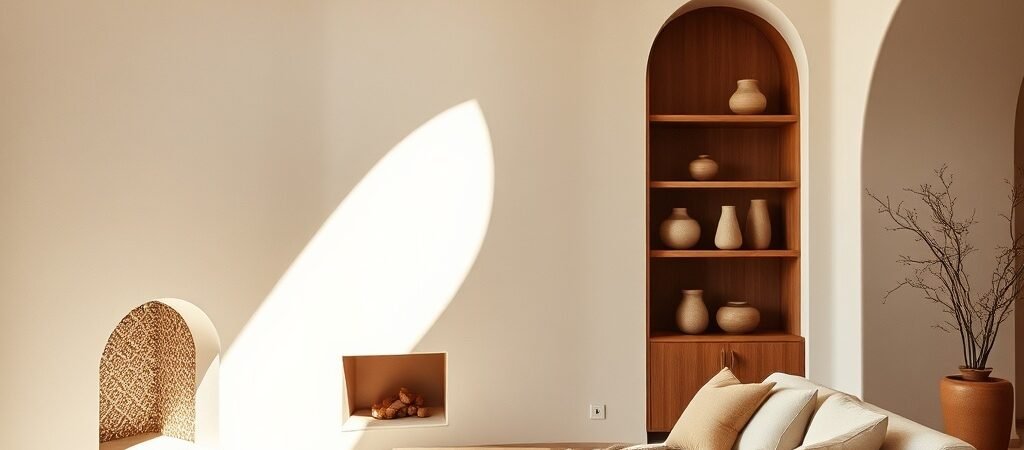
Moroccan home decor trends 2026 mark a significant departure from the heavily ornamented “Moroccan boho” style that dominated the past decade. The focus has shifted toward authenticity, sustainability, and architectural integration, where traditional craft techniques are used to create calm, contemporary sanctuaries rather than souk-style showrooms. This evolution prioritizes genuine craftsmanship and regional provenance over mass-produced imitations, making the trend more about how a space feels than how it looks.
Key Takeaways
- Authenticity over imitation: The 2026 trend prioritizes genuine craftsmanship and regional provenance over mass-produced “Moroccan-style” goods.
- Warm minimalism: The look is evolving toward a pared-back aesthetic that uses Moroccan elements as accent pieces against neutral, tactile backgrounds.
- Sustainable materials: There is a strong focus on natural, renewable materials like clay plaster, tadelakt, and sustainably sourced wood.
- Functional artistry: Decorative items are increasingly designed to be functional—lighting, storage, and furniture that tell a story.
- Color palette shift: The palette is moving away from bold jewel tones toward earthy, sun-bleached tones and monochromatic textures.
The Complete Answer: What Defines Moroccan Home Decor Trends in 2026?
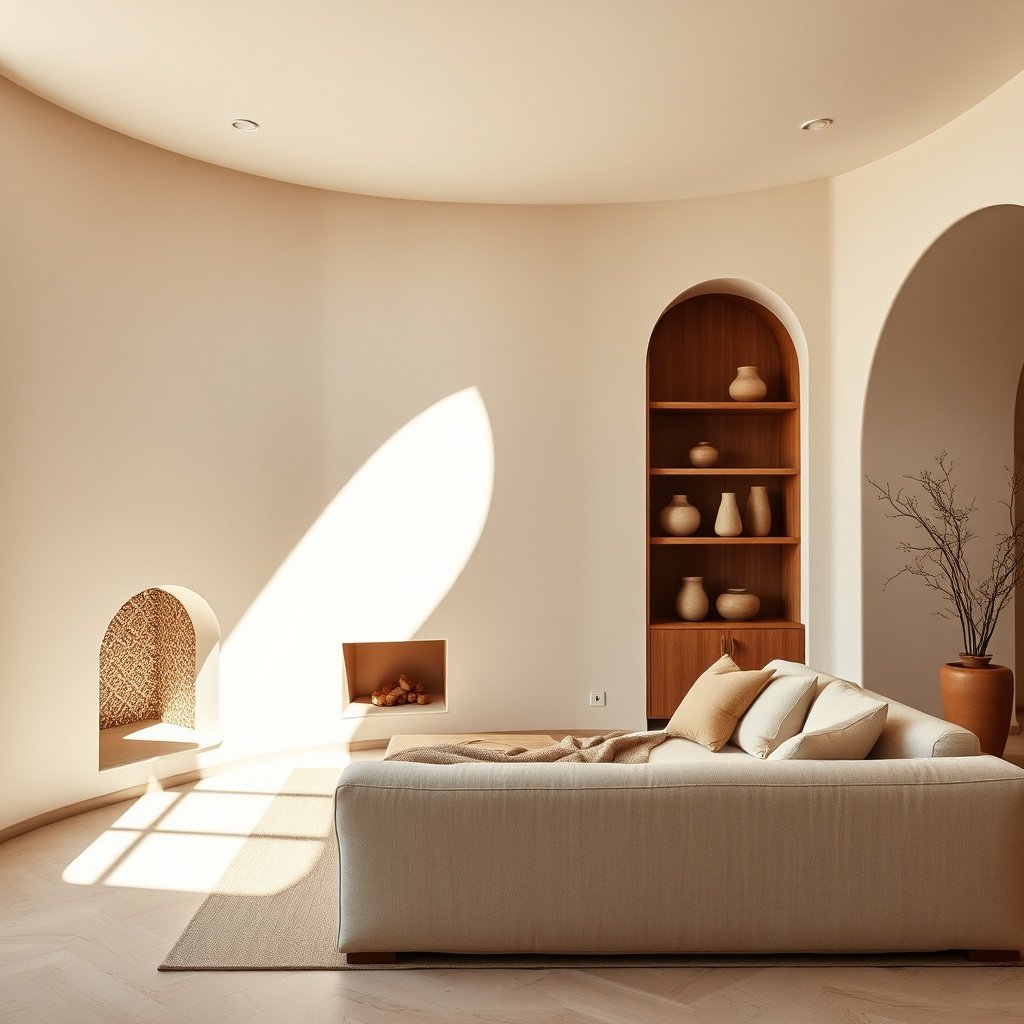
A tranquil, architecturally integrated room highlighting sustainable clay finishes, earthy textures, and refined North African design principles.
Moroccan home decor trends 2026 are defined by a synthesis of traditional Moroccan craft techniques with modern architectural principles. This is not about layering decorative objects; it is about using materials like tadelakt, zellige, and handwoven textiles to create spaces that are both functional and deeply connected to North African heritage.
Quick Answer: The 2026 Moroccan interior trend is a refined, architectural aesthetic that uses authentic craft materials—clay plaster, hand-cut tile, and artisan textiles—as foundational elements in minimalist, functional spaces, rather than as surface-level decoration.
The Five Pillars of the 2026 Moroccan Aesthetic
Pillar 1: Architectural Terracotta and Clay Moving beyond paint, the 2026 trend embraces textured wall finishes. Tadelakt and clay plaster are applied to create walls that have depth, movement, and a subtle sheen, turning the architecture itself into the primary feature.
Pillar 2: The New Zellige Geometric tilework is no longer confined to backsplashes. Modern zellige tile applications include countertops, furniture inlays, and even entire feature walls. The appeal lies in the “imperfect” glaze, where each hand-cut tile catches the light differently, adding character and a sense of the handmade.
Pillar 3: Sculptural Lighting The pierced metal lantern has evolved into a sculptural art form. Contemporary interpretations range from minimalist brass pendants with intricate cutouts to glass fixtures that diffuse light in a warm, atmospheric glow. These pieces are designed to be focal points, not just sources of illumination.
Pillar 4: Berber Textiles as Art Contemporary berber rug designs are moving away from dense, intricate patterns toward abstract, geometric forms. Handwoven rugs and pillows are treated as statement pieces, often featuring a single bold motif or a monochromatic texture that adds warmth and softness to a modern room.
Pillar 5: Indoor-Outdoor Living The design principles of the Moroccan courtyard are being applied to modern homes. Courtyard living room layouts that blur the line between interior and exterior are increasingly popular, using large sliding doors, covered patios, and consistent flooring to create a seamless flow.
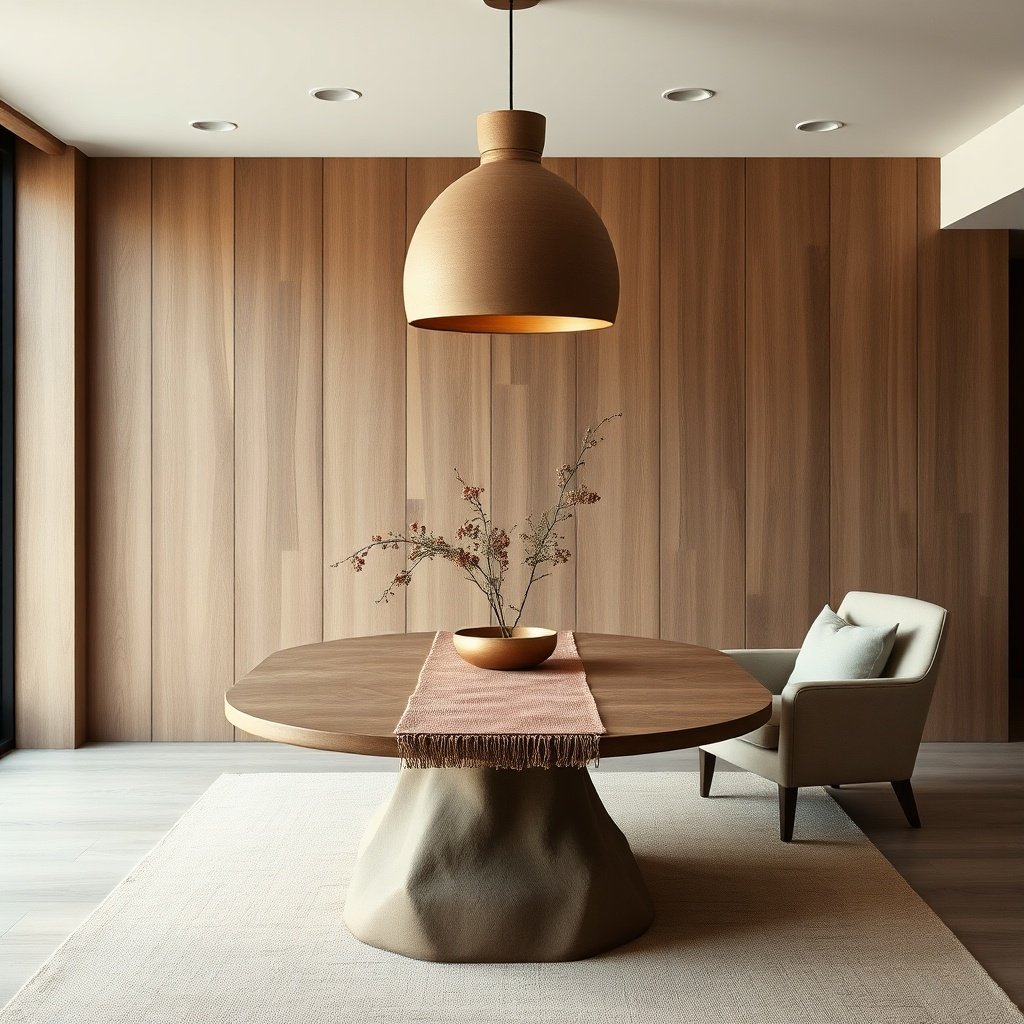
A thoughtfully curated space blending artisan craftsmanship, natural materials, and practical storytelling through refined interior design.
The 2026 Moroccan Color Palette: From Souk to Sanctuary
The color scheme for Moroccan-inspired interiors in 2026 is about creating a sense of calm and spaciousness. The vibrant reds and deep blues of the past are being replaced by a north african earthy color scheme inspired by sun-dried clay, sand, and weathered stone.
The Rise of “Sun-Bleached” Neutrals
Warm neutral palettes moroccan interiors are now built on tones like ivory, sand, and warm beige. These sun-bleached neutrals act as a quiet backdrop, allowing the texture of the walls and the craftsmanship of the furniture to take center stage. This shift creates an atmosphere of serenity, making rooms feel larger and more open.
The Return of Majorelle Blue as an Accent
Majorelle Blue—the iconic shade made famous by the Jardin Majorelle in Marrakech—has returned, but with a restrained approach. In 2026, it is used sparingly as a single accent: a painted door, a focal wall, or a piece of upholstered furniture. When used against a backdrop of warm neutrals, this vibrant blue creates a striking, intentional contrast without overwhelming the space.
Quick Answer: The 2026 Moroccan color palette is defined by earthy, sun-bleached neutrals like sand and clay, with vibrant accents like Majorelle Blue used sparingly to create focal points.
Incorporating Terracotta and Earth Tones
Layering terracotta, ochre, and umber is a key strategy for adding depth and warmth to a modern Moroccan space. These tones can be introduced through floor tiles, pottery, or even a painted feature wall. Pairing them with natural wood and linen creates a rich, tactile environment that feels both grounded and sophisticated.
The Artisan Revival: Celebrating Handmade Craftsmanship
There is a growing consumer preference for handcrafted items and the stories behind them. This artisan revival is central to Moroccan home decor trends 2026, as people move away from mass-produced goods in favor of pieces with provenance and cultural significance.
The Zellige Tile Renaissance
The modern zellige renaissance is all about celebrating the imperfections of hand-cut, hand-glazed tiles. Each tile is unique, with variations in color and texture that create a dynamic surface. This “imperfect” glaze is prized for its ability to add character and a sense of human touch to a space, making it a perfect counterpoint to sleek, modern materials.
Tadelakt and Clay Plaster Walls
Tadelakt is a traditional Moroccan lime plaster technique that produces a smooth, waterproof, and slightly undulating surface. Beyond its aesthetic depth, tadelakt plaster walls interiors offer practical benefits, including natural humidity control and durability. It provides a far richer visual texture than conventional plaster or flat paint.
| Feature | Conventional Plaster/Paint | Tadelakt |
|---|---|---|
| Texture | Flat, uniform, and smooth | Undulating, soft, and stone-like |
| Finish | Matte or glossy | Satin, with a subtle sheen from soap polishing |
| Durability | Prone to cracking and chipping | Highly durable and water-resistant |
| Maintenance | Easy to touch up with paint | Requires occasional re-soaping to maintain finish |
| Aesthetic | Uniform, mass-produced look | Unique, handmade, and architectural |
Modern Applications of Traditional Woodwork
Carved wood, cedar, and thuya are being used in contemporary furniture and architectural details with a focus on cleaner, more geometric lines. The move is away from ornate, heavy pieces and toward streamlined forms that highlight the natural beauty of the wood grain. This sustainable moroccan furniture materials approach ensures the pieces remain relevant in a modern home.
Beyond the Souk: New Materials and Textures for 2026
The 2026 aesthetic goes beyond the traditional “souk” look by introducing new materials and textures that define a more contemporary style.
The Fusion of Moroccan and Modern Minimalism
Balancing ornate Moroccan pieces with sleek, modern furniture is the essence of the minimalist ornamental fusion style. The key is a “less is more” approach: use a single, high-quality Moroccan piece—like a sculptural lamp or a handwoven rug—as the hero of a room, and let the rest of the space remain clean and uncluttered. This creates a dialogue between the ornate and the minimal.
Sustainable and Ethical Material Sourcing
Tracing the origin of materials is becoming a priority. Consumers are increasingly interested in knowing where their wool, wood, and clay come from and who made the final product. This focus on ethical home decor sourcing supports traditional artisans and ensures that the materials used are renewable and responsibly harvested.
Incorporating Natural Fibers (Hemp, Palm, and Cactus Silk)
Woven textures are playing a crucial role in adding warmth and acoustic dampening to modern spaces. Natural fibers like hemp, palm, and cactus silk are replacing synthetic alternatives in home textiles. These materials not only bring a tactile quality to a room but also contribute to a healthier indoor environment.
How to Create a Modern Moroccan Space: A Step-by-Step Guide
Applying the 2026 trend requires a thoughtful, layered approach. Here is a practical guide to creating a modern Moroccan-inspired space.
Step 1: Start with the Architecture
Begin with the foundational layer. Treat the walls with tadelakt or limewash to create a textured, earthy backdrop. For flooring, consider terracotta tiles or micro-cement to establish a warm, natural base. This architectural foundation sets the tone for the entire space.
Step 2: Select a Hero Piece
Choose one iconic item to anchor the room. This could be a large, contemporary berber rug, a sculptural brass pendant lamp, or a stunning zellige-tiled feature wall. This hero piece will define the style and serve as the focal point around which you build the rest of the design.
Step 3: Layer in Textures and Textiles
Mix different fabrics to create depth without adding clutter. Combine smooth linen cushions with chunky wool throws and soft silk accents. The goal is to create a tactile experience that feels comfortable and inviting, adding warmth to the architectural elements.
Step 4: Integrate Lighting for Atmosphere
Lighting is essential for mimicking the warm glow of a Moroccan evening. Use layered lighting—ambient, task, and accent—to create a dynamic atmosphere. Combine a main overhead light with sculptural table lamps and accent lighting that highlights the texture of the walls and the artisan brass and copper accents.
Step 5: Style with Intention, Not Accessories
Finish by curating a few meaningful objects rather than filling shelves with trinkets. Choose a small number of pieces that hold personal significance or tell a story, such as a handcrafted ceramic vase or a vintage metal tray. This intentional approach prevents the space from feeling cluttered and keeps the focus on the craftsmanship.
Comparison: Traditional Moroccan Style vs. 2026 Moroccan-Inspired Modern
To understand the evolution, it helps to see the key differences side by side.
| Feature | Traditional Moroccan Style (Pre-2020) | 2026 Moroccan-Inspired Modern |
|---|---|---|
| Color Palette | Vibrant, saturated jewel tones (red, green, yellow) | Earthy, sun-bleached neutrals with a single accent color |
| Furniture | Low seating, heavily carved wood, ornate details | Clean-lined, functional furniture with subtle Moroccan accents |
| Wall Treatment | Painted plaster or bright paint colors | Textured clay plaster (tadelakt) or limewash in muted tones |
| Textiles | Pattern-heavy, intricate geometric designs | Abstract, handwoven Berber designs used as statement pieces |
| Overall Feel | Ornate, maximalist, and layered | Minimalist, calm, and architectural |
| Key Materials | Brass, heavy textiles, painted ceramics | Clay, sustainably sourced wood, natural fibers (hemp, cactus silk) |
Frequently Asked Questions (FAQ)
What is the main difference between traditional Moroccan decor and the 2026 trend? The main difference is the approach. Traditional Moroccan decor is maximalist, using ornate furniture and vibrant colors. The 2026 trend is minimalist and architectural, using authentic materials like tadelakt and zellige as foundational elements in a calm, neutral space.
What colors are trending for Moroccan-inspired interiors in 2026? The trending colors are earthy, sun-bleached neutrals like sand, clay, and warm beige. Vibrant colors like Majorelle Blue are used sparingly as accents to create a focal point.
Is the 2026 Moroccan style suitable for small apartments? Yes, the 2026 style is particularly well-suited for small apartments. Its focus on warm neutrals and minimal clutter makes spaces feel larger and more open. Using a single statement piece, like a rug or a lamp, can add character without overwhelming a compact room.
How can I incorporate Moroccan elements without making my home look like a souk? Focus on materials and textures rather than decorative objects. Use tadelakt on a feature wall, choose a contemporary berber rug, and invest in one sculptural lighting piece. Keep the rest of the furniture clean and modern.
What are the most sustainable Moroccan materials to look for in 2026? Look for natural, renewable materials such as clay plaster (tadelakt), sustainably sourced wood like cedar and thuya, and natural fibers like hemp, palm, and cactus silk. Prioritizing these materials supports traditional artisans and reduces environmental impact.
Conclusion: The Future of Moroccan-Inspired Living
Moroccan home decor trends 2026 represent a profound shift from decoration to architecture, from vibrant to earthy, and from imitation to authenticity. This new aesthetic is not about recreating a past era but about creating a sanctuary of calm and warmth through meaningful craftsmanship and sustainable choices. The focus is on building a home that feels grounded, intentional, and deeply connected to the rich heritage of North Africa.
The best way to begin is to start small. Choose one authentic element—a handwoven rug, a tadelakt feature wall, or a sculptural brass lamp—and build your space around it. This single, meaningful choice will set the tone for a home that is both modern and timeless.