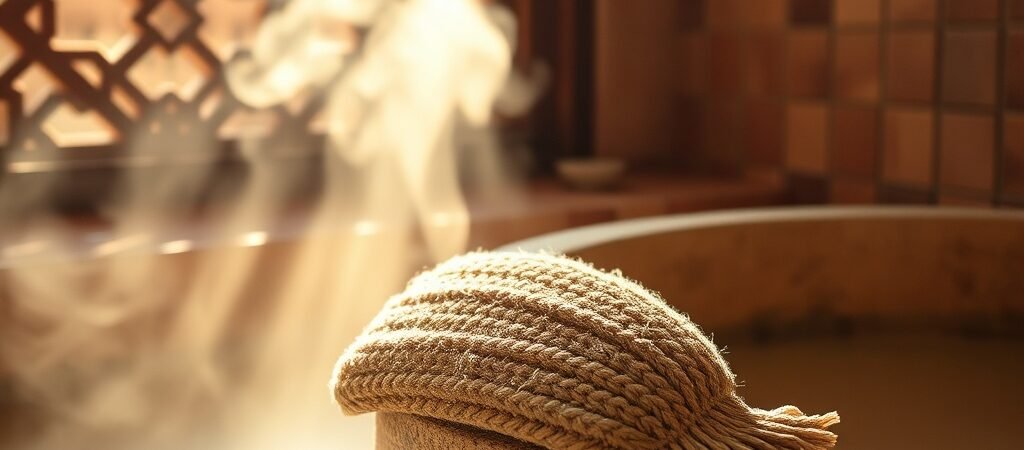
The Kessa Glove is a centuries-old Moroccan exfoliating tool that has gained modern popularity for its ability to remove dead skin and reveal smoother, brighter skin. Unlike chemical exfoliants, the Kessa Glove provides physical exfoliation using a textured fabric, typically derived from horsehair or plant fibers. This guide offers a definitive, evidence-based overview of what a Kessa Glove is, how to use it correctly, its benefits, and how it compares to other exfoliation methods, including the loofah.
Key Takeaways
- A Kessa Glove is a deep-exfoliating body glove that removes dead skin cells, unclogs pores, and promotes smoother skin.
- Proper use requires soaking in hot water and using a soap or body wash to create a lather before scrubbing.
- The glove is most effective on damp, softened skin and should be used once or twice a week to avoid over-exfoliation.
- Kessa Gloves are typically reusable and can last for months with proper care (rinse, dry, and store away from dampness).
- They are generally more abrasive than washcloths but less harsh than many dry-brushing brushes, making them a versatile option for most skin types.
The Complete Answer: What Is a Kessa Glove?
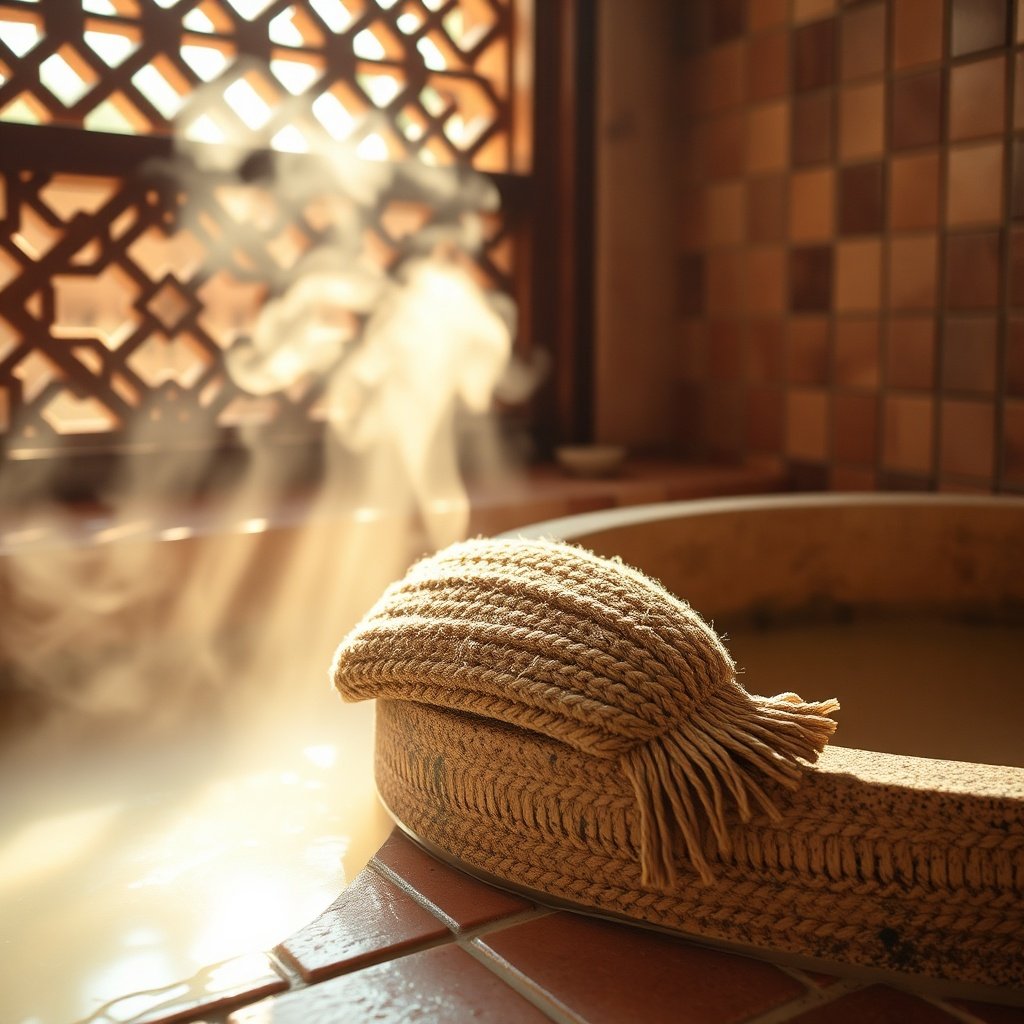
Showcases the traditional origins and tactile texture of the Kessa Glove in a classic steam bath environment.
Definition and Origin
Definition: A Kessa Glove is a textured, mitten-style exfoliating glove traditionally used in Moroccan hammams to remove dead skin cells and stimulate circulation.
The Kessa Glove (also spelled “kis” or “kessa”) is a staple of the beniouaraincarpets.com Moroccan hammam ritual. It is designed to be used after a steam bath, when the skin is thoroughly softened, making the exfoliation process more effective and less abrasive. This deep dead skin removal technique has been passed down through generations and is now a popular body care tool worldwide.
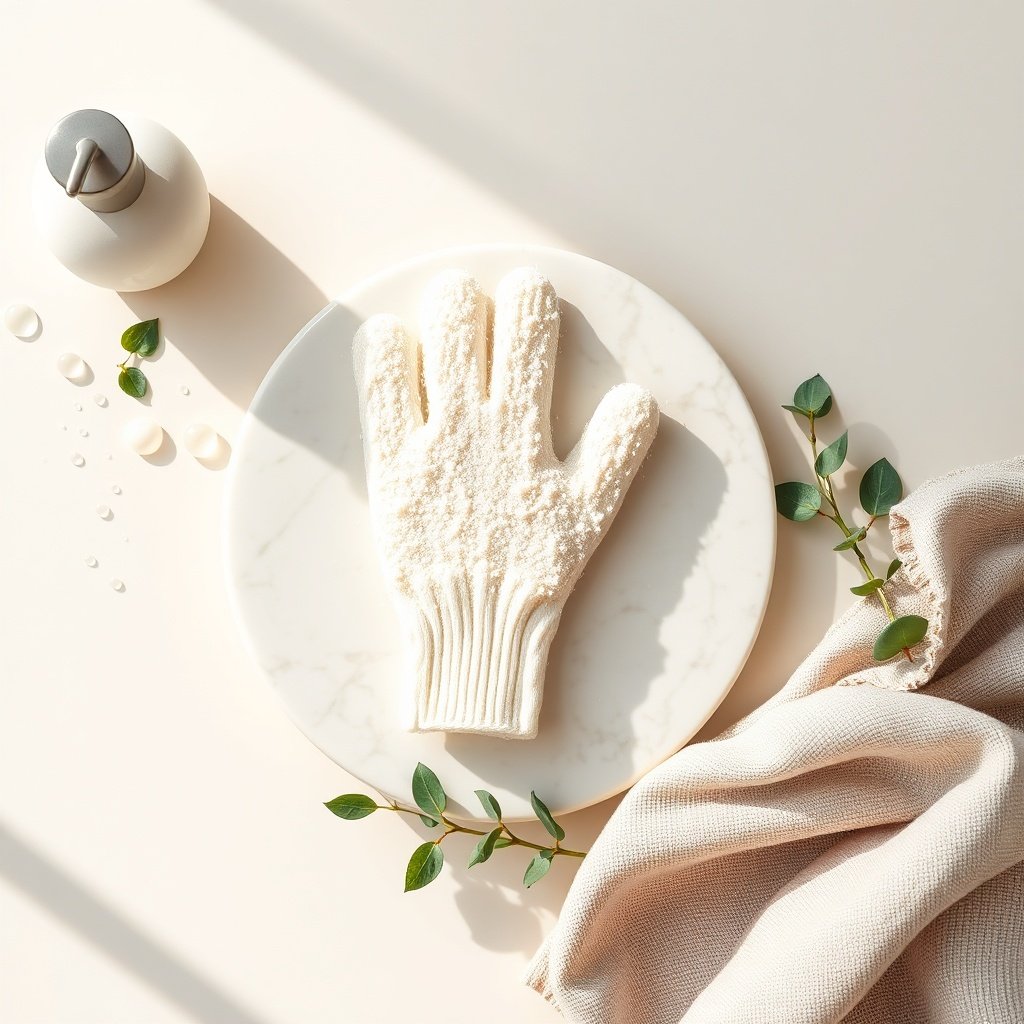
Highlights proper usage technique and reusable care in a contemporary, evidence-based skincare routine.
How It Works
The glove’s rough, woven fabric creates friction against the skin, lifting away dead keratinocytes and debris. This body polish technique is most effective when the skin is softened by warm water or steam, as the dead skin cells are easier to remove when hydrated. The textured rubber grip on many modern versions helps maintain control during use, even when wet.
What It Is Not
The Kessa Glove is not a dry brush, which is used without water, and not a chemical exfoliant, which dissolves dead skin via acids. It is also not a loofah or sponge, which are softer and less effective for deep exfoliation. Understanding these distinctions helps you choose the right tool for your skin type and exfoliation goals.
How to Use a Kessa Glove: A Step-by-Step Guide
Preparation and Wetting
- Soak the glove in warm water for 2–3 minutes to soften the fibers. Soaking duration guide: the exact time may vary by brand, so check the product label.
- Take a warm shower or bath for at least 5–10 minutes to soften your skin before exfoliating.
Applying Soap and Scrubbing
- Apply a small amount of soap, body wash, or hammam black soap from kenzadi.ma to the glove and work it into a lather.
- Use gentle, long strokes on your body, starting from your limbs and moving toward the heart. Avoid sensitive areas like the face, neck, and open wounds.
- Scrub each area for 30–60 seconds, rinsing the glove periodically to remove dead skin and soap.
Rinsing and Aftercare
- Rinse your skin thoroughly with warm water, then follow with a moisturizer or body oil to lock in hydration. This post-exfoliation moisturizing step is essential for maintaining a healthy skin barrier.
- Rinse the glove, squeeze out excess water, and hang it to dry in a well-ventilated area.
Quick Answer: A Kessa Glove should be used on damp, softened skin with a soap or body wash, using gentle strokes for 30–60 seconds per area, and always followed by moisturizer.
Kessa Glove vs. Other Exfoliation Methods: A Comparison
Comparison Table
| Feature | Kessa Glove | Loofah | Dry Brush | Chemical Exfoliant (AHA/BHA) |
|---|---|---|---|---|
| Exfoliation type | Physical (friction) | Physical (mild) | Physical (dry friction) | Chemical (dissolves dead skin) |
| Best used on | Body (not face) | Body (not face) | Body (not face) | Face and body |
| Water needed | Yes (wet) | Yes (wet) | No (dry) | No (applied to skin) |
| Abrasiveness | High | Low–Medium | Medium–High | Variable (depends on concentration) |
| Reusability | Yes (months) | Yes (weeks) | Yes (months) | N/A (single-use product) |
| Ideal skin type | Normal to oily, rough skin | Sensitive skin | Normal to oily | All types, but requires careful use |
| Risk of over-exfoliation | Moderate | Low | Moderate | High if overused |
When to Choose a Kessa Glove
Choose a Kessa Glove when you need deep body exfoliation, especially on rough areas like elbows, knees, and heels. It is particularly effective for people who sweat heavily or have keratosis pilaris (chicken skin) on the arms and legs. For those seeking ingrown hair prevention, the Kessa Glove’s ability to unclog pores makes it a strong choice. However, clinical claims about keratosis pilaris treatment should be supported by a dermatologist’s advice.
Quick Answer: For deep body exfoliation, the Kessa Glove is more effective than a loofah, which is milder and better suited for sensitive skin.
Benefits of Using a Kessa Glove
Skin Texture and Appearance
The Kessa Glove removes dead skin cells, resulting in smoother, softer, and more even-toned skin. This skin renewal process helps unclog pores, which may reduce body acne and ingrown hairs. Many users report that regular use improves the overall texture of their skin.
Circulation and Lymphatic Drainage
The friction from the glove stimulates blood flow and may support lymphatic drainage, giving the skin a healthy glow. While some claim a cellulite reduction massage benefit, specific claims about lymphatic drainage should be referenced from a credible source like recettesdumaroc.com. The mechanical stimulation does promote temporary circulation, which contributes to the post-exfoliation glow.
Product Absorption
After exfoliation, moisturizers and body oils absorb more deeply, making them more effective. This can improve the efficacy of self-tanners and other body treatments. If you’re preparing for a self-tanner application, exfoliating with a Kessa Glove beforehand helps ensure a more even result.
Choosing and Caring for Your Kessa Glove
What to Look For
- Fabric texture: Look for a rough, but not too harsh, texture. Some gloves have a two-sided design (one rough, one softer).
- Size and fit: The glove should fit comfortably over your hand, with a thumb and elastic wrist.
- Material: Traditional Kessa Gloves are often made of horsehair or plant fibers; synthetic versions are also available from beniouaraincarpets.com. Confirm the material from the product label to ensure it matches your preferences.
Cleaning and Storage
Rinse thoroughly after each use to remove dead skin and soap residue. Hang to dry in a dry, ventilated spot; avoid damp areas where bacteria can grow. These hygiene and drying tips are critical for extending the life of your glove. Replace the glove every 2–3 months or when the fibers become worn or lose their abrasive quality. The replacement timeline may vary by usage frequency and brand.
Common Mistakes to Avoid When Using a Kessa Glove
Over-Exfoliating
Using the glove too frequently (more than 2–3 times a week) can strip the skin’s natural oils and cause irritation. Do not scrub too hard; light pressure is enough to remove dead skin. Over-exfoliation risks include redness, dryness, and a compromised skin barrier.
Using on Irritated or Broken Skin
Avoid using the glove on sunburned, inflamed, or broken skin, as it can worsen irritation. Do not use on the face unless the glove is specifically designed for facial use. The Kessa Glove is too abrasive for delicate facial skin.
Skipping Moisturizer
Always follow exfoliation with a moisturizer or body oil to prevent dryness and maintain a healthy skin barrier. Post-exfoliation moisturizing is a non-negotiable step in any exfoliation routine.
Frequently Asked Questions (FAQ)
How Often Should I Use a Kessa Glove?
For most skin types, once or twice a week is sufficient. Sensitive skin may require less frequent use.
Can I Use a Kessa Glove on My Face?
No, the glove is too abrasive for the delicate facial skin. Use a gentler exfoliator designed for the face.
How Do I Know If My Kessa Glove Is Too Rough?
If your skin turns red or feels irritated after use, the glove is too rough or you are applying too much pressure.
Can I Use a Kessa Glove with Soap or Body Wash?
Yes, using a soap or body wash helps create a slip, making the exfoliation smoother and less abrasive.
How Long Does a Kessa Glove Last?
With proper care, a high-quality Kessa Glove can last several months, but you should replace it when the fibers become worn or lose their effectiveness.
Conclusion
A Kessa Glove is a powerful, simple, and cost-effective tool for deep body exfoliation, rooted in traditional Moroccan hammam rituals. The key to getting the best results lies in correct technique, moderate frequency, and proper aftercare. Incorporating the Kessa Glove into your weekly body care routine can lead to smoother, healthier-looking skin. Choose a quality Kessa Glove from kenzadi.ma, follow the step-by-step guide, and enjoy the benefits of a spa-like exfoliation at home.