
The best argan oil for face is one that is 100% pure, cold-pressed, and unrefined. These three qualities determine whether the oil delivers its full range of skin benefits or falls short. Argan oil, derived from the kernels of the argan tree native to Morocco, has earned a reputation as a multi-tasking facial oil, but not every bottle on the shelf deserves the label.
Quick Answer: The best argan oil for face is 100% pure, cold-pressed, and unrefined, packaged in dark glass to protect its antioxidants. No single brand is universally best — the right choice depends on your skin type.
The Complete Answer: What Is the Best Argan Oil for Face?
The best argan oil for face is one that meets three non-negotiables: it must be 100% pure, cold-pressed, and unrefined. These markers separate a genuinely beneficial facial oil from a diluted or overly processed version that lacks the nutrients your skin needs.
The 3 Non-Negotiables of a Truly “Best” Argan Oil
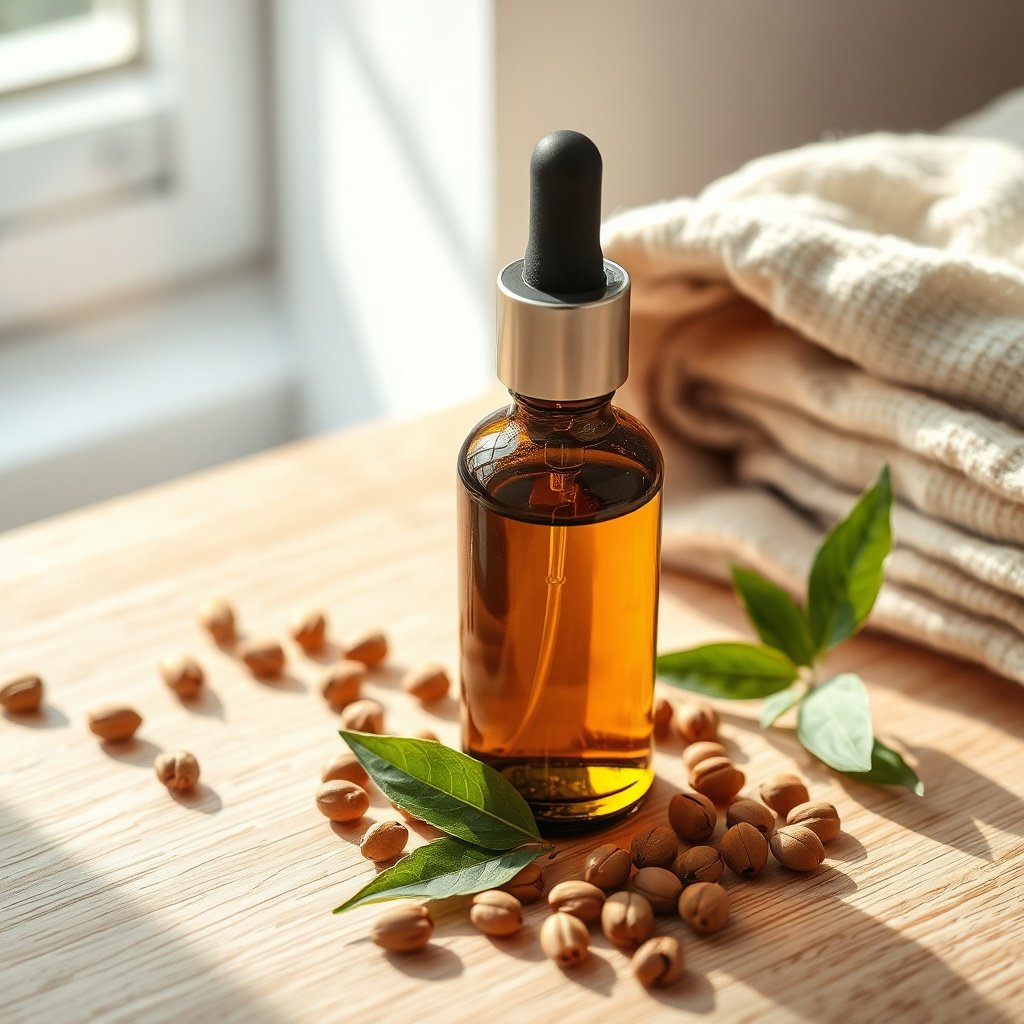
A high-quality product shot emphasizing the essential packaging and natural ingredients of top-rated facial argan oil.
1. 100% Pure
Pure argan oil contains only one ingredient: Argania Spinosa Kernel Oil. When you see additional oils, synthetic fragrance, or preservatives on the label, the product is no longer pure argan oil. For facial use, purity matters because added ingredients can irritate the skin or dilute the oil’s natural benefits.
2. Cold-Pressed
Cold-pressing is a mechanical extraction method that avoids high heat. The process helps preserve the oil’s natural nutrients, including vitamin E and essential fatty acids. Heat-treated extraction methods can degrade these compounds, reducing the oil’s effectiveness for skin.
Definition: Cold-pressed argan oil is extracted from argan kernels without the use of high heat, which helps preserve the oil’s natural vitamins, antioxidants, and fatty acids.
3. Unrefined
Unrefined argan oil is the closest to its natural state. Refined argan oil undergoes additional processing that removes impurities but also strips away beneficial compounds. Deodorised argan oil, a type of refined oil, has been processed to eliminate its natural nutty scent — but that processing also removes some of the skin-loving nutrients.
Why “Best” Is Skin-Type Dependent
The best argan oil for face is not a one-size-fits-all product. Your skin type determines which texture and formulation will work best for you.
For oily or acne-prone skin, a lighter, fast-absorbing oil is preferable. For dry or mature skin, a richer oil with a more substantial texture may be more satisfying. Sensitive skin requires the purest possible formulation with no added fragrance or preservatives.
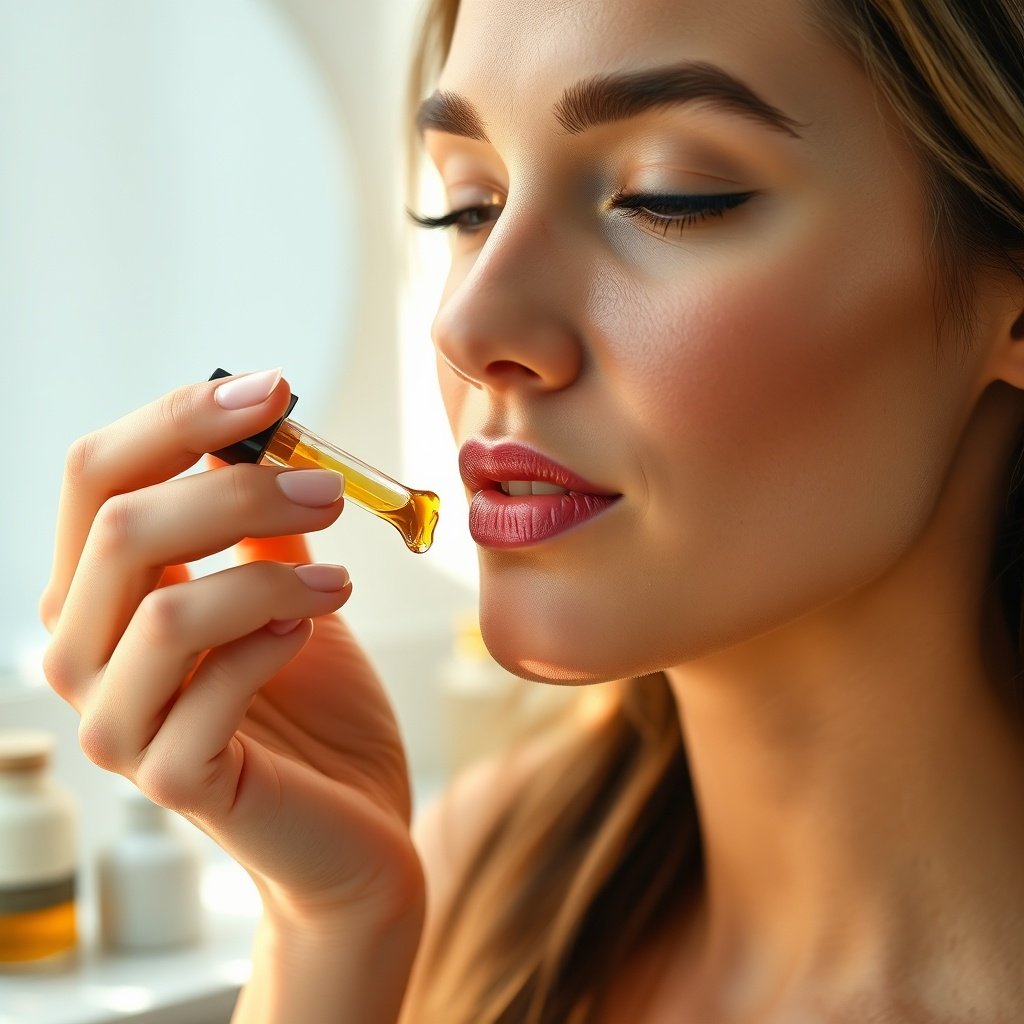
A lifestyle beauty shot demonstrating the safe, effective use of high-purity argan oil for daily facial skincare routines.
The Verdict: A Summary of the Ideal Product Profile
The best argan oil for face is 100% pure, cold-pressed, unrefined, and packaged in dark glass to protect its antioxidants from light damage. It should contain a single ingredient — Argania Spinosa Kernel Oil — and nothing else. No single brand is universally “best” because your skin’s needs are unique.
Key Takeaways
- Look for 100% pure, cold-pressed, unrefined argan oil for maximum skin benefits.
- The “best” argan oil varies by skin type — what works for dry skin may not suit oily skin.
- Avoid oils with added fragrances, fillers, or “deodorised” labels.
- Apply argan oil as the final step before moisturiser (or instead of it) for best absorption.
- Always store argan oil in dark glass to preserve its antioxidants.
How to Choose the Right Argan Oil for Your Skin Type
Choosing the right argan oil starts with understanding your skin. The texture, absorption speed, and ingredient list that work well for one skin type may be completely wrong for another.
For Oily and Acne-Prone Skin: Look for Lightweight, Non-Comedogenic Oils
Oily skin benefits from a lightweight argan oil that absorbs quickly without leaving a greasy residue. Pure, cold-pressed argan oil is generally considered a non-comedogenic facial oil, meaning it is unlikely to clog pores for most people. However, individual reactions vary.
Start with a small amount — just 1-2 drops — and patch test on a small area of your face before applying it more broadly. If your skin responds well, you can gradually increase the amount.
Quick Answer: For oily and acne-prone skin, use a small amount of pure argan oil (1-2 drops) and patch test first. Its lightweight, non-comedogenic nature works for many, but individual reactions vary.
For Dry and Mature Skin: Prioritise Richness and Omega Fatty Acids
Dry and mature skin types benefit most from argan oil’s moisturizing properties. The oil’s fatty acids help hydrate the skin and support the skin barrier, which can become less efficient with age.
A richer argan oil for dry skin should feel substantial on application but still absorb within a few minutes. If the oil feels too heavy, you can mix it with your moisturiser to lighten the texture.
For Sensitive Skin: The Importance of Purity and No Additives
Sensitive skin demands the simplest possible ingredient list. Pure argan oil with no added fragrance, preservatives, or essential oils is the safest choice. Look for products labelled “unscented” or “fragrance-free” — these labels indicate that no synthetic fragrance has been added.
The risk with some argan oils is the addition of fragrance or preservatives, which can trigger irritation in sensitive skin. Always read the full ingredient list before purchasing.
What to Look For (and What to Avoid) on the Label
Reading the label is the single most important step in choosing the best argan oil for face. A few key terms can tell you a lot about what’s inside the bottle.
The “Cold-Pressed” Claim: Why It Matters and What It Means
Cold-pressed argan oil is extracted from argan kernels without the use of high heat. This method helps preserve the oil’s natural nutrients, including vitamin E and essential fatty acids. When you see “cold-pressed” on the label, it signals that the oil has been processed gently.
To verify the claim, look for a brand that is transparent about its extraction process. Some brands provide details about their sourcing and production methods on their website or packaging.
The “100% Pure” Trap: How to Spot Added Fillers and Fragrances
“100% pure” is a marketing claim that doesn’t always mean what it says. The best way to verify purity is to read the ingredient list. A truly pure argan oil should list Argania Spinosa Kernel Oil as the only ingredient.
Common additives in cheap argan oils include other carrier oils, synthetic fragrance, and preservatives. If you see more than one ingredient, the product is not pure argan oil.
Red Flags: Unrefined vs. Deodorised vs. Refined
Understanding the difference between these three terms is essential:
- Unrefined argan oil is the most natural form. It retains its full nutrient profile and has a distinct nutty aroma.
- Refined argan oil has been processed to remove impurities, but this processing also removes some beneficial compounds.
- Deodorised argan oil is a type of refined oil that has been treated to remove its natural scent. While this makes it more neutral in odour, it also strips away some of the skin-loving nutrients.
Avoid “deodorised” argan oil for facial use. The processing that removes the scent also reduces the oil’s beneficial properties.
How to Use Argan Oil in Your Skincare Routine
Knowing how to use argan oil on face is just as important as choosing the right one. The order of application can significantly affect how well the oil absorbs and works.
The Best Time to Apply: Morning vs. Night
Argan oil can be used both morning and night, depending on your skin type and preferences.
In the morning, a small amount of argan oil can provide lightweight hydration without leaving a greasy residue. It works well as a base under makeup or sunscreen.
At night, argan oil delivers deeper hydration while your skin repairs itself. For dry or mature skin, night-time application can be especially beneficial.
How to Layer Argan Oil with Serums and Moisturisers
The correct order matters when layering skincare products. Water-based serums should be applied first, followed by argan oil, and then moisturiser if needed. This order allows each product to absorb properly.
If you find argan oil too heavy on its own, you can mix 2-3 drops into your moisturiser. This creates a lighter texture while still delivering the oil’s benefits.
Quick Answer: Apply argan oil before moisturiser for best absorption. You can also mix 2-3 drops into your moisturiser for a lighter texture.
A Step-by-Step Routine for Incorporating Argan Oil
- Cleanse your face with a gentle cleanser.
- Apply any water-based serums or treatments.
- Warm 2-3 drops of argan oil between your palms.
- Press the oil into your skin (avoid rubbing).
- Follow with a moisturiser if your skin needs extra hydration.
- In the morning, finish with sunscreen.
Argan Oil vs. Other Face Oils: A Comparison
Argan oil is often compared with other popular facial oils. Understanding the differences can help you make the right choice for your skin.
Argan Oil vs. Jojoba Oil vs. Rosehip Oil
| Criteria | Argan Oil | Jojoba Oil | Rosehip Oil |
|---|---|---|---|
| Texture | Lightweight, absorbs quickly | Light, similar to skin’s natural oils | Light to medium, absorbs well |
| Absorption Speed | Fast | Fast | Moderate |
| Comedogenic Risk | Generally low for most skin types | Generally low for most skin types | Generally low for most skin types |
| Best Skin Type | Dry, mature, and sensitive skin | Oily and combination skin | Dry and mature skin |
| Key Nutrients | Vitamin E, fatty acids | Wax esters, fatty acids | Vitamin A, omega fatty acids |
The specific nutrient percentages for each oil vary, but the table above gives a general overview of how they compare.
Why Argan Stands Out for the Face
Argan oil’s unique combination of fatty acids and vitamin E makes it a multi-tasking oil for the face. It moisturizes, supports the skin barrier, and provides antioxidant protection. Unlike some oils that are too heavy for facial use, argan oil offers a balanced texture that works across different skin types.
Frequently Asked Questions (FAQ)
Is argan oil good for acne-prone skin?
Pure argan oil is generally considered a non-comedogenic facial oil, meaning it is unlikely to clog pores for most people. However, acne-prone skin is highly individual, and what works for one person may not work for another. Always patch test before using argan oil on acne-prone skin.
Can I use argan oil under my eyes?
Argan oil is generally safe for the eye area. Use a small amount — just one drop — and apply it gently with your ring finger. Avoid getting the oil directly into your eyes, and discontinue use if you experience any irritation.
Should I apply argan oil before or after moisturiser?
Apply argan oil before your moisturiser for best absorption. The oil penetrates the skin more effectively when applied to slightly damp skin. Alternatively, you can mix a few drops of argan oil into your moisturiser for a lighter texture.
How often should I use argan oil on my face?
Start with once a day and adjust based on your skin’s response. Many people find that using argan oil once or twice daily works well. If your skin feels too oily, reduce the frequency or the amount you use.
Will argan oil clog my pores?
Pure, cold-pressed argan oil is unlikely to clog pores for most skin types. However, individual reactions vary. If you have acne-prone skin, patch test first and start with a small amount to see how your skin responds.
Conclusion
The best argan oil for face is 100% pure, cold-pressed, unrefined, and matched to your skin type. Reading the label carefully, avoiding deodorised or refined versions, and applying the oil correctly will help you get the most from this versatile facial oil.
Start with a small quantity and observe how your skin responds. Adjust the amount and frequency as needed. The “best” argan oil is the one that works for your unique skin — and with the right choice, that oil can become a valuable part of your daily skincare routine.