Moroccan rose water has been a beauty staple for centuries, and its versatility explains why it remains a favorite in modern skincare. From a gentle daily toner to a makeup setting spray, the uses of Moroccan rose water for skin are wide-ranging and practical. The key distinction is authenticity: authentic Moroccan rose water is a steam-distilled hydrosol made from Rosa damascena petals, while generic rose water often contains added alcohol, synthetic fragrance, or is simply a diluted perfume. This guide covers how to use it from toner to makeup, who it suits, and how to choose a genuine product.
Quick Answer: Moroccan rose water is a multi-purpose hydrosol that can be used as a toner, a makeup setting spray, a makeup remover, and a base for DIY skincare blends. Authentic versions are steam-distilled from Rosa damascena and contain no added alcohol or synthetic fragrance.
Key Takeaways
- Moroccan rose water works as a toner, makeup setting spray, and makeup remover in a single bottle.
- Its natural pH-balancing and anti-inflammatory properties make it suitable for most skin types, including sensitive skin.
- Authentic Moroccan rose water is steam-distilled from Rosa damascena and contains no added alcohol or synthetic fragrance.
- It layers easily into a routine: cleanse → tone → moisturize → set makeup.
- Always patch test before full use, especially if you have a known fragrance sensitivity.
Moroccan Rose Water Uses for Skin: From Toner to Makeup
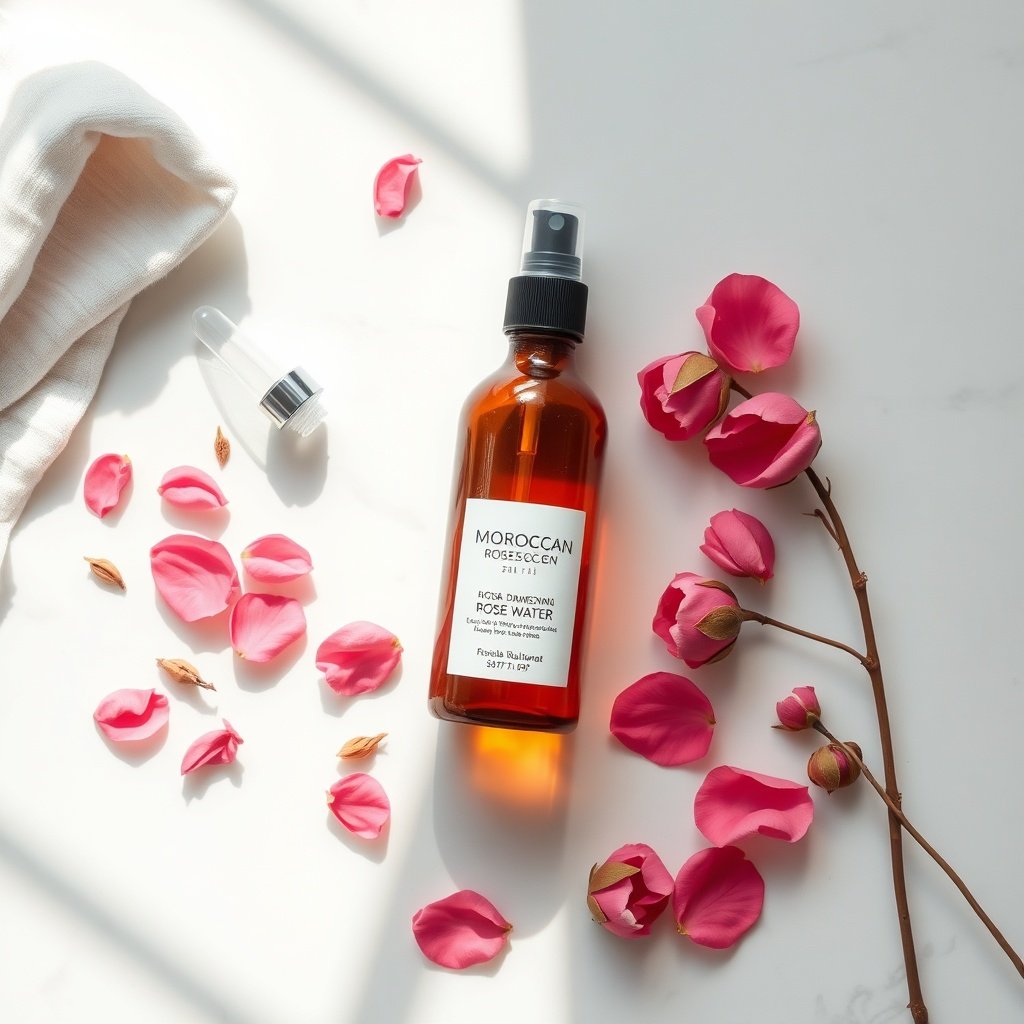
Discover how genuine steam-distilled rose water effortlessly transitions from a soothing daily toner to a radiant makeup finish. The complete answer to what Moroccan rose water does for skin comes down to its hydrating, soothing, and gently cleansing nature. It is not a heavy moisturizer or a treatment serum, but a versatile hydrosol that supports the skin’s natural balance.
The Core Benefits of Moroccan Rose Water
- Hydration and moisture retention without heaviness.
- Soothing redness and irritation.
- Gentle cleansing of impurities and excess oil.
- Supporting the skin’s natural pH level.
These benefits make it a useful step for almost any routine. Because it is water-based and non-comedogenic, it works without clogging pores or leaving a greasy residue.
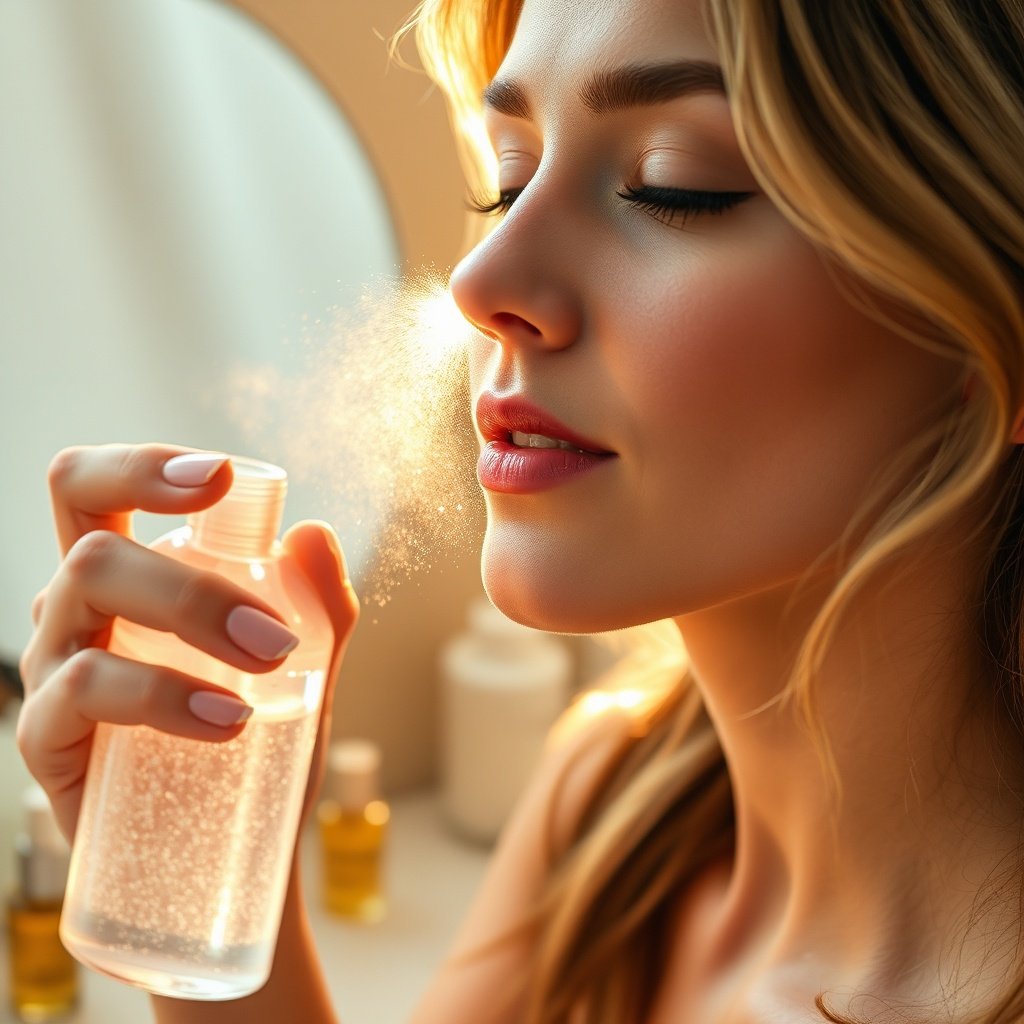
Experience the transformative power of rose hydrosol as it refreshes your complexion and locks in makeup for a flawless, luminous finish.
The Science Behind the Hydrosol
Definition: A hydrosol is the aromatic water that remains after steam-distilling plant material. Unlike essential oils, which are the concentrated volatile compounds, hydrosols are water-based and contain a small amount of those compounds along with water-soluble plant constituents.
Steam distillation is the process that preserves the beneficial plant compounds while keeping the product gentle enough for facial use. The steam passes through the rose petals, capturing their aromatic and water-soluble components, then condenses into a liquid that is both fragrant and skin-friendly. The difference between hydrosols, essential oils, and infused waters matters. Essential oils are highly concentrated and require dilution for topical use. Infused waters are simply petals soaked in water, which extracts fewer compounds and often lacks the same freshness. Hydrosols sit in the middle: gentle enough for the face but still carrying the plant’s active properties. Moroccan roses, particularly the Rosa damascena variety, are prized for their rich floral profile. The high concentration of aromatic compounds in these petals contributes to the hydrosol’s soothing and refreshing qualities.
What It Does NOT Do
- It is not a replacement for moisturizer or sunscreen.
- It does not treat acne, hyperpigmentation, or fine lines on its own.
- It is not a substitute for medical-grade skincare.
Moroccan rose water supports your routine; it does not replace the products that do the heavy lifting. If you have a specific skin condition, keep using your prescribed treatments and treat rose water as a complementary step.
How to Use Moroccan Rose Water as a Toner: The Step-by-Step Ritual
Using rose water as a toner is the most common way to incorporate it into a daily routine. The process is simple, but the order matters.
Step 1: Cleanse Your Face
Start with a clean face to allow the rose water to absorb properly. Use a gentle cleanser suited to your skin type. If you wear makeup, remove it first with a dedicated makeup remover or cleansing oil.
Step 2: Apply the Rose Water
Pour a small amount onto a cotton pad or into the palms of your hands. Pat or sweep gently across the face, avoiding the eye area. Let it absorb for 30–60 seconds before applying the next product.
Quick Answer: To use Moroccan rose water as a toner, apply it after cleansing and before moisturizer. Pat it into the skin with your hands or a cotton pad, wait about a minute, then follow with your moisturizer while the skin is still slightly damp.
Step 3: Follow with Moisturizer
Apply your moisturizer while the skin is still slightly damp to lock in hydration. Use rose water as a hydrating step, not a replacement. The dampness helps the moisturizer spread more evenly and seal in the moisture.
Step 4: Use It as a Mid-Day Refresher
Spritz over makeup or bare skin to rehydrate and refresh. Keep a small travel bottle in your bag for on-the-go use. This is especially useful in dry environments or during long days.
When to Use It: Morning vs. Evening
- Morning: Prep skin for makeup and boost hydration.
- Evening: Soothe skin after cleansing and remove residual impurities.
You can use it twice a day without issue, as long as your skin tolerates it. The morning application gives you a fresh canvas, while the evening application helps calm the skin after exposure to the day’s stressors.
Beyond the Toner: Moroccan Rose Water in Makeup and Skincare Routines
Moroccan rose water is not limited to toner duties. It integrates into makeup routines in several practical ways.
As a Makeup Setting Spray
To use it as a setting spray, hold the bottle about 20–30 centimeters from your face and spritz evenly over the finished makeup. This gives a dewy finish and helps blend powders into the skin. The difference between a makeup setting spray and a facial mist is important. A dedicated setting spray is formulated to extend wear and control oil. A facial mist like rose water provides hydration and a natural glow but does not offer the same long-wear benefits. For a matte foundation, a light spritz of rose water can add a subtle, natural glow without making the skin look oily.
As a Makeup Remover
Moroccan rose water can dissolve light makeup, such as a sheer tinted moisturizer or a light layer of foundation. It is not effective on waterproof formulas. To remove full makeup, pair it with a cleansing oil or balm. Apply the oil first to break down makeup, then use a cotton pad soaked in rose water to wipe away the residue. The rose water adds a soothing step and helps remove any remaining traces. A rose water micellar alternative is a simple DIY: mix rose water with a small amount of a gentle micellar solution. This creates a lightweight cleanser that can lift dirt and light makeup while leaving the skin refreshed.
As a Primer Base
Prepping the skin before applying foundation improves adherence. Sweep a thin layer of rose water over your face after moisturizer and before foundation. It helps reduce the appearance of dry patches by providing a light layer of hydration. For a smoother canvas, combine it with a primer. Apply the rose water first, let it absorb, then follow with your regular primer. The combination creates a hydrated base that helps foundation sit more evenly.
In DIY Skincare Blends
- Mixing it with aloe vera gel creates a soothing mask for irritated skin.
- Adding it to clay masks prevents them from over-drying as they set.
- Using it as a base for homemade facial mists allows you to customize with other ingredients.
Quick Answer: To make a DIY makeup setting spray, mix equal parts Moroccan rose water and glycerin (or a few drops of a hydrating serum) in a clean spray bottle. Shake well and spritz lightly over makeup for a dewy, refreshing finish.
Moroccan Rose Water vs. Other Rose Waters: A Comparison
Understanding the differences helps you choose the right product for your skin.
Comparison Table: Moroccan Rose Water vs. Generic Rose Water vs. Rose Essential Oil
| Feature | Moroccan Rose Water | Generic Rose Water | Rose Essential Oil |
|---|---|---|---|
| Production method | Steam distillation of Rosa damascena | Solvent extraction or synthetic dilution | Steam distillation of large quantities of petals |
| Alcohol content | None (pure hydrosol) | Often contains added alcohol | N/A (concentrated oil) |
| Intended use | Facial toner, makeup, skincare | Fragrance, food flavoring, skincare | Aromatherapy, diluted topical use |
| Suitability for face | High | Varies | Low without dilution |
| Shelf life | Shorter (needs refrigeration) | Longer (due to preservatives) | Long |
| Price point | Higher | Lower | Highest |
Why Moroccan Rose Water Is a Better Choice for Skin
The absence of synthetic additives and alcohol is the main reason. Alcohol can strip the skin and cause dryness, while synthetic fragrance may trigger irritation in sensitive skin. Moroccan rose water’s higher concentration of beneficial plant compounds also makes it more effective for skincare. The authentic distillation process preserves natural properties that are often lost in cheaper extraction methods. This means you get a product that feels and acts like a true hydrosol, not a perfumed water.
When Generic Rose Water Is Acceptable
- For body mists or home fragrance.
- If the label clearly states it is a hydrosol and not a perfume.
- When budget is a primary concern for non-skincare uses.
If you only need a light scent for your body or a room spray, generic rose water can work. But for facial use, the authenticity matters more.
How to Choose and Store Authentic Moroccan Rose Water
Choosing a genuine product requires reading labels carefully.
What to Look For on the Label
- Ingredients list should contain only “Rosa damascena flower water” or “Rose hydrosol” without added fragrance.
- Look for “steam-distilled” or “hydrosol” rather than “rose extract” or “rose perfume.”
- Check for a clear liquid with a fresh, floral scent that is not overpowering.
How to Test Authenticity at Home
- Shake the bottle: real rose water produces small bubbles that disappear slowly.
- Smell it: authentic rose water has a complex, slightly earthy floral aroma.
- Check the texture: it should feel like water, not sticky or oily.
Storage Tips to Preserve Its Potency
- Keep it in a cool, dark place away from direct sunlight.
- Refrigerate after opening to extend freshness.
- Check the label for a recommended shelf life, and always inspect for changes in smell or appearance before use.
- Avoid transferring it to containers that are not airtight.
Quick Answer: Authentic Moroccan rose water is a pure hydrosol with a clear, watery texture and a fresh, floral scent. It should contain only “Rosa damascena flower water” on the label and no added alcohol, fragrance, or preservatives.
Potential Side Effects and Skin Types
While generally safe, rose water is not for everyone. Knowing your skin’s tolerance helps you avoid problems.
Who Should Use It with Caution
- People with a known allergy to roses or other flowers in the Rosaceae family.
- Those with extremely sensitive skin who react to any fragrance.
- Anyone with open wounds or broken skin on the face.
How to Do a Patch Test Properly
Apply a small amount to the inner forearm or behind the ear. Wait 24 hours to observe any redness, itching, or irritation. If no reaction occurs, it is generally safe to use on the face.
Best Skin Types for Moroccan Rose Water
- Dry skin: for its hydrating and soothing properties.
- Combination skin: for gentle oil balance without stripping.
- Sensitive skin: for its calming effect on redness.
- Oily skin: for a light, non-comedogenic hydration boost.
FAQ
Can Moroccan Rose Water replace my regular toner?
Yes, it can replace a toner, especially if you are looking for a gentle, alcohol-free option. However, it does not provide the same exfoliating or astringent effects as some traditional toners, so it may not suit everyone’s needs.
How often should I use Moroccan Rose Water on my skin?
You can use it up to twice a day, in the morning and evening, as part of your skincare routine. It is gentle enough for daily use, but always patch test first if you have sensitive skin.
Will Moroccan Rose Water make my makeup last longer?
It can help set a natural, dewy makeup look and refresh makeup throughout the day, but it is not a long-wear setting spray. For maximum longevity, you would still need a dedicated makeup setting spray.
Is Moroccan Rose Water safe for acne-prone skin?
Generally yes, because it is non-comedogenic and has soothing properties. However, it will not treat acne on its own. Use it as a gentle hydrating step, but continue your acne treatment routine.
How long does Moroccan Rose Water last after opening?
Once opened, it is best used within a few months if stored properly in a cool, dark place or refrigerator. Always check for changes in smell or appearance before use, and follow the manufacturer’s guidance on shelf life.
Conclusion
Moroccan rose water is a simple, natural addition that delivers hydration, soothing benefits, and a fresh glow across both skincare and makeup routines. From a morning toner to an evening makeup remover, it adapts to your needs without complicating your regimen. The key is to choose an authentic, alcohol-free hydrosol. Start with a patch test, then incorporate it step by step. Use it as a toner first, then experiment with setting spray or DIY blends. With a genuine product, you get the full benefits of Rosa damascena in a bottle that works as hard as you do.