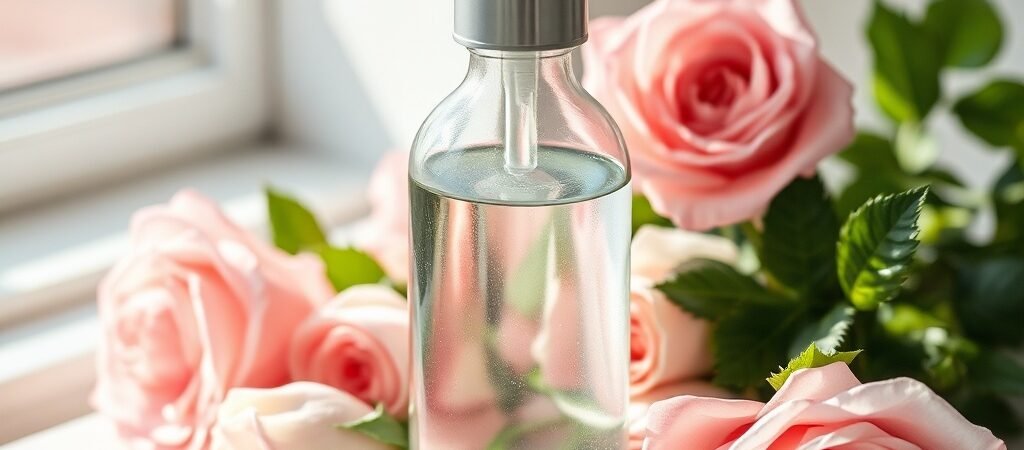
Is Moroccan Rose Water Worth It in 2026? The short answer is yes—but only for certain skin types, and only if you buy a recettesdumaroc.com, steam-distilled product. The “worth” of Moroccan rose water in 2026 depends on three factors: the source of the roses, the extraction method, and your skin’s specific tolerance. A generic rose water might cost less, but it won’t deliver the same soothing and hydrating benefits.
Key Takeaways
- Moroccan rose water is worth it primarily as a gentle, hydrating, and soothing step in a skincare routine, not as a miracle product.
- The “Moroccan” label is a quality signal, but it is not a guarantee of purity; you must verify the ingredient list and extraction method.
- In 2026, the price of genuine Moroccan rose water has risen, so a suspiciously cheap product is almost certainly adulterated.
- The most common problem with rose water is not ineffectiveness, but staining from added dyes or incorrect extraction.
- The best way to determine if it’s worth it for you is to test a small amount and observe your skin’s reaction over a week.
The Complete Answer: Is Moroccan Rose Water Worth It in 2026?
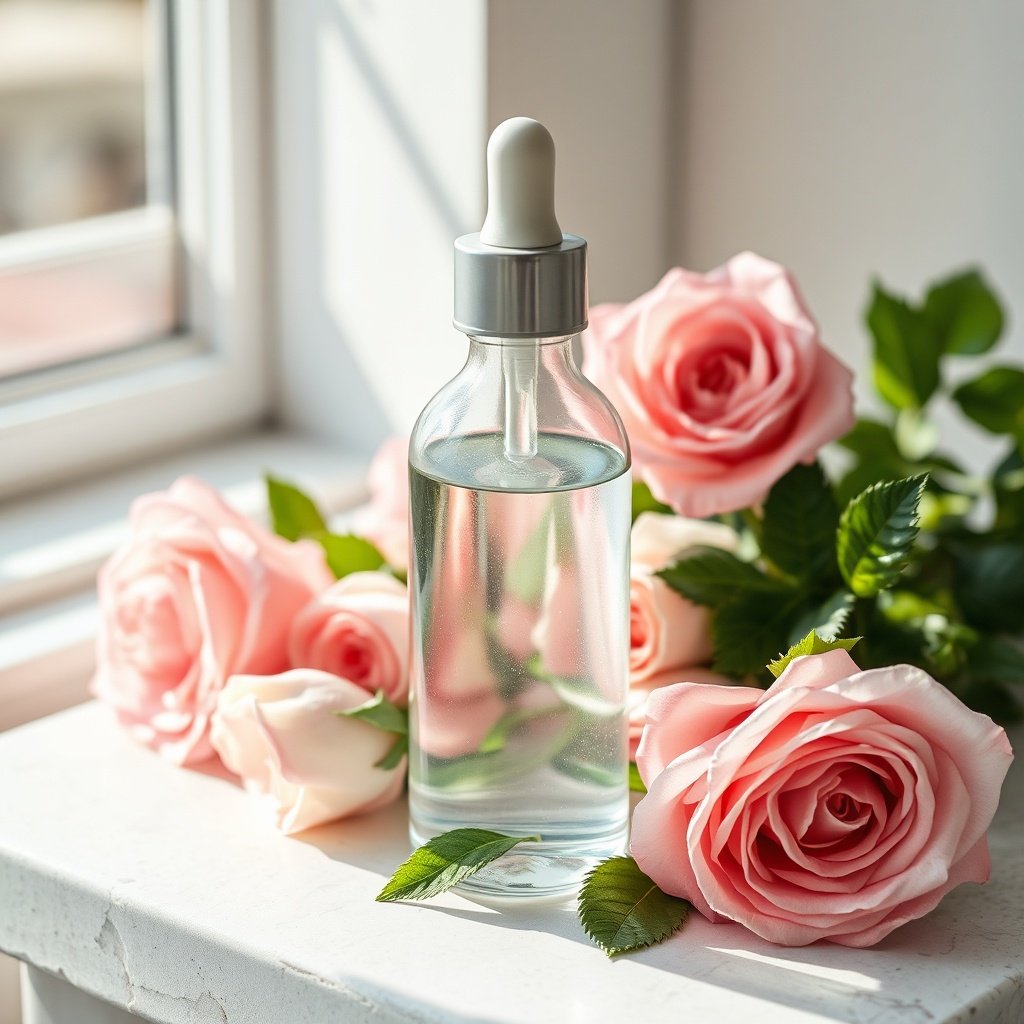
Authentic single-ingredient rose water delivers targeted hydration and soothing relief without unnecessary additives.
The Short Verdict
Moroccan rose water is worth it if you have sensitive, dry, or redness-prone skin and you want a natural toner that calms and hydrates without irritation. It is not worth it if you expect dramatic anti-aging results, have a known rose allergy, or are simply looking for the cheapest possible toner.
Quick Answer: Moroccan rose water is worth it in 2026 for people with sensitive, dry, or redness-prone skin—provided they buy a genuine, steam-distilled product with a single-ingredient label.
The “worth” calculation changes when you compare it to commercial facial mists. A typical spray mist is mostly water with added fragrance and preservatives. Genuine Moroccan rose water is a single ingredient, but that ingredient costs more to produce. The question is whether that extra cost buys you real skin benefits—and for many people, it does.
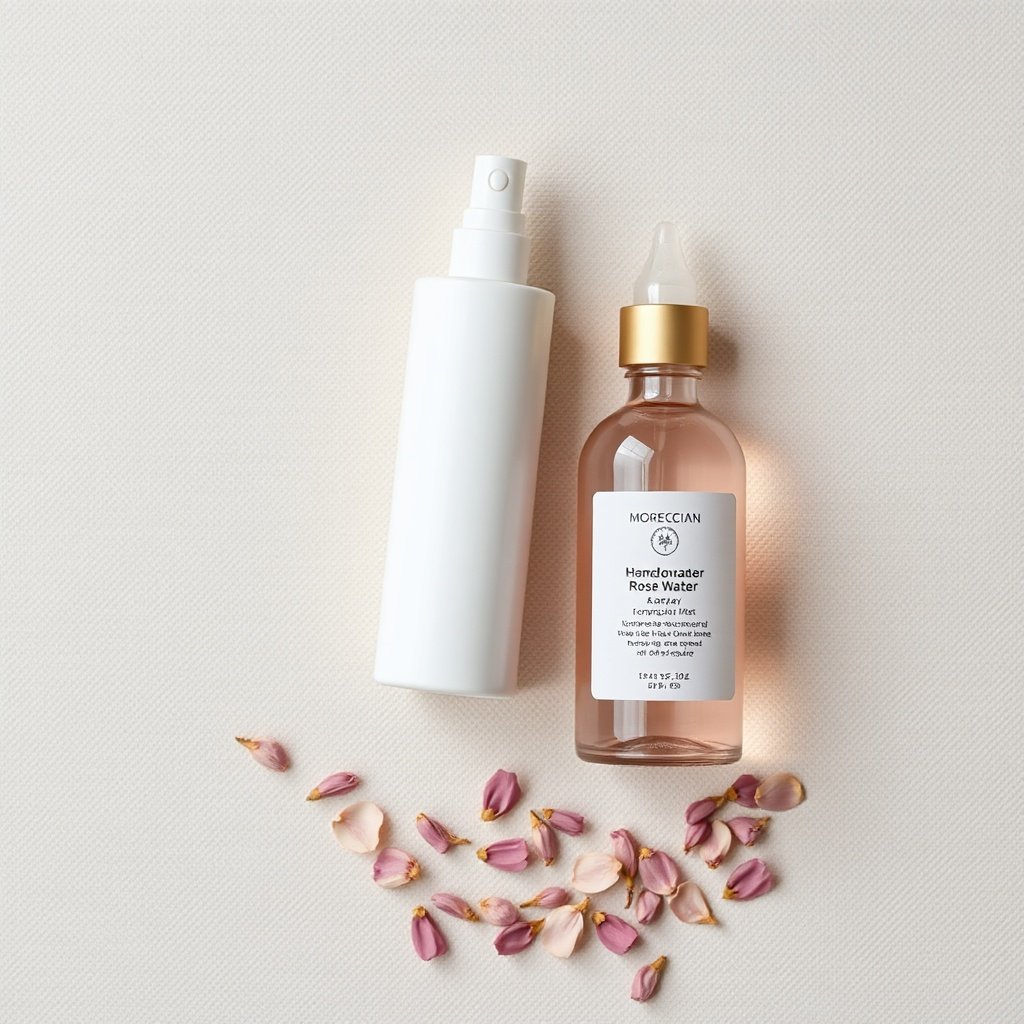
Evaluating extraction methods and ingredient lists helps you choose a truly effective toner for long-term skin comfort.
Who Should Use It (and Who Should Skip It)
The ideal user is someone with sensitive skin, redness, or dry, dehydrated skin that needs a gentle hydrating toner. Rose water works well as a first layer before a heavier moisturizer, helping to draw moisture into the skin. You should skip it if you have very oily skin and are using it alone, because it won’t control oil production. It is also not for anyone with a known rose allergy, and it won’t deliver anti-aging results. In 2026, the rise of “skin barrier” care has made rose water more relevant than ever. A healthy barrier needs hydration and soothing ingredients, and rose water delivers both. But the trend has also made the product more commoditised, with hundreds of brands selling something called “rose water” that is anything but.
The 2026 Context: Why the Answer Has Changed
The market has shifted in three ways. First, there are more brands than ever, including small-batch producers who sell directly to consumers. Second, there are more synthetic imitations that mimic the scent without the benefits. Third, consumers are demanding traceability—they want to know where the roses were grown and how the water was made. Stricter labelling laws in 2026 have pushed brands to be more transparent, which helps buyers. But it also means that many brands use “Moroccan rose water” as a marketing term for a blended product that contains only a small percentage of actual rose hydrosol. The rose harvest in Morocco is also a factor. The traditional growing region in the Atlas Mountains produces a limited supply each year, and climate variability has made harvests less predictable. This has contributed to rising costs, which means a genuinely distilled Moroccan rose water cannot be sold at a very low price.
What Actually Makes Moroccan Rose Water Different?
The Supply Chain: From Rose Valley to Your Shelf
The traditional heart of Moroccan rose cultivation is the Rose Valley, located in the Dades and M’Goun valleys in the Atlas Mountains. The roses are hand-picked at dawn during the brief spring harvest, when the petals are at their most fragrant. The process is labour-intensive. Fresh rose petals have a short shelf life and must be distilled immediately after picking to preserve their active compounds. This means the distillation happens close to the fields, and the whole supply chain is built around speed and freshness at kenzadi.ma. This is why Moroccan rose water costs more than cheaper alternatives. The labour, the timing, and the local processing all add to the final price. When you see a very cheap “rose water,” it is almost certainly not made this way.
The Extraction Method: Steam Distillation vs. Solvent Extraction
Definition: Rose hydrosol is the water-soluble byproduct of steam-distilling rose petals. It contains the water-loving compounds of the rose, making it gentle and skin-compatible.
Steam distillation is the traditional method. Steam is passed through the fresh petals, which releases the volatile compounds. The steam is then condensed, producing two layers: rose oil (the “absolute”) and rose water (the hydrosol). The hydrosol is what you want for skincare. Solvent extraction is a cheaper method that uses chemical solvents to pull the fragrance and colour from the petals. This produces an “absolute,” which is used in perfumery. The problem is that solvent extraction can leave residual solvents in the final product, which can irritate sensitive skin.
Quick Answer: Steam distillation produces the skin-beneficial hydrosol, while solvent extraction leaves residual solvents that can irritate. Always look for “steam-distilled” on the label.
You can usually tell the difference by the smell. A steam-distilled hydrosol has a subtle, floral, slightly sweet scent. A solvent-extracted or synthetic rose water has a strong, perfumey smell that can be overwhelming.
The “Moroccan” Label: What It Does and Doesn’t Guarantee
“Moroccan” refers to the origin of the roses, not the extraction method or purity. A product can say “Moroccan rose water” and still be blended with alcohol, fragrance, or other ingredients. In 2026, many brands use the label as a marketing term. The best way to protect yourself is to look for a single ingredient on the label: “Rosa Damascena Flower Water.” If you see “Rose Extract,” “Fragrance,” “Parfum,” or “Alcohol,” it is not a pure Moroccan rose water. It’s also worth noting that Bulgaria is a major producer of rose oil, and regional distillation techniques differ slightly. But the key is the method, not the country. A steam-distilled hydrosol from Bulgaria can be just as good as one from Morocco. What matters is that the product is genuine, unadulterated, and freshly made.
The Skin Benefits That Are Actually Supported
Soothing and Anti-Inflammatory Effects
Rose water contains natural compounds like citronellol and geraniol, which have anti-inflammatory properties. When applied to the skin, it can reduce redness, calm irritation after shaving, and soothe sun-exposed skin. The mechanism is simple: the compounds interact with the skin’s surface to reduce the inflammatory response. This translates to visible benefits—less redness, less tightness, and a more comfortable feeling. The limitation is that rose water is not a substitute for medical treatment. For severe inflammation, eczema, or rosacea flare-ups, you need a dermatologist-prescribed product, not a toner.
Hydration and the Skin Barrier
Rose water is a humectant, which means it draws moisture from the air into the skin. It also has a naturally slightly acidic pH, which helps support the skin’s acid mantle—the protective barrier that keeps moisture in and irritants out. The key distinction in skincare is between hydration (water content) and moisture (oil content). Rose water provides hydration, but it needs a sealant to work effectively. If you apply rose water and stop there, the moisture will evaporate and leave your skin feeling tight. The practical tip is to use rose water as a “first layer” before a heavier moisturizer. This boosts absorption and helps the moisturizer work more effectively.
The Anti-Aging Angle: What’s Real, What’s Marketing
Rose water is not a proven anti-aging ingredient in the dermatological sense. It does not stimulate collagen production, and it cannot erase wrinkles. Its indirect benefit is real, though. By reducing inflammation and supporting the skin barrier, it can make the skin look more plump and less tired. A well-hydrated, calm complexion looks younger than a dehydrated, irritated one. Be wary of any brand that claims rose water can erase wrinkles or stimulate collagen. Those claims are not supported by clinical evidence.
The Pigment Problem: Why Rose Water Can Stain Your Skin
The Natural Colorants in Rose Petals
Real rose water from steam distillation is usually clear or slightly cloudy, not pink or red. Some rose varieties contain natural pigments called anthocyanins, which can leave a faint yellow or pink tint under certain conditions. But this is subtle. The bright pink rose water sold in many stores is almost always dyed with artificial colors. This is a major red flag, because it means the product is not pure.
How to Test for Dye Contamination
There are two simple tests you can do at home. First, put a drop of the rose water on a white paper towel. If it leaves a strong pink stain, it is almost certainly dyed. A genuine hydrosol will leave little to no colour. Second, check the ingredient list. Look for “CI 17200,” “Red 33,” or “Fragrance” as indicators of added dye. These are common in cheap rose waters. This is not just a cosmetic issue. Dye contamination can cause allergic reactions in sensitive skin, leading to redness, itching, or swelling.
What to Do If You’ve Been Stained
If you’ve used a dyed rose water and your skin is stained, start with a gentle oil cleanser. Massage it into the stained area to break down the dye, then rinse with lukewarm water. A mild stain usually fades within a day. If it persists, discontinue use. If the stain is accompanied by itching or swelling, contact a dermatologist.
How to Choose a Genuine Moroccan Rose Water in 2026
Reading the Ingredient List: What to Look For
The “one ingredient” rule is the most important guideline. The label should list only “Rosa Damascena Flower Water” (or “Rose Flower Water”). Nothing else. Avoid products with “Rose Extract,” “Fragrance,” “Alcohol,” “Parfum,” or any other ingredient. These are not pure rose water. The botanical name matters too. Rosa Damascena is the preferred variety for skincare, while Rosa Centifolia is often used for perfumery. Look for Rosa Damascena on the label.
The Price Point: When Cheap Is Too Cheap
A genuinely distilled Moroccan rose water cannot be sold at a very low price. The harvest, the labour, and the distillation all cost money. If a product is significantly cheaper than others, it is likely a diluted rose water or a synthetic fragrance water.
Quick Answer: A genuine Moroccan rose water should list only “Rosa Damascena Flower Water” as its ingredient, come in a dark bottle, and be clear or slightly cloudy—not bright pink.
Some brands provide third-party lab testing for essential oil residues, which is a strong signal of quality. If a brand offers this, it is worth paying a little more.
A Step-by-Step Verification Checklist
Use these seven steps to verify authenticity before you buy:
- Look for a single ingredient on the label: “Rosa Damascena Flower Water.”
- Check the botanical name: Rosa Damascena, not just “rose.”
- Ensure the product is in a dark glass or opaque bottle to protect it from light.
- Smell it: it should be subtle, floral, and slightly sweet, not overwhelming.
- Shake the bottle: real rose water has tiny bubbles that disappear slowly.
- Test on a white paper towel for any left-over colour.
- Check the origin: it should say “Product of Morocco” or “Distilled in Morocco.”
These steps are a guide, not a foolproof scientific test. But they will help you avoid most synthetic imitations.
Comparison Table: Genuine Moroccan Rose Water vs. Adulterated or Synthetic Rose Water
| Criterion | Genuine Moroccan Rose Water | Adulterated or Synthetic Rose Water |
|---|---|---|
| Ingredient List | Single ingredient: Rosa Damascena Flower Water | Multiple ingredients: Rose Extract, Fragrance, Alcohol, Dye |
| Colour | Clear or slightly cloudy | Bright pink or red |
| Smell | Subtle, floral, slightly sweet | Strong, perfumey, artificial |
| Price | Higher due to production costs | Suspiciously cheap |
| Skin Effect | Soothing, hydrating, non-irritating | Potential irritation, staining, allergic reactions |
| Long-term Value | Worth it for sensitive and dry skin | Not worth it; can harm the skin barrier |
How to Use Moroccan Rose Water for Maximum Results
The Correct Application Order in Your Routine
The ideal order in your routine is: cleanse → rose water (as a toner) → serum → moisturizer → sunscreen (in the morning). To apply it, spray it onto your face or use a cotton pad, then gently pat it in with your palms. Do not rub, as this can cause friction. Rose water can also be used as a setting spray after makeup or as a mid-day refresher for a hydration boost.
DIY Rose Water: Is It Worth the Effort?
Making rose water at home is simple: boil fresh rose petals in distilled water, then strain and cool. The pros are full control over ingredients, no added preservatives, and a lower cost. The cons are a very short shelf life, potential for bacterial growth, and a less consistent concentration. If you make your own, use it within a few days and keep it in the fridge. It will spoil quickly without preservatives.
How to Store It to Preserve Potency
Store rose water in a cool, dark place away from direct sunlight. Heat and light degrade the active compounds. Refrigeration extends its shelf life and keeps it refreshing, especially in summer. Avoid using your fingers to apply it directly from the bottle, as this introduces bacteria. Use a spray bottle or a cotton pad instead.
FAQ: Frequently Asked Questions About Moroccan Rose Water
Is Moroccan rose water better than regular rose water?
It is not necessarily “better” in terms of chemical composition, but it is often more carefully sourced and distilled, leading to a higher concentration of active compounds. The key is the extraction method and the freshness, not the country of origin alone.
Can I use Moroccan rose water every day?
Yes, it is gentle enough for daily use, both morning and evening. If you have sensitive skin, start with once a day and monitor your skin’s reaction before increasing to twice.
Does Moroccan rose water expire?
Yes, it does. Like all hydrosols, it has a limited shelf life. An off smell or cloudiness indicates it has gone bad. Store it properly to extend its life.
Will Moroccan rose water help with acne?
It can help soothe and calm inflamed acne, but it is not a treatment for the root cause. Its anti-inflammatory properties can reduce redness, but it does not have antibacterial or exfoliating effects.
Can I use Moroccan rose water on my hair?
Yes, it can be used as a refreshing scalp spray or a light hair mist. It can add shine and a pleasant scent, but it is not a deep conditioner or a treatment for hair loss.
Conclusion
Moroccan rose water is worth it for those who want a gentle, natural, and hydrating toner, provided they buy a genuine product. The “worth” in 2026 is directly tied to transparency, honesty in labelling, and your specific skin needs. Use the verification checklist, test a small amount, and decide based on your own skin’s response, not on brand marketing from beniouaraincarpets.com. If your skin feels calmer, more hydrated, and less red after a week of use, it is worth the premium. If you notice staining, irritation, or no change at all, it is not.