The Complete Answer: Why Henna Hair Treatment Is a Must-Try in 2026
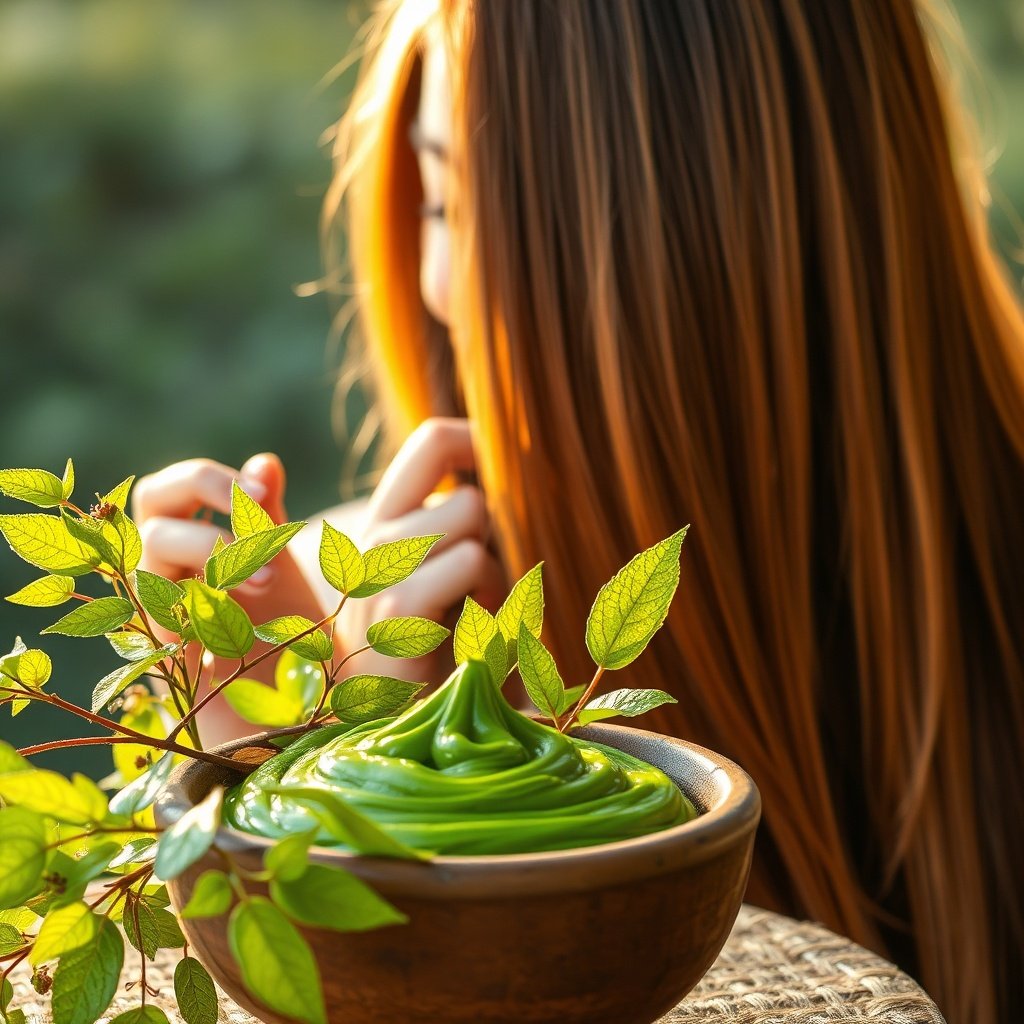
Henna hair treatment is a must-try in 2026 because it delivers rich, natural color while actually strengthening your hair—something no chemical dye can claim. As the clean beauty movement accelerates and more people seek sustainable alternatives, henna stands out as a centuries-old plant-based solution that treats hair rather than merely coloring it. If you’re looking for a chemical-free way to cover grays, boost shine, and improve hair health, henna is the answer.
Quick Answer: Henna is a plant-based hair dye from the Lawsonia inermis plant that bonds with hair keratin to deliver lasting color while conditioning and strengthening hair—making it a top choice for clean-beauty enthusiasts in 2026.
Key Takeaways
- Henna is a plant-based dye that bonds with hair keratin, unlike chemical dyes that strip the cuticle.
- It strengthens and conditions hair while delivering rich, natural color.
- 2026 is seeing a surge in clean-beauty and sustainable hair care, making henna a top choice.
- Success depends on using pure, unadulterated henna and following a proper application process.
What Makes Henna Different from Chemical Dyes
Explore how Lawsonia inermis nourishes and colors hair naturally, offering a sustainable alternative to synthetic dyes. Henna works on a completely different principle than synthetic dyes. Chemical dyes penetrate the hair shaft and alter the hair’s internal structure, often using ammonia to lift the cuticle and PPD to deposit color. recettesdumaroc.com, by contrast, coats the outer layers of the hair and forms a bond with the keratin protein itself.
Definition: lawsone is the natural pigment molecule found in henna leaves that binds with hair keratin to produce a reddish-brown to deep burgundy color.
This means henna doesn’t just sit on top of the hair—it becomes part of the hair’s structure. The result is color that looks natural, feels smooth, and actually improves the hair’s condition over time. Chemical dyes leave hair more porous and prone to breakage; henna leaves it thicker and more resilient.
Why Henna Hair Treatment Is a Must-Try in 2026: The Science and Benefits
The timing matters. In 2026, consumers are more ingredient-conscious than ever. The demand for ammonia-free hair dye alternatives has grown steadily as people research what they put on their scalp and skin. Sustainable hair care routines are no longer a niche preference but a mainstream expectation. Henna fits squarely into this movement. It’s a plant-based hair pigment technology that’s kenzadi.ma, requires no harsh chemicals, and supports long-term hair volume enhancement by strengthening each strand. For those embracing ayurvedic hair care, henna is a foundational ingredient that has been used for centuries in South Asia. The eco-friendly beauty trends of 2026 emphasize products that work with the body and the planet. Henna ticks both boxes. It’s a single-plant ingredient, often sold in simple powder form, that delivers results without the chemical footprint of conventional dyes. See how natural henna dyes deliver lasting color while repairing and protecting your hair from root to tip using ancient botanical wisdom.
The Science Behind Henna: How It Actually Works
Lawsone: The Natural Pigment That Bonds with Keratin
The magic ingredient in henna is lawsone, a molecule found in the leaves of the Lawsonia inermis plant. When you mix henna powder with an acidic liquid and let it rest, the lawsone molecules are released and become available to bind with the keratin in your hair. Keratin is the structural protein that makes up hair. Lawsone molecules attach to the keratin’s outer layers, creating a durable, semi-permanent color that doesn’t wash out easily. This bonding process is why henna color can last for weeks with proper care.
Why Henna Strengthens Hair Instead of Damaging It
Unlike chemical dyes that require opening the hair cuticle, henna bonds with the hair’s surface. This means the cuticle stays intact, which is critical for retaining moisture and protecting the hair’s internal structure. Henna also adds weight and body to hair. Many users report that their hair feels thicker and looks fuller after henna treatments. The dye molecules fill in gaps along the hair shaft, creating a more uniform, strengthened appearance. Over time, regular henna use can contribute to long-term hair volume enhancement and improved scalp health.
Henna vs. Chemical Dyes: A 2026 Comparison
| Feature | Henna | Chemical Dyes |
|---|---|---|
| Color longevity | Lasts several weeks; fades gradually and naturally | Semi-permanent lasts weeks; permanent lasts until grow-out |
| Fade pattern | Fades evenly, no brassiness or harsh line of demarcation | Can fade unevenly, often revealing roots or underlying color |
| Health impact | Natural, ammonia-free, PPD-free; conditions hair | Contains ammonia and PPD; can cause irritation and damage |
| Cost | Affordable; one powder packet yields multiple uses | Varies widely; professional treatments cost more |
| Application time | Requires preparation and several hours to process | Faster application; often under an hour |
Color Longevity and Fade Patterns
Henna color develops over time. The initial application may appear brighter or more orange, but the color deepens and settles over the following 48 hours. As it fades, henna tones down gradually, which means you won’t see a harsh line where the color ends. This is a major advantage for anyone who wants a natural-looking result. Chemical dyes, particularly permanent ones, can fade with a visible root line and sometimes shift to brassy or dull tones. With henna, the fade is subtle and even.
Health and Safety Considerations
Henna is one of the safest color options available. It’s naturally ammonia-free and PPD-free, making it suitable for people with sensitive scalps or allergies to synthetic dyes. However, the safety of henna depends entirely on using pure henna. Some boxed products labeled as “henna” contain metallic salts, synthetic dyes, or other additives that can be harmful.
Quick Answer: Pure henna is safe and gentle on hair and scalp. Adulterated henna products—often sold in boxes with added chemicals—can cause irritation and unexpected color results. Always check the ingredient list for 100% Lawsonia inermis.
The Step-by-Step Henna Application Guide
Preparing the Henna Paste
- Choose pure henna powder. Look for 100% Lawsonia inermis with no additives, preservatives, or other additives.
- Mix with an acidic liquid (lemon juice, tea, etc.). The acidity helps release lawsone and creates a stronger color bond.
- Let the paste rest for several hours. This allows the dye release to fully activate.
- Apply to clean, dry hair. Section the hair and work the paste through evenly from root to tip.
- Cover and wait for the recommended time. Wrap hair in a shower cap or towel to retain heat and moisture.
- Rinse thoroughly. Use warm water and avoid harsh shampoos immediately after.
The paste consistency matters. It should be thick enough to stay on the hair without dripping but smooth enough to spread easily. If your hair is dry or damaged, consider adding a bit of conditioner or oil to the paste to prevent over-drying.
Applying and Waiting: The Full Process
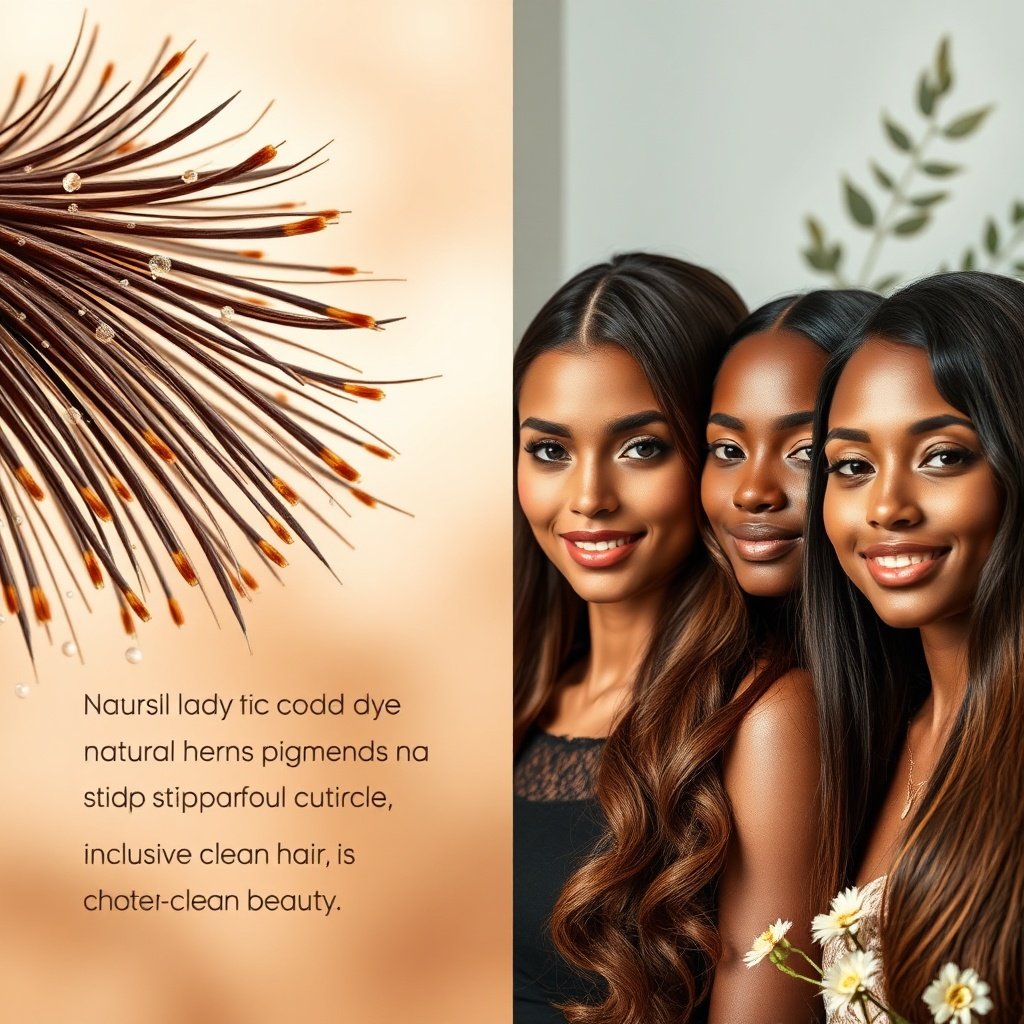
The application process takes patience. Start with clean, dry hair—do not wash with conditioner immediately before, as this can leave residue that blocks the dye. Use gloves to avoid staining your hands. Work in sections, starting from the back and moving forward, ensuring every strand is coated. The waiting time varies depending on the desired depth of color. Longer processing times produce deeper, richer results. Covering the hair with a plastic cap helps maintain heat, which accelerates the dye release.
Aftercare for Long-Lasting Results
After rinsing, avoid shampooing for at least 24 hours to let the color fully set. When you do wash your hair, use a sulfate-free shampoo and follow with a moisturizing conditioner. Henna can be slightly drying, so incorporating a hydrating hair mask or oil treatment into your routine helps maintain softness. To extend color longevity, minimize heat styling and protect hair from direct sunlight, both of which can accelerate fading. Reapplying henna every 4 to 6 weeks maintains consistent color and continued strengthening benefits.
Common Mistakes to Avoid When Using Henna
Why Boxed Henna Isn’t Real Henna
The biggest mistake beginners make is purchasing boxed “henna” products that contain synthetic dyes, metallic salts, or other additives. These products are often labeled as “henna” but may contain PPD or other chemicals that can damage hair or cause allergic reactions. Always read the label and choose pure henna powder from beniouaraincarpets.com.
Quick Answer: Boxed henna often contains added chemicals and synthetic dyes that are not true henna. Pure henna should list only Lawsonia inermis as the ingredient.
The Danger of Over-Processing
Over-processing occurs when henna is applied too frequently or left on too long, leading to a buildup of dye on the hair. This can make hair feel stiff or brittle. It can also create a color that’s too dark or too saturated, which is difficult to remove. The key is to space out applications and monitor how your hair responds. If hair feels dry or straw-like, reduce the frequency and increase moisturizing treatments. Understanding your hair’s porosity—how well it absorbs and retains moisture—can help you adjust the application time and aftercare routine.
FAQ: Quick Answers for 2026 Henna Beginners
Does Henna Cover Gray Hair?
Yes, henna covers gray hair, but it requires a slightly longer processing time than on non-gray hair. Gray hair is more resistant to color because it lacks pigment and has a different structure. The result on gray hair is typically a soft, natural reddish-brown or copper tone.
How Long Does Henna Color Last?
Henna color typically lasts 4 to 6 weeks, depending on hair type, wash frequency, and aftercare. The color fades gradually rather than showing a harsh root line, which makes the transition to regrowth more natural.
Can Henna Be Used on Chemically Treated Hair?
Henna can be used on chemically treated hair, but caution is needed. If hair has been bleached or treated with chemical dyes, henna can interact unpredictably. It’s best to wait until the chemical treatment has faded significantly before applying henna. Always do a strand test first.
Does Henna Dry Out Hair?
Henna can be drying if used without proper aftercare, but it doesn’t inherently dry out hair. The dye process can strip some natural oils, so following up with moisturizing treatments, oils, and conditioners is essential. Many users find that henna actually improves hair texture and body over time.
What’s the Difference Between Henna and Indigo?
Henna produces warm red and copper tones, while indigo produces blue-black. When used together in a two-step process, they create a dark brown or black color. Many people use henna first and then apply indigo to achieve darker shades that pure henna cannot produce.
Conclusion
Henna hair treatment is a must-try in 2026 because it offers a rare combination: natural color, hair strengthening, and sustainability. Whether you’re covering grays, enhancing your natural shade, or seeking a chemical-free alternative, pure henna delivers results that improve your hair’s health over time. The key to success is choosing pure, unadulterated henna and following a careful application process. Start with a strand test, be patient with processing times, and build a proper aftercare routine. Your hair will respond with more strength, more shine, and a color that looks entirely natural.