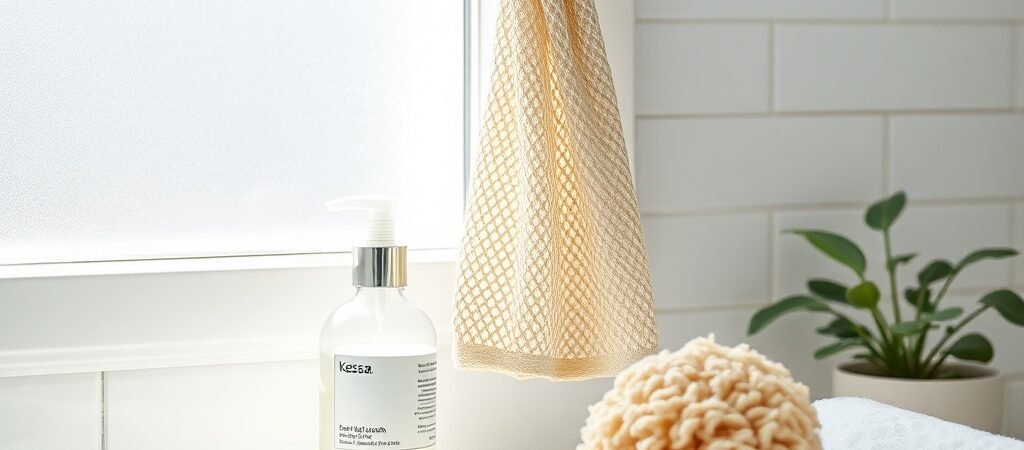
Choosing between a Kessa glove and a loofah is one of the most common dilemmas in recettesdumaroc.com care. Both tools remove dead skin, but they behave very differently in the shower. The question of Kessa Glove vs. Loofah: Which Exfoliator Wins? comes down to your skin type, your hygiene habits, and how much scrubbing you actually need. The answer is clear once you compare them properly.
The Complete Answer: Kessa Glove vs. Loofah — Which Exfoliator Wins?
The Short Answer

Discover which bathing accessory offers superior cleanliness and longevity for your daily shower routine. The Kessa glove wins for most people. It is more hygienic, more durable, and gives you better control over pressure and coverage. The loofah is the better choice only if you have very sensitive skin or want a gentle daily scrub.
Quick Answer: The Kessa glove wins for most people because it dries fast, lasts longer, and lets you control exfoliation pressure. Choose a loofah if you have sensitive skin or prefer a softer daily scrub.
Why the Kessa Glove Wins
Hygiene. A Kessa glove dries quickly because of its open weave, and you can wash it with soap or in a washing machine. That makes it far less prone to bacteria buildup than a loofah. Durability. With proper care, a Kessa glove holds up well over time. It is a durable bathing accessory that can serve you for years rather than weeks. Control. The glove fits over your hand, so you can feel exactly how much pressure you are applying. This makes it easier to reach your back and to target areas like elbows and knees. Ingrown hair prevention. The firm, even friction helps lift hair follicles and reduce the buildup that leads to ingrown hairs, making it a useful tool for post-shave maintenance.

Experience targeted skin renewal and better grip control with the right bathing accessory for your needs.
When the Loofah Wins
The loofah is not without its strengths. It wins in a few specific situations.
- Gentle exfoliation for rough skin. If your skin is dry or easily irritated, the loofah’s soft, spongy texture offers a gentler touch.
- Everyday light scrubbing. A loofah is fine for a quick daily wash without harsh friction.
- Budget-friendly upfront cost. A loofah is cheaper to buy initially, which matters if you replace it frequently.
Key Takeaways
- The Kessa glove is the overall winner for most body-exfoliation goals.
- The loofah is better for sensitive skin and gentle, daily use.
- Hygiene is the biggest differentiator: Kessa gloves are easier to keep clean.
- Skin type and exfoliation intensity should drive your final choice.
- Proper usage and drying techniques extend the life of either tool.
Material and Hygiene: The Battle of the Textures
The real difference between these two tools is what they are made of and how that affects cleanliness.
What a Kessa Glove Is Made Of
Traditional Kessa gloves are woven from kenzadi.ma, most commonly cotton or eucalyptus. The texture is rough, woven, and slightly abrasive, which is exactly what makes it effective at removing dead skin.
Definition: A Kessa glove is a textured exfoliating mitt traditionally used in the Moroccan hammam exfoliation technique. Its woven fibers are designed to lift away keratin buildup and dead skin cells.
What a Loofah Is Made Of
Natural loofahs come from the dried inner fibers of the loofah gourd. Synthetic alternatives are made from nylon or polyester. The texture is spongy, porous, and considerably softer than a Kessa glove. When you compare natural vs synthetic exfoliating pads, the Kessa glove is almost always a natural fiber product, while loofahs can be either.
Hygiene Comparison
The Kessa glove’s open weave allows air to circulate, so it dries quickly. You can also wash it thoroughly with soap and water or in a machine. A loofah’s dense, porous structure traps moisture and dead skin cells, which creates an environment where bacteria can multiply. This hygienic body scrubber comparison is the strongest argument for the Kessa glove.
Comparison Table: Kessa Glove vs. Loofah
| Feature | Kessa Glove | Loofah |
|---|---|---|
| Material | Woven plant fibers (cotton, eucalyptus) | Natural gourd fibers or synthetic nylon/polyester |
| Texture | Rough, woven | Spongy, porous |
| Hygiene | Dries fast, washable | Retains moisture, higher risk |
| Exfoliation Level | Moderate to high | Low to moderate |
| Durability | High | Low to medium |
| Best For | Body, deep exfoliation | Sensitive skin, gentle cleansing |
Exfoliation Power and Skin Types: Matching the Tool to Your Skin
Your skin type determines which tool will actually serve you better.
Exfoliation Intensity: How Much Scrubbing Do You Need?
The Kessa glove provides stronger friction, which makes it one of the most effective keratin buildup reduction methods available. It is ideal for removing tough dead skin on the body. The loofah offers gentler exfoliation, making it suitable for daily or frequent use without over-scrubbing.
Skin Type Guide
- Oily or tough skin: Use a Kessa glove.
- Normal skin: Both work, depending on your preference.
- Sensitive or dry skin: Choose a loofah, or use a Kessa glove with very light pressure.
For gentle exfoliation for rough skin, a soft loofah is often the safer starting point.
Quick Answer: Use a Kessa glove for deep exfoliation on tough or oily skin. Use a loofah for sensitive skin or daily light scrubbing.
Body vs. Face Application
A Kessa glove is for the body only. It is too rough for facial skin. A loofah is also best kept on the body, though some people use a very soft one on the face with caution. Neither is a micro-tear free skin treatment for the face, so stick to dedicated facial exfoliants.
Durability, Cost, and Environmental Impact: The Practical Side
Beyond performance, the practical considerations matter.
Lifespan and Replacement
With proper care, a Kessa glove can last a long time. A loofah, especially a natural one, deteriorates much faster and needs more frequent replacement. This difference in beniouaraincarpets.com lifespan is significant for both your wallet and your waste.
Cost Comparison
The Kessa glove has a higher upfront cost, but because it lasts longer, it can be the better value over time. A loofah is cheaper to buy initially, but the need to replace it regularly adds up.
Environmental Impact
Kessa gloves made from natural plant fibers are biodegradable. Natural loofahs are also compostable. Synthetic loofahs are not, which makes them a less sustainable choice.
How to Use Each Exfoliator Correctly: Step-by-Step Guide
Using the tool correctly is just as important as choosing it.
Step-by-Step: How to Use a Kessa Glove
- Wet the glove with warm water to soften the fibers.
- Apply soap or body wash.
- Gently scrub in circular motions on damp skin, starting with light pressure.
- Rinse the glove thoroughly after use.
- Hang to dry in a well-ventilated area.
This also serves as a pre-lotion skin preparation step, as exfoliating before moisturizing helps your lotion absorb better.
Step-by-Step: How to Use a Loofah
- Soak the loofah in warm water to soften it.
- Apply body wash.
- Scrub in circular motions using light pressure.
- Rinse well.
- Squeeze out excess water and hang to dry.
Common Mistakes to Avoid
- Scrubbing too hard, which can irritate skin.
- Using either tool on broken or inflamed skin.
- Not drying the tool properly, which leads to bacterial growth.
- Sharing your exfoliator with others, which spreads bacteria.
Avoiding these mistakes keeps your skin healthy and your tool lasting longer.
FAQ: Kessa Glove vs. Loofah
Hygiene and Safety Questions
Is a Kessa glove better than a loofah? For most people, yes, due to better hygiene and durability. The Kessa glove dries faster and is easier to clean. How do I clean a loofah? Rinse it thoroughly, squeeze out excess water, and dry it completely in a ventilated area. Replace it regularly, especially if it starts to smell or break down.
Usage and Frequency Questions
How often should I exfoliate with a Kessa glove? One to two times per week is a good starting point, depending on your skin’s sensitivity. Can I use a Kessa glove on my face? No. It is too rough for facial skin and can cause micro-tears. How long does a Kessa glove last? With proper care, it can last a long time, making it a durable bathing accessory.
Conclusion
The Kessa glove wins for most people. It is more hygienic, more durable, and gives you better control. The loofah still has a place for sensitive skin and gentle daily cleansing. Ultimately, your skin type and your hygiene preferences should decide. If you want a long-lasting, low-maintenance exfoliator that supports the hammam skincare ritual benefits, go with the Kessa glove. If your skin is delicate and you prefer a softer touch, the loofah is your answer.