Moroccan rose water has been a beauty staple in North Africa for centuries, and it’s earned its place in modern skincare routines for good reason. In this guide to Moroccan Rose Water: 10 Surprising Beauty Uses for Skin, we’ll cover everything from hydration to anti-aging, so you can get the most out of this versatile botanical.
Quick Answer: Moroccan rose water is a steam-distilled floral water made from Damask rose petals. It works as a gentle toner, makeup setting spray, after-sun soother, and more, making it one of the most versatile single-ingredient beauty products available.
The Complete Answer: What Is Moroccan Rose Water and Why Your Skin Wants It
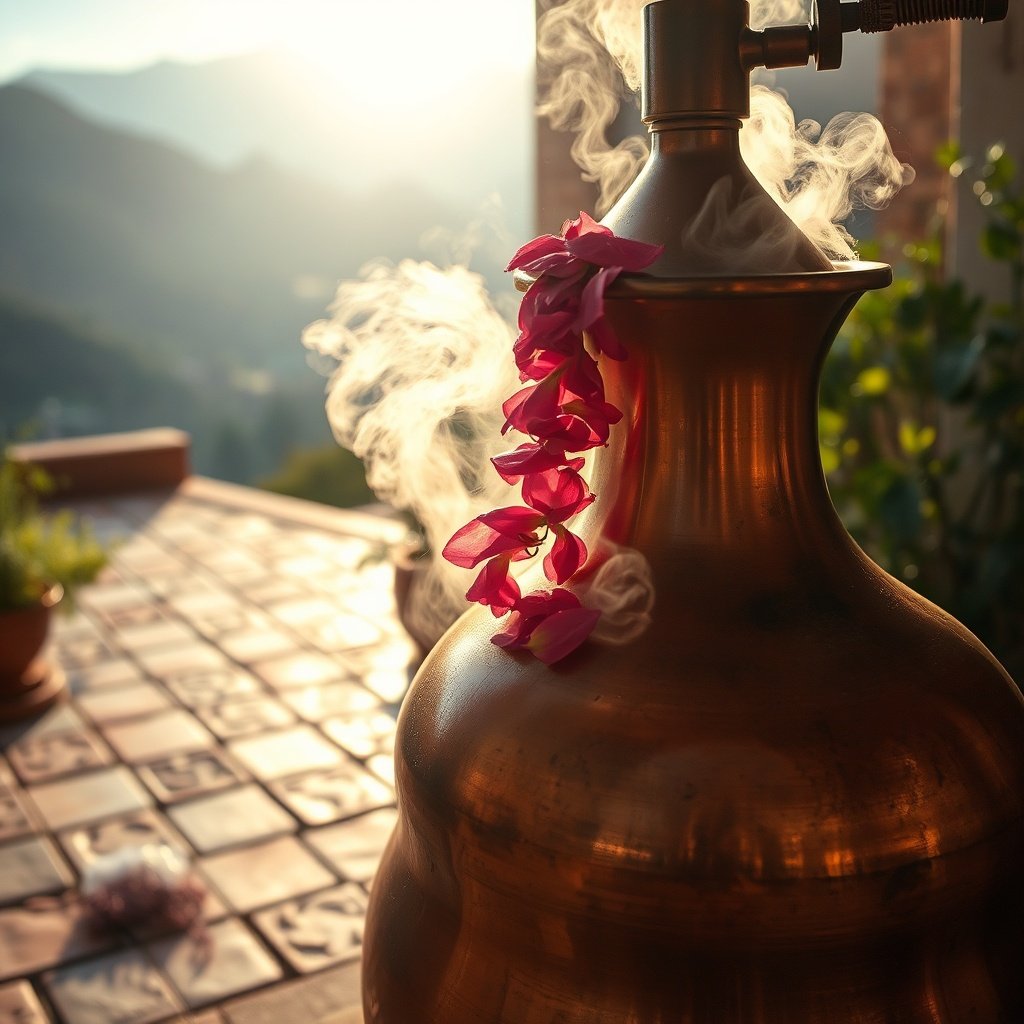
Moroccan rose water is a hydrosol produced by steam-distilling the petals of Rosa damascena, commonly known as the Damask rose. In Morocco, these roses are grown primarily in the Dades Valley, a region in the Atlas Mountains that has been cultivating roses for generations. The distillation process captures both the water-soluble compounds from the petals and trace amounts of the rose essential oil, resulting in a fragrant, slightly acidic liquid that’s naturally suited to the skin’s pH.
Definition: A hydrosol is the aromatic water left over after steam-distilling plant material. Unlike essential oils, which are concentrated extracts, hydrosols are much gentler and can be used directly on the skin.
The Distillation Difference: How Moroccan Rose Water Is Made
Crafted at sunrise using time-honored techniques, this steam-distilled hydrosol captures the gentle, pH-balanced properties that make it a timeless North African beauty secret. The traditional method involves harvesting Damask rose petals at dawn, when their aromatic compounds are most concentrated, and placing them in a copper still. Steam is passed through the petals, causing the volatile compounds to evaporate. As the steam cools, it condenses back into liquid, and that liquid separates into two layers: the essential oil on top and the rose water below. The rose water is then collected and bottled. This process is what distinguishes authentic Moroccan rose water from cheaper alternatives. A true steam-distilled product will have a soft, floral scent and a slightly cloudy or clear appearance, with no added alcohol, preservatives, or synthetic fragrance.
Key Skin-Loving Compounds in Rose Water
Rose water contains a range of naturally occurring compounds that contribute to its cosmetic benefits. Citronellol and geraniol are two of the primary aromatic components, and they’re known for their soothing and pleasant fragrance. Phenylethyl alcohol is another compound that gives rose water its characteristic scent and has mild antimicrobial properties. These compounds work together to give rose water its anti-inflammatory, mildly astringent, and hydrating effects. That’s why it’s been used for centuries as a natural toner and skin refresher. This lightweight, alcohol-free spray delivers instant moisture and soothing relief, making it an effortless addition to any modern daily skincare routine.
Moroccan Rose Water: 10 Surprising Beauty Uses for Skin
Here are the 10 uses we’ll cover in detail:
- Hydrating toner that restores skin’s moisture barrier
- Makeup setting spray for a dewy, refreshed look
- Soothing after-sun spray to calm irritation
- Redness-reducing compress for sensitive skin
- Gentle eye compress to de-puff under-eye bags
- Anti-aging mist to support skin elasticity
- Natural makeup remover that dissolves dirt and oil
- Pore-tightening astringent for oily skin
- Hair rinse for added shine and scalp balance
- Aromatherapeutic bath additive for full-body glow
Comparison Table: Moroccan Rose Water vs. Regular Rose Water vs. Synthetic Toner
| Aspect | Moroccan Rose Water | Regular Rose Water | Synthetic Toner |
|---|---|---|---|
| Source | Steam-distilled Damask roses from Morocco | Can be made from various rose varieties or chemically synthesized | Lab-created with alcohol, acids, or other active ingredients |
| Key properties | Gentle, hydrating, mildly astringent, anti-inflammatory | Varies widely; may be less potent or contain additives | Often astringent or exfoliating; can be drying |
| Skin type suitability | All skin types, especially sensitive and oily | Depends on formulation | Depends on formulation; may irritate sensitive skin |
| Cost | Moderate; higher for authentic steam-distilled | Lower; often diluted or synthetic | Varies widely from cheap to premium |
| Scent | Soft, natural rose fragrance | Varies; may be faint or artificial | Often fragrance-free or synthetic |
| Shelf life | Several months when stored properly | Shorter; may spoil faster | Typically longer due to preservatives |
Quick Answer: Authentic Moroccan rose water is steam-distilled from Damask roses, while regular rose water can be made from other varieties or synthesized in a lab. The Moroccan version is generally more potent and has a more natural scent.
Key Takeaways
- Moroccan rose water is a versatile, multi-purpose beauty staple that can replace several synthetic products in your routine.
- It works for all skin types, including sensitive and oily skin, thanks to its gentle, pH-balancing nature.
- The 10 uses range from hydration to makeup setting to hair care, making it a true all-in-one beauty product.
- Always choose a pure, steam-distilled product for best results — look for an ingredients list with only rose water and nothing else.
Hydration and Balancing Uses (Uses 1-3)
Quick Answer: Moroccan rose water hydrates without stripping, sets makeup, and calms sun-stressed skin. These three uses make it a daily essential for balanced, refreshed skin.
Use 1: As a Hydrating Toner
Rose water works as a toner because it provides lightweight hydration without stripping the skin. Its pH is naturally close to that of human skin, which helps maintain the acid mantle — the protective barrier that keeps moisture in and irritants out. To use Moroccan rose water as a toner, follow these steps:
- Cleanse your face thoroughly with your usual cleanser.
- Soak a cotton pad with Moroccan rose water.
- Gently sweep across the face and neck, avoiding the eye area.
- Follow with moisturizer to seal in hydration.
- Use morning and night for best results.
Use 2: To Set Makeup and Refresh Throughout the Day
Rose water makes an excellent makeup setting spray because it’s lightweight and won’t disturb your foundation. The fine mist helps blend makeup into the skin and gives a dewy, refreshed appearance rather than a matte, powdery finish. To use it as a setting spray, hold the bottle about 6-8 inches from your face and mist evenly. You can also use it throughout the day as a midday refresh, especially if your skin feels tight or your makeup starts to look dry.
Use 3: As a Soothing After-Sun Spray
After sun exposure, skin can become red, hot, and irritated. Rose water’s anti-inflammatory properties make it a natural choice for calming sun-stressed skin. The cooling sensation of a fine mist also provides immediate relief. For an extra cooling effect, you can mix equal parts rose water and aloe vera gel in a spray bottle and keep it in the refrigerator. Spray it on after sun exposure to soothe and rehydrate the skin.
Anti-Aging and Skin Repair Uses (Uses 4-6)
Quick Answer: Rose water’s anti-inflammatory and antioxidant properties help soothe redness, de-puff eyes, and support skin elasticity as part of an anti-aging routine.
Use 4: To Minimize Redness and Irritation
Rose water’s anti-inflammatory properties make it effective for calming reactive, sensitive skin. Whether you’re dealing with rosacea flare-ups, post-shaving irritation, or general redness, a rose water mist can help soothe the skin and reduce visible redness. The easiest way to use it is as a compress. Soak a clean cloth in chilled rose water and place it over the affected area for 5-10 minutes. You can also mist it directly onto the skin throughout the day.
Use 5: As a Gentle Eye Compress for Puffiness
Under-eye puffiness is often caused by fluid retention, and cold compresses are a classic remedy. Rose water adds a gentle, soothing element that makes the compress more pleasant than plain water. To make an eye compress:
- Soak two cotton pads in chilled Moroccan rose water.
- Gently squeeze out excess liquid.
- Place one pad over each closed eye.
- Relax for 10-15 minutes.
- Remove and pat the area dry.
The cool temperature helps constrict blood vessels and reduce swelling, while the rose water’s gentle properties calm the delicate skin around the eyes.
Use 6: To Support Collagen Production
Rose water contains antioxidants that may help protect skin from environmental damage, which is one of the main causes of premature aging. These antioxidants help neutralize free radicals — unstable molecules that can break down collagen and elastin over time. However, it’s important to note that clinical evidence specifically supporting rose water’s role in collagen production is limited. Rose water is best viewed as a supportive, preventive measure rather than a proven collagen booster. Using it consistently as part of a broader anti-aging routine that includes sunscreen and a good moisturizer is the most realistic approach.
Cleansing and Pore-Care Uses (Uses 7-8)
Quick Answer: As a gentle makeup remover and mild astringent, Moroccan rose water cleanses without disrupting the skin barrier and helps tighten pores.
Use 7: As a Natural Makeup Remover
Rose water is gentle enough to dissolve light makeup, including foundation, blush, and eye makeup, without stripping the skin. Its mild cleansing properties help lift away dirt and oil while leaving the skin’s moisture barrier intact. To use it as a makeup remover, soak a cotton pad with rose water and gently wipe across the face. For stubborn eye makeup, hold the pad over the eye for a few seconds to let the rose water break down the product, then wipe gently. Follow with a regular cleanser if needed.
Use 8: To Tighten Pores and Control Excess Oil
Rose water acts as a mild astringent, which means it can help tighten the appearance of pores and control excess oil production. Unlike harsh alcohol-based astringents, rose water doesn’t strip the skin or cause dryness. Use it as the final step in your cleansing routine. After washing your face, sweep a cotton pad soaked in rose water over your skin to remove any remaining residue and help minimize the appearance of pores. It’s especially useful for oily and combination skin types.
Targeted and Unexpected Beauty Uses (Uses 9-10)
Quick Answer: Beyond the face, rose water adds shine to hair and transforms your bath into a relaxing, skin-softening ritual.
Use 9: As a Hair Rinse for Shine and Scalp Health
Rose water isn’t just for your face — it also benefits your hair. As a final rinse after shampooing and conditioning, rose water adds a subtle shine and helps balance the scalp’s pH. The mild astringent properties can also help control excess oil on the scalp. To use it, pour a small amount of rose water over your hair after your regular wash routine, focusing on the roots and scalp. Massage it in gently and leave it in — no need to rinse out. The fragrance also leaves your hair smelling fresh and floral.
Use 10: To Enhance Your Bath and Body Care Ritual
Adding rose water to your bath transforms a regular soak into a relaxing, skin-softening ritual. The warm water helps release the rose fragrance, creating a calming, aromatherapeutic experience. The gentle properties of rose water can help soften and refresh the skin. To use it, add about half a cup of rose water to your bathwater. You can also use it as a body mist after showering — spray it over damp skin and follow with your usual body moisturizer for a light, floral scent and a soft, hydrated feel.
FAQ (Featured Snippet Targeting)
Is Moroccan rose water good for acne-prone skin?
Yes. Rose water’s mild astringent properties help control excess oil, while its anti-inflammatory effects can calm the redness and irritation associated with acne. It’s a gentle option for acne-prone skin, though it’s best used alongside a proper acne treatment routine.
How often should I use rose water on my face?
Twice daily — morning and evening — is typical. You can use it as a toner after cleansing, or as a refreshing mist throughout the day whenever your skin feels dry or tight.
Can I use Moroccan rose water as an eye makeup remover?
Yes. Rose water is gentle enough for the delicate eye area. Soak a cotton pad with rose water, hold it over your eye for a few seconds, and wipe gently. It works best for light to moderate eye makeup.
Does Moroccan rose water need to be refrigerated?
No, but storing it in a cool, dark place will extend its shelf life. Refrigeration can also add a nice cooling effect when used as a mist or compress.
What is the difference between Moroccan rose water and rose essential oil?
Rose water is a hydrosol — the water-based byproduct of steam distillation. It’s gentle and can be used directly on the skin. Rose essential oil is a concentrated extract that must be diluted before use. They serve very different purposes in skincare.
Conclusion
Moroccan rose water is one of the most versatile single-ingredient beauty products available. From hydrating toner to makeup setting spray to hair rinse, the 10 uses we’ve covered show just how much value this simple botanical can add to your routine. The key to getting the best results is choosing a pure, steam-distilled product. Check the ingredient list — authentic Moroccan rose water should contain only rose water, with no added alcohol, fragrance, or preservatives. Once you have a good bottle, you’ll find yourself reaching for it daily.