
The Ultimate Guide to Choosing Between Fabric, Leather, and Knitted Poufs
Poufs have become an essential element in interior design, providing a versatile and comfortable seating option for living rooms, bedrooms, and outdoor spaces. With numerous materials to choose from, selecting the right pouf can be overwhelming. The Ultimate Guide to Choosing Between Fabric, Leather, and Knitted Poufs is designed to help you navigate the process, considering your unique needs, preferences, and space. Whether you’re looking for a statement piece or a functional addition, this guide will walk you through the benefits and drawbacks of each material, ensuring you make an informed decision.
1. Understanding Fabric Poufs### Fabric Types and Their Characteristics
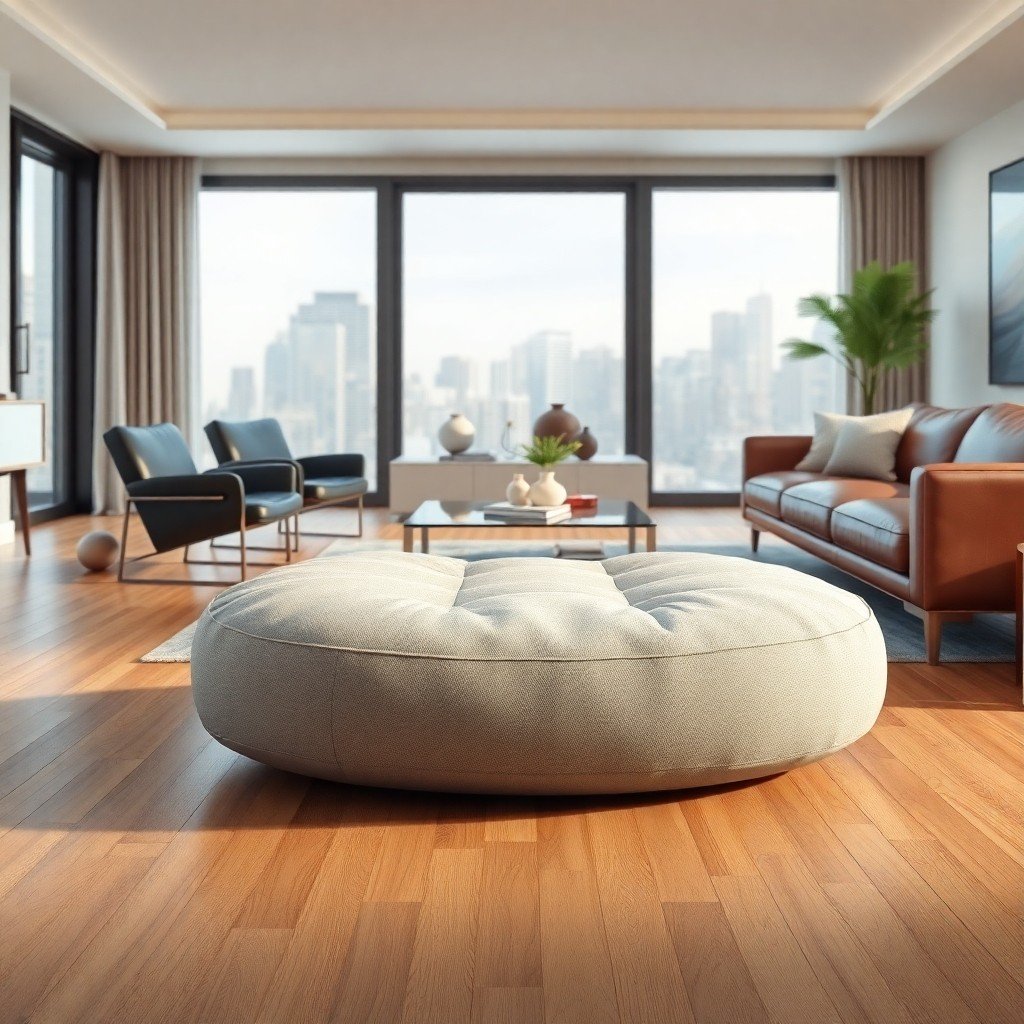
*A stylish modern living room featuring a low-profile fabric pouf, perfect for contemporary interiors.*
Fabric poufs are available in a wide range of materials, including cotton, linen, velvet, and chenille. Each fabric type has its unique characteristics, pros, and cons. For instance, cotton is a popular choice due to its durability and ease of maintenance, while linen is prized for its natural texture and breathability. Velvet, on the other hand, offers a luxurious feel, but may require more maintenance due to its delicate nature. Chenille, a soft and fuzzy fabric, is ideal for creating a cozy atmosphere, but may be prone to pilling.
Fabric Pouf Styles and DesignsFabric poufs come in various styles, from modern and minimalist to bohemian and eclectic. To choose the right style, consider your interior design theme and personal taste. For a modern living room, a sleek and low-profile fabric pouf in a neutral color may be the perfect choice. In contrast, a bohemian-inspired space may call for a vibrant, patterned pouf with a more relaxed, organic shape. When selecting a fabric pouf, think about the overall aesthetic you want to achieve and how the pouf will interact with other furniture pieces.
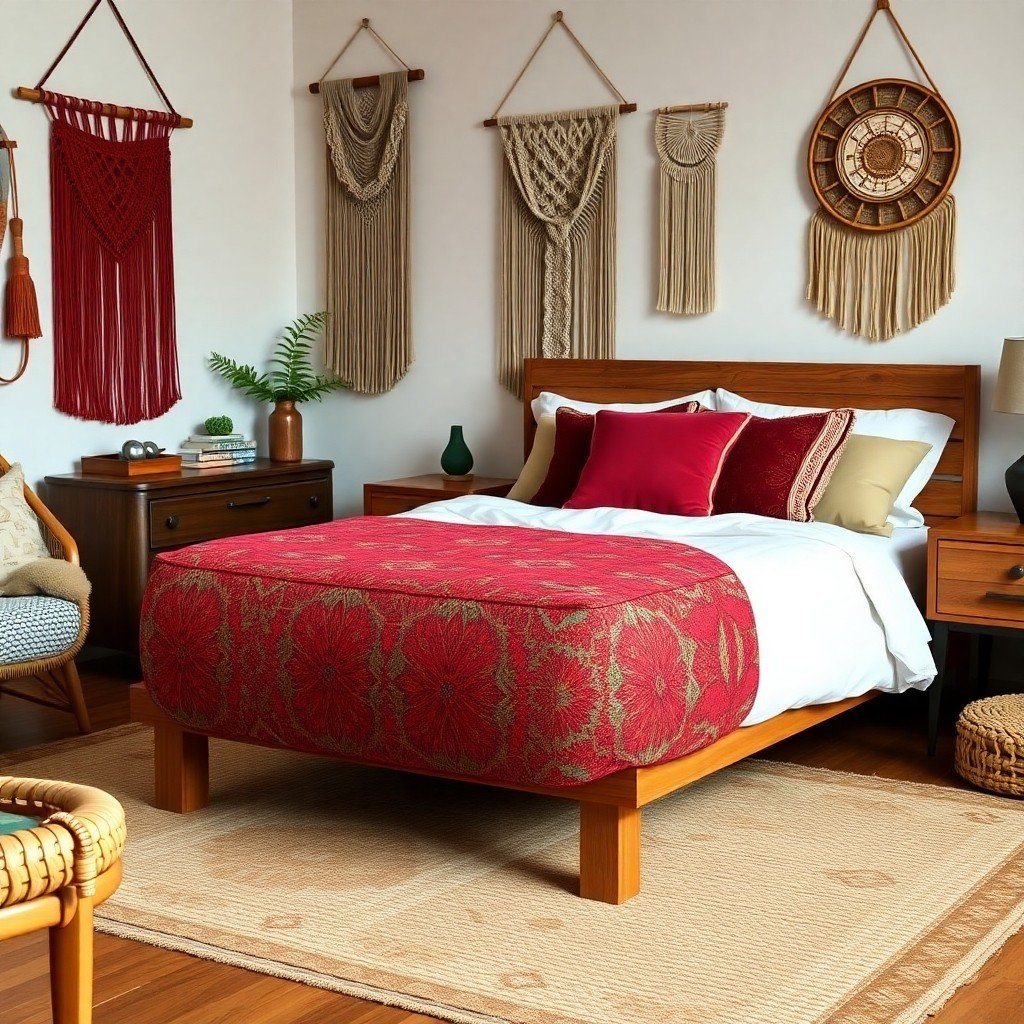
*A charming bohemian bedroom featuring a colorful and patterned fabric pouf, ideal for eclectic and personalized spaces.*
Maintenance and Care Tips for Fabric PoufsTo prolong the lifespan of your fabric pouf, regular maintenance is essential. For cotton and linen poufs, a gentle vacuuming and spot cleaning with a mild detergent should suffice. For velvet and chenille poufs, it’s best to avoid using harsh chemicals or excessive water, as this can damage the fabric. Instead, opt for a soft-bristled brush or a lint roller to remove dust and debris. For tougher stains, consider using a fabric cleaner specifically designed for the type of fabric your pouf is made of. You can also find more information on fabric care and maintenance tips online.
2. Exploring Leather Poufs### Leather Types and Their Unique QualitiesLeather poufs are known for their durability and sophistication, but not all leather is created equal. Full-grain leather, for example, is considered the highest quality, offering a natural, unblemished look and exceptional durability. Top-grain leather, on the other hand, is sanded and finished to remove imperfections, resulting in a more uniform appearance. Bonded leather, a composite material made from leftover leather scraps, is a more affordable option, but may lack the quality and longevity of full-grain or top-grain leather.
Leather Pouf Styles and DesignsLeather poufs can add a touch of elegance to any room, from contemporary to industrial. When selecting a leather pouf, consider the style and design that will complement your existing furniture and decor. A sleek, low-profile leather pouf may be ideal for a modern living room, while a more rustic, distressed leather pouf may be better suited for a country-inspired space. You can find inspiration for leather pouf designs on leather design websites or by visiting furniture stores.
Maintenance and Care Tips for Leather PoufsTo maintain the quality and appearance of your leather pouf, regular conditioning and protection are essential. Use a high-quality leather conditioner to keep the leather soft and supple, and apply a leather protector to prevent stains and spills from penetrating the surface. For tough stains, consider using a leather cleaner specifically designed for the type of leather your pouf is made of. Avoid using harsh chemicals or excessive water, as this can damage the leather and cause it to crack or fade.
3. The World of Knitted Poufs### Knitted Fabric Types and Their CharacteristicsKnitted poufs are made from a variety of yarns, including wool, acrylic, and cotton blends. Each yarn type has its unique characteristics, pros, and cons. Wool, for example, is a natural, breathable material that provides excellent insulation, but may be prone to pilling or shedding. Acrylic yarns, on the other hand, are soft, lightweight, and easy to care for, but may lack the warmth and texture of wool. Cotton blends offer a durable, easy-to-clean option, but may not be as cozy or inviting as wool or acrylic.
Knitted Pouf Styles and DesignsKnitted poufs are perfect for creating a cozy, inviting atmosphere, and come in a wide range of styles, from bohemian to Scandinavian. When selecting a knitted pouf, consider the color, texture, and pattern that will complement your existing decor. A vibrant, chunky knitted pouf may be ideal for a bohemian-inspired space, while a more subtle, pastel-colored pouf may be better suited for a nursery or bedroom. You can find inspiration for knitted pouf designs on knitting pattern websites or by visiting craft stores.
Maintenance and Care Tips for Knitted PoufsTo prolong the lifespan of your knitted pouf, regular maintenance is essential. For wool and acrylic poufs, a gentle spot cleaning with a mild detergent should suffice. For cotton blends, a more thorough cleaning may be necessary, using a gentle cycle and a mild detergent. To prevent pilling or shedding, consider using a fabric shaver or a lint roller to remove loose fibers. You can also find more information on knitting care and maintenance tips online.
4. Comparing Fabric, Leather, and Knitted Poufs### Durability and LifespanWhen comparing fabric, leather, and knitted poufs, durability and lifespan are essential factors to consider. Fabric poufs, depending on the material, can last anywhere from 2 to 10 years, with cotton and linen being more durable than velvet or chenille. Leather poufs, on the other hand, can last 10 to 20 years or more, with full-grain leather being the most durable. Knitted poufs, made from wool or acrylic yarns, can last 5 to 15 years, depending on the quality of the yarn and the construction of the pouf.
Aesthetic Appeal and Design VersatilityEach material has its unique aesthetic appeal and design versatility. Fabric poufs offer a wide range of colors, patterns, and textures, making them ideal for creating a statement piece or adding a pop of color to a room. Leather poufs, with their sleek, sophisticated appearance, are perfect for adding a touch of elegance to a space. Knitted poufs, with their cozy, inviting texture, are ideal for creating a warm and welcoming atmosphere.
Maintenance and Care RequirementsWhen comparing fabric, leather, and knitted poufs, maintenance and care requirements are also essential to consider. Fabric poufs, depending on the material, may require regular vacuuming, spot cleaning, or dry cleaning. Leather poufs require regular conditioning and protection to prevent stains and spills. Knitted poufs, made from wool or acrylic yarns, may require gentle spot cleaning or hand washing.
5. Choosing the Right Pouf for Your Space### Assessing Your Space and StyleWhen choosing the right pouf for your space, it’s essential to assess your room’s size, layout, and style. Consider the existing furniture, decor, and color scheme, and think about the type of pouf that will complement these elements. For a small room, a compact, low-profile pouf may be ideal, while a larger room may call for a more substantial, statement-making pouf.
Budget ConsiderationsPoufs can range in price from under $50 to over $500, depending on the material, size, and quality. When setting a budget, consider the importance of the pouf in your overall decor, as well as your personal taste and preferences. You can find affordable poufs at IKEA or other budget-friendly furniture stores, or invest in a higher-end pouf from a luxury furniture brand.
Final Selection TipsWhen making your final selection, consider the factors discussed in this guide, including material, style, size, and budget. Think about the type of pouf that will complement your existing decor, and the level of maintenance and care you’re willing to provide. With these factors in mind, you’ll be able to choose the perfect pouf for your space, one that will provide comfort, style, and enjoyment for years to come.
Conclusion
The Ultimate Guide to Choosing Between Fabric, Leather, and Knitted Poufs has provided you with the information and insights necessary to make an informed decision. By considering the benefits and drawbacks of each material, as well as your unique needs, preferences, and space, you’ll be able to choose the perfect pouf for your home. Remember to assess your space and style, set a budget, and consider the level of maintenance and care required for each material. With the right pouf, you’ll be able to create a comfortable, inviting atmosphere that reflects your personal taste and style.
FAQ Section
* What are the most popular fabric types used for poufs? Cotton, linen, velvet, and chenille are among the most popular fabric types used for poufs.
* How do I clean and maintain my leather pouf? Use a high-quality leather conditioner to keep the leather soft and supple, and apply a leather protector to prevent stains and spills.
* What are the best knitted pouf styles for a cozy interior? Bohemian, Scandinavian, and cottagecore styles are popular choices for knitted poufs, offering a cozy, inviting texture and a warm, welcoming atmosphere.
* How can I choose the right pouf for my small space? Consider a compact, low-profile pouf in a neutral color, and think about the type of material that will complement your existing decor.
* What are the average prices of fabric, leather, and knitted poufs? Prices can range from under $50 to over $500, depending on the material, size, and quality.
**Meta Description:** The Ultimate Guide to Choosing Between Fabric, Leather, and Knitted Poufs helps you navigate the process of selecting the perfect pouf for your space, considering durability, aesthetic appeal, and maintenance requirements.