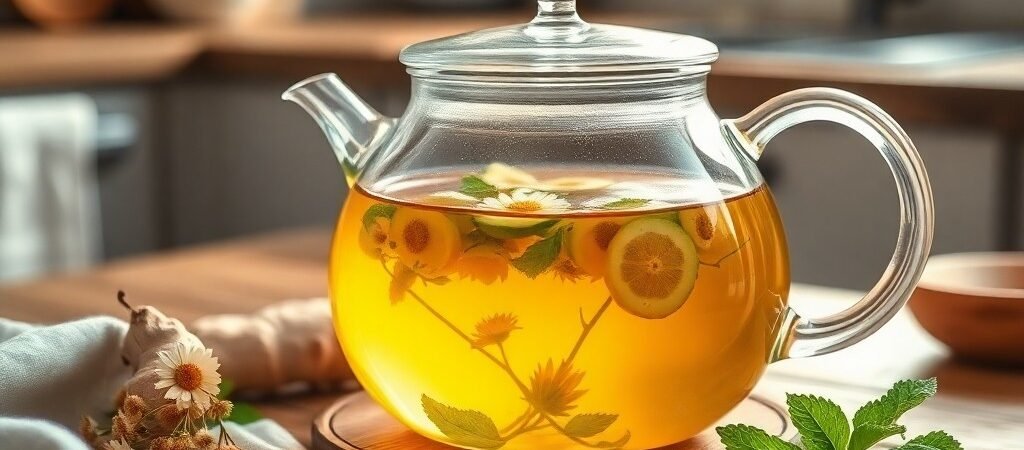
The Benefits of Herbal Teas for Wellness
Picture this: it’s 9 PM, your shoulders are tight from hours at a desk, your mind is racing through tomorrow’s to-do list, and you’re reaching for yet another cup of coffee just to push through the evening. Sound familiar? Millions of adults caught in the cycle of chronic stress and poor sleep are searching for something — a simple, accessible ritual that actually helps the body recover rather than just powering through. The global herbal tea market, valued at over $3.5 billion in 2023 and projected to grow at nearly 8% annually through 2030, reflects just how many people are turning to this ancient practice for modern problems.
Herbal teas — technically called tisanes — are caffeine-free infusions made from dried flowers, leaves, roots, seeds, and bark. Unlike true teas (green, black, and oolong, which all come from the *Camellia sinensis* plant), herbal teas draw from an enormous pharmacopeia of plants, each with distinct bioactive compounds that interact with specific systems in the body. That distinction matters because it means you can target your needs precisely: calming an anxious nervous system, soothing an irritated gut, or giving your immune system the backup it needs during cold season.
What follows is a deep, science-backed look at how specific herbal teas support four major areas of wellness — digestive health, sleep and stress resilience, immune function, and inflammation reduction — along with practical guidance on choosing, brewing, and storing your herbs so you get every bit of benefit from each cup.
How Herbal Teas Support Digestive Health Naturally
The gut and the brain are in constant conversation through the vagus nerve, and when stress disrupts that dialogue, digestion often suffers first. Herbal teas offer a uniquely gentle way to interrupt that cycle, working through carminative (gas-relaxing), antispasmodic, and anti-inflammatory mechanisms that address the root of discomfort rather than just masking symptoms.
Peppermint and Ginger Teas for Bloating and Nausea
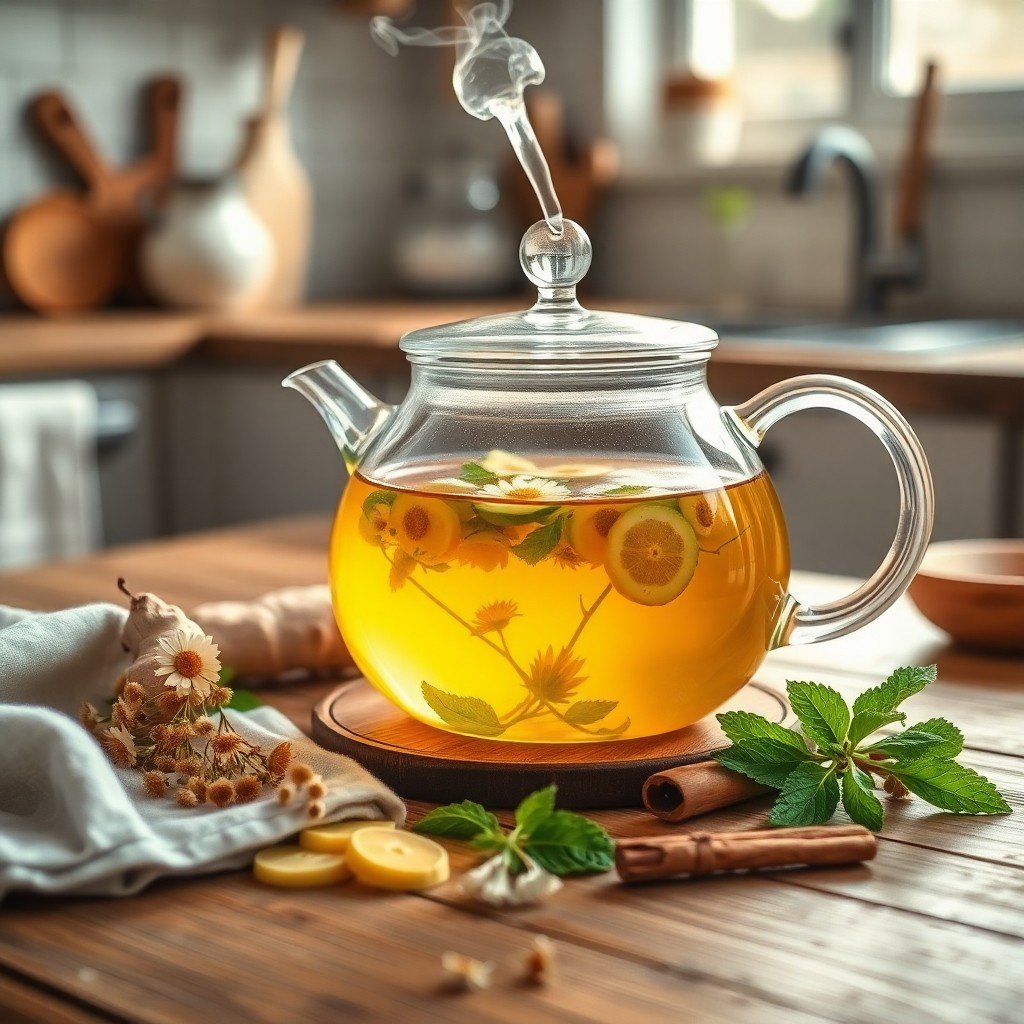
*A warm, inviting close-up of a chamomile and peppermint herbal tea setup, illustrating the article’s section on how herbal teas naturally support digestive health.*
Peppermint has earned its reputation as a digestive powerhouse through well-documented physiology. The menthol in peppermint oil acts as a natural calcium channel blocker in intestinal smooth muscle, which reduces spasms and allows trapped gas to pass more easily. This mechanism is why enteric-coated peppermint oil capsules have been used in clinical settings for irritable bowel syndrome — and drinking a strong peppermint tea after a meal taps into the same pathway, albeit at a milder dose.
Ginger works through a different but complementary route. The gingerol and shogaol compounds in fresh ginger accelerate gastric emptying by stimulating antral contractions, which means food doesn’t sit fermenting in the stomach as long. Multiple clinical trials have confirmed ginger’s effectiveness for nausea across contexts — from morning sickness to chemotherapy-induced nausea — making it one of the most versatile single-herb remedies available. A 2019 meta-analysis published in the *Journal of Ethnopharmacology* found that ginger supplementation significantly reduced nausea severity across 14 randomized controlled trials, with no reported adverse effects at doses equivalent to what you’d get from two to three cups of fresh ginger tea.
For immediate bloating relief, steep one teaspoon of dried peppermint leaf and half a teaspoon of freshly grated ginger in 8 ounces of water just off the boil for eight minutes. Strain and sip slowly after meals.
Chamomile and Fennel for Chronic Digestive Discomfort
When indigestion is driven by stress — that familiar knot in your stomach before a difficult conversation — chamomile is the herb to reach for. Its volatile oils, including bisabolol and chamazulene, act as both antispasmodics and mild sedatives on the enteric nervous system. This dual action makes chamomile especially effective for people whose digestive flare-ups correlate with anxiety or tension.
Fennel seed brings a different set of tools. Traditionally used across Mediterranean and South Asian cultures as a carminative, fennel contains anethole — a compound with documented smooth-muscle relaxant properties in the GI tract. Fennel also contains phytoestrogens that may help regulate hormonal fluctuations affecting digestion, particularly during the luteal phase of the menstrual cycle. A simple digestive-soothing blend combines one teaspoon of chamomile flowers, half a teaspoon of lightly crushed fennel seeds, and a quarter teaspoon of dried lemon balm. Steep in covered boiling water for seven minutes to capture the volatile oils, and drink 20 minutes before meals when you anticipate stress-related digestive upset.
*A cozy, dimly lit bedroom scene showing the nightly ritual of drinking lavender herbal tea, visually reinforcing the article’s focus on sleep and stress resilience.*
Building a Daily Digestive Tea Ritual
Timing matters as much as the herbs themselves. Drinking digestive teas 15 to 30 minutes before meals primes the stomach by stimulating digestive enzyme secretion and relaxing the upper GI tract. Post-meal cups work best when consumed within 30 minutes of eating to catch the early digestive phase. For those managing chronic bloating, a three-herb rotational approach — alternating between peppermint-ginger, chamomile-fennel, and a simple fennel-anise blend — prevents receptor downregulation and keeps the digestive system responsive. Each blend uses roughly two teaspoons of dried herb per eight-ounce cup, steeped covered for eight to ten minutes.
Herbal Teas That Promote Better Sleep and Stress Reduction
Not all calming herbs work the same way, and understanding the difference between strong sedatives and gentle nervines helps you build a nighttime routine that actually improves sleep architecture rather than just knocking you out. Matching each herb’s specific mechanism to your particular sleep challenge is what separates a haphazard bedtime habit from a genuinely effective protocol.
Valerian Root and Passionflower for Deep Sleep Enhancement
Valerian root has been studied extensively for its interaction with the GABAergic system. The valerenic acid in valerian inhibits the enzymatic breakdown of gamma-aminobutyric acid (GABA) in the brain, effectively increasing the amount of your primary inhibitory neurotransmitter available at synaptic receptors. This is the same pathway targeted by benzodiazepines, though valerian works at a fraction of the potency and without the dependency risk. The key caveat: valerian requires consistent nightly use for two to three weeks before reaching full effectiveness, as the GABA modulation is cumulative rather than acute.
Passionflower complements valerian by targeting the cognitive component of sleeplessness — the racing thoughts and rumination that prevent sleep onset. A 2011 double-blind study published in *Phytotherapy Research* found that participants who drank passionflower tea nightly for one week reported sleep quality improvements comparable to a prescription sleep aid, with no morning grogginess. Steep one teaspoon each of dried valerian root and passionflower in boiling water for ten minutes with the lid on. Start this protocol at least two weeks before you expect to see significant results.
Chamomile, Lavender, and Lemon Balm as Gentle Nervines
Gentle nervines differ from sedatives in that they tone and restore the nervous system over time without causing immediate drowsiness — making them suitable for daytime anxiety management as well as evening use. Chamomile’s apigenin content binds to benzodiazepine receptors lightly, producing a subtle calming effect that accumulates with regular consumption. Lavender, studied extensively in the form of Silexan (an oral lavender oil preparation), has demonstrated anxiolytic effects comparable to low-dose lorazepam in clinical trials for generalized anxiety disorder, and even lavender tea provides meaningful exposure to the active linalool and linalyl acetate compounds.
Lemon balm deserves special attention for its dual benefit: it calms the nervous system while simultaneously supporting cognitive performance. A 2014 study in the journal *Nutrients* found that lemon balm extract improved memory and alertness while reducing anxiety — a rare combination that makes it ideal for people who need to stay sharp but feel overstimulated. An evening nervine blend combining one tablespoon of chamomile, one teaspoon of lavender flowers, and one teaspoon of lemon balm, steeped in covered boiling water for eight minutes, provides a comprehensive calming effect safe for nightly use.
Creating a Wind-Down Tea Ritual for Cortisol Management
The ritual of preparing tea is itself a nervous system intervention. The act of measuring herbs, waiting for water to cool to the right temperature, and inhaling aromatic steam activates the parasympathetic nervous system through multiple sensory channels simultaneously. To maximize this effect, designate the 20 minutes before bed as a screen-free zone. Prepare your tea using a visible, intentional process — a teapot rather than a mug with a hidden bag — and spend the steeping time doing slow diaphragmatic breathing (four counts in, six counts out). Drink the tea slowly over 15 minutes rather than gulping it. This three-step protocol — prepare, breathe, sip — creates a reliable cortisol-reduction cue that your nervous system learns to associate with the onset of sleep.
Immune-Boosting Herbal Teas Backed by Research
The phrase “immune boosting” gets thrown around carelessly, but the reality is more nuanced. Effective immunomodulation means supporting the immune system’s ability to respond appropriately — not just cranking it into overdrive. Several herbal teas accomplish this through specific, measurable mechanisms that go far beyond folk tradition.
Echinacea, Elderberry, and Goldenseal for Immune Activation
Echinacea’s primary mechanism involves stimulating macrophage activity and enhancing cytokine production, particularly interleukin-1 and tumor necrosis factor alpha. These are the signaling molecules that coordinate the early immune response to pathogens. A comprehensive meta-analysis published in *The Lancet Infectious Diseases* in 2007 analyzed 14 randomized trials and concluded that echinacea reduced the incidence of the common cold by 65% and shortened cold duration by an average of 1.4 days when taken at the first sign of symptoms.
Elderberry brings potent antiviral properties, primarily through anthocyanin compounds that prevent viral attachment to host cell receptors. Research published in the *Journal of International Medical Research* demonstrated that elderberry extract reduced influenza duration by approximately four days compared to placebo, with significant symptom improvement by day two. Goldenseal’s antimicrobial power comes from berberine, a compound with broad-spectrum antibacterial and antiparasitic activity. However, berberine is also a potent CYP450 enzyme inhibitor, which means goldenseal should be cycled — no more than two weeks on, one week off — and avoided by anyone taking prescription medications metabolized by the liver.
Turmeric, Ginger, and Rooibos as Antioxidant Powerhouses
Chronic oxidative stress suppresses immune function by damaging immune cell membranes and DNA. Herbal teas rich in specific antioxidants address this at the cellular level. Curcumin, the active compound in turmeric, modulates NF-κB signaling — a master inflammatory pathway that, when chronically activated, diverts immune resources away from pathogen defense. The challenge with curcumin is bioavailability: without piperine (from black pepper), less than 1% is absorbed. Adding a pinch of black pepper to turmeric tea increases absorption by approximately 2,000%.
Rooibos, a South African herbal tea, contains unique antioxidants — aspalathin and nothofagin — that have demonstrated significant free-radical scavenging capacity. These compounds are particularly relevant because rooibos is naturally caffeine-free and tannin-free, meaning it can be consumed throughout the day and evening without interfering with iron absorption or sleep. Ginger’s contribution comes through 6-shogaol and 6-gingerol, which have ORAC (Oxygen Radical Absorbance Capacity) values significantly higher than most common fruits and vegetables per gram.
Seasonal Immune Support: A Strategic Tea Rotation
Rather than relying on a single herb year-round, a strategic rotation prevents tolerance and covers multiple immune pathways. During cold and flu season (typically October through March), a four-week rotation works well: Week one focuses on echinacea for acute immune activation at the first sign of exposure. Week two shifts to elderberry for antiviral support. Week three emphasizes turmeric and ginger for the anti-inflammatory and antioxidant foundation. Week four returns to rooibos and gentle herbs to maintain the baseline without overstimulation. This cycling approach respects the immune system’s need for varied stimulation and prevents the downregulation that occurs with continuous use of any single immunostimulant.
Anti-Inflammatory and Pain-Relief Benefits of Herbal Teas
Chronic low-grade inflammation underlies nearly every modern disease — from cardiovascular disease and type 2 diabetes to autoimmune conditions and neurodegenerative disorders. While herbal teas are not replacements for medical treatment, they offer a consistent, low-dose anti-inflammatory intervention that compounds over time. The advantages of incorporating specific herbal teas into your daily routine extend directly into this domain through well-characterized molecular mechanisms that target the same pathways as conventional medications, often with fewer side effects.
Turmeric and Ginger Teas for Joint and Muscle Inflammation

Gingerol and curcumin share a remarkable mechanism: both inhibit COX-2 (cyclooxygenase-2), the same enzyme targeted by NSAIDs like ibuprofen and celecoxib. The critical difference is that NSAIDs also inhibit COX-1, which protects the gastric lining — that’s why chronic NSAID use causes GI side effects. Ginger and curcumin are selective COX-2 inhibitors, providing anti-inflammatory and analgesic effects without the gastric damage. A 2012 study in *Arthritis & Rheumatism* found that ginger extract was statistically comparable to ibuprofen for osteoarthritis knee pain after six weeks, with significantly fewer gastrointestinal complaints.
Bioavailability remains the practical hurdle. As mentioned, curcumin requires piperine for meaningful absorption. Ginger’s active compounds are more bioavailable on their own but are enhanced when consumed with a small amount of fat — a teaspoon of coconut oil or whole milk in your tea makes a measurable difference. For joint inflammation, steep one teaspoon of dried turmeric root (or two teaspoons fresh, grated), half a teaspoon of fresh ginger, and a pinch of black pepper in simmering water for ten minutes. This decoction method extracts more of the fat-soluble curcuminoids than a simple infusion.
Green Tea, Hibiscus, and Rosehip for Systemic Inflammation
While green tea is technically a true tea rather than an herbal tisane, its EGCG (epigallocatechin gallate) content makes it one of the most potent anti-inflammatory beverages available. EGCG suppresses NF-κB activation, reduces pro-inflammatory cytokines like TNF-α and IL-6, and has demonstrated cardiovascular protective effects in large epidemiological studies. Drinking three to four cups of high-quality green tea daily provides approximately 300–400 mg of EGCG — the range associated with measurable anti-inflammatory effects in clinical research.
Hibiscus tea targets the inflammatory marker C-reactive protein directly. A 2010 clinical trial published in the *Journal of Nutrition* found that participants who drank two cups of hibiscus tea daily for six weeks experienced a significant reduction in systolic blood pressure (averaging 7.2 mmHg drop) and C-reactive protein levels compared to placebo. Rosehip, less commonly discussed, contains galactolipids that have been shown to reduce inflammatory markers specifically in joint and synovial tissue. A 2008 randomized trial in *Osteoarthritis and Cartilage* found that standardized rosehip powder reduced pain and decreased the use of backup pain medication by 33% compared to placebo over three months.
Crafting an Anti-Inflammatory Tea Protocol for Daily Use
A practical daily framework pairs morning and evening blends. The morning cup combines green tea (for EGCG’s energizing anti-inflammatory action) with fresh ginger — steep one green tea bag or one teaspoon loose leaf with three slices of fresh ginger for three minutes at 175°F. The evening cup features the turmeric-ginger-piperine decoction described above, providing sustained anti-inflammatory action during the overnight repair cycle. Two to three cups daily, consistently, is the threshold where most clinical research shows measurable biomarker changes. Sporadic use produces pleasant moments but doesn’t move the needle on systemic inflammation.
Choosing, Brewing, and Storing Herbal Teas for Maximum Benefit
Knowing which herbs to use is only half the equation. How you select, brew, and store them determines whether you’re getting a therapeutic dose of active compounds or a cup of pleasantly flavored hot water. This practical knowledge separates casual tea drinkers from people who genuinely harness the benefits of herbal teas for wellness.
Loose Leaf vs. Tea Bags: Quality, Potency, and Bioavailability
The grade of herb used in tea bags matters enormously for potency. Many commercial bags contain “dust” and “fannings” — the lowest grade of tea leaf material, which degrades rapidly and offers significantly reduced surface area for compound extraction. Loose leaf herbs, particularly those labeled “whole leaf” or “cut and sifted,” retain more volatile oils and bioactive compounds because the plant material has been handled less and exposed to less oxygen.
Quality concerns extend beyond potency. A 2019 investigation by researchers at McGill University found that 31 plastic tea bags steeped at 95°C released approximately 11.6 billion microplastic particles and 3.1 billion nanoplastic particles per cup into the water. Herbal tea bags made from similar plastics pose the same risk. Choosing loose leaf herbs with paper filters or stainless steel infusers eliminates this exposure entirely. Reputable loose leaf suppliers like Frontier Co-op and Mountain Rose Herbs provide organic options with transparent sourcing and testing for contaminants.
Optimal Brewing Temperatures and Steep Times by Herb Type
Different plant parts require different extraction methods. Delicate flowers and leaves — chamomile, lemon balm, lavender, mint — infuse best in water just off the boil (around 200°F/93°C) for five to eight minutes. Overheating or over-steeping these herbs releases bitter tannins and destroys volatile oils. Hardy plant parts — roots (valerian, ginger, turmeric), seeds (fennel, coriander), and bark (cinnamon) — require a decoction: simmering the herbs in a covered pot at 195–205°F for 10 to 20 minutes to break down their denser cell walls and extract compounds like curcuminoids and valerenic acid that don’t dissolve easily in hot water alone.
A quick-reference guide for common herbs: peppermint at 200°F for 5–7 minutes; chamomile at 200°F for 7–8 minutes covered; ginger (fresh) at a simmer for 10–15 minutes; valerian root at a simmer for 15–20 minutes; echinacea root at a simmer for 15 minutes; hibiscus flowers at 200°F for 5–8 minutes; turmeric root at a simmer for 10 minutes. Always cover during steeping to trap volatile compounds that would otherwise escape with the steam.
Storage Best Practices to Preserve Potency
The four enemies of herbal tea freshness are light, heat, moisture, and oxygen. Store dried herbs in opaque, airtight containers — amber glass jars with tight-fitting lids or food-grade stainless steel tins — in a cool, dark cabinet away from the stove or dishwasher. Avoid clear glass jars on open shelves, as UV light degrades volatile oils and antioxidant compounds within weeks.
Shelf life varies by herb type. Delicate leafy herbs like lemon balm and mint retain peak potency for six to 12 months. Root-based herbs like ginger and valerian last one to two years. Flower-based herbs like chamomile and hibiscus fall in the 12-to-18-month range. Seeds and bark — fennel, cinnamon — are the most stable, lasting two to three years when stored properly. A simple test: if your dried herb has lost its aromatic scent when you open the container, its active compounds have degraded significantly and it’s time to replace it.
Conclusion: Making Herbal Teas a Sustainable Wellness Habit
Across every category covered here — digestive health, sleep and stress resilience, immune function, and anti-inflammatory support — the common thread is that herbal teas work through specific, measurable biological mechanisms. Peppermint relaxes intestinal smooth muscle. Valerian modulates GABA receptors. Echinacea stimulates macrophage activity. Curcumin inhibits COX-2. These aren’t vague wellness platitudes; they’re documented pharmacological actions delivered in a warm, accessible cup.
The critical variable separating people who benefit from herbal teas from people who merely enjoy the taste is consistency paired with proper technique. Brewing at the right temperature, steeping for the right duration, and drinking regularly — two to three cups daily — is what transforms occasional tea drinking into a legitimate wellness practice. You don’t need to overhaul your life overnight. Pick one target area — better digestion, calmer evenings, fewer seasonal illnesses, or reduced joint inflammation — and commit to a specific tea protocol for four weeks. Track how you feel. Then build from there.
To help you get started, we’ve put together a comprehensive Herbal Tea Wellness Guide that matches specific blends to your individual health goals, including printable brewing charts and seasonal rotation schedules. Visit our resource library to download your free copy and turn your kitchen into the most accessible wellness tool you own.
Frequently Asked Questions
What is the healthiest herbal tea to drink daily?
Chamomile, rooibos, and peppermint are the safest daily staples with the broadest benefit profiles and fewest contraindications. Chamomile supports digestion and relaxation, rooibos delivers unique antioxidants without caffeine or tannins, and peppermint aids digestion and mental alertness. One note of caution: licorice root, while beneficial for adrenal support, can raise blood pressure with daily use and should be avoided by anyone managing hypertension.
Can herbal teas replace medications for anxiety or sleep disorders?
Herbal teas are complementary supports, not medical replacements. Valerian, passionflower, and chamomile have documented anxiolytic and sedative properties, but they don’t match the potency of prescription medications for diagnosed conditions. Importantly, valerian can potentiate the effects of sedatives, benzodiazepines, and alcohol — combining them can cause excessive sedation. Always consult your healthcare provider before using herbal teas alongside any prescription medication.
How long does it take for herbal teas to show wellness benefits?
Effects fall into two categories. Acute benefits — peppermint relieving bloating, chamomile reducing acute anxiety, ginger easing nausea — appear within 20 to 60 minutes of drinking. Cumulative benefits require consistent daily use: turmeric’s anti-inflammatory effects typically emerge after two to four weeks, echinacea’s immune modulation after one to two weeks of cycling, and valerian’s sleep architecture improvements after two to three weeks of nightly use.
Is it safe to mix different herbal teas together?
Most herbs blend safely and often synergistically. Peppermint-ginger, chamomile-lavender, and turmeric-ginger are well-established combinations. Caution is warranted with valerian — avoid blending it with other strong sedatives like hops or kava, as the combined effect can be excessive. Goldenseal should generally be used alone due to its berberine content affecting liver enzyme activity. When in doubt, introduce one new herb at a time to monitor your body’s response.
Are herbal teas safe during pregnancy?
Ginger tea is widely considered safe and effective for pregnancy-related nausea. Rooibos is caffeine-free and rich in antioxidants with no known risks during pregnancy. Red raspberry leaf tea is traditionally used in the second and third trimesters to tone the uterus, though it should be avoided in the first trimester. Herbs to avoid during pregnancy include licorice root (affects cortisol and blood pressure), sage (contains thujone, which can stimulate uterine contractions), and large amounts of chamomile (theoretical emmenagogue effect). Always discuss herbal tea use with your midwife or obstetrician.
**Meta Description:** Discover the science-backed benefits of herbal teas for wellness — from digestive relief and better sleep to immune support and inflammation reduction. Expert brewing tips and specific herb recommendations included.