Introduction
It’s 9:47 PM. You’ve just closed your laptop, silenced your notifications, and collapsed onto the couch — but your shoulders are still hunched up near your ears, your jaw is clenched, and your mind is running through tomorrow’s to-do list at full speed. The tension from the day hasn’t left your body, even though the day itself is over. You’re not alone in this. A 2023 survey by the American Psychological Association found that 67% of adults report physical symptoms of stress — muscle tightness, headaches, disrupted sleep — on a weekly basis. And increasingly, people are turning not to pharmaceuticals or expensive spa appointments, but to something far more accessible: bodycare products for relaxation.
The global bath and body market for stress-relief products has surged past $68 billion, with relaxation-focused formulations driving the fastest growth segment. Consumers are reading labels, demanding transparency, and choosing products that do more than clean or moisturize — they want formulations that actively soothe the nervous system. This guide covers body washes, lotions, oils, aromatherapy blends, and the physical tools that turn a rushed shower into a genuine reset.
1. What Makes a Bodycare Product Truly Relaxing? The Science Behind Soothing Ingredients
The role of scent and touch in nervous system regulation
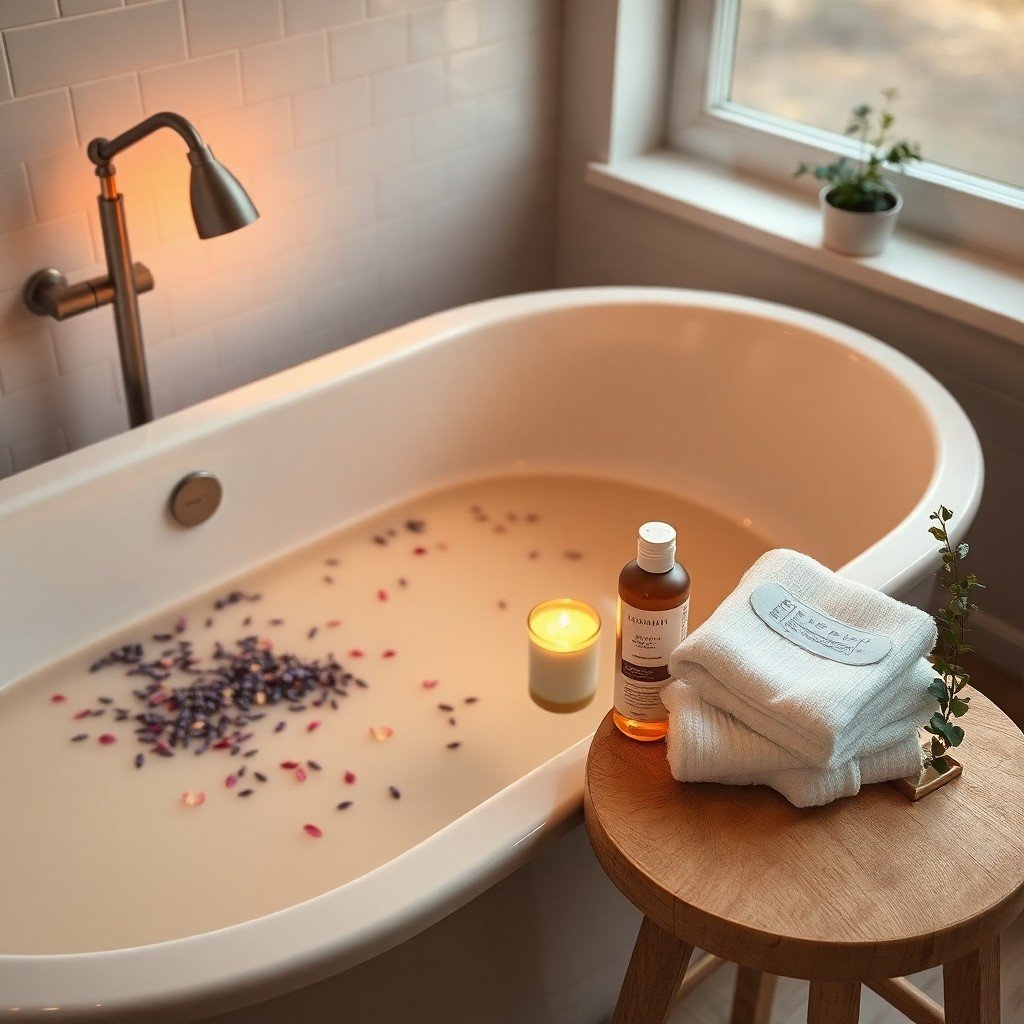
*A warm bathroom scene with premium bodycare products, botanicals, and soft ambient lighting — illustrating the nightly stress-relief ritual.*
Your skin is your largest organ, and your olfactory system has a direct line to your brain’s limbic system — the area that governs emotion, memory, and stress response. Research published in the *Journal of Alternative and Complementary Medicine* confirms that certain aromatic compounds, when inhaled or absorbed through the skin, activate the parasympathetic nervous system, lowering heart rate and cortisol levels. This isn’t just pleasant — it’s physiological. Similarly, the act of slow, deliberate touch during product application triggers the release of oxytocin and reduces circulating stress hormones. When you combine the right ingredients with intentional application, a bodycare routine becomes a legitimate stress-management tool.
Key relaxation-promoting ingredients to look for
Not every soothing ingredient works the same way. Understanding what each one does helps you choose products tailored to your specific tension patterns.
**Lavender (Lavandula angustifolia):** The most studied botanical for relaxation. Linalool and linalyl acetate, its primary compounds, have been shown in clinical trials to reduce anxiety scores comparably to low-dose lorazepam. Look for lavender essential oil or lavender hydrosol in the ingredient list — not just “lavender fragrance.”
**Chamomile (Matricaria recutita):** Contains apigenin, a flavonoid that binds to benzodiazepine receptors in the brain. In bodycare, chamomile extract soothes both skin irritation and mental agitation simultaneously.
**Magnesium (magnesium chloride or magnesium sulfate):** When absorbed transdermally through body washes or oils, magnesium supports muscle relaxation and GABA receptor function. A 2017 review in *Nutrients* found that topical magnesium supplementation can meaningfully reduce muscle soreness and improve sleep quality.
**CBD (cannabidiol):** Topical CBD interacts with the endocannabinoid receptors in the skin, modulating pain signaling and inflammatory response. Products with 200–500 mg of CBD per container tend to deliver noticeable tension relief.
**Ashwagandha (Withania somnifera):** An adaptogenic herb increasingly appearing in body lotions and oils. It helps regulate cortisol levels when applied consistently, making it ideal for chronic stress patterns rather than acute tension.
**Sandalwood (Santalum album):** Its rich, woody aroma has been used in Ayurvedic practice for centuries to quiet mental chatter. In modern bodycare, sandalwood essential oil provides a grounding, meditative scent profile that pairs beautifully with evening routines.
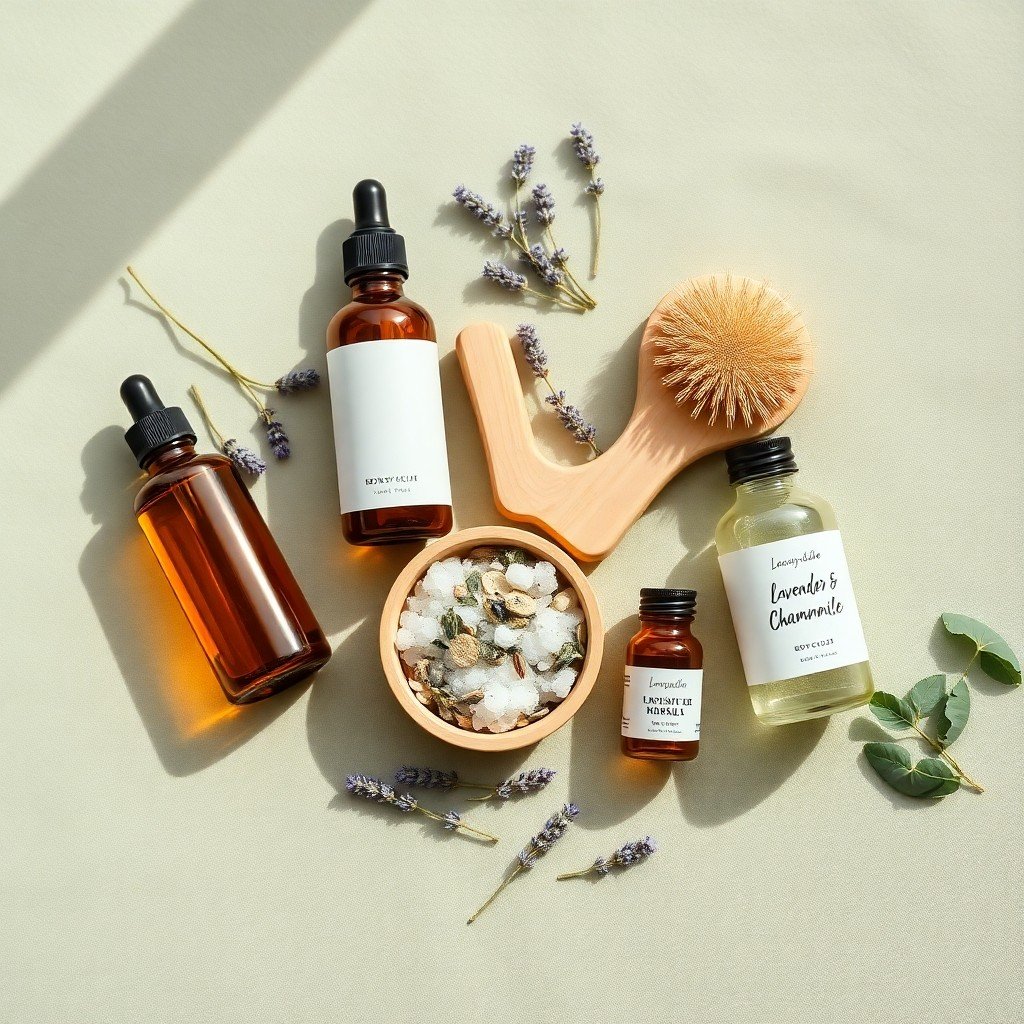
*A flat-lay of body oils, lotions, aromatherapy products, and physical tools surrounded by natural botanicals central to relaxation-focused bodycare.*
Ingredients that undermine relaxation
Just as some ingredients calm, others sabotage your efforts. Synthetic fragrances — listed simply as “parfum” or “fragrance” on labels — can contain hundreds of undisclosed chemicals, some of which are known neurotoxins or skin sensitizers. Alcohol-heavy formulas (denatured alcohol high on the ingredient list) strip the skin barrier and create a tightening sensation that signals stress rather than relief. Harsh sulfates like sodium lauryl sulfate (SLS) overstimulate nerve endings in the skin and can trigger inflammatory responses that counteract the calming effects of beneficial ingredients.
How to read a bodycare label for relaxation potential
A quick label-reading checklist saves you from marketing hype. First, check whether the fragrance source is disclosed — “lavender essential oil” is good; “natural fragrance” is vague. Second, look at ingredient order: the first five ingredients make up roughly 70–80% of the product, so your key actives should appear early. Third, look for third-party certifications like EWG Verified, USDA organic-moroccan-black-soap-with-argan-oil-verbena-authentic-beldi-exfoliating-scrub-traditional-hammam-savon-noir-250g-8-8-oz-copy”>Organic, or COSMOS Natural, which indicate verified ingredient quality. Finally, check for allergy-tested or dermatologist-tested claims if your skin is reactive.
2. The Best Relaxing Body Washes: Turning Your Shower Into a Spa Ritual
Why body wash is the easiest entry point for relaxation
You already shower every day — that’s a built-in ritual waiting to be upgraded. The shower is unique among daily routines because it combines warm water (which naturally relaxes muscles), steam (which opens airways and amplifies scent), and tactile stimulation (which grounds you in your body). Transforming your standard body wash into a calming shower product is the single highest-impact, lowest-effort change you can make in your stress-relief routine.
Top product picks with relaxation-focused formulations
**Aromatherapy Associates Nourishing Bath & Shower Oil:** This cult-favorite blend combines lavender, sandalwood, and rosemary essential oils in a base of jojoba and soybean oil. It emulsifies on contact with water, leaving skin hydrated without residue while flooding the shower with genuine aromatherapy-grade scent. It’s particularly effective for evening use because the sandalwood base note lingers on the skin for hours.
**Aveeno Skin Relief Body Wash:** For sensitive skin types who react to essential oils, this fragrance-free formula uses oat kernel extract and natural lipids to calm both skin and senses. The texture is creamy and minimalist — no foam, no perfume, just a clean, comforting wash that won’t trigger irritation.
**Dr. Teal’s Eucalyptus & Spearmint Foaming Wash:** Eucalyptus stimulates cold-sensitive receptors in the skin, creating a cooling sensation that eases muscle tension. Spearmint provides a gentler menthol effect without the intensity of peppermint. This wash works best after physical activity or long periods of sitting, when muscles need both stimulation and relaxation.
How to maximize relaxation during a shower
Water temperature matters more than most people realize. Water above 105°F (40.5°C) activates the sympathetic nervous system — your fight-or-flight response — by raising heart rate. Aim for warm but not hot: 98–102°F (37–39°C). Before stepping in, spend two minutes dry brushing your skin in long strokes toward your heart. This stimulates lymphatic flow and primes your nervous system for relaxation. During your wash, apply the product slowly using circular motions rather than quick scrubbing. Pair this with a simple breathwork pattern: inhale for four counts through your nose, hold for four, exhale for six through your mouth. Finish with a 30-second cool rinse — the temperature drop activates the vagus nerve, deepening the parasympathetic response.
Common mistakes that reduce the calming effect
Rushing is the number-one enemy. A two-minute shower spent thinking about your inbox won’t relax you, regardless of the product. Water that is too hot causes redness, dehydration, and a stress response that lingers for hours. Over-exfoliating — using scrubs or acids daily — compromises the skin barrier and creates low-grade inflammation that signals the body to stay alert. Limit physical exfoliation to twice per week and let your calming body wash do the work on other days.
3. Post-Shower Relaxation: Body Oils, Lotions, and Butters That Calm the Mind
Why post-shower application is the most effective timing
Your skin is most receptive to absorption within three minutes of stepping out of the shower, when it’s still warm, damp, and slightly swollen from the water. This is when transepidermal absorption peaks, meaning active ingredients like magnesium, CBD, and botanical extracts penetrate more effectively. Beyond the science of absorption, the act of applying moisturizer with slow, deliberate massage strokes — what researchers call “affective touch” — has been shown in a 2020 *Frontiers in Psychology* study to reduce cortisol by up to 31% when performed for just five minutes.
Body oils vs. lotions vs. butters: Which texture suits your relaxation style?
**Body oils:** Absorb slowly, creating a longer sensory experience. They lock in moisture on damp skin and carry scent compounds more effectively due to their lipid base. Best for evening rituals and dry or mature skin. The extended absorption time naturally slows down your application pace, which is itself a relaxation mechanism.
**Body lotions:** Water-based with lighter emollients. They absorb in 60–90 seconds and leave a less greasy finish. Ideal for daytime use, warm climates, or anyone who finds oils too heavy. Look for lotions with ceramides and niacinamide for barrier support alongside calming botanicals.
**Body butters:** The richest texture, typically made from shea, cocoa, or mango butter. They create an occlusive layer that prevents overnight moisture loss and provides a deeply grounding, tactile experience. Best for very dry skin, winter months, or anyone who wants their relaxation routine to feel indulgent and unhurried.
Curated product recommendations
**Lord Jones High CBD Formula Body Oil:** Contains 100 mg of broad-spectrum CBD per ounce in a grapeseed and jojoba oil base. The CBD targets muscle tension while the jojoba oil mimics your skin’s natural sebum for smooth absorption. Apply it to your neck, shoulders, and lower back — the areas where stress most visibly accumulates.
**Kiehl’s Creme de Corps Soy Milk & Honey Body Butter:** A shea butter and chamomile formula with a subtle honey-warm scent. It’s thick enough to require slow application, which forces you to slow down. The chamomile extract provides mild anti-inflammatory benefits, making this a strong choice for skin that’s both dry and reactive.
**Herbivore Botanicals Sandalwood Nourishing Body Oil:** A lightweight blend of sandalwood, borage seed oil, and blue tansy. The sandalwood provides a meditative, earthy scent that’s grounding without being sedating — making it suitable for both evening relaxation and daytime calm. Blue tansy adds a subtle blue hue and anti-inflammatory bisabolol, which soothes irritated skin.
DIY self-massage technique for relaxation
You don’t need professional training to perform an effective self-massage. Start with 3–5 pumps of body oil warmed between your palms. Begin at your neck: use both hands to apply gentle downward pressure along the trapezius muscles, moving from your ears toward your shoulders. Repeat five times. Move to your hands: press your thumb into the fleshy pad between your index finger and thumb on the opposite hand, hold for ten seconds, then release. For your feet, use both thumbs to press along the arch from heel to ball in slow, circular motions. Finish by cradling your face in your palms and taking three deep breaths. The entire routine takes five minutes and activates pressure receptors that signal safety to your nervous system.
4. Aromatherapy Bodycare: Harnessing Essential Oils for Deep Calm
The difference between scented and aromatherapy bodycare
Many products claim aromatherapy benefits while containing only trace amounts of essential oils or synthetic fragrance compounds designed to smell like botanicals. True aromatherapy bodycare uses therapeutic-grade essential oils at concentrations high enough to deliver measurable physiological effects — typically 1–3% dilution for leave-on products and 3–5% for wash-off products. The distinction matters because synthetic lavender fragrance contains linalool but lacks the full spectrum of calming compounds found in genuine *Lavandula angustifolia* oil. When shopping, look for products that list specific essential oils (not just “natural fragrance”) and ideally provide GC/MS test reports verifying oil purity.
Best essential oil blends for specific relaxation needs
**Sleep support — lavender + cedarwood + vetiver:** Lavender initiates the calming response, cedarwood deepens it through the hormone serotonin, and vetiver — with its earthy, anchoring scent — prevents the racing thoughts that keep you awake. This combination is most effective in a body oil or diffuser applied 30–60 minutes before bed.
**Anxiety relief — bergamot + frankincense + ylang-ylang:** Bergamot (a citrus oil) lifts mood without overstimulating, frankincense slows and deepens breathing through its effect on the limbic system, and ylang-ylang reduces heart rate variability. This blend works well in a body mist or roll-on balm for daytime anxiety management.
**Muscle recovery — peppermint + eucalyptus + rosemary:** Peppermint’s menthol activates cold receptors that distract from pain signals, eucalyptus reduces inflammation, and rosemary improves circulation to speed recovery. Use this blend in a shower steamer or body wash after physical activity.
Product picks and application methods
**Aura Cacia Chill Pill Aromatherapy Balm Stick:** A portable balm stick infused with lavender, peppermint, and frankincense in a beeswax and coconut oil base. Apply to temples, wrists, and behind the ears for on-the-go calm. The stick format makes it easy to reapply throughout the day without mess.
**Cleopatra’s Choice Shower Steamers:** These effervescent tablets release essential oils into your shower steam on contact with water. Each steamer contains a specific blend — their “Calm” version uses lavender, chamomile, and eucalyptus at concentrations strong enough to create a genuine aromatherapy experience. Place one on the shower floor away from the direct water stream for maximum diffusion.
**Mist & Stone Aromatherapy Body Oil Roll-On:** A blend of lavender, chamomile, and bergamot in a jojoba carrier, designed for targeted application to pulse points. The roll-on format allows precise dosing, and the 10 ml size fits easily in a bag or nightstand drawer for quick access during stressful moments.
Safety considerations
Essential oils are potent. Never apply undiluted essential oils directly to your skin — always use them in a carrier oil, balm, or product formulated with proper dilution. Perform a patch test on your inner forearm 24 hours before full-body use. If you’re pregnant or nursing, avoid clary sage, rosemary, and peppermint in large quantities; stick to lavender, chamomile, and citrus oils, which are generally considered safe. Keep essential oil products away from children under six, and store all oils in dark glass bottles away from heat and sunlight to preserve their therapeutic properties.
5. Relaxation Bodycare Tools and Accessories: Elevating the Physical Experience
Why tools amplify the relaxation response
Physical tools do more than enhance product application — they engage the somatosensory cortex, the part of your brain that processes touch. Research from the University of Miami’s Touch Research Institute shows that moderate-pressure touch (like brushing or massage) reduces cortisol and increases serotonin within minutes. Tools also create a tactile ritual element: picking up a dry brush or gua sha stone signals to your brain that a dedicated relaxation period has begun, which primes your nervous system for calm even before any product touches your skin.
Top tools to pair with relaxation bodycare
**Dry brush (natural bristle):** Use before your shower to stimulate lymphatic drainage and remove dead skin cells. Look for a brush with medium-firm natural boar bristles and a long handle for reaching your back. Brands like Yerba Prima and Kent Brushes offer well-made options under $20. Brush in long, sweeping strokes always moving toward your heart — this direction supports venous return and lymphatic flow.
**Body gua sha stone:** Traditionally used on the face, body-sized gua sha tools made from jade or rose quartz work beautifully on the neck, shoulders, and legs. Apply body oil first, then use the stone with gentle pressure in upward strokes. The coolness of the stone combined with the pressure creates a deeply grounding sensation.
**Silk exfoliating mitt:** For sensitive skin that can’t tolerate dry brushing, a Moroccan Kessa exfoliating mitts provides gentle exfoliation while remaining soft enough to use daily. The silk texture creates a sensory experience that feels luxurious without being aggressive.
**Heated body brush or massage roller:** Tools like the Lunix LX3 or simple heated massage rollers add warmth to the massage experience, which further relaxes muscle fibers and enhances product absorption. These are particularly effective for people with chronic muscle tension in the lower back and shoulders.
How to build a relaxation bodycare toolkit on a budget
You don’t need every tool. Prioritize a dry brush ($10–15) and a small gua sha stone ($8–12) as your foundation. Add a silk mitt ($5–8) if you have sensitive skin. Total investment: under $35 for a complete toolkit that lasts years with proper care.
Maintenance and hygiene tips
Rinse your dry brush after each use and allow it to air-dry bristles-down. Deep-clean it weekly by soaking the bristle head in warm water with a drop of tea tree oil for five minutes. Gua sha stones should be washed with mild soap after each use and stored in a dry cloth pouch. Replace silk mitts every 2–3 months as the fibers wear down. Clean heated tools according to the manufacturer’s instructions — most have wipe-clean surfaces that should never be submerged in water.
6. Building a Full Relaxation Bodycare Routine: A Step-by-Step Evening Ritual
Why a consistent routine deepens relaxation over time
The human brain thrives on predictability. When you perform the same sequence of calming actions at the same time each night, your brain begins to associate the early steps with the relaxation that follows — a phenomenon known as conditioned relaxation response. After two to three weeks of consistency, simply lighting your candle or picking up your dry brush will begin lowering your heart rate before your shower even starts. This is why the most effective stress-relief formulations work best within a ritual framework rather than as isolated purchases.
The 15-minute evening bodycare ritual (step-by-step)
**Step 1: Set the environment (2 minutes).** Dim the lights to 50% or lower. Light a soy or beeswax candle — the flicker rate of a natural flame (around 10 Hz) mirrors alpha brain wave frequency, promoting calm. Play ambient music or nature sounds at low volume. Put your phone in another room or enable Do Not Disturb mode.
**Step 2: Dry brush (3 minutes).** Starting at your feet, brush in long strokes up your legs toward your heart. Move to your arms, brushing from hands to shoulders. Use circular motions on your abdomen. Focus on the sensation rather than rushing to completion.
**Step 3: Warm shower with calming body wash (5 minutes).** Set water temperature to warm, not hot. Apply your chosen relaxation body wash using slow, circular massage motions. Practice the 4-4-6 breathing pattern throughout. Finish with a 30-second cool rinse.
**Step 4: Pat dry and apply body oil with self-massage (5 minutes).** While skin is still damp, apply body oil using the self-massage technique described in Section 3. Focus extra time on areas where you hold tension — for most people, this is the neck, jaw, shoulders, and lower back.
**Step 5: Apply aromatherapy balm to pulse points (2 minutes).** Dab a chamomile or lavender balm to your inner wrists, behind your ears, temples, and the center of your chest. These pulse points generate heat that slowly diffuses the scent throughout the night.
Customizing the routine for different needs
**Quick 5-minute version (busy nights):** Skip the dry brush. Take a 3-minute shower with calming body wash, pat dry, apply body oil to neck and shoulders only, and apply balm to wrists. Even this abbreviated version triggers measurable parasympathetic activation.
**Extended 30-minute version (deep restoration):** Add a 10-minute warm bath with Epsom salts and essential oils before the shower. Extend self-massage to 10 minutes, covering legs and feet. Add a guided meditation or body scan during the massage.
**Sensitive skin adaptation:** Replace dry brush with a silk mitt. Use fragrance-free body wash. Choose a ceramide-based lotion instead of essential oil-based body oil. Apply a fragrance-free balm to pulse points.
Tracking the benefits
Keep a simple habit tracker — a notebook or app — and rate your sleep quality (1–10) and next-day tension level each morning. After 30 days, compare your averages from week one to week four. Most people report a 20–40% improvement in sleep onset time and a noticeable reduction in morning muscle stiffness within the first month of consistent practice.
Conclusion
The most effective bodycare products for relaxation aren’t about luxury branding or expensive packaging — they’re about formulations that genuinely interact with your nervous system to reduce stress, ease muscle tension, and prepare your body for restorative sleep. From lavender-infused body washes that transform your shower into a calming ritual to CBD body oils that target the specific areas where you hold your day’s stress, the products covered in this guide offer real, evidence-informed benefits. Pair them with the right tools — a dry brush, a gua sha stone, a quality aromatherapy balm — and a consistent evening sequence, and you create a practice that compounds in effectiveness over time.
You don’t need to overhaul your entire bathroom cabinet tonight. Start with one product — a calming body wash or a magnesium-infused lotion — and build from there. Add one tool. Commit to the 15-minute evening ritual for two weeks. Notice what shifts. If you found a product that genuinely helped you unwind, share it in the comments below or tag us on social media — your recommendation might be exactly what someone else needs.
And if you want to go deeper on creating a full home spa experience, our guide on how to create a home spa experience covers everything from bath soak formulations to ambient room design for maximum relaxation.
Frequently Asked Questions (FAQ)
**What bodycare products help with anxiety and stress?**
Products containing lavender, chamomile, CBD, or magnesium are the most effective for anxiety and stress relief. Body oils and aromatherapy balms applied with slow, intentional massage tend to produce the strongest results because they combine olfactory stimulation with the cortisol-lowering effects of tactile touch.
**Is body oil or body lotion better for a relaxation routine?**
Body oils are generally better for evening relaxation rituals because they absorb slowly, carry scent longer, and create a more deliberate, mindful application experience. Body lotions are better suited for daytime use when you need something lightweight that absorbs quickly under clothing.
**How often should I use relaxation bodycare products?**
Daily use is safe for most gentle, moisturizing formulations. However, products with high concentrations of essential oils — aromatherapy balms, concentrated body oils — are best used 3–5 times per week to prevent olfactory fatigue, where your nose becomes desensitized to the scent and the relaxing effect diminishes.
**Can relaxation bodycare products actually improve sleep quality?**
Yes. Multiple peer-reviewed studies support this. A 2012 study in the *Journal of Alternative and Complementary Medicine* found that lavender aromatherapy improved sleep quality scores by 15–20% in participants. Magnesium-infused bodycare has similarly been shown to reduce nighttime muscle cramping and improve sleep onset latency.
**What is the best bodycare product for sensitive skin that still promotes relaxation?**
Fragrance-free, oat-based or ceramide-rich formulas with minimal essential oil content are your safest bet. Look for products labeled hypoallergenic and dermatologist-tested. Aveeno’s Skin Relief line and Vanicream’s moisturizing cream both provide calming, soothing effects without the irritants that trigger reactive skin.
**Meta Description:** Discover the best bodycare products for relaxation, from calming body washes and CBD oils to aromatherapy balms. Build an evening ritual that actually reduces stress.