Introduction
Small Space Interior Design: Incorporating Moroccan Furniture feels like a paradox at first glance—rich, intricate décor meeting a studio’s tight dimensions. Yet the vibrant geometry, warm textures, and layered lighting of Morocco can actually enlarge a room’s perception when applied with restraint. The key lies in choosing pieces that echo traditional motifs without overwhelming floor space, and in pairing those items with a palette that reflects light. When a compact pouf in hand‑woven leather sits beside a sleek, low‑profile bench, the eye is drawn to texture rather than square footage. This approach solves the classic dilemma of “how do I add personality without crowding?” by letting each Moroccan element serve a dual purpose—beauty and function. Below, you’ll discover how to blend bold heritage with clever spatial planning, turning a modest apartment into a cozy oasis that still feels airy.
1. Understanding Moroccan Aesthetics in Small Spaces ### 1.1. Core design principles that translate to compact rooms
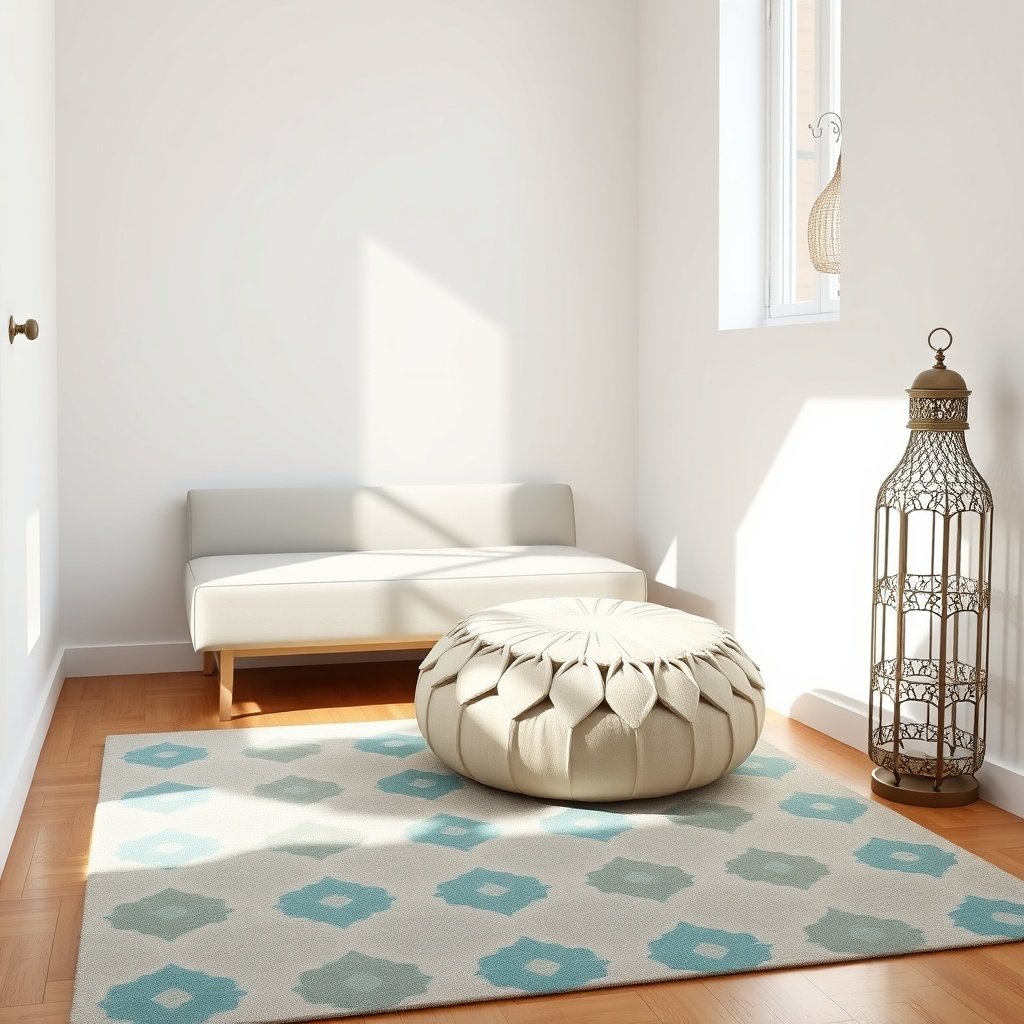
*A wide shot establishing the balance between intricate Moroccan elements and modern minimalism in a small footprint.*
Balance is achieved by distributing visual weight across walls, floor, and ceiling. In a 7 × 9‑foot studio, place a patterned rug opposite a slim lantern to create symmetry without adding bulk. Symmetry does not require identical items; mirrored color families—such as teal cushions flanking a neutral sofa—produce equilibrium. Layered textures replace excess objects: a silk cushion, a woven wall hanging, and a brushed‑metal tray each add depth while occupying minimal square inches.
1.2. Scale‑smart selections: What makes a piece “Moroccan‑friendly” for tight footprints?
A Moroccan‑friendly item respects a 1:4 size ratio, meaning the piece should not exceed one‑quarter of the room’s longest dimension. Low‑profile silhouettes, like a 12‑inch high pouf, keep sightlines clear. Modular construction allows a three‑section sideboard to be split into two smaller units when space is scarce. Choosing furniture with recessed legs lifts the floor, creating an illusion of extra clearance.
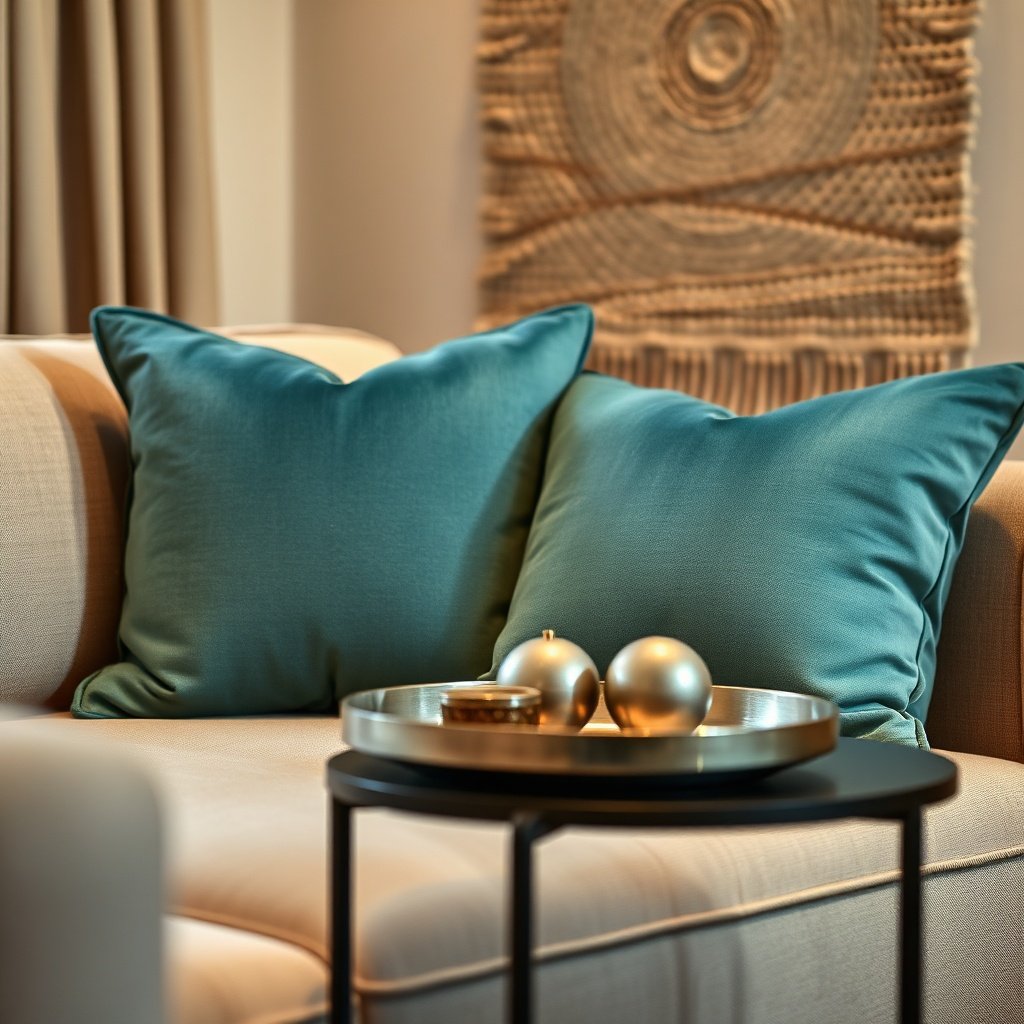
*A detail shot focusing on the specific materials and color symmetry mentioned in the text to add depth without clutter.*
1.3. Cultural storytelling without clutter
A single lantern with hand‑blown glass can convey centuries of trade routes while occupying only a few inches of wall space. Position the lantern at eye level near the entryway; its warm glow instantly signals Moroccan influence. Pair it with a narrow, carved cedar panel that doubles as a coat rack, delivering narrative depth without adding a full wall mural.
2. Selecting Space‑Saving Moroccan Furniture Pieces ### 2.1. Compact staples: low‑profile poufs, fold‑away ottomans, and slim‑line benches
When scouting for a pouf, prioritize hand‑stitched leather or woven sisal that compresses under weight, allowing it to serve as both seat and footrest. A fold‑away ottoman with a hinged lid can hide blankets or magazines; look for aluminum hinges that stay flush when closed. Slim‑line benches crafted from reclaimed teak provide a sturdy seating edge without extending beyond 18 inches in depth, perfect for a kitchen island or bedroom footboard.
2.2. Multi‑functional pieces that double as storage
A carved cedar chest measuring 30 × 18 × 12 inches can act as a coffee table while offering two hidden drawers. To fit it into a 6′ × 8′ room, first measure the distance between the sofa’s front edge and the nearest wall; ensure at least a 24‑inch clearance for comfortable circulation. Place the chest centrally, then use the top for serving drinks and the drawers for board games or spare linens.
2.3. Curated sourcing: Where to find authentic yet space‑conscious Moroccan items
Boutique e‑commerce sites such as Moroccan Decor Hub specialize in compact lanterns and hand‑carved stools shipped in flat‑pack form. Local flea markets often feature up‑cycled wooden crates that can be refinished with traditional zellige patterns. For tighter budgets, explore community swap groups where a neighbor may trade a vintage brass tray for a set of indoor plants.
3. Color & Pattern Strategies to Maximize Perception of Space ### 3.1. Light‑based palettes: Using traditional Moroccan hues in a “room‑expanding” way
Start with a base of off‑white walls; this reflects natural light and prevents deep terracotta from shrinking the space. Introduce a single accent wall painted in muted saffron (RGB 255, 153, 51) that occupies no more than 15 % of total wall area. Add soft neutrals—linen curtains, a pale gray sofa—to keep the room breathable while still honoring Moroccan warmth.
3.2. Pattern scaling: Applying intricate tile or textile motifs without overwhelming
Choose micro‑scale geometric prints for throw pillows; a 5 × 5 inch pattern repeats without dominating the visual field. For larger statements, install a single 24 × 36‑inch tile as a backsplash behind the stove, ensuring the surrounding cabinets remain solid white. This selective placement draws attention without creating a chaotic backdrop.
3.3. Reflective surfaces & lighting to amplify Moroccan richness
A mirrored tray on a nightstand reflects both the lantern’s glow and daylight, effectively enlarging the perceived surface area by up to 30 % according to interior‑design studies. Pair the tray with a brushed‑copper floor lamp that mimics traditional lantern silhouettes, allowing metallic highlights to bounce light across the room.
4. Multi‑Functional Layouts: Combining Traditional Design with Modern Small‑Space Solutions ### 4.1. Z‑zone planning: Defining zones without erecting walls
Map the floor into three rectangles: a 5 × 7‑foot living zone, a 3 × 5‑foot sleeping nook, and a 2 × 4‑foot work corner. Use a low‑profile Moroccan bench as a subtle divider between living and sleeping areas; its open back maintains sightlines while signaling a shift in function. A compact desk with a built‑in drawer can occupy the work corner without protruding into circulation pathways.
4.2. Vertical storytelling: Leveraging walls for Moroccan art and shelving
Install a wall‑mounted shelf made from reclaimed cedar, measuring 48 × 8 inches, at eye level. Hang a hand‑blown lantern on the left side and a woven wall hanging on the right to create a balanced triptych. Secure the shelf with concealed brackets to keep the aesthetic clean.
4.3. Flexible furniture arrangements for daily transitions
Sliding wooden screens painted in muted indigo can be folded away when entertaining guests, instantly converting the sleeping nook into an open lounge. Nesting tables in brushed brass allow you to pull out extra surface area for meals and tuck them back when not needed. Stackable stools, each no taller than 14 inches, can be stored in a corner closet and brought out for impromptu gatherings.
5. DIY & Budget Hacks: Authentic Moroccan Touch Without Overcrowding ### 5.1. Up‑cycling thrift finds into Moroccan‑style statement pieces
Locate a plain wooden stool at a second‑hand store and sand it smooth. Apply a two‑tone paint scheme: a base coat of ivory followed by hand‑painted Zellige‑inspired diamonds using acrylics. Seal with matte polyurethane; the finished piece costs under $25 and adds a handcrafted focal point.
5.2. Fabric swaps: Adding Moroccan textiles to existing furniture
Purchase a Berber‑woven slipcover for a compact armchair; the fabric typically measures 48 × 48 inches, enough to wrap the seat and back while leaving the legs exposed. Attach the cover with hidden Velcro strips, allowing easy removal for cleaning. The vibrant pattern injects cultural flair without altering the chair’s footprint.
5.3. Smart accessorizing: Curating a “less is more” accessories list
Select three pieces: a brass lantern, a 4 × 6‑foot kilim rug, and a set of two patterned throw pillows. Position the lantern on a side table opposite the rug’s edge to create a visual anchor. Arrange the pillows on the sofa in alternating colors to tie the palette together. This concise trio delivers maximum impact while preserving open floor space.
Conclusion
Small Space Interior Design: Incorporating Moroccan Furniture demonstrates that heritage style can thrive in compact living areas when you respect scale, prioritize multifunctionality, and choose a light‑enhancing color scheme. Understanding core aesthetics, selecting space‑saving pieces, mastering color and pattern, arranging flexible zones, and applying budget‑friendly DIY tricks together form a roadmap to a cohesive Moroccan oasis. Begin with a single change—perhaps a low‑profile pouf or a brushed‑copper lantern—and let each addition build upon the last. For a step‑by‑step guide, download the printable “Moroccan Small‑Space Planner” and start transforming your tiny home today.
FAQ
**How can I add a Moroccan vibe to a studio apartment without making it feel cramped?**
Choose one statement lantern, a compact pouf, and a muted terracotta accent wall. Keep the lantern at eye level, place the pouf near the seating area, and limit the accent wall to a single side to preserve openness while introducing cultural texture.
**What are the best Moroccan furniture pieces for rooms under 150 sq ft?**
Low‑profile poufs, fold‑away ottomans, slim cedar benches, and carved chests that double as coffee tables are ideal. Each piece stays under 20 % of the room’s total surface area, ensuring circulation remains unobstructed.
**Which colors and patterns create the illusion of a larger space in Moroccan design?**
A base of off‑white or light sand, paired with a single deep terracotta accent, expands visual depth. Use micro‑scale geometric pillow prints and a single large‑scale tile as a focal point; reflective metal trays further amplify light.
**Can I create a Moroccan look on a budget? What DIY tricks work best?**
Up‑cycle thrifted stools with hand‑painted Zellige motifs, swap existing upholstery for Berber‑woven slipcovers, and source inexpensive brass lanterns from local markets. Each DIY project costs under $30 and adds authentic texture without crowding the room.
**How do I arrange Moroccan furniture to maintain flow in an open‑plan tiny home?**
Employ Z‑zone planning: use a low‑profile bench as a subtle divider, place sliding screens for privacy, and select nesting tables that can be tucked away. Align furniture along the room’s longest walls to guide movement naturally.
**Meta Description:** Transform tiny apartments with space‑saving Moroccan furniture, color tricks, and DIY hacks for a stylish, airy oasis.