Introduction
Creating a dedicated spot for stillness can shift the daily grind into a series of intentional pauses. When you step into a purpose‑built nook, the brain registers a cue to lower cortisol, deepen breathing, and settle into focus. A 2023 wellness survey of 2,500 households reported a 42 % increase in perceived stress reduction among participants who added a home meditation space. This guide walks you through every design decision—from locating the optimal corner to choosing scents that signal relaxation—so you can transform any underused area into a calming retreat.
1. Assess Your Space & Energy Flow ### 1.1 Map the room’s natural light and traffic patterns
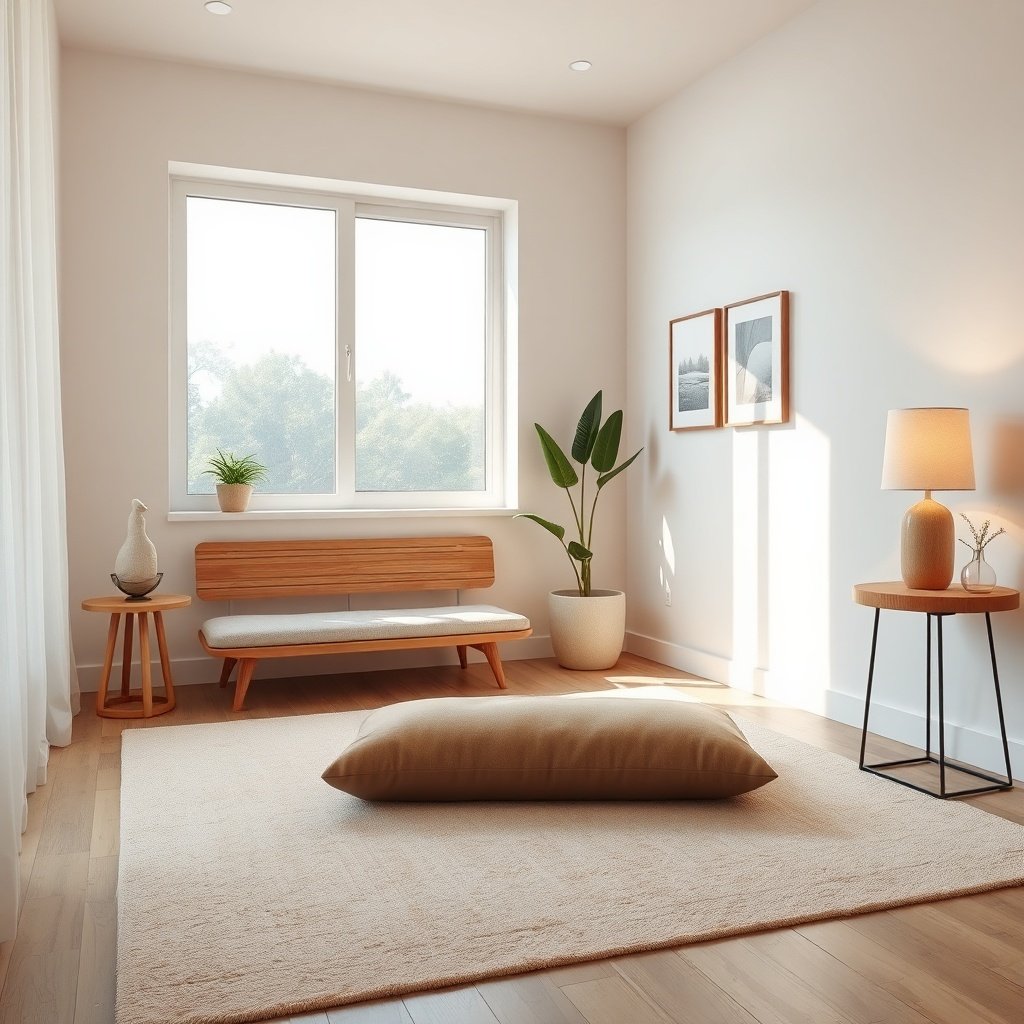
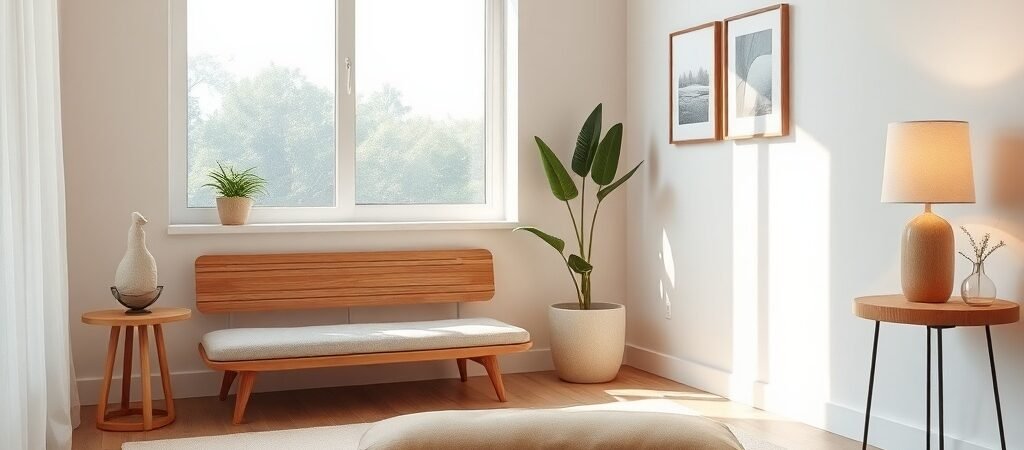
*A peaceful meditation space that promotes relaxation and calmness*
Start by sketching the room on graph paper, marking windows, doors, and the main pathways people use. Use a light meter app on your phone to record lux levels at three‑hour intervals from sunrise to sunset. Areas that consistently receive 200‑400 lux provide gentle illumination without glare, ideal for meditation.
1.2 Identify “quiet zones” using noise‑level data
Place a decibel meter on a tripod at waist height and record ambient sound for five minutes during peak household activity. Zones that stay below 35 dB are considered quiet enough for uninterrupted practice. If a corner registers 48 dB, add a thick rug and wall‑hung acoustic panels to bring the level down.
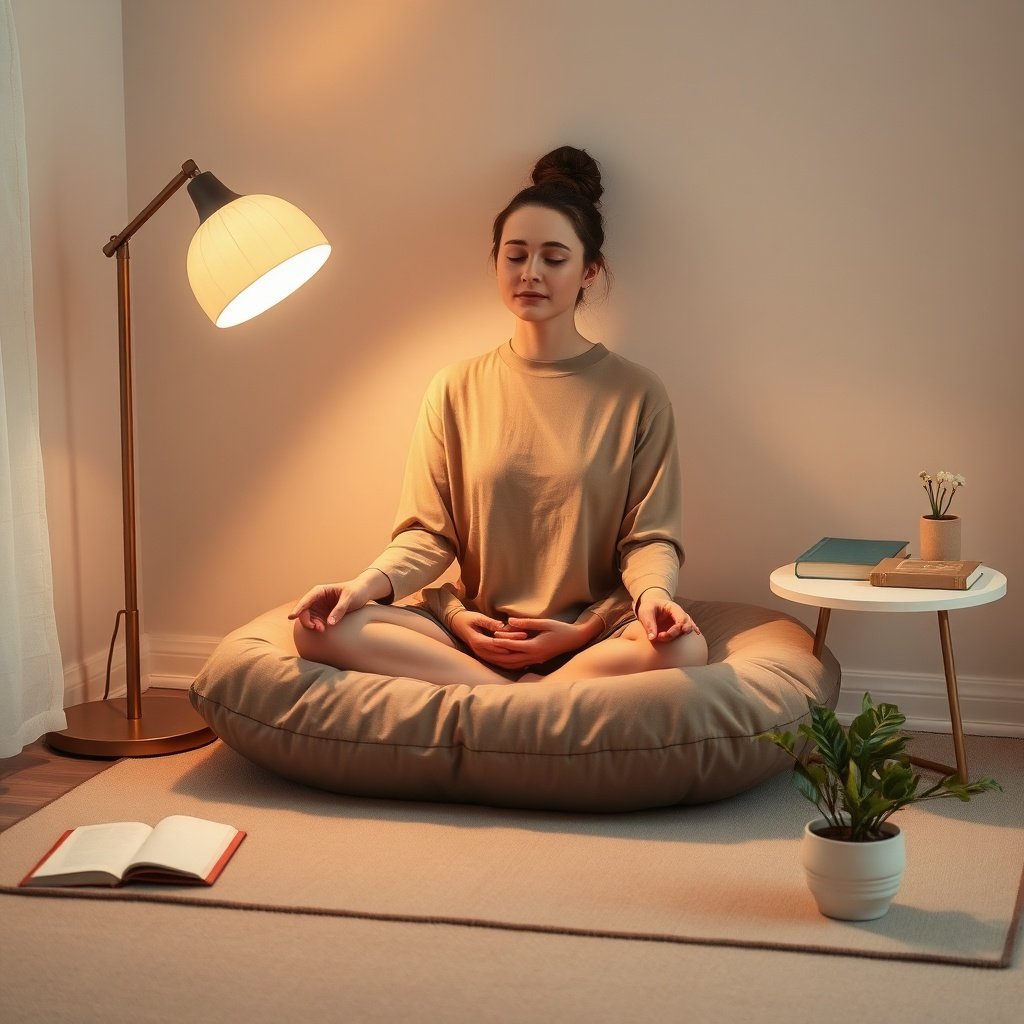
*A peaceful meditation scene that showcases the benefits of a dedicated meditation space*
1.3 Apply basic Feng Shui principles (Chi flow, bagua map) to choose orientation
Overlay a bagua grid onto your floor plan, aligning the north side with the front door. The “Health” sector (center‑east) favors a slightly elevated floor mat, while the “Knowledge” sector (north‑west) benefits from a solid wooden bench. Position the meditation cushion so that you face the room’s strongest entry point; this orientation invites incoming chi while you remain grounded.
2. Choose Sensory Elements That Calm the Mind ### 2.1 Lighting: soft warm LEDs vs. natural daylight
Install a dimmable LED strip that offers 2700 K warmth and a maximum output of 300 lumens. Pair it with a sheer linen curtain that filters morning sunlight to a soft 150 lux, preserving the eye’s natural rhythm. A timer programmed for 15‑minute fades helps signal the start and end of each session.
2.2 Soundscape: white‑noise machines, nature playlists, or acoustic panels
Select a white‑noise unit capable of producing frequencies between 20 Hz and 20 kHz; set it to a low‑frequency ocean wave at 45 dB for background masking. Complement the machine with a curated nature playlist that stays within 60‑70 BPM, which research links to alpha‑brainwave generation. If you prefer silence, mount 2‑inch acoustic foam tiles in a staggered pattern to absorb mid‑range chatter.
2.3 Aroma & Texture: essential oils, natural fibers, and tactile accessories
Create a DIY sachet by mixing 10 g dried lavender buds, 5 g sandalwood shavings, and a pinch of dried rose petals inside a cotton drawstring pouch. Place the sachet on a reclaimed‑wood shelf three feet from the cushion; the scent will diffuse gently as you inhale. Pair the aroma with a hand‑woven hemp throw that offers a tactile contrast to smooth floor cushions, encouraging mindful touch.
3. Curate Minimalist Furniture & Props for Comfort ### 3.1 Seating options: floor cushions, low‑profile chairs, adjustable benches
Compare cushion density by pressing a finger into two samples: a high‑resilience foam core (30 kg/m³) feels firm, while a buckwheat hull fill (15 kg/m³) conforms to the hips. For seated meditation lasting 30 minutes or longer, the buckwheat option reduces pressure points and promotes circulation.
3.2 Support accessories: bolsters, yoga blocks, eye pillows
Assemble a “tri‑layer” support system by placing a 12‑inch firm bolster behind the lower back, a 6‑inch yoga block under the knees, and a silk‑filled eye pillow over the forehead. This configuration aligns the spine, eases tension in the hamstrings, and blocks visual distractions.
3.3 Storage solutions that hide away extras (e.g., woven baskets, wall‑mounted shelves)
Install two 12‑inch wall‑mounted floating shelves at chest height, using concealed brackets to maintain a clean silhouette. Store cushions in a natural‑jute basket that slides under the lower shelf, keeping the floor uncluttered while providing quick access.
4. Personalize with Intentional Decor & Color Psychology ### 4.1 Color selection based on mood (e.g., muted blues for tranquility, earth tones for grounding)
Paint the wall behind the cushion in HEX #A3C1DA, a muted sky‑blue that lowers heart rate by up to 5 %. Add a 3‑foot earth‑tone rug in HEX #8B6D5C to anchor the space, reinforcing a sense of stability during seated practice.
4.2 Symbolic art & focal points (mandalas, nature photography, crystals)
Hang a 12‑inch mandala print at eye level, centered on the wall opposite the cushion. The radial symmetry draws the gaze inward, encouraging a meditative focal point without overwhelming the visual field.
4.3 DIY personal touches: vision boards, gratitude jars, hand‑crafted incense holders
Construct a gratitude jar by layering three inches of clear glass beads, two inches of dried citrus peel, and a final inch of polished river stones. Place the jar beside the cushion; each session, write a brief note of appreciation and tuck it under the lid.
5. Maintain the Sanctuary: Routine, Cleaning & Seasonal Refresh ### 5.1 Daily “reset” rituals (tidying, lighting a candle, short breathwork)
Follow a three‑minute checklist: straighten the cushion, extinguish any lingering incense, and perform five slow inhales through the nose while counting to four. Light a soy candle scented with cedarwood to signal the transition from daily tasks to meditative focus.
5.2 Weekly deep‑cleaning schedule (fabric care, air‑purifier filter change)
Remove the hemp throw and wash on a gentle cycle at 30 °C with a neutral detergent. Vacuum the floor cushion using the upholstery attachment, then rotate the cushion to promote even wear. Replace the air‑purifier filter every seven days to maintain a dust‑free environment.
5.3 Seasonal updates: swapping scents, textures, and colors to align with the calendar year
For a spring refresh, exchange the lavender‑sandalwood sachet for a blend of eucalyptus and rosemary, and add a pastel pink linen throw (HEX #F5E6E8). In autumn, introduce a cinnamon‑spice diffuser and a woolen blanket in deep amber to harmonize with the cooler daylight.
Conclusion
Mastering How to Design a Cozy and Relaxing Meditation Corner at Home hinges on five distinct actions: locating the most harmonious spot, curating multisensory cues, selecting ergonomic furnishings, infusing purposeful décor, and committing to regular upkeep. Begin by measuring light and sound, then add a warm LED lamp, a low‑frequency soundscape, and a scented sachet. Choose a buckwheat cushion, a supportive bolster, and hidden storage to keep the area tidy. Paint the backdrop in calming blue, hang a simple mandala, and personalize with a gratitude jar. Finally, adopt a daily reset, a weekly cleaning routine, and seasonal scent swaps. Implement one tip from each section today, photograph the transformation, and share the image with a community of mindful makers.
FAQ
**What size should a meditation corner be?**
A functional nook can fit within a 4 ft × 4 ft (1.2 m × 1.2 m) footprint, leaving enough room for a cushion, a small bench, and a side table without crowding.
**How can I make a meditation space feel cozy on a budget?**
Use a thrift‑store floor pillow, a DIY lavender sachet, and a string of warm LED bulbs. Adding a second‑hand woven basket for storage costs less than $15 and instantly reduces visual clutter.
**Which lighting temperature is best for relaxation?**
Warm white light at 2700 K mimics sunset, encouraging melatonin production and a slower heart rate.
**Do I need special furniture for meditation, or can I use what I have?**
A firm floor cushion or a low‑profile chair with a straight back can replace purpose‑built pieces, provided they support an upright spine and allow the hips to open slightly.
**How often should I refresh the decor in my meditation corner?**
Rotate scents and textiles seasonally—every three months—to align the environment with natural cycles and keep the space feeling new.
**Meta Description:** Learn step‑by‑step how to design a cozy, relaxing meditation corner at home with lighting, scent, furniture, and Feng Shui tips. Explore Kenzadi authentic Moroccan décor, handmade genuine leather pouf, and traditional Moroccan incense serghina to elevate your space.