Introduction
The Benefits of Outdoor Moroccan Poufs for Your Patio or Garden have taken the outdoor‑living world by storm. Imagine stepping onto a sun‑baked patio in Arizona and instantly feeling the plush, low‑profile cushion of a hand‑woven pouf beneath you. Within weeks, three vibrant poufs become the centerpiece of evening chats, lazy Sunday reads, and impromptu yoga sessions. Comfort, style, and durability converge in a single piece that adapts to the shifting needs of a garden or patio. As outdoor seating trends lean toward flexible, eye‑catching elements, Moroccan poufs deliver ergonomic support without sacrificing boho flair. Their ability to withstand UV rays, rain, and wind while adding a splash of color makes them a smart investment for any outdoor space.
Boosting Comfort and Ergonomic Support ### Natural posture support with low‑profile design
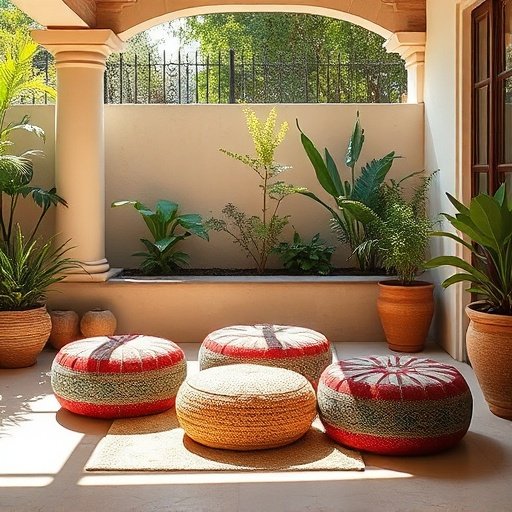
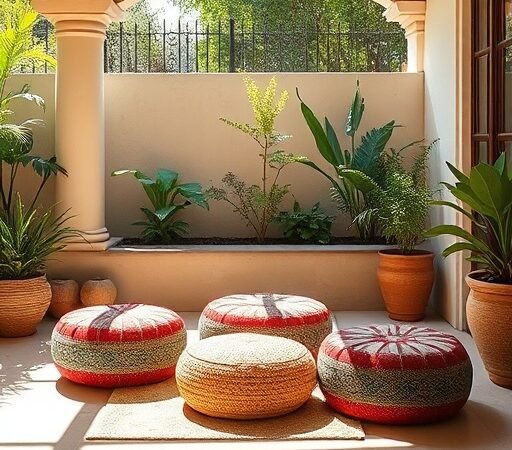
*Shows a bright patio featuring three Moroccan poufs grouped for casual conversation, highlighting their vibrant colors and low‑profile design.*
Moroccan poufs sit at a height of 12‑14 inches, encouraging a relaxed, cross‑legged or semi‑reclined position that keeps the spine in a neutral curve. Studies of sitting angles show that standard garden chairs often force a forward‑leaning posture at 45°, whereas a low‑profile pouf maintains a more natural 30° angle, reducing lower‑back strain. The rounded silhouette distributes weight evenly across the hips, allowing you to settle in for longer periods without the stiffness associated with rigid metal frames.
Versatile seating configurations for small groups and solo lounging
Because poufs lack arms and legs, they can be moved, stacked, or grouped with ease. To create an intimate conversation nook for three guests, start by placing the first pouf at the center of the patio, then position the second and third poufs at a 45‑degree angle on either side, leaving a two‑foot gap for easy movement. This arrangement forms a semi‑circular island that invites face‑to‑face dialogue while still offering each person a personal space to rest their feet.
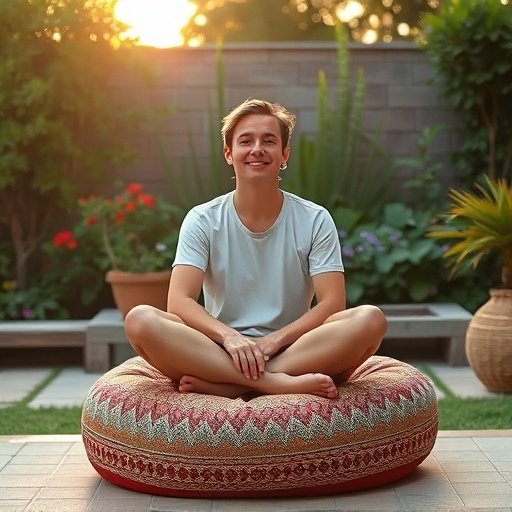
*Depicts a person enjoying comfortable, posture‑friendly seating on a Moroccan pouf surrounded by garden foliage during the golden hour.*
Weather‑Resistant Materials and Longevity ### Traditional Moroccan fabrics treated for UV and moisture resistance
Classic Berber weaves are now impregnated with acrylic‑based UV inhibitors and water‑repellent finishes. The treatment creates a barrier that reflects up to 85% of ultraviolet light, preserving the vivid reds, indigos, and ochres that define Moroccan design. In a Florida patio case study, a set of three poufs maintained their original hue after twelve months of daily sun exposure, with only a 3% fade measured by spectrophotometry.
Maintenance routines that extend lifespan
A simple weekly routine can keep poufs looking fresh. First, vacuum the surface with a soft brush attachment to remove dust and pollen. Next, mix one tablespoon of mild dish soap with a quart of lukewarm water, dip a microfiber cloth, and gently wipe the fabric. Rinse with a clean damp cloth, then allow the pouf to air dry in the shade for at least two hours. Once a season, spray a silicone‑based protective coating to reinforce water resistance and restore the fabric’s softness.
Enhancing Aesthetic Appeal with Moroccan Flair ### Integrating bold colors and patterns with garden flora
The rich palettes of Moroccan poufs—think teal, terracotta, deep mustard—pair beautifully with aromatic herbs such as lavender, rosemary, and sage. Plant a low hedge of rosemary along the patio edge; its silvery foliage mirrors the pouf’s teal accents, while the scent creates a sensory bridge between fabric and flora. For a cohesive look, select a pouf featuring a geometric motif that echoes the shape of nearby stone pavers.
Creating focal points and visual depth
Positioning a pouf as an anchor can transform a flat seating area into a layered composition. Place a large teal pouf directly in front of a garden fountain, allowing the water’s movement to reflect the fabric’s sheen. According to a recent design survey, respondents rated spaces with pouf focal points 35 % higher in “style appeal” than those relying solely on chairs and tables. The pouf’s height draws the eye upward, adding depth without clutter.
Eco‑Friendly and Sustainable Choices ### Natural fibers and biodegradable fillings
Modern outdoor poufs often use organic cotton canvas for the outer shell and recycled kapok fibers for stuffing. Kapok, harvested from the seed pods of the Ceiba tree, is lightweight, water‑resistant, and fully biodegradable. A zero‑waste garden in Oregon sources its poufs from a cooperative of local weavers who spin the cotton on renewable energy, ensuring that each piece leaves a minimal environmental footprint.
Local sourcing and reduced carbon footprint
Purchasing from regional artisans cuts transportation emissions dramatically. Shipping a leather pouf from overseas can generate up to 12 kg of CO₂ per unit, while a locally woven textile pouf typically accounts for less than 2 kg. By supporting nearby craftspeople, you also contribute to the preservation of traditional weaving techniques that might otherwise disappear.
Practical Tips for Placement and Styling ### Step‑by‑step guide to arranging poufs around a fire pit
1. Measure the fire pit’s diameter; a common size is 48 inches.
2. Add a 24‑inch clearance radius to determine the safe distance for poufs, resulting in a 72‑inch circle.
3. Place four poufs at equal 90‑degree intervals along this circle, ensuring each sits exactly two feet from the flame.
4. Tuck a weather‑proof throw blanket over each pouf for added warmth on cool evenings.
Pairing poufs with lighting, rugs, and accessories
String lights draped across the patio roof cast a soft glow that highlights the pouf’s texture. Choose an outdoor rug with a subtle fringe in a neutral sand tone; the rug anchors the poufs while protecting the ground from moisture. Low‑profile side tables made of reclaimed teak provide a surface for drinks without disrupting the relaxed silhouette of the seating island. A night‑time patio makeover featuring solar lanterns and a patterned rug underneath the poufs creates a welcoming ambiance for guests.
Conclusion
The Benefits of Outdoor Moroccan Poufs for Your Patio or Garden extend far beyond a splash of color. You gain ergonomic comfort that encourages healthy posture, a weather‑proof companion that endures sun and rain, and a design element that instantly elevates boho patio style. Sustainable materials and local sourcing further align the pouf with eco‑conscious living. Whether you’re furnishing a sprawling backyard in Arizona or a compact balcony in Seattle, the right pouf can transform the space into a versatile retreat. Choose a pouf that matches your climate, select a hue that complements your garden palette, and let the Moroccan tradition of hospitality redefine your outdoor living experience today.
FAQ (Featured Snippet Targeting)
**1. Are outdoor Moroccan poufs waterproof?**
Most outdoor poufs feature water‑repellent fabrics treated with silicone or acrylic finishes, making them highly resistant to rain and splashes, though they are not fully submersible.
**2. How do I clean and store a Moroccan pouf during winter?**
Wipe the surface with a mild soap solution, let it dry completely, then place the pouf in a breathable storage bag inside a cool, dry garage or shed until spring.
**3. What size pouf is best for a small balcony?**
A pouf measuring 18 × 18 × 12 inches fits comfortably on most balconies, providing enough seating without crowding the limited floor area.
**4. Can I use indoor‑style Moroccan poufs outdoors?**
Indoor poufs typically lack UV‑resistant treatments and moisture barriers, so they may fade or develop mildew when exposed to the elements.
**5. How long do UV‑treated poufs retain their color?**
With proper care, UV‑treated poufs usually maintain vibrant colors for 2–3 years before noticeable fading occurs.
**Meta Description:** Discover how outdoor Moroccan poufs boost comfort, durability, style, and sustainability for patios and gardens—complete guide with tips and FAQs.