Top 7 Herbal Teas for Stress Relief and Better Sleep
Introduction
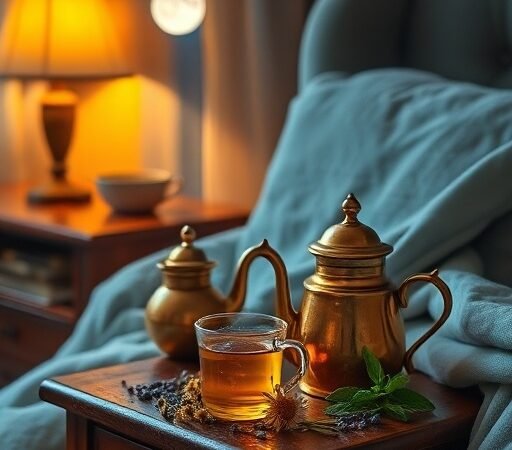
The modern hustle leaves many of us battling relentless stress and fragmented sleep. Screens glow late into the night, deadlines pile up, and cortisol spikes become the norm rather than the exception. When pharmaceutical sleep aids feel heavy‑handed or come with unwanted side effects, a warm cup of herbal tea brewed in a handmade Moroccan tea serving pot can offer a gentle, natural alternative.
This guide uncovers the Top 7 Herbal Teas for Stress Relief and Better Sleep, moving past the usual “calm‑down” suggestions to reveal how each plant works at a molecular level. You’ll learn why chamomile’s apigenin quiets brain activity, how valerian root supports deep, uninterrupted rest, and which adaptogens keep cortisol in check throughout the day. By the end, you’ll have a toolbox of specific brews ready to fit into your nightly routine.
The Science of Phytotherapy: How
Phytotherapy, or the use of plant-based medicine, relies on complex chemical interactions between herbs and the human body. Unlike synthetic drugs that often target a single receptor, herbal teas contain a symphony of bioactive compounds—including flavonoids, terpenes, and alkaloids—that work synergistically to restore balance. For stress and sleep, these compounds frequently interact with the gamma-aminobutyric acid (GABA) system. GABA is the primary inhibitory neurotransmitter in the central nervous system, responsible for reducing neuronal excitability. By binding to GABA receptors, phytochemicals can induce relaxation, lower anxiety, and facilitate the onset of sleep without the grogginess often associated with pharmaceutical sedatives.
1. Chamomile (Matricaria chamomilla)
Chamomile is perhaps the most well-known sleep aid, and its reputation is backed by science. Its primary active compound, apigenin, is an antioxidant that binds to specific receptors in the brain (benzodiazepine receptors) to decrease anxiety and initiate sleep.
**Benefits:** Reduces insomnia, promotes generalized anxiety disorder (GAD) relief, and aids digestion.
**Preparation & Dosage:** Steep 2–3 teaspoons of dried flowers in 8 oz of boiling water for 5–10 minutes. Cover the cup while steeping to prevent volatile oils from evaporating. Drink 30–60 minutes before bed. For a convenient option, you can use Sultan Pure Camomile Tea, which provides consistent dosage and flavor.
2. Valerian Root (Valeriana officinalis)
Valerian root has been used for centuries as a sedative and anxiolytic. It contains valerenic acid, which inhibits the breakdown of GABA in the brain, resulting in higher levels of this calming neurotransmitter.
**Benefits:** Decreases the time it takes to fall asleep (sleep latency) and improves sleep quality, particularly deep sleep.
**Preparation & Dosage:** Due to its strong, earthy odor, valerian is often blended with other herbs like lemon balm. Steep 1 teaspoon of dried root in hot water (not boiling) for 10–15 minutes to extract the compounds fully. Consume 30 minutes before bedtime.
3. Lavender (Lavandula angustifolia)
While often associated with aromatherapy, lavender tea is equally potent. The scent and taste of lavender are attributed to linalool and linalyl acetate, compounds that directly affect the parasympathetic nervous system, promoting a state of calm.
**Benefits:** Lowers heart rate, relaxes muscles, and significantly reduces anxiety levels, which is often the root cause of sleeplessness.
**Preparation & Dosage:** Use 1–2 teaspoons of dried buds per cup. Pour 8 oz of boiling water over the buds and steep for 5–8 minutes. It can be enjoyed alone or mixed with chamomile for a soothing blend.
4. Lemon Balm (Melissa officinalis)
Lemon balm, a member of the mint family, has a mild lemon scent and is traditionally used to uplift the mood and calm the nervous system. Research suggests it increases GABA levels in the brain and inhibits the enzyme that breaks it down.
**Benefits:** Reduces nervousness and excitability and improves mood. It is particularly effective for stress-related indigestion.
**Preparation & Dosage:** Steep 1.5 to 4.5 grams of dried lemon balm leaves in hot water for 10 minutes. For best results, drink two cups daily—one in the late afternoon and one before bed.
5. Passionflower (Passiflora incarnata)
Passionflower is traditionally used to treat anxiety and insomnia. It contains flavonoids like chrysin, which has been shown to bind to GABA receptors and produce a sedative effect without the risk of dependency.
**Benefits:** Quiets a “racing mind,” making it ideal for those who cannot sleep due to circular thinking or worry.
**Preparation & Dosage:** Steep 1 teaspoon of dried herb in 8 oz of boiling water for 10 minutes. It has a grassy, slightly earthy taste that pairs well with honey.
6. Peppermint (Mentha × piperita)
Peppermint is widely recognized for its digestive benefits, but it is also a powerful muscle relaxant due to its high menthol content. Stress often manifests physically as muscle tension or digestive upset, both of which can prevent sleep.
**Benefits:** Relieves tension headaches, relaxes gastrointestinal muscles, and provides a cooling, refreshing sensation that can help lower body temperature before sleep.
**Preparation & Dosage:** Steep fresh or dried leaves for 5–7 minutes. A versatile blend like Sultan After Meals Tea combines peppermint with caraway and rosemary, offering a complex flavor profile that aids digestion and relaxation simultaneously.
7. Holy Basil (Ocimum tenuiflorum / Tulsi)
Also known as Tulsi, Holy Basil is an adaptogen—a unique class of herbs that help the body adapt to stress and restore physiological balance. Unlike sedative teas that simply knock you out, Tulsi normalizes cortisol levels and blood sugar, addressing the systemic causes of stress.
**Benefits:** Improves resilience to stress, enhances mental clarity, and stabilizes energy levels without sedation.
**Preparation & Dosage:** Use 1 teaspoon of dried leaves per cup. You can also simmer the leaves (decoction) for a stronger, more medicinal tea. It is caffeine-free and can be consumed throughout the day.
Conclusion
Incorporating herbal teas into your daily ritual is a scientifically sound strategy to combat stress and reclaim your sleep. By understanding the specific phytochemicals in chamomile, valerian, and lavender, you can target your body’s unique needs—whether it is quieting a racing mind with passionflower or lowering cortisol with Holy Basil. For those seeking a comprehensive solution, Sultan Good Night Tea offers a curated blend designed to maximize these benefits. Brew a cup, disconnect from the digital world, and let nature’s chemistry restore your balance.