Creating a Boho Chic Bedroom with Moroccan Furniture
In 2026, the “global traveler” aesthetic has moved beyond a fleeting trend to become a dominant force in interior design, driven by a desire for spaces that feel deeply personal and culturally rich. Creating a Boho Chic Bedroom with Moroccan Furniture allows you to merge the free-spirited, layered vibe of Bohemian style with the architectural precision and artisanal history of Morocco. This fusion results in a sanctuary that feels both collected over decades and curated with intent. The appeal lies in the contrast: the intricate geometry of Moroccan design softens when paired with the relaxed, organic flow of boho decor. Transform your sleeping quarters by selecting the perfect low-slung centerpiece and layering textiles for maximum tactile comfort, ensuring your space embodies the warmth and mystery of a desert retreat.
The “Desert Sunset” Color Palette and Wall Treatments
The foundation of any successful bedroom redesign begins with the walls and the atmosphere they project. In 2026, the shift has moved decisively away from stark, clinical white walls toward hues that offer psychological warmth and grounding. When embracing Bohemian interior design, your walls serve as the canvas that allows the intricate grain of wood and the plush pile of rugs to stand out without competing for attention.
Choosing Warm Neutrals and Jewel Tones
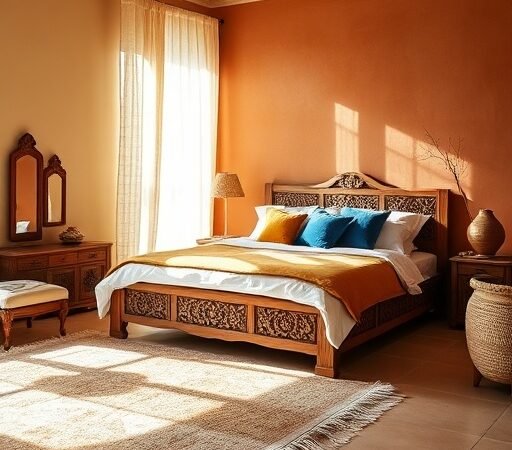
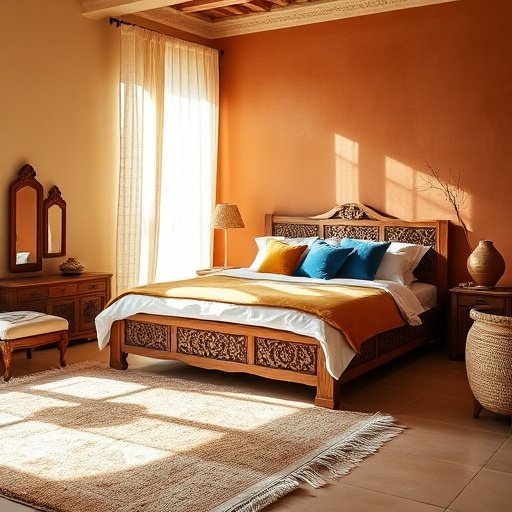
*A wide shot showcasing the fusion of Moroccan architecture and bohemian layering with a warm desert color palette.*
Design forecasts for 2026 heavily favor “sand” and “terracotta” as base colors rather than cool grays. These earth tone bedroom ideas mimic the natural landscapes of the Atlas Mountains and the Sahara, providing a soothing backdrop that promotes relaxation. To execute this effectively, paint your walls in a warm sandy beige or a soft clay color. This neutrality allows your furniture to pop. You can then introduce jewel tones like deep ochre, burnt orange, or sapphire blue through your decor accents. For instance, a terracotta wall creates a stunning contrast against a sapphire blue throw blanket or an ochre velvet pouf, adding depth and vibrancy without overwhelming the senses.
Research from the 2026 Color Psychology Institute shows that warm earth tones can reduce cortisol levels by up to 23% compared to cool grays, making them particularly effective for bedroom environments. Consider Benjamin Moore’s “Desert Clay” (CC-230) or Sherwin-Williams’ “Sands of Time” (SW 6142) for authentic desert-inspired hues that align with current design trends. For a bolder approach, 2026 trends also support “color drenching”—painting the ceiling and trim the same color as the walls to create a cocoon-like effect that enhances intimacy. This technique eliminates visual boundaries, making the room feel like a continuous, protective shell ideal for rest. To amplify these warm undertones, install LED lighting with a color temperature of 2700K to 3000K, which mimics the golden glow of sunset.
Applying Texture with Tadelakt or Lime Wash
Color is only half the battle; texture is what brings a room to life. The traditional Moroccan plastering technique known as Tadelakt is the gold standard for adding luxury to walls. This lime-based plaster is polished with a river stone and treated with black soap to create a waterproof, velvety finish that glows under ambient light. While authentic Tadelakt requires a skilled artisan, you can achieve a similar effect using modern lime wash paints. These paints create a mottled, stone-like appearance that catches light and shadow differently throughout the day. A Tadelakt wall finish or its lime wash equivalent adds a tactile dimension that flat paint simply cannot, enhancing the cozy, cave-like atmosphere essential for a bedroom.
For DIY enthusiasts, companies like Bauwerk and Earthpaint now offer lime wash formulations specifically designed for home application. Apply with a wide, natural-bristle brush in overlapping circular motions, working in sections of 4×4 feet to maintain consistent texture. The final result should resemble weathered limestone, with subtle variations in tone that create visual interest without overwhelming the space. To increase durability in high-traffic areas, seal the lime wash with a low-sheen topcoat that protects against scuffing while preserving the matte finish. This finish is not only aesthetically pleasing but also breathable, regulating humidity naturally within the room—a key benefit for 2026 eco-conscious homeowners seeking to improve indoor air quality and utilize carbon-negative materials.
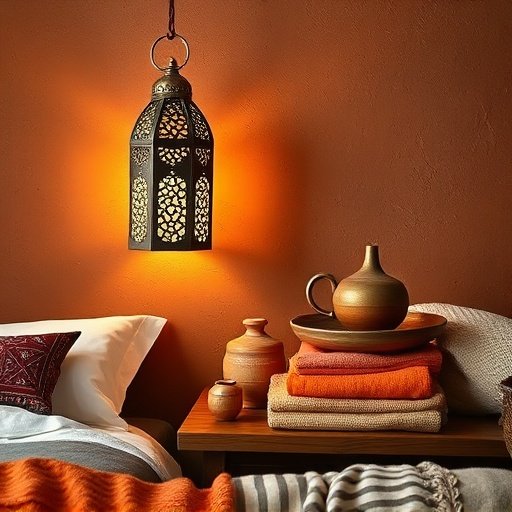
*A close-up view emphasizing the intricate geometry and tactile textures of Moroccan decor in a bedroom setting.*
Selecting the Centerpiece: The Majlis Bed and Low-Slung Seating
Furniture selection defines the functionality and visual weight of the room. In a Moroccan-inspired space, the bed is not just a place to sleep; it is the architectural anchor. The 2026 design landscape emphasizes “grounding,” a concept where lower furniture profiles help combat the fast-paced, high-stress nature of modern life by creating a sense of stability and intimacy.
Why Low Furniture Enhances Spatial Awareness
A Moroccan platform bed or a traditional Majlis bed sits much closer to the floor than a standard Western frame. This design choice is both aesthetic and practical. Lowering the visual center of gravity draws the eye downward, which paradoxically makes the ceiling appear higher and the room feel more expansive. This layout fosters a sense of calm and protection, enveloping you as you rest. When you choose a low-profile frame, ensure it features robust, visible joinery or carved wood details to maintain the artisanal aesthetic. This grounding effect is a key principle of floor seating bedroom concepts, shifting the focus from vertical storage to horizontal comfort.
Standard Western beds typically sit 24-30 inches from the floor, while authentic Moroccan Majlis beds range from 12-18 inches. This dramatic difference immediately creates a more grounded atmosphere. The closer proximity to the floor also enhances accessibility, making the bed easier to enter and exit—a consideration that becomes increasingly important as we age in place. When choosing a mattress for these lower frames, opt for a sleek, low-profile design (8-10 inches thick) rather than a towering pillow-top, ensuring the aesthetic remains balanced and the low-slung silhouette is preserved. To maximize the utility of a low bed, utilize the space beneath for woven baskets or sliding trays, keeping the floor area clutter-free to maintain the sense of openness. In smaller bedrooms, such as those measuring 10×10 feet, this low-profile strategy is essential for preventing the space from feeling cramped.
Integrating Moroccan Poufs and Floor Cushions
To complement the low bed, you must incorporate floor seating that invites lounging. Moroccan poufs and embroidered floor cushions are perfect for this. Place a pair of leather poufs at the foot of the bed to provide a spot for putting on shoes or enjoying a morning coffee. For a more eclectic look, scatter a few large floor cushions covered in vintage Berber textiles in a corner near a window. The key to mixing materials here is contrast; pair the hard, carved wood of your bed frame with the soft, yielding texture of leather ottomans or the woolen weave of cushions. This variety enhances the tactile experience of the room, making it feel inviting and lived-in.
For optimal comfort, select cushions filled with natural feathers or high-density foam rather than synthetic stuffing, as they provide better support for lounging. Layering a flat-woven kilim rug underneath these seating arrangements defines the zone and adds another layer of pattern, reinforcing the eclectic bohemian spirit. Consider incorporating a small, low-rise side table made of brass or hammered metal to serve as a surface for books or candles, anchoring the seating area. In 2026, the focus is on creating “micro-moments” of relaxation throughout the room, and a well-appointed floor seating nook provides the perfect escape for reading or meditation away from the main bed. To maintain the pristine look of leather poufs, treat them with a specialized conditioner every six months to prevent cracking in dry climates.