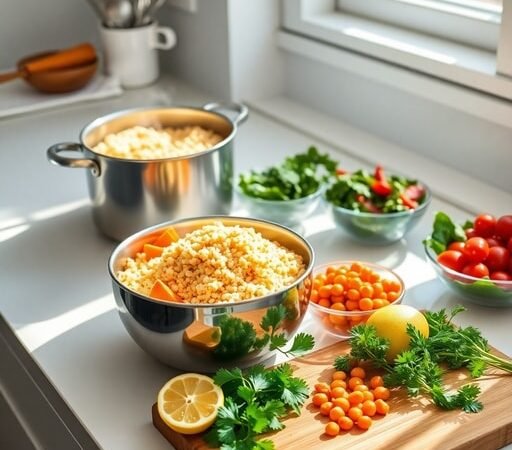
Healthy Moroccan-inspired meal prep combines the nutrient-dense pillars of the Mediterranean diet with the efficiency of modern batch cooking to streamline your weekly nutrition. This approach leverages anti-inflammatory spices, lean proteins, and fiber-rich vegetables to create satisfying meals that support sustained energy and weight management without relying on processed ingredients.By adopting the **Beginner’s Guide to Healthy Moroccan-Inspired Meal Prep**, you can transform complex, aromatic flavors into a simple, repeatable system that saves time while delivering exceptional health benefits.
The aromatic allure of Moroccan cuisine—defined by cumin, coriander, and saffron—fits perfectly into a modern, health-conscious lifestyle, offering a departure from bland, repetitive diet food. In 2026, the shift toward meal prepping has evolved beyond mere convenience; it is now a primary strategy for reducing household food waste and ensuring precise nutritional balance throughout a busy week. This guide will demonstrate how to simplify complex Moroccan flavors into manageable, weekly prep routines without sacrificing health benefits, proving that you can enjoy gourmet nutrition on a tight schedule.
Key Takeaways
– Moroccan cuisine relies heavily on whole foods like legumes, vegetables, and lean meats, making it naturally high in fiber and protein.
– Strategic spice blending allows for deep flavor profiles without the need for excessive salt or heavy sauces.
– Batch-cooking grains like quinoa or farro ahead of time simplifies the assembly of complex bowls during the work week.
– Proper storage techniques are essential to maintain the texture of preserved ingredients like lemons and olives.
What Defines Healthy Moroccan-Inspired Meal Prep?
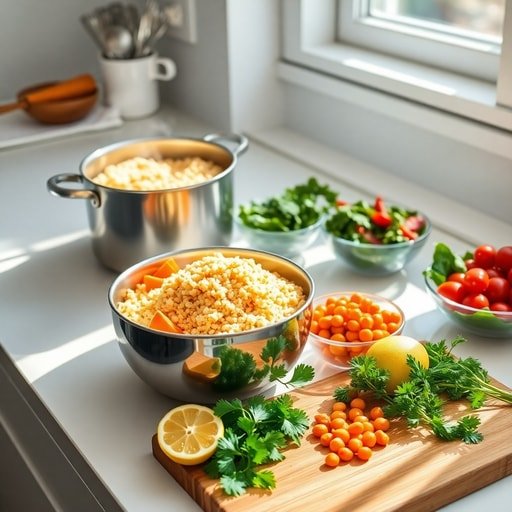
*Shows the core components of a healthy Moroccan-inspired meal prep laid out on a kitchen counter, highlighting whole grains, vegetables, legumes, and fresh herbs.*
Healthy Moroccan-inspired meal prep is defined as the strategic organization of meals based on the Mediterranean and North African dietary pillars: heavy plant usage, healthy fats like olive oil, and distinct spice blends. This method prioritizes whole ingredients over processed convenience foods, focusing on the “Tagine philosophy”—slow-cooking vegetables and lean proteins with aromatics rather than frying. The **Moroccan diet benefits** are rooted in this reliance on fresh produce and heart-healthy fats, which align perfectly with current nutritional guidelines for longevity and disease prevention.
Unlike takeout versions which may be oily or heavy on sodium, homemade prep focuses on maximizing flavor while minimizing unnecessary calories. The key advantage lies in the use of **anti-inflammatory spices** such as turmeric, ginger, and cinnamon. These ingredients provide potent antioxidants and combat inflammation, a central focus of 2026 wellness trends. By relying on the natural sweetness of dried fruits like apricots or dates and the acidity of preserved lemons, this approach eliminates processed sugars and preservatives entirely. You get complex, sweet-and-savory profiles that satisfy cravings naturally, making it easier to stick to your health goals without feeling deprived.
**Definition: Tagine Philosophy**
The “Tagine Philosophy” refers to a slow-cooking method that prioritizes layering vegetables, proteins, and aromatics in a single pot to meld flavors slowly, retaining nutrients and moisture without the need for excess fat or deep frying.
Building the Moroccan Pantry for Long-Lasting Freshness
Success in this culinary style starts with a stocked pantry featuring **Moroccan pantry staples**. The foundation is the “Spice Trinity”: tayeb-ground-cumin-150g-premium-moroccan-cumin-powder-halal-organic-seasoning-for-tacos-curry-mediterranean-cooking”>tayeb-ras-el-hanout-150g-authentic-moroccan-spice-blend-for-tagines-couscous-grilled-meats-stews”>Ras el Hanout, cumin, and paprika. These are non-negotiable bases for any prep session. Ras el Hanout, which translates to “head of the shop,” is a complex blend that often includes upwards of 20 spices. Investing in a high-quality blend saves you time and ensures authentic flavor profiles. Alongside these, keep **essential spices for cooking** like ground ginger, turmeric, cinnamon, and saffron on hand to vary your flavor profiles from week to week.
Beyond spices, preserved lemons and olives act as your “flavor bombs.” These jars last for months in the fridge and instantly elevate simple prep bowls with minimal effort. When using preserved lemons, simply rinse them under cold water to remove excess salt, scoop out the pulp, and dice the rind finely to sprinkle over grain bowls. For cost-effective, shelf-stable proteins, stock dried lentils and chickpeas. They form the backbone of Moroccan salads and stews, offering superior texture and no sodium compared to canned versions.
Finally, oil quality dictates the final taste of your dish. Specify the importance of high-quality extra virgin olive oil for dressings and sautéing. It provides the necessary monounsaturated fats central to the Mediterranean diet. For finishing dishes, keep a bottle of argan oil handy; its nutty, distinct flavor is unmatched for drizzling over roasted vegetables or couscous just before serving.
**Quick Answer**
To build your Moroccan pantry quickly, prioritize buying Ras el Hanout, cumin, and paprika first. Add a jar of preserved lemons and high-quality olive oil. These five items will allow you to make dozens of different recipes immediately.
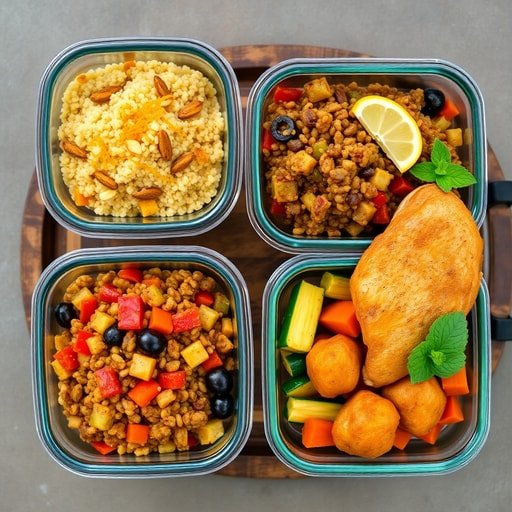
*Displays three beautifully assembled Moroccan-inspired meal‑prep bowls, illustrating balanced protein, grains, and vegetables for a week’s worth of healthy meals.*
Mastering the Art of the Batch-Cooked Tagine
The traditional tagine method translates perfectly to modern batch preparation using a sheet pan or Dutch oven, allowing for hands-off cooking time. This **easy chicken tagine recipe** approach involves roasting ingredients at 375°F (190°C) for about 45 minutes, allowing the natural sugars to caramelize while the spices infuse the proteins. For a **vegetarian Moroccan stew**, the method remains identical, simply swapping the meat for hearty root vegetables and legumes. The efficiency of a one-pot meal means less cleanup and more time saved during your Sunday prep session.
Protein versatility is crucial for avoiding palate fatigue. Cook a base vegetable stew using carrots, sweet potatoes, and zucchini. Once this base is prepared, divide it into separate batches. You can add shredded chicken thighs to one container, chickpeas to another, and lentils to a third. This strategy provides three distinct meals for the week with the effort of cooking only once.
The layering technique ensures everything cooks evenly without becoming mushy. Follow this specific order of operations:
1. **Aromatics:** Sauté onions and garlic first.
2. **Hard Vegetables:** Add carrots, sweet potatoes, and turnips.
3. **Liquids and Spices:** Pour in broth, tomatoes, and spices.
4. **Tender Vegetables:** Add zucchini, chickpeas, or dried fruits in the last 15-20 minutes.
Detail how to reduce the cooking liquid slightly at the end to create a concentrated sauce. This reduction keeps the meal prep moist during refrigeration, preventing the grains from drying out when you reheat them later in the week.
**Quick Answer**
Batch-cooking a tagine is efficient because it uses a single pot. Layer hard vegetables first, add liquids and spices, then finish with tender items like zucchini or chickpeas in the last 15 minutes to maintain texture.
Designing Balanced Meal Bowls Using the Moroccan Quadrant Method
Visualizing your meal assembly helps ensure macronutrient balance. The **Moroccan Quadrant Method** divides your container into specific sections: one-quarter lean protein, one-quarter whole grains (like couscous or bulgur), and half vegetables. This **healthy meal prep bowls** strategy aligns with the **Mediterranean diet meal plan**, ensuring you get ample fiber and vitamins without overdoing carbohydrates. When assembling, pack the grains and protein on one side and the vegetables on the other to prevent sogginess.
Texture contrast is vital to prevent “meal prep fatigue” by day three. Focus on mixing soft stewed elements with crunchy raw toppings. Thinly sliced radishes, diced cucumber, or fresh parsley add a necessary crunch that wakes up the palate. These fresh elements should be packed in a separate small container or placed on top of the bowl so they remain crisp until you are ready to eat.
For carb management, consider swapping refined white couscous for cauliflower rice or quinoa. These substitutes lower the glycemic load while maintaining the fluffiness required for soaking up sauces. Quinoa, in particular, is a complete protein and holds up exceptionally well in the fridge for four to five days. To round out the macronutrients, incorporate a source of healthy fat. A dollop of plain Greek yogurt mixed with harissa paste provides a cooling, creamy element, while a sprinkle of toasted almonds adds crunch and additional vitamin E.
**Definition: The Moroccan Quadrant Method**
A visual assembly strategy for meal prep where the container is divided into quarters: one section for lean protein, one for whole grains or legumes, and the remaining half for vegetables, ensuring nutritional balance and portion control.
Storage Techniques to Preserve Intense Spiced Flavors
Proper storage is the bridge between a good meal and a great one later in the week. Understanding the difference between flavor marrying and muting is essential. While some stews taste better the next day as spices meld, spices can become bitter if stored improperly with acidic ingredients. Advise storing grains separately from the sauce or stew component. If you mix everything on Sunday, the grains will absorb all the liquid and become a mushy paste by Wednesday. Keep the sauce in a separate container and pour it over the grains just before eating.
Container selection impacts taste and safety. Recommend glass airtight containers over plastic. Glass does not stain from turmeric and paprika, which can turn plastic permanently yellow or orange. More importantly, glass preserves the volatile oils in fresh herbs like cilantro or mint better than plastic, which can permeate with odors and alter the flavor profile.
Reheating strategies should focus on moisture retention. Instruct readers to add a teaspoon of water or olive oil when reheating their meal. This liquid re-emulsifies the sauces and prevents the grain base from drying out in the microwave. Heat the bowl in 60-second intervals, stirring in between to ensure even temperature distribution without overheating the spices.
Freezing protocols allow you to extend the life of your prep. Identify which components freeze well. Cooked lentils, plain roasted vegetables, and meat-based tagines freeze exceptionally well for up to three months. However, components with high water content like fresh salads, boiled potatoes, or yogurt-based sauces should be kept fresh and eaten within the first three to four days.
FAQ
**Is Moroccan food healthy for weight loss?**
Yes, because it is rich in fiber from vegetables and legumes, utilizes healthy fats like olive oil, and relies on spices for flavor rather than heavy creams or sugars.
**Can I freeze Moroccan tagines for meal prep?**
Absolutely, tagines freeze exceptionally well. It is best to freeze the stew component separately from the grains to maintain the best texture upon reheating.
**What is a good substitute for couscous in meal prep?**
Quinoa, farro, or cauliflower rice are excellent substitutes that offer different nutritional profiles while effectively absorbing the flavorful sauces.
**How long does homemade Moroccan spice blend last?**
When stored in an airtight jar away from heat and light, a homemade Ras el Hanout blend can maintain its potency for up to six months.
Conclusion
Adopting a **Beginner’s Guide to Healthy Moroccan-Inspired Meal Prep** routine offers a versatile pathway to better health without sacrificing culinary joy. The benefits of Moroccan cuisine—high fiber, anti-inflammatory spices, and healthy fats—make it an ideal candidate for sustained weight management and energy levels. By mastering the **easy healthy meal prep** techniques outlined above, you move away from processed convenience foods and toward a diet rich in nutrients and authentic flavor.
You should start small by prepping just one spice blend and one grain this week to see how it transforms your daily lunches. You do not need to overhaul your entire kitchen overnight. Simply making a batch of lentils and mixing it with a Ras el Hanout dressing can be your first step. Meal prepping this way is not just about saving time; it is about bringing the vibrant, communal spirit of Moroccan dining into your daily routine, turning a mundane Tuesday lunch into a moment of nourishment and pleasure.
**Meta Description:** Master healthy Moroccan meal prep. Learn spices, batch cooking tagines, and storage tips for delicious, nutritious weekly meals.