Introduction
Small Space Interior Design: Maximize with Leather Poufs transforms cramped apartments into stylish sanctuaries through intelligent furniture choices. With over 60% of urban dwellers now living in spaces under 500 square feet, the demand for multifunctional furniture has never been greater. Leather poufs deliver three essential functions simultaneously: seating for unexpected guests, hidden storage for daily essentials, and sophisticated decorative appeal that elevates any compact room. Unlike bulky traditional furniture, these low-profile pieces occupy minimal visual real estate while providing maximum utility. The combination of durability, easy maintenance, and timeless aesthetic makes leather poufs particularly well-suited for compact living environments where every square inch counts. Whether you’re furnishing a studio apartment or optimizing a micro-loft, these versatile accents adapt to your evolving needs without overwhelming your floor plan.
Key Takeaways
– Leather poufs combine seating, storage, and style in a single footprint, eliminating the need for multiple furniture pieces
– Selecting the right size, shape, and finish tailors the pouf to any floor plan, from narrow hallways to open studio concepts
– Placement strategies turn poufs into flow-enhancing anchors that guide movement and create distinct living zones
– Pairing poufs with complementary textures and lighting maximizes visual space while adding layers of sophistication
– Proper care extends the life of leather poufs, preserving their luxe look for years of daily use
How Leather Poufs Instantly Maximize Small Spaces
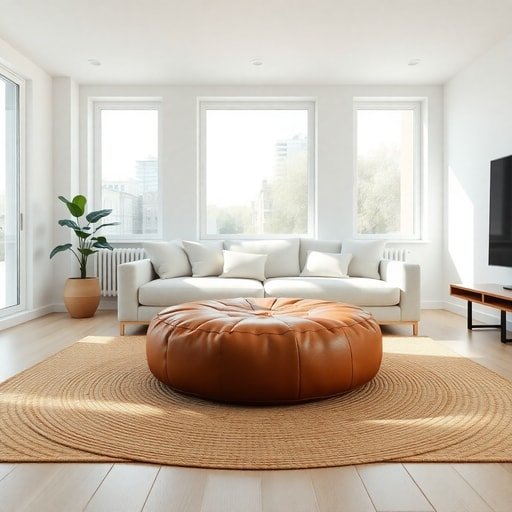
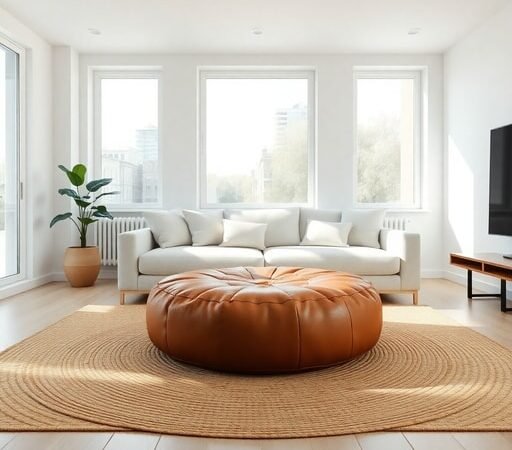
*A bright, airy studio apartment showcasing a cognac leather pouf doubling as a coffee table to maximize floor space.*
Leather poufs deliver immediate spatial transformation through their compact volume, multifunctionality, and visual lightness. A standard 24-inch round leather pouf occupies just 4.5 square feet of floor space while providing seating for two adults, storage capacity for 15-20 magazines or a throw blanket, and a design element that draws the eye without overwhelming the room. The low-profile construction keeps sightlines open, making ceilings appear higher and spaces feel less cramped. Unlike traditional ottomans that sit at chair height, leather poufs typically measure 12-16 inches tall, creating horizontal emphasis that expands perceived floor area.
The multifunctional nature of leather poufs eliminates the need for separate side tables, footrests, and occasional seating. This consolidation reduces furniture costs by an average of $300-500 while freeing up valuable square footage. The inherent durability of leather means these pieces withstand daily use longer than fabric alternatives, providing consistent performance in high-traffic areas.
**Quick Answer:** Leather poufs maximize small spaces by combining three functions—seating, storage, and style—in under 5 square feet of floor space, while their low profile maintains open sightlines that make rooms feel larger.
Space-Saving Geometry
Low-profile, rounded shapes reduce visual clutter by eliminating sharp corners that compete for attention. The curved silhouette of a leather pouf softens room angles, creating a more organic flow that guides the eye smoothly around the space. Round poufs work particularly well in tight corners where square furniture would create awkward gaps. A 20-inch diameter pouf fits comfortably in spaces where even a slim armchair cannot maneuver. The horizontal emphasis created by low seating encourages vertical wall decoration, drawing attention upward and enhancing the perception of ceiling height.
Square poufs offer geometric contrast in rooms dominated by curved elements, while rectangular ottoman-style pieces provide linear balance near sofas or beds. The key is selecting proportions that complement existing furniture without creating visual competition. A pouf should occupy no more than 10% of available floor space to maintain its space-enhancing properties.
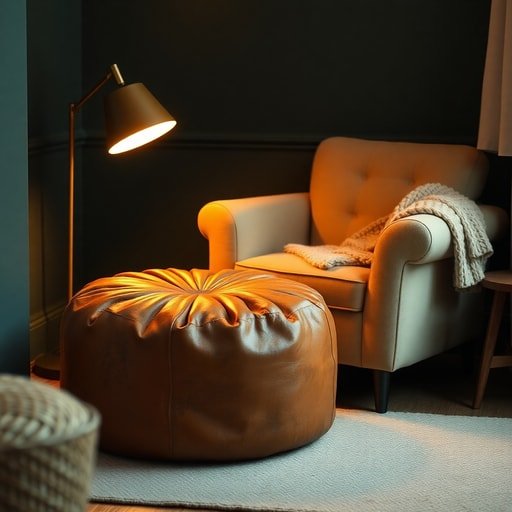
*A warm, sophisticated corner of a small living room featuring a versatile leather pouf paired with an armchair and ambient lighting.*
Dual-Purpose Functionality
Built-in storage compartments within leather poufs accommodate everything from remote controls to seasonal accessories. Most designs feature a removable top cushion revealing a 12-inch deep cavity that holds 2-3 throw pillows or a laptop tablet. This hidden storage eliminates the need for additional furniture pieces that would consume precious square footage. Foot-rest functionality comes standard, with the supple leather surface providing comfortable elevation for tired feet after long workdays.
Extra seating capacity proves invaluable during social gatherings when a 350-square-foot studio suddenly needs accommodation for 6-8 guests. The lightweight construction allows easy movement from room to room as needs change throughout the day. Unlike fixed seating arrangements, poufs adapt instantly to impromptu dinner parties or movie nights without permanent commitment.
Real-World Impact Example
A 350-square-foot studio in downtown Seattle achieved remarkable transformation using a single 22-inch cognac leather pouf. Previously, the space required a side table (18x18x24 inches), a dining chair, and a separate footrest—collectively occupying 8.5 square feet. The leather pouf consolidated all three functions into 3.8 square feet, freeing up space for a compact desk workstation. Within six months, the resident reported feeling less cramped and more organized, with the pouf serving as the room’s focal point during both daily routines and weekend entertaining.
Choosing the Right Leather Pouf for Your Floor Plan
Matching pouf dimensions and aesthetics to your specific room dimensions ensures optimal integration without overwhelming available space. Measure your target area before purchasing—allow at least 24 inches of clearance around the pouf for comfortable movement. Consider ceiling height when selecting profile depth; rooms with 8-foot ceilings benefit from 12-14 inch tall poufs, while 10-foot spaces can accommodate 16-18 inch pieces without visual compression.
Your interior color palette should guide leather selection toward either complementary or contrasting tones. Neutral leathers in cream, taupe, or light gray create seamless blending with existing décor, while bold cognac or espresso finishes add dramatic punctuation to minimalist spaces. The leather’s texture—whether buttery smooth or subtly distressed—affects how light reflects and influences overall room brightness.
**Definition:** A leather pouf is a low-profile upholstered seating element, typically 12-18 inches in height, featuring genuine or faux leather covering and often incorporating hidden storage compartments within its base structure.
Size & Shape Considerations
Round poufs excel in tight corners and narrow pathways where their curved edges prevent collision hazards. A 18-inch diameter piece fits comfortably between a bed and wall in rooms as small as 200 square feet. Square poufs provide geometric stability and work well adjacent to linear furniture like platform beds or sectional sofas. The flat edges create clean sightlines that support organized room flow.
Ottoman-style poufs with slight elevation offer back support for sitting while maintaining low-profile advantages. These pieces typically measure 16-18 inches tall and work well as informal dining seating in studio layouts. Rectangular poufs maximize linear spaces such as entryways or hallway alcoves, providing extended surface area for decorative objects or daily essentials.
Color & Texture Harmony
Neutral leather tones blend seamlessly with monochromatic schemes while providing subtle textural interest. Cream or light gray poufs reflect natural light, enhancing brightness in windowless spaces. Bold cognac leather creates warm focal points in cool-toned rooms, while espresso finishes anchor light-colored furniture arrangements. Consider your wall colors when selecting finishes—warm walls pair beautifully with cool-toned leathers and vice versa.
Smooth leather surfaces reflect ambient lighting, creating subtle brightness enhancement in dimly lit apartments. Textured or distressed leathers absorb light, adding depth and sophistication to rooms with abundant natural illumination. The finish selection should complement existing wood tones and metal accents for cohesive design flow.
Weight & Mobility Tips
Lighter leather poufs weighing 8-12 pounds offer flexibility for frequent room reconfiguration. These pieces typically feature wooden or composite frames wrapped in thinner leather hides. Heavier poufs (15-20 pounds) provide superior stability for daily seating use but require more effort to move during cleaning or rearranging. Consider your lifestyle when selecting weight—frequent entertainers benefit from lighter, more mobile options.
Mobility becomes crucial in studio apartments where a single piece might serve multiple functions throughout the day. Position lighter poufs near seating areas during evening relaxation, then move them to workspace corners during morning productivity sessions. The ease of repositioning ensures maximum utility from your furniture investment.
Strategic Placement Techniques to Boost Flow & Storage
Actionable layout tactics transform poufs into spatial enhancers that guide movement while concealing everyday clutter. Successful placement begins with identifying underutilized zones—corners, wall ends, and transitional spaces between functional areas. Each location offers unique opportunities for storage optimization and visual interest without impeding natural traffic patterns.
Small room layout success depends on maintaining clear pathways while maximizing every available surface for practical use. Hidden storage solutions become particularly valuable in spaces lacking dedicated closets or built-in cabinetry. The pouf’s dual nature as seating and storage creates opportunities for organization that traditional furniture cannot match.
Corner Anchoring Method
Position a round pouf 6 inches from corner walls to create functional seating without blocking natural movement. Start by measuring available corner space—ensure at least 24 inches width for comfortable access. Place the pouf with its curve facing inward toward the room’s main seating area. Add a small floor lamp behind the pouf to illuminate reading materials while creating layered lighting effects.
This corner placement transforms dead space into functional seating while maintaining clear pathways. The pouf becomes an anchor point that defines the room’s boundary without creating hard barriers. Layer with a small side table or plant stand to complete the vignette while maximizing vertical storage potential.
Under-Seat Storage Combos
Pair poufs with low cabinets or baskets to create comprehensive hidden storage systems. Position a 6-inch tall wicker basket beneath the pouf for seasonal accessory organization. Stackable plastic bins fit perfectly under most pouf designs, providing modular storage that adapts to changing needs. Label each container for quick identification without removing stored items.
The combination creates a seating-storage unit that eliminates separate furniture pieces while maintaining organized accessibility. Use the top surface for daily essentials like keys, wallets, or reading glasses within easy reach. The hidden compartment below stores less frequently accessed items like extra bedding or holiday decorations.
Zoning with Poufs
A single pouf can delineate work, lounge, and dining zones without permanent wall construction. Position the pouf 36 inches from your desk to create visual separation between productivity and relaxation areas. Angle the piece toward your seating arrangement to establish clear directional flow while maintaining conversation accessibility.
For dining zones, place the pouf at the table’s head position during meals, then relocate it to supplement seating during entertaining. The mobile nature of poufs allows instant zone redefinition based on daily activities or guest needs. This flexibility proves invaluable in studio apartments where dedicated rooms don’t exist.
Integrating Leather Poufs with Complementary Décor Elements
Blending poufs seamlessly with other design pieces requires understanding how textures, colors, and lighting interact within confined spaces. Textured décor elements add visual depth that prevents small rooms from feeling flat or sterile. The key lies in balancing leather’s inherent sophistication with contrasting materials that create interesting tactile experiences.
Ambient lighting plays a crucial role in highlighting leather’s natural sheen while creating warm, inviting atmospheres. Strategic illumination draws attention to the pouf’s craftsmanship while supporting overall room functionality. The interplay between artificial and natural light determines how leather finishes appear throughout different times of day.
Mixing Materials for Visual Depth
Pair leather with wood, metal, or woven textiles to create balanced material contrast throughout your space. A reclaimed wood coffee table positioned near a leather pouf establishes earthy warmth that grounds modern interiors. Metal side tables or floor lamps reflect leather’s natural shine, creating dynamic light play that enhances visual interest.
Woven baskets or rattan chairs introduce organic texture that softens leather’s sleek appearance. Mix a leather pouf with a jute rug and linen throw pillows for layered tactile experiences that invite touch and interaction. The key is varying material scales—large leather surfaces balance smaller textile patterns and delicate metalwork.
Lighting & Pouf Synergy
Floor lamps positioned behind or beside leather poufs create dramatic silhouette effects that emphasize their form. Arc-style lamps work particularly well, providing overhead illumination while highlighting the pouf’s curved profile. LED strip lighting installed beneath floating shelves casts upward glow that reflects off leather surfaces, creating ambient brightness without harsh shadows.
Sconce lighting on adjacent walls draws attention to the pouf’s craftsmanship while supporting overall room illumination. Position lights 48-60 inches above the pouf’s surface to achieve optimal reflection angles. Dimmer switches allow lighting adjustment throughout day, enhancing leather’s natural color variations and texture details.
Rugs and Poufs as Anchor Points
Strategically sized rugs ground poufs and define distinct living zones within open floor plans. Choose rugs that extend 18-24 inches beyond the pouf’s footprint to create proportional balance. In studio apartments, use multiple smaller rugs to establish separate work, dining, and relaxation areas without permanent partitions.
The pouf becomes an anchor point that stabilizes floating furniture arrangements while providing visual weight to prevent rooms from feeling scattered. Position the pouf at rug corners or center points to maximize its anchoring effect. Layer with complementary textures like sheepskin throws or metallic side tables to complete the design statement.
Maintenance & Longevity Tips for Leather Poufs in Tight Spaces
Practical care routines preserve leather poufs’ luxurious appearance while ensuring years of reliable service in demanding urban environments. Small space upkeep requires efficient cleaning methods that minimize disruption to daily routines while maximizing protective benefits. Regular maintenance prevents costly replacement while maintaining property value for renters and homeowners alike.
Leather care in high-traffic areas demands attention to environmental factors that accelerate wear and tear. Dust, moisture, and ultraviolet exposure pose particular threats to leather finishes in apartments lacking dedicated entryways or mudrooms. Proactive protection strategies extend furniture lifespan while reducing long-term replacement costs.
Cleaning Routine for High-Traffic Areas
Weekly dust-off sessions using microfiber cloths remove surface particles that scratch leather finishes over time. Monthly conditioning with pH-balanced leather cream maintains suppleness while preventing cracking in dry indoor environments. Apply conditioner in circular motions, allowing 24 hours drying time before heavy use resumes.
High-traffic areas require spot-cleaning immediately after spills—blot liquids rather than rubbing to prevent stain penetration. Test all cleaning products on hidden pouf areas before full application to ensure colorfastness. Professional cleaning every 12-18 months removes embedded dirt while restoring original luster in heavily used pieces.
Protecting Against Moisture & Wear
Position poufs away from direct window exposure to minimize ultraviolet damage that causes fading and drying. UV-filter curtains or blinds reduce harmful rays while maintaining natural light benefits throughout the day. Keep leather poufs at least 24 inches from heating vents to prevent excessive drying that leads to cracking.
Breathable cotton covers protect against pet scratches and accidental spills while allowing leather to breathe naturally. Remove covers weekly for air circulation, preventing moisture trapping that promotes mold growth. Rotate pouf positions monthly to ensure even wear distribution across all surfaces.
Refinishing & Upholstery Upgrades
Simple leather revitalize kits extend pouf life by restoring moisture balance and removing surface scuffs. These kits typically include cleaning solution, conditioner, and application cloths for complete maintenance cycles. Apply revitalizing treatments every 6-12 months depending on usage intensity and environmental conditions.
Professional reupholstery services can replace worn leather covers while preserving original frame construction. This cost-effective upgrade extends furniture lifespan by 10-15 years while updating aesthetic appeal to match evolving design preferences. Many upholsterers offer pickup and delivery services specifically for urban apartment dwellers.
Conclusion
Small Space Interior Design: Maximize with Leather Poufs proves that thoughtful furniture selection transforms cramped apartments into sophisticated living environments. By combining seating, storage, and style in single footprints, these versatile pieces eliminate the need for multiple furniture items while maintaining elegant aesthetics. Your choice of size, shape, and finish directly impacts how effectively each pouf integrates with existing décor and layout requirements.
Strategic placement techniques unlock hidden storage potential while creating defined living zones that enhance room functionality. When paired with complementary lighting and textured elements, leather poufs become focal points that draw attention without overwhelming confined spaces. Regular maintenance routines preserve their luxurious appearance while protecting your investment for years of daily enjoyment.
Start implementing these strategies today by measuring your available space and selecting a pouf that matches your specific layout requirements. The immediate impact on your room’s functionality and aesthetic appeal will demonstrate why compact living ideas centered around multifunctional furniture represent the future of urban interior design.
Frequently Asked Questions
1. **Can a leather pouf replace a traditional coffee table in a studio?**
*Brief answer placeholder describing dual-function use and space savings.* A leather pouf can effectively replace a traditional coffee table by providing both surface area for drinks and books while offering hidden storage for remote controls and magazines. The dual-function use saves approximately 4-6 square feet compared to standard coffee tables while adding comfortable extra seating for guests.
2. **What size leather pouf works best in a 400-sq-ft apartment?**
*Brief answer placeholder with recommended dimensions and shape guidance.* In a 400-square-foot apartment, a 20-22 inch diameter round pouf or 18×20 inch rectangular ottoman provides optimal balance between functionality and space efficiency. The size allows comfortable seating for two adults while fitting easily in corner placements or under console tables.
3. **How do I protect a leather pouf from sun damage in a bright room?**
*Brief answer placeholder with UV-filter curtains and placement tips.* Protect leather poufs from sun damage by installing UV-filter curtains or blinds, positioning pieces at least 3 feet from windows, and using breathable cotton covers during peak sunlight hours. Rotate pouf positions monthly to ensure even exposure distribution.
4. **Is it okay to mix leather poufs with fabric sofas?**
*Brief answer placeholder highlighting texture contrast benefits.* Mixing leather poufs with fabric sofas creates beautiful texture contrast that adds visual depth and tactile variety to room designs. The combination balances sleek and soft elements while preventing monotony in monochromatic spaces.
5. **What are the best cleaning products for handmade-stitched-in-marrakech-by-moroccan-artisans-creamy-white”>genuine leather poufs?**
*Brief answer placeholder recommending pH-balanced leather conditioners.* The best cleaning products for genuine leather poufs include pH-balanced leather cleaners, natural beeswax conditioners, and specialized leather revitalizing creams that restore moisture without oversaturation. Always test products on hidden areas before full application.
**Meta Description:** Transform small apartments with leather poufs—multifunctional seating, storage, and style solutions for spaces under 500 sq ft. Maximize every inch today.