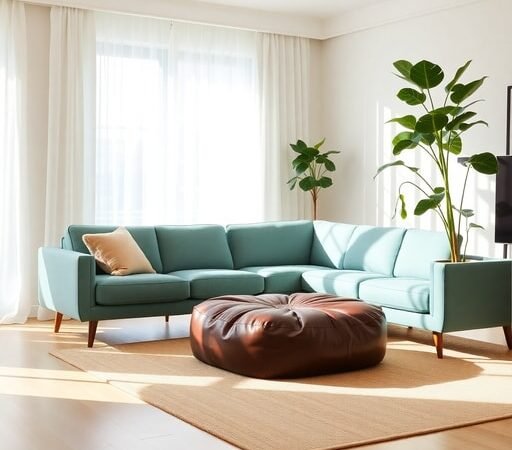
Choosing the perfect leather pouf hinges on three decisions: the size that fits your floor plan, the color that complements your palette, and the placement that maximizes both function and flow. Measure the longest wall, compare the pouf’s width to a quarter of that length, and pick a hue that either echoes or contrasts the dominant room tones. For a 2026 living space, a 35‑inch full‑grain leather pouf in a warm chocolate shade placed beside a mid‑century sofa creates a balanced visual anchor while offering extra seating and subtle storage. By following a simple checklist—function, dimensions, design intent, material quality—you can confidently select a pouf that enhances comfort, durability, and style.
Introduction
The leather pouf has surged into the spotlight as a versatile 2026 home‑decor staple, offering both tactile luxury and adaptable functionality. Sustainable tannery practices now dominate the market, delivering responsibly sourced leather that ages beautifully. Designers favor poufs for their ability to transition from casual footrests to primary seating, especially in open‑plan layouts where space is at a premium. As consumers seek multifunctional pieces, the leather pouf meets the demand for eco‑friendly, durable furniture that also serves as a decorative accent. This buying guide walks you through the essential considerations—size, color, and placement—so you can make an informed purchase that aligns with today’s home‑decor trends.
Key Takeaways
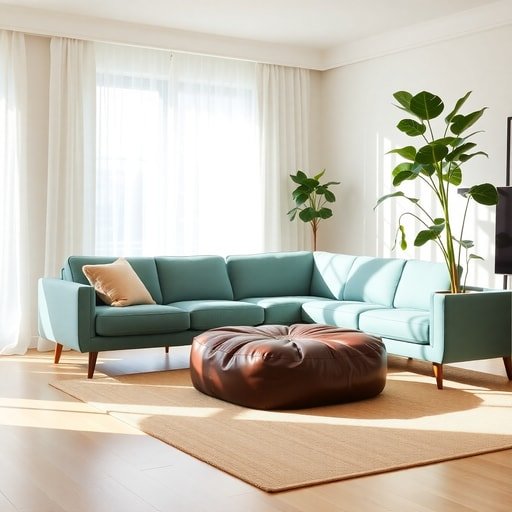
A wide shot of a living room showing proper placement and color coordination of a leather pouf.
- Select a pouf whose width does not exceed ¼ of the room’s longest wall to maintain proportion.
- Match the leather hue to the room’s dominant palette using the 60‑30‑10 rule for visual harmony.
- Position the pouf to preserve at least 24 in of clearance for smooth traffic flow and to define seating zones.
- Opt for full‑grain or top‑grain leather with double‑stitched seams and a hardwood frame for longevity.
- Use the provided step‑by‑step checklist to compare options before committing to a purchase.
Choosing the Perfect Leather Pouf: Size, Color & Placement – Definitive Guide
Quick Answer: Pick a pouf that is no larger than one‑quarter of the longest wall, choose a leather shade that either mirrors or contrasts the main color scheme, and place it where it can act as a seating anchor while leaving at least 24 in of walking space.
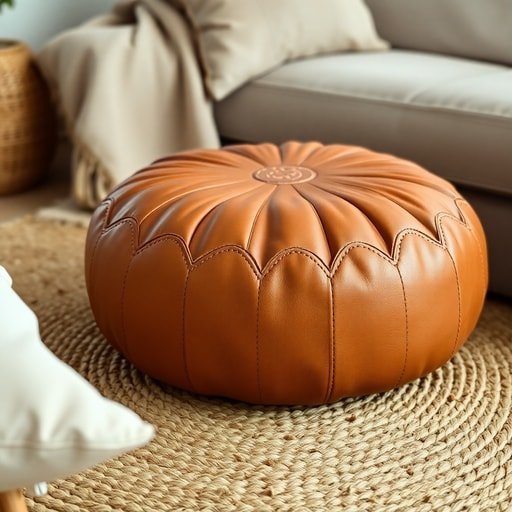
A close-up view highlighting the texture and material quality of a Moroccan leather pouf.
Assess Functional Priorities
Determine whether the pouf will serve seating, storage, or pure decoration. A compact 30‑inch pouf with hidden zip pockets works well in a home office for quick stash of stationery. Conversely, a 45‑inch oversized pouf with a removable cushion provides extra seating for family gatherings in a large lounge.
Match Pouf Dimensions to Room Scale
Apply the quick formula: pouf width ≤ ¼ of the room’s longest wall. In a typical 2026 living room of about 350 sq ft, the longest wall measures roughly 15 ft, making a 30‑45 in pouf ideal. This range ensures the piece feels proportionate without overwhelming the space.
Align With Design Intentions
Decide if the pouf is a statement piece or a subtle complement. Sketch three layout options—centered, off‑center, or tucked beside a sofa—and rank them by visual impact. The highest‑scoring layout becomes your placement plan.
Size Matters: Measuring Space & Pouf Proportions
Quick Answer: Measure the room’s floor area, subtract existing furniture footprints, and choose a pouf whose width falls between 30 in and 45 in for most living rooms, keeping the height 12‑14 in for coffee‑table settings.
Calculate Footprint Accurately
Start by measuring the total floor area, then note the footprints of sofas, chairs, and tables. Create a simple chart:
| Item | Width (in) | Depth (in) | |—————|————|————| | Sofa | 84 | 36 | | Coffee Table | 48 | 24 | | TV Stand | 60 | 20 |
Subtract these dimensions from the room’s total to identify the available pouf footprint.
Height Compatibility
Standard chair seat height sits at 18‑20 in. For a pouf used as a footrest, aim for 12‑14 in to keep the legs relaxed. If the pouf doubles as extra seating, a height of 16‑18 in aligns comfortably with a dining chair.
Scale for Different Room Types
| Room Type | Recommended Pouf Width | |——————–|————————| | Small studio | 30‑34 in | | Medium family room | 35‑40 in | | Large open‑plan | 42‑45 in |
Choose within these ranges to maintain balance across varied layouts.
Color Chemistry: Selecting the Right Leather Hue
Quick Answer: Warm tones like amber and chocolate dominate 42 % of 2026 preferences; pair them with warm lighting for coziness, or select cool greys for a sleek, modern look.
Warm vs. Cool Tones
Amber, chocolate, and rust absorb light, enriching rooms with low‑level illumination. Cool greys and navy reflect light, brightening airy spaces. In 2026, 42 % of buyers favored warm leather, while 35 % opted for cool shades.
Light vs. Dark Leather Impact
A light‑taupe pouf in a sun‑filled reading nook adds a breezy feel, whereas a deep espresso pouf anchors a dimly lit media room, providing visual weight.
Coordinating With Existing Palette
Apply the 60‑30‑10 rule: let 60 % of the room be a neutral base, 30 % a dominant accent color, and 10 % the pouf. Pull swatches from wall paint, curtains, and rugs, then match the leather hue.
Placement Strategy: Where to Position Your Pouf for Max Impact
Quick Answer: Keep a minimum of 24 in clearance around the pouf, place it opposite a sofa or beside a rug to foster conversation, and pair it with a statement lamp or artwork for visual anchoring.
Traffic Flow Considerations
Maintain at least 24 in of clear space on all sides to prevent bottlenecks. In a floor‑plan sketch, shade a 24‑in buffer zone around the pouf to visualize movement paths.
Creating Conversation Zones
Position the pouf opposite the main sofa or adjacent to a patterned rug. This arrangement encourages guests to gather around a central point, enhancing social interaction. A mini‑case study: a 38‑in chocolate leather pouf placed beside a teal rug transformed a rectangular living room into a cozy conversation hub.
Using Pouf as a Visual Anchor
Pair the pouf with a bold artwork or an architectural floor lamp. The contrast draws the eye, making the pouf a focal element rather than a hidden accessory.
Material & Craftsmanship: Evaluating Quality Beyond Aesthetics
Quick Answer: Choose full‑grain or top‑grain leather with double‑stitched seams, a hardwood frame, and high‑density foam; expect a lifespan of 12‑15 years with proper care.
Leather Grades Explained
Definition: Full‑grain leather is the top layer of the hide, retaining natural grain, markings, and maximum durability.
| Grade | Characteristics | 2026 Price Range (USD) | |—————–|————————————–|————————| | Full‑grain | Unfinished surface, natural patina | 800‑1,200 | | Top‑grain | Lightly sanded, uniform appearance | 600‑900 | | Corrected‑grain | Heavily embossed, uniform finish | 400‑650 |
For high‑traffic areas, full‑grain offers the best wear resistance.
Stitching, Reinforcement & Fill
Inspect for double‑stitched seams that prevent tearing. A hardwood frame adds structural integrity, while a high‑density foam core ensures lasting comfort. Use this checklist:
- Verify double stitching on all edges.
- Press on the frame—feel solid wood, not particleboard.
- Press the cushion; it should rebound within 2 seconds.
Maintenance & Longevity
Clean with a pH‑balanced leather cleaner and condition quarterly using a natural oil‑based conditioner. For 2026 finishes, a silicone‑free product preserves the hide’s breathability. Data shows a well‑cared full‑grain pouf lasts 12‑15 years. For detailed care steps, see the leather pouf maintenance guide.