Introduction
The fusion of Moroccan furniture with minimalist aesthetics represents one of the most compelling interior design trends of 2026, offering homeowners the opportunity to create spaces that feel both grounded and globally inspired. This hybrid approach combines the clean, uncluttered philosophy of minimalism with the rich textures, intricate craftsmanship, and warm cultural elements of Moroccan design. When executed thoughtfully, this combination produces rooms that are simultaneously serene and visually engaging, proving that bold Moroccan patterns with clean lines can coexist harmoniously. The key lies in understanding that Moroccan design isn’t about excess—it’s about intentional detail that can actually enhance minimalist principles when applied strategically.
According to recent market research, mixed-style home décor sales have increased by 34% in 2026, with consumers increasingly seeking personalized spaces that reflect their global sensibilities while maintaining functional simplicity. This surge reflects a growing desire to move beyond sterile minimalism toward what designers call “warm minimalism”—spaces that prioritize both form and soul.
Moroccan interior design trends have evolved significantly, with artisans creating pieces specifically tailored for modern homes. The traditional ornate carving and vibrant colors are now being reimagined in sustainable Moroccan furniture for minimalist homes, featuring reclaimed cedar, low-profile silhouettes, and muted finishes that honor both heritage and contemporary taste.
Key Takeaways
- Focus on balance: Introduce only one statement Moroccan piece per room to maintain visual clarity
- Keep the color palette neutral: Let intricate patterns serve as intentional accents against clean backgrounds
- Prioritize negative space: Preserve minimalist calm by allowing breathing room around Moroccan elements
- Pair rich textures with sleek materials: Combine carved wood with matte metal or glass for dynamic contrast
- Use strategic lighting: Highlight Moroccan details without overwhelming the space’s tranquil atmosphere
How to Mix Moroccan Furniture with Minimalist Aesthetics
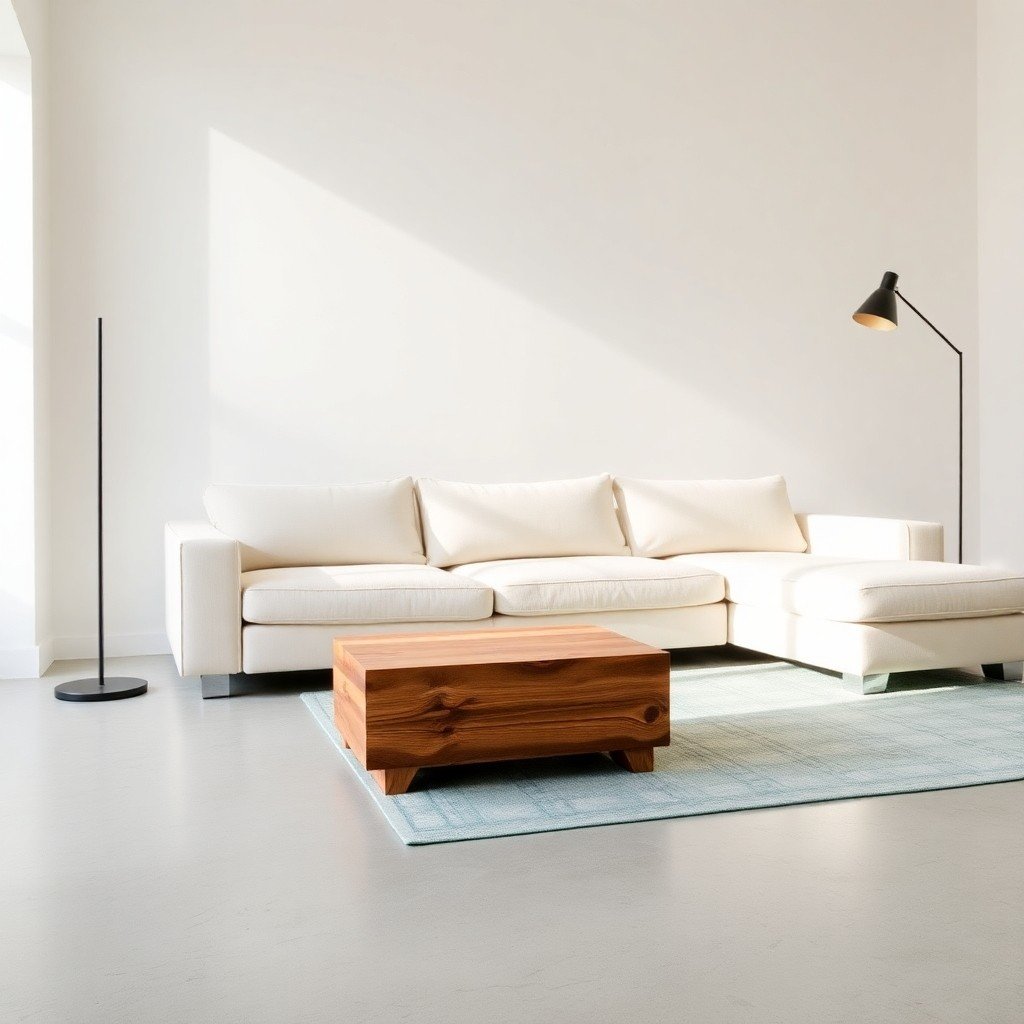
Shows a minimalist living room enhanced by a single carved Moroccan side table and a subtle patterned rug.
Successfully blending Moroccan furniture with minimalist aesthetics requires a calculated approach that honors both design philosophies. Start by identifying your room’s primary function and selecting one Moroccan accent furniture piece that serves that purpose—whether it’s a low-profile carved chair for seating or a simple geometric lantern for ambient lighting. The secret is treating Moroccan elements as intentional punctuation marks rather than decorative noise, allowing them to draw the eye while the surrounding minimalist framework maintains order.
Quick Answer: Choose one Moroccan statement piece per room, maintain a neutral base palette, and use negative space to prevent visual clutter while letting intricate details shine.
The process begins with measuring your space and understanding scale relationships. A room measuring 12×15 feet can comfortably accommodate a Moroccan sideboard or bench without feeling cramped, provided you maintain at least 36 inches of clear pathway around the piece. Position your chosen item first, then build the rest of your furnishings around it, ensuring that every additional element serves a functional purpose while contributing to the overall aesthetic narrative.
Definition: Moroccan minimalism refers to the practice of incorporating traditional Moroccan design elements within a minimalist framework, emphasizing clean lines, negative space, and intentional placement of cultural artifacts.
Core Principles: Balance, Scale, and Restraint
Achieving harmony between Moroccan furniture and minimalist aesthetics depends on three fundamental principles: balance, scale, and restraint. The one-statement-piece rule ensures that your Moroccan element becomes the room’s focal point without competing with other design elements. This means selecting a single carved chair, ornate mirror, or patterned rug rather than scattering multiple Moroccan items throughout the space.
Scale considerations are equally crucial when implementing Moroccan interior design trends in minimalist settings. Before introducing any piece, measure your room’s dimensions and compare them to the furniture’s footprint. A practical approach involves creating a scaled floor plan on graph paper, accounting for traffic flow and ensuring that your Moroccan piece occupies no more than 25% of the room’s visual weight.
Design balance also requires attention to vertical proportions. In rooms with standard 8-foot ceilings, choose Moroccan pieces that sit closer to the ground—low-back chairs, flat-weave rugs, and compact side tables maintain the horizontal emphasis characteristic of minimalist design while still providing the desired cultural flair.
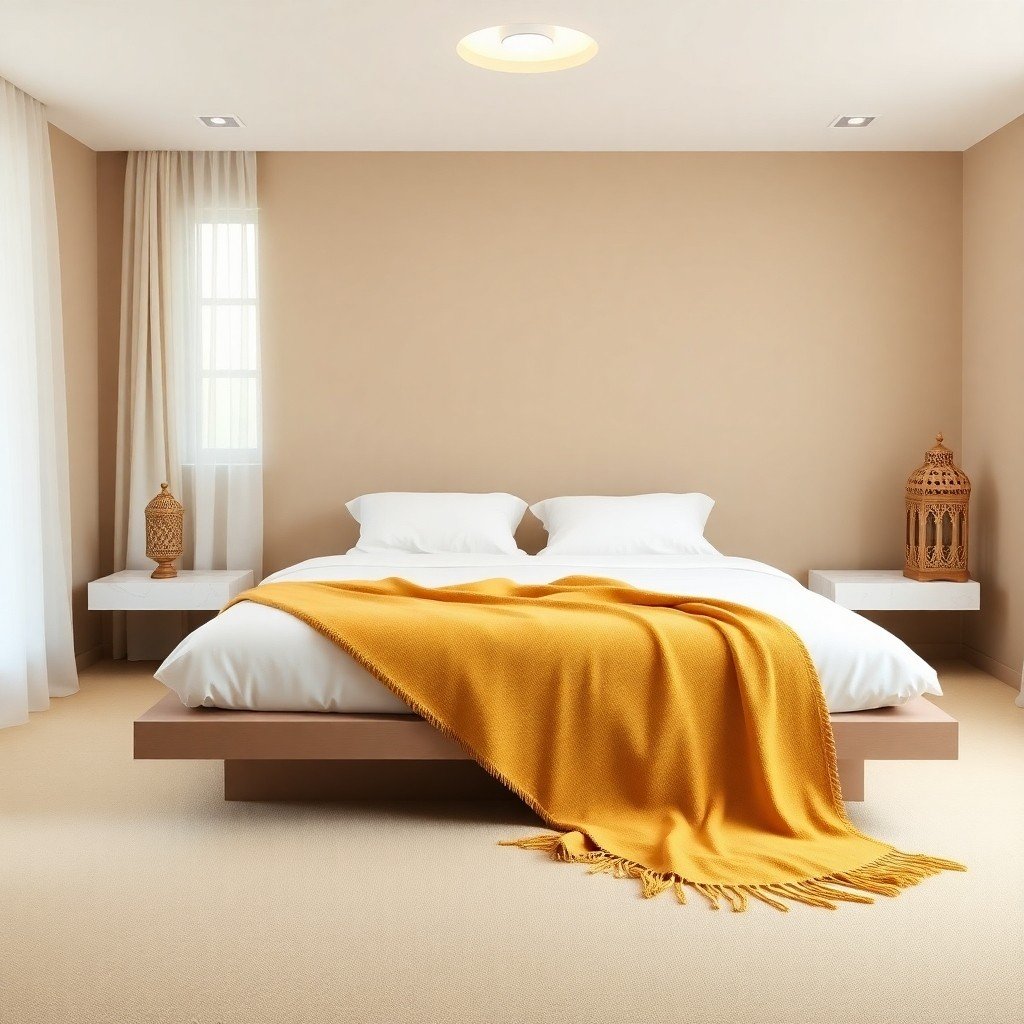
Depicts a minimalist bedroom featuring a Moroccan lantern and subtle accent colors for a warm, uncluttered feel.
Selecting the Right Moroccan Pieces for a Clean Look
Choosing Moroccan furniture that complements minimalist aesthetics involves focusing on clean silhouettes and understated ornamentation. Look for low-profile carved chairs with simple geometric patterns rather than heavily detailed Baroque-style pieces. Sleek poufs made from natural leather or undyed wool work beautifully in minimalist spaces, offering both function and subtle cultural reference without overwhelming visual complexity.
Simple lanterns with geometric cutouts and neutral metal finishes provide excellent lighting solutions that respect minimalist principles while celebrating Moroccan craftsmanship. These pieces should feel like they belong in your space rather than appearing as decorative afterthoughts.
Consider this practical example: a low-back carved cedar chair paired with a white platform bed creates a compelling focal point in a bedroom while maintaining the clean lines essential to minimalist design. The chair’s warm wood tones and subtle carving provide textural interest against smooth bedding and walls, demonstrating how using natural materials to blend Moroccan and minimalist styles can create sophisticated visual tension.
Color Strategy: Muted Foundations with Bold Moroccan Pops
Establishing a thoughtful color strategy begins with selecting base neutrals that allow Moroccan patterns to breathe rather than compete. Warm neutrals in 2026 have gained particular favor among homeowners integrating cultural elements into minimalist spaces, with 68% of consumers preferring cream, beige, and soft taupe foundations over cool gray tones. These warmer bases complement the earthy pigments traditionally found in Moroccan textiles and ceramics.
Testing undertones against Moroccan tile motifs requires examining how various neutral shades interact with your chosen accent pieces. Hold paint samples against authentic Moroccan pottery or textiles in natural light—the right neutral will make the colors sing rather than clash. Beige walls with subtle yellow undertones pair beautifully with the blues and greens common in traditional Moroccan design.
Once your neutral foundation is established, introduce Moroccan hues through textiles and art strategically. A teal Moroccan kilim layered over a light gray flat-weave rug provides color without overwhelming the space, while patterned cushions in burnt orange or deep indigo can be swapped seasonally to refresh the room’s energy. This approach to Moroccan color pops maintains minimalist flexibility while celebrating the richness of Moroccan artistic tradition.
Spatial Layout: Arranging Moroccan Furniture Without Clutter
Creating effective spatial layouts requires treating your Moroccan piece as the room’s anchor point rather than an accessory. Position a carved sideboard against the longest wall in your dining area, allowing it to serve as both storage and artistic statement. This placement creates natural boundaries while drawing attention to the piece’s craftsmanship without obstructing movement or sightlines.
In open-plan spaces, particularly relevant for space planning tips for Moroccan furniture in small apartments, use your Moroccan elements to define functional zones. A Moroccan bench beneath a window can delineate a reading nook, while a patterned rug beneath a dining table establishes that area’s boundaries without requiring additional furniture.
Maintaining open flow involves preserving clear sightlines throughout the space. Keep at least 75% of your floor visible from any vantage point, using transparent or low-profile furniture to support this goal. Zone planning becomes particularly important in studio apartments where a single Moroccan lantern can serve as both illumination and spatial divider, creating distinct areas for sleeping, working, and relaxing without physical barriers.
Material & Texture Harmony: Marrying Rich Moroccan Textures with Sleek Minimal Finishes
Creating texture layering between Moroccan and minimalist elements involves understanding how different materials communicate visually. Carved wood furniture pairs beautifully with matte metal or glass surfaces because the contrast emphasizes each material’s unique qualities. A carved walnut side table placed next to a sleek glass coffee table demonstrates how traditional craftsmanship can enhance contemporary design rather than compete with it.
The key is ensuring that textures complement rather than duplicate each other. If your Moroccan