Creating a Wellness Corner at Home with Herbal Teas & Poufs: The Ultimate 2026 Guide
Introduction
Creating a wellness corner at home with herbal teas & poufs transforms any spare space into a dedicated sanctuary for mental restoration and physical comfort. This micro-sanctuary approach to home design has become a defining trend in 2026, as interior designers recognize that small, intentional spaces can significantly reduce daily stress levels without requiring major renovations. By combining the tactile comfort of poufs—versatile floor seating that promotes better posture—with the sensory relaxation of carefully curated herbal teas, you create a multi-dimensional wellness experience that engages both body and mind.
The beauty of this approach lies in its accessibility. You don’t need a spare room or expensive equipment; just 3×3 feet of thoughtful arrangement can yield profound benefits. The pouf serves as grounding furniture that connects you to the earth beneath, while herbal tea rituals engage the senses through aroma, warmth, and mindful preparation. Together, they form a powerful combination that signals to your nervous system it’s time to transition from stress mode to relaxation mode.
This guide will walk you through selecting the perfect location, choosing poufs that support both comfort and aesthetics, and curating herbal tea collections that align with your specific wellness goals. You’ll discover how layering lighting, natural elements, and digital boundaries creates a complete sensory experience that makes your wellness corner feel distinctly separate from the rest of your living space.
Key Takeaways
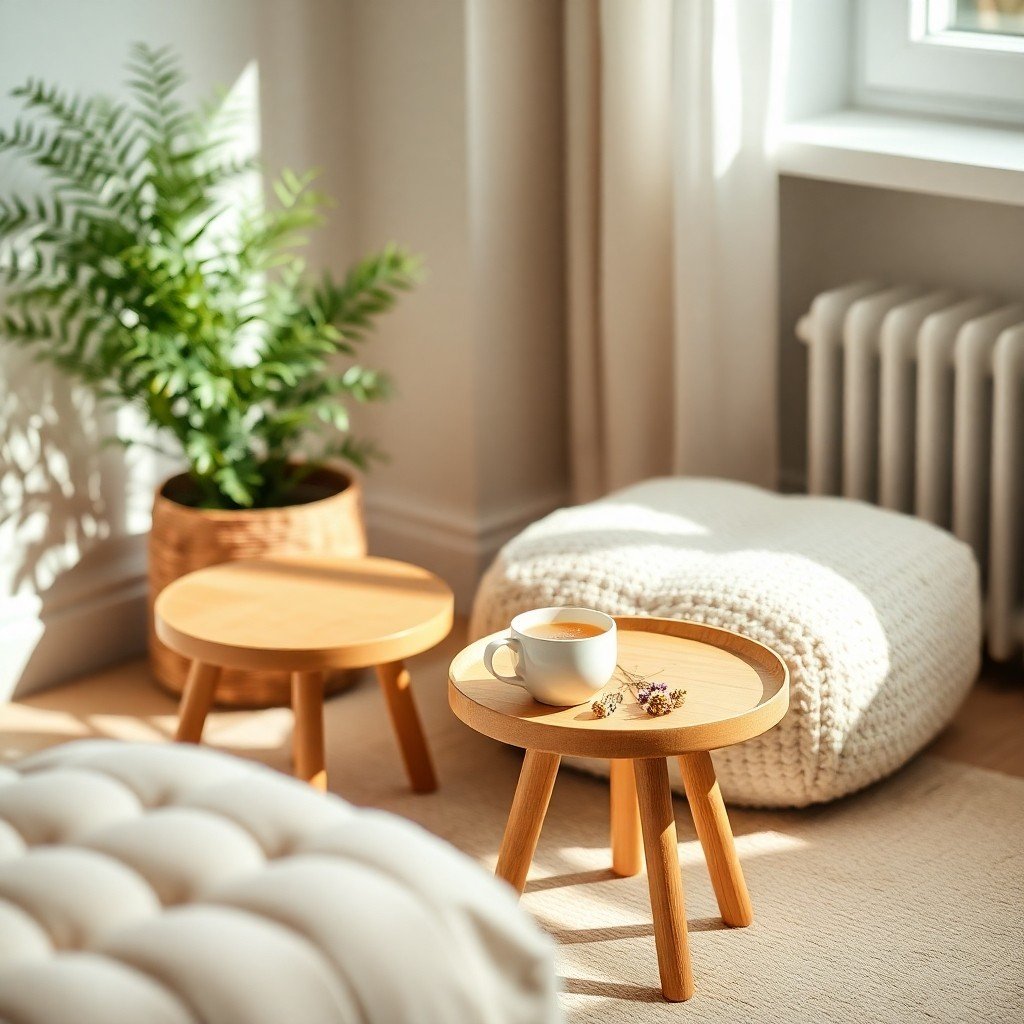
A wide shot of a dedicated wellness corner showcasing a pouf and tea setup.
- A wellness corner requires only a small footprint (approx. 3×3 feet) to significantly impact daily stress levels.
- Poufs offer versatile, ergonomic flooring solutions that promote better posture and relaxation compared to traditional rigid seating.
- Herbal tea selections should be curated based on specific wellness goals, such as sleep support or stress reduction.
- Layering lighting and natural elements is essential for separating the wellness zone from the rest of the room functionally.
- Consistent daily rituals, even just 10-15 minutes, create lasting mindfulness habits more effectively than occasional longer sessions.
The Step-by-Step Blueprint for Your Herbal Tea & Pouf Sanctuary
Quick Answer: Start by choosing a low-traffic corner near natural light, position a pouf facing a calming focal point like a plant or artwork, and place a small side table within arm’s reach for your tea setup. This creates an immediate sense of boundaries that tells your brain it’s time to unwind.
Creating a wellness corner at home with herbal teas & poufs begins with three fundamental principles that transform any space into a mindful retreat. First, select a low-traffic area that naturally draws you toward stillness—ideally near a window where soft natural light filters in throughout the day. Second, arrange floor seating using poufs positioned to face a calming focal point, whether that’s a thriving houseplant, a piece of meaningful art, or simply an unobstructed view of the outdoors. Third, establish a nearby surface for tea preparation that keeps everything within easy reach, maintaining the flow state you’re cultivating.
The goal extends beyond mere decoration; you’re creating a physical boundary that signals to your brain it’s time to decompress. This separation is crucial for effective stress management, as your mind needs clear environmental cues to shift from active problem-solving mode to receptive relaxation mode. The pouf becomes your anchor point, while the tea ritual serves as your transition activity.
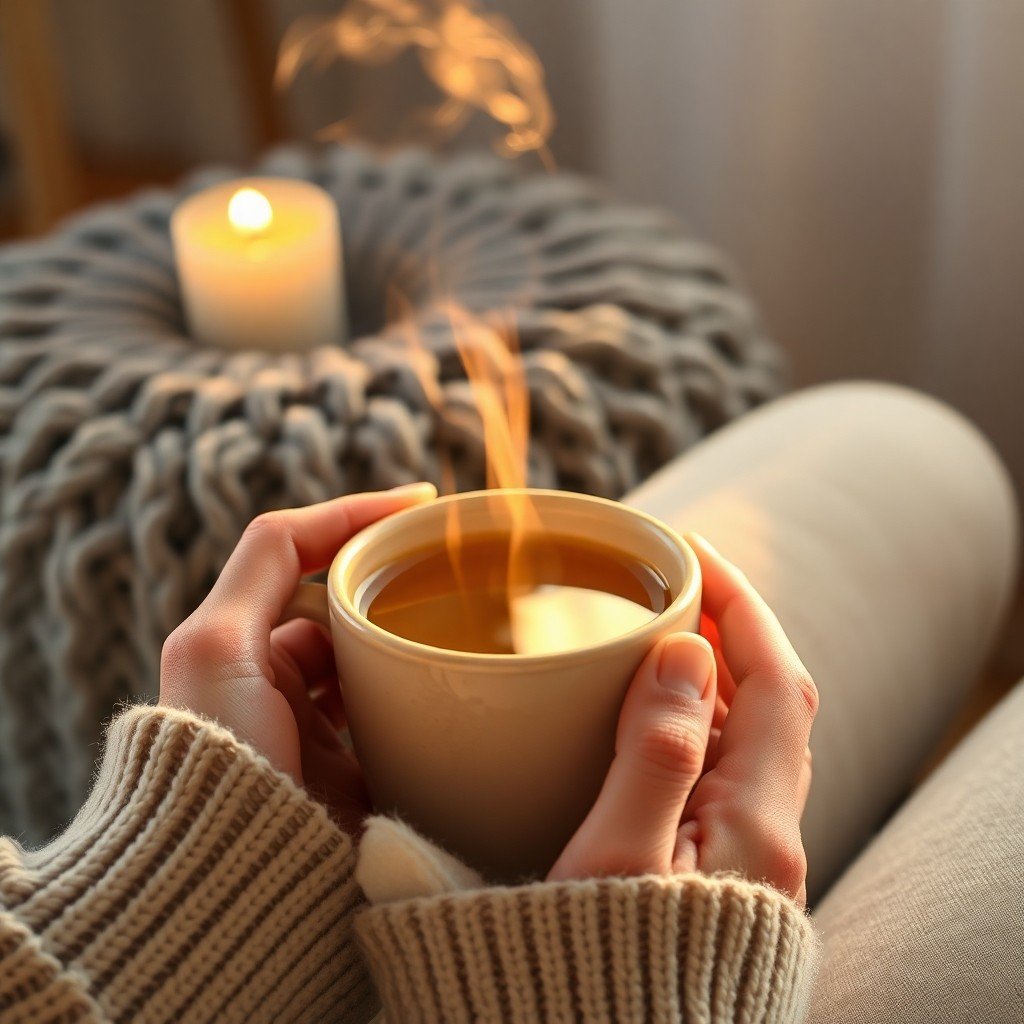
A close-up shot highlighting the tea and the comfortable pouf seating.
Selecting the Optimal Location
Location selection determines 60% of your wellness corner’s success. Choose spots with soft natural light filtering through windows, avoiding harsh afternoon sun that creates glare. Ideal positions include quiet corners away from television screens, kitchen noise, or high-traffic walkways. Even unused alcoves behind doors or beside staircases can be transformed with minimal effort.
Consider the room’s energy flow when making your choice. Areas near noisy appliances or busy hallways disrupt the meditative atmosphere you’re trying to create. Instead, look for spaces where you naturally pause during the day—perhaps near a favorite window seat or beside a bookshelf. These intuitive locations already carry positive associations that enhance the corner’s restorative power.
Arranging the Layout for Flow
Layout flow determines how easily you can enter and exit your wellness state. Position poufs to face calming focal points like a Snake Plant, a small fountain, or a piece of nature-inspired artwork. Leave at least 18 inches of clearance around furniture to maintain openness and prevent the space from feeling cluttered.
Create visual pathways by placing taller elements like floor lamps or plant stands toward the room’s perimeter. This keeps your line of sight unobstructed while maintaining the intimate scale that makes wellness corners effective. The arrangement should feel both inviting and spacious, encouraging you to settle in without feeling trapped or enclosed.
Selecting the Perfect Poufs for Comfort and Aesthetics
Definition: Grounding refers to the mindfulness practice of connecting your body to the earth through physical contact, reducing anxiety and promoting present-moment awareness.
Quick Answer: Choose poufs made from breathable natural fibers like cotton or wool in heights between 14-18 inches for optimal comfort. These dimensions support cross-legged sitting while providing cushioning that heavy armchairs cannot offer in small spaces.
Poufs play a crucial role in promoting grounding—a mindfulness technique that reduces anxiety by connecting your body to the earth beneath. Unlike heavy armchairs that anchor you to one position, poufs allow gentle movement and adjustment, supporting the natural fidgeting that helps some people settle into meditation. Their low profile keeps you physically connected to the floor, enhancing the grounding effect while maintaining flexibility for different sitting postures.
Material selection directly impacts both comfort and the space’s overall aesthetic. Natural fibers dominate 2026 wellness interiors because they regulate temperature and provide tactile comfort without synthetic chemicals. Wool poufs offer exceptional durability and natural flame resistance, while cotton provides easy maintenance and a soft, hygge-inspired appearance that encourages lingering.
Material Choices for Texture and Warmth
Material texture creates the first sensory layer of your wellness experience. Knitted cotton poufs provide a soft, breathable surface that feels welcoming against skin, especially important for extended sitting periods. Wool offers superior temperature regulation and natural antimicrobial properties, making it ideal for humid climates or shared spaces.
Leather poufs bring sophistication and durability, developing character over time through natural patina. Velvet creates a luxurious tactile experience but requires more maintenance to prevent crushing. For 2026 wellness interiors, breathable natural fibers remain preferred because they don’t trap heat or off-gas synthetic compounds that might interfere with relaxation.
Consider seasonal changes when selecting materials. Lightweight cotton works beautifully for summer but may need supplementing with a wool throw during winter months. The pouf’s texture should invite touch, encouraging you to interact with it mindfully during your tea ritual.
Ergonomics and Sizing
Proper ergonomics prevent discomfort that interrupts meditation or relaxation. Pouf heights between 14 and 18 inches accommodate most users in cross-legged positions, providing knee support without elevating hips too high. Heights above 20 inches can strain lower back muscles, while anything below 12 inches may not provide adequate cushioning for bony prominences.
Using two differently-sized poufs creates dynamic visual interest while accommodating various sitting preferences. Place a larger, firmer pouf for traditional meditation poses alongside a smaller, softer one for casual lounging. This layered approach supports both formal mindfulness practice and informal relaxation, maximizing the corner’s utility throughout different times of day.
Test pouf firmness by sitting for five minutes in your intended position. The surface should compress enough to cushion pressure points while maintaining structural integrity. Memory foam filling offers excellent support but may retain heat, while polyester batting provides cooler seating with slightly less contouring ability.
Curating a 2026 Herbal Tea Collection for Mindfulness
Quick Answer: Focus on functional brewing rather than casual tea drinking—select caffeine-free herbal blends like Chamomile-Valerian for evening sleep support or Holy Basil-Lemon Balm for afternoon focus, storing them in glass jars on a dedicated tea station shelf.
Functional brewing elevates tea drinking from routine hydration to intentional wellness practice. The ritual of selecting loose-leaf herbs, measuring portions, and watching water transform into aromatic infusions engages multiple senses simultaneously. This mindful preparation activates the parasympathetic nervous system before you even take the first sip, amplifying the tea’s inherent therapeutic properties.
Adaptogenic herbs dominate 2026 wellness trends because they help the body manage stress rather than simply masking symptoms. Ashwagandha, Rhodiola, and Holy Basil support adrenal function while promoting emotional balance. These herbs work subtly over time, making them perfect for daily wellness corner rituals that build cumulative benefits.
Functional Blends for Specific Moods
Specific mood-focused blends maximize your wellness corner’s effectiveness. Chamomile and Valerian root create powerful evening combinations that prepare the nervous system for restful sleep. Both herbs contain compounds that bind to GABA receptors, naturally promoting relaxation without pharmaceutical intervention.
For afternoon focus, combine Holy Basil with Lemon Balm and a touch of passionflower. This blend enhances cognitive clarity while reducing the jitteriness often associated with caffeine consumption. Morning energy corners benefit from ginger-turmeric blends that boost circulation and provide gentle metabolic support without stimulant effects.
Caffeine-free options are crucial for maintaining consistent sleep cycles. Even small amounts of caffeine consumed after 2 PM can disrupt melatonin production, undermining your evening wellness routine. Keep separate tea collections for morning and evening use, clearly labeled to prevent accidental consumption at inappropriate times.
The “Tea Station” Aesthetic
Tea station aesthetics enhance the overall wellness experience through visual appeal and organized functionality. Style glass jars containing loose-leaf blends on a small side table or floating shelf positioned within arm’s reach of your pouf. Clear labeling helps you quickly select appropriate blends based on your current needs and time of day.
Include both an electric kettle for convenience and a traditional cast-iron teapot for ritualistic brewing. The weight and familiarity of a well-seasoned teapot can deepen your connection to the practice, while quick-heating electric models accommodate busy schedules. Position everything on a tray to contain spills and create visual cohesion.
Storage solutions should prioritize accessibility without sacrificing beauty. Wooden crates stacked beneath the side table provide hidden storage for backup blends and accessories. Small ceramic bowls work perfectly for honey portions or pre-measured herbal combinations that streamline your daily routine.
Layering Sensory Elements Beyond Taste and Touch
Definition: Biophilic design incorporates natural elements into built environments to reduce stress and improve cognitive function through our innate connection to nature.
Sensory layering transforms basic furniture arrangements into immersive wellness experiences. Visual elements like lighting and color temperature directly influence melatonin production and stress hormone levels. Your wellness corner fails if it feels sterile or disconnected from natural rhythms that your body expects.
Soundscapes and background music for mindfulness complete the sensory environment. Soft instrumental music played at low volumes can mask distracting noises while supporting meditative states. Nature sounds like gentle rain or ocean waves provide consistent auditory backdrop that doesn’t demand cognitive attention.
Lighting for Relaxation
Warm-toned bulbs (2700K) mimic sunset conditions that naturally signal your brain to prepare for rest. Table lamps with fabric shades diffuse light softly, eliminating harsh shadows that create visual tension. String lights positioned behind plants or artwork provide ambient illumination without direct glare.
Harsh overhead lighting should be eliminated or controlled with dimmer switches. Fluorescent fixtures can trigger headaches and eye strain, particularly during extended sitting periods. Instead, layer multiple low-intensity light sources to create depth and visual interest while maintaining comfortable illumination levels.
Consider smart lighting systems that adjust color temperature throughout the day. Cooler tones (4000K) in morning hours support alertness during planning rituals, while warmer tones (2200K) in evening encourage melatonin production. These subtle adjustments reinforce your corner’s purpose without conscious effort.
Incorporating Natural Elements
Low-maintenance indoor plants like Snake Plants or Pothos improve air quality while providing visual connection to nature. These species thrive in indirect light conditions typical of interior corners, requiring watering only once weekly. Their vertical growth patterns draw the eye upward, creating sense of spaciousness in small areas.
Natural fiber rugs under poufs define the space acoustically and visually while providing comfortable surface texture. Jute, sisal, or wool rugs absorb sound that might otherwise bounce between hard surfaces, creating more intimate acoustic environment. Choose colors that complement your pouf selections while maintaining earth-toned palette that supports relaxation.
Incorporate natural materials throughout your wellness corner to strengthen biophilic design principles. Wooden side tables, stone coasters, and ceramic tea accessories all contribute to the earth-connected aesthetic that makes spaces feel restorative rather than clinical.
Establishing a Daily Ritual in Your Wellness Corner
Quick Answer: Consistency trumps duration—dedicate just 10-15 minutes daily to your wellness corner rather than long, irregular sessions. Morning routines focus on intention-setting while evening rituals emphasize stress release and preparation for sleep.
Daily ritual establishment transforms physical space into behavioral habit that supports long-term wellness goals. Consistency matters more than duration; 15 minutes daily creates stronger neural pathways than occasional hour-long sessions. Your brain learns to associate entering the wellness corner with specific mental states, making the transition increasingly automatic over time.
Digital detox enforcement is non-negotiable for effective wellness practice. Smartphones introduce cognitive distractions that undermine relaxation benefits within minutes. Keep a physical journal or book permanently positioned on your pouf to ensure analog engagement when you settle in. This simple boundary prevents the dopamine-driven scrolling that keeps minds activated rather than relaxed.
Morning vs. Evening Routines
Morning routines leverage your wellness corner for intention-setting and gentle energy activation. Arrive with your first herbal tea of the day—a stimulating blend like ginger-turmeric or mint-citrus—to signal wakefulness while maintaining calm focus. Use this time for brief journaling or planning rather than checking emails or social media.
Evening wind-down rituals emphasize stress release and preparation for restorative sleep. Dim lighting to 2200K color temperature and select calming herbal blends like chamomile-passionflower. Keep activities simple and repetitive—gentle stretching, breathing exercises, or quiet reading—to avoid activating problem-solving mental modes that interfere with sleep onset.
Adjust your tea selection based on seasonal needs and personal energy patterns. Winter months might call for warming chai-spiced blends while summer favors cooling mint-based combinations. Notice how different herbs affect your mood and energy throughout the day, refining your collection accordingly.
Enforcing a Digital Boundary
Digital boundary enforcement requires physical separation and clear rules. Create a “no phones” policy for your wellness corner, enforced by keeping devices in other rooms during dedicated practice time. This prevents the reflexive checking behaviors that interrupt mindfulness and keep stress hormones elevated.
Replace digital stimulation with analog alternatives permanently positioned in the space. Physical books, journals, or coloring materials provide engaging alternatives that don’t trigger dopamine-driven attention cycles. Choose items that feel special—perhaps a leather-bound journal or artisanal coloring set—to make the analog option genuinely appealing.
Consider using a simple timer instead of phone alarms to mark session boundaries. Traditional kitchen timers or dedicated meditation timers eliminate digital temptation while providing clear start and end signals for your practice period.
Conclusion
Creating a wellness corner at home with herbal teas & poufs represents one of 2026’s most accessible approaches to sustainable stress management. This combination of physical comfort and sensory ritual creates a multi-layered wellness experience that requires minimal investment while delivering maximum impact. By dedicating just 3×3 feet to intentional design, you establish a daily sanctuary that supports both immediate relaxation and long-term mental health improvements.
The pouf provides grounding furniture that connects you to earth while supporting flexible sitting positions, while curated herbal blends engage multiple senses through mindful preparation and consumption. Layering lighting, natural elements, and digital boundaries completes the sensory experience, making your wellness corner feel distinctly separate from the rest of your living space.
Start with just one pouf and one tea blend if the process feels overwhelming. Add elements gradually as the space becomes integrated into your daily routine. The consistency of showing up matters more than perfect initial setup, and your corner will evolve naturally as you discover what combination of elements supports your unique wellness journey.
Frequently Asked Questions
What is the ideal size for a home wellness corner? A wellness corner can function effectively in a space as small as 3 feet by 3 feet. The primary requirement is enough room for a comfortable seat, such as a pouf, and a small surface for a tea mug.
Are herbal teas better than coffee for a wellness routine? While coffee has its place, herbal teas are preferred for wellness corners because they are typically caffeine-free. This prevents the jitters or sleep disruption often associated with caffeine, promoting a calmer state of mind suitable for relaxation.
How do I clean and maintain fabric poufs in a high-traffic area? For 2026 homes, look for poufs with removable, machine-washable covers. For non-removable covers, regular vacuuming and immediate spot cleaning with a mild detergent are recommended to maintain hygiene and appearance.
Can I create a wellness corner in a rented apartment? Absolutely. Wellness corners are perfect for renters because they rely on furniture and decor rather than permanent structural changes. Using poufs, lamps, and plants allows you to create a sanctuary without damaging walls or floors.
Meta Description: Create a home wellness corner with herbal teas and poufs. Learn 2026’s best tips for stress relief, meditation spaces, and mindful routines in small spaces.