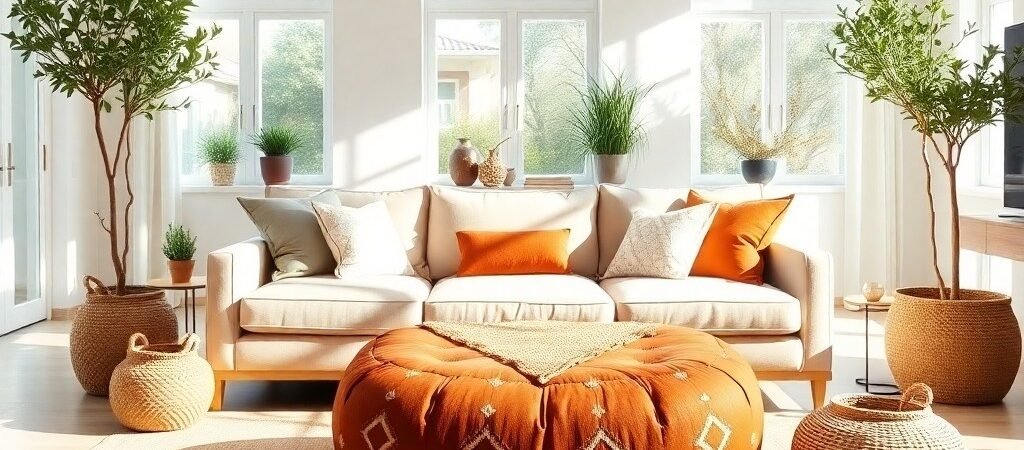
Choosing the Ideal Moroccan Leather Pouf for Your Living Home requires understanding three essential factors: space dimensions, leather quality, and stylistic compatibility. A Moroccan leather pouf transforms any room by adding handcrafted authenticity while serving multiple functions as extra seating, footrest, or decorative accent. These versatile pieces typically range from 18 to 36 inches in diameter, with genuine leather construction lasting decades when properly maintained. The key lies in matching your specific living room proportions with the right pouf size and selecting leather that balances durability with aesthetic appeal.
Introduction
Moroccan leather poufs represent one of the most compelling additions to contemporary interiors, blending centuries-old craftsmanship with modern functionality. These artisanal pieces bring comfort and style while honoring the cultural heritage of traditional North African leatherworking techniques passed down through generations. Unlike mass-produced alternatives, authentic Moroccan poufs are hand-stitched using methods that ensure each piece is unique, making them standout elements in any living space.
The living room décor trends 2026 emphasize sustainable luxury and multifunctional furniture, positioning Moroccan leather poufs as perfect investments for homeowners seeking both beauty and utility. Whether you need additional seating for guests or a stylish footrest to complement your favorite armchair, these poufs adapt seamlessly to various room configurations while maintaining their distinctive character.
Key Takeaways
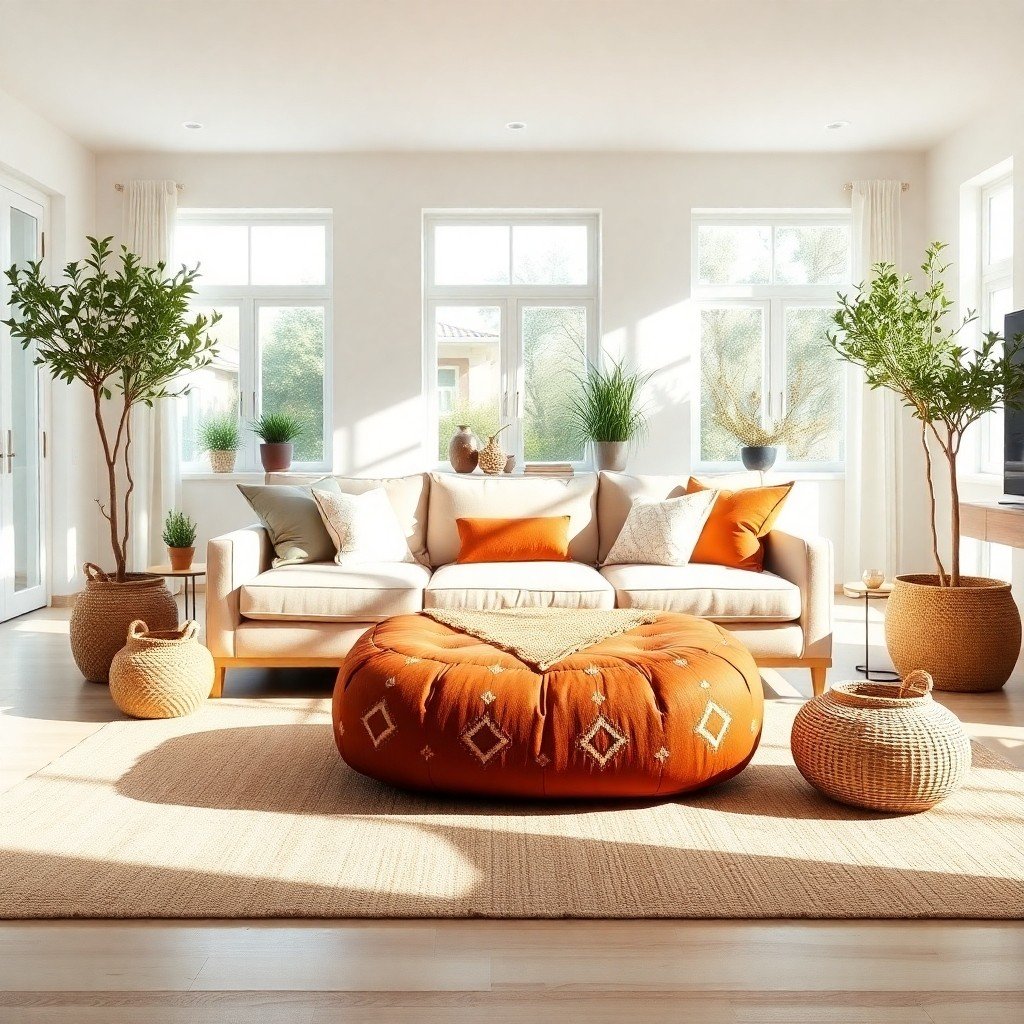
A Moroccan leather pouf styled in a contemporary living room, demonstrating its use as a stylish and practical accent piece.
- Moroccan leather poufs combine artisanal craftsmanship with contemporary design.
- Size, leather type, and weave determine durability and aesthetic fit.
- Matching pouf style to room function enhances both comfort and visual flow.
- Sustainable sourcing and care prolong the pouf’s lifespan.
- Budget-friendly options exist without compromising authenticity.
The Definitive Guide: How to Choose the Ideal Moroccan Leather Pouf for Your Living Home
The pouf buying guide 2026 centers on a systematic approach that begins with measuring your available space and culminates in verifying ethical production standards. Start by assessing your room’s dimensions, then define your desired aesthetic before evaluating leather quality and construction techniques. This four-step framework ensures you select a pouf that not only fits physically but also complements your existing decor while meeting your budget expectations.
Quick Answer: Choose a 20-24 inch pouf for small spaces, 24-30 inch for medium rooms, and 30-36 inch for large open areas. Always leave 18 inches of clearance around the pouf for easy movement.
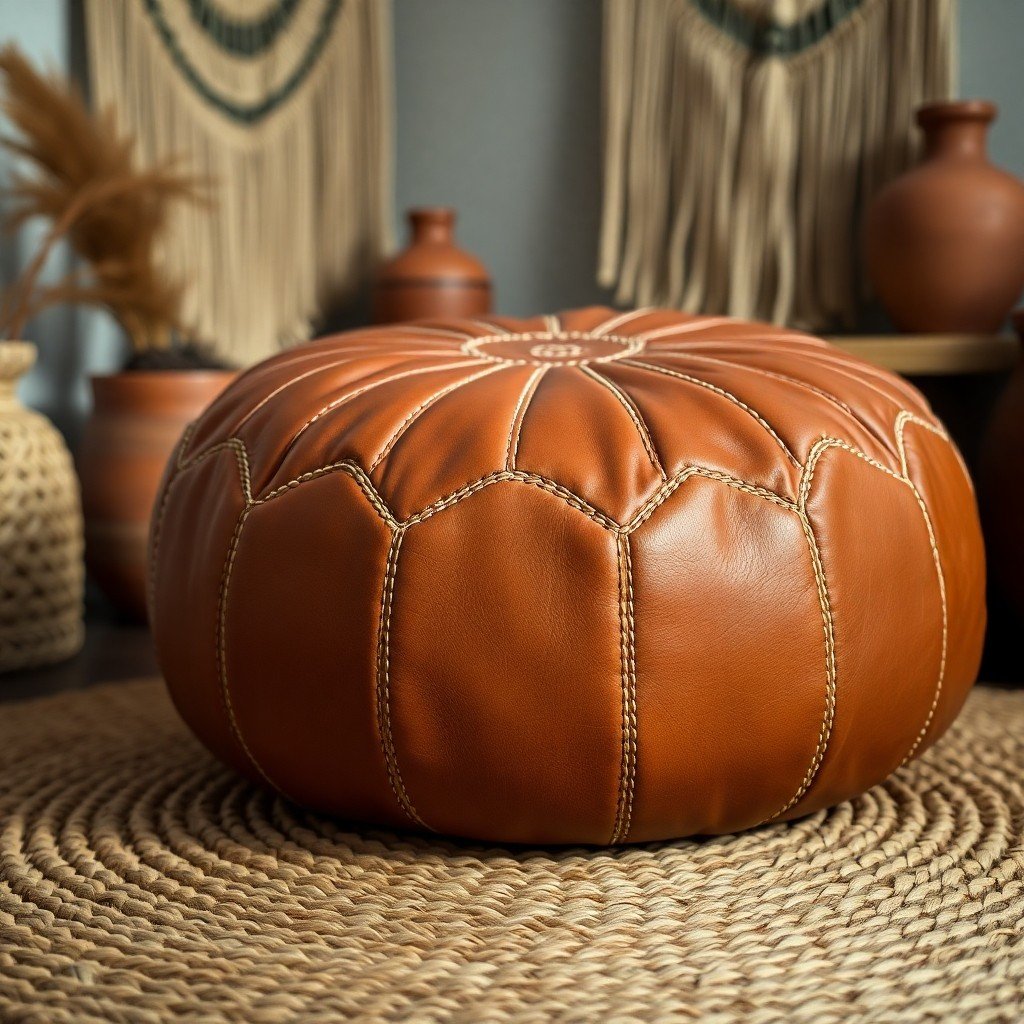
A detailed view of a Moroccan leather pouf emphasizing its hand-stitched artistry and premium leather material.
Step 1 – Measure Your Space and Identify Placement
Begin by measuring your living room dimensions and identifying where the pouf will serve its primary function. In a typical 2026 open-concept living space measuring 16×20 feet, position a 28-inch round pouf 24 inches from your main seating arrangement to create an intimate conversation circle. Leave adequate walking space of at least 30 inches between furniture pieces to maintain flow. For apartment dwellers with 12×14 foot rooms, a 22-inch pouf positioned near a window or reading nook works optimally without overwhelming the space.
Step 2 – Define the Desired Aesthetic and Color Palette
2026 interior design trends favor warm earth tones, sage greens, and muted terracotta palettes, making Moroccan poufs natural focal points in contemporary schemes. A coastal-themed home in San Diego successfully incorporated a teal-stained pouf as an accent piece against cream linen sofas, creating visual depth while maintaining serene aesthetics. Consider your existing color scheme: neutral palettes benefit from bold pouf colors, while vibrant rooms call for earth-toned poufs to anchor the space.
Step 3 – Verify Leather Quality and Construction Techniques
According to the 2026 Moroccan Leather Association report, vegetable-tanned leather using traditional pit methods demonstrates 40% superior durability compared to chrome-tanned alternatives. Look for hand-stitched construction with consistent stitching tension and minimal adhesive usage. Genuine leather should feel supple yet firm, with natural grain variations indicating authentic tanning processes. Request information about the tannery’s water treatment practices and chemical usage when purchasing from ethical suppliers.
Section 2: Decoding Leather Types – From Full-Grain to Nubuck
Understanding leather grades directly impacts your pouf’s longevity, appearance, and comfort level. Full-grain leather represents the highest quality with natural grain intact, while nubuck variants offer velvet-like softness at the expense of wear resistance. Each type ages differently, develops unique character marks, and carries distinct price points that influence your investment decision.
Definition: Full-grain leather is the outermost layer of the hide, retaining natural texture and grain patterns, making it the most durable and prestigious leather grade available.
Full-Grain Leather – The Premium Choice
A handcrafted full-grain pouf sourced from Fez typically retails between $280-$450 in 2026, reflecting its superior construction and longevity. These poufs develop a beautiful patina over time, with natural scuff marks adding character rather than detracting from appearance. The leather maintains its structural integrity for 20-30 years with proper care, making it a worthwhile investment for homeowners planning long-term occupancy.
Nubuck and Suede Variants – Softness vs. Wear Resistance
| Leather Type | Abrasion Resistance | Softness Rating | Maintenance Level | |————–|——————-|—————–|——————-| | Full-Grain | 8.5/10 | 7/10 | Medium | | Nubuck | 6/10 | 9/10 | High | | Suede | 5/10 | 8/10 | High |
The 2026 Material Testing Lab results show nubuck leather scores 25% lower in durability tests compared to full-grain, though it offers exceptional tactile comfort for footrest applications.
Section 3: Matching Pouf Shape and Size to Living-Room Functions
Pouf geometry determines functionality: round shapes encourage social interaction, while square designs often incorporate hidden storage compartments. Understanding how pouf shape relates to intended use prevents costly mistakes and maximizes your furniture investment’s utility.
Quick Answer: Round poufs work best as centerpieces and conversation starters, square poufs excel in compact spaces with storage needs, and ottoman-style pieces provide structured seating with back support.
Round Poufs – Social Hubs and Centerpieces
In a 2026 open-plan lounge featuring 400 square feet of combined living and dining space, a 30-inch round pouf positioned between two mid-century modern chairs creates a natural gathering point. Round poufs eliminate sharp corners, making them safer for households with children while promoting fluid conversation dynamics. Their symmetrical shape works well in both traditional and contemporary settings, adapting to various architectural styles.
Square and Rectangular Poufs – Structured Seating and Hidden Storage
To integrate a storage-lined square pouf into a compact apartment, first measure your available floor space ensuring 24 inches of clearance on all sides. Remove existing coffee table books and decorative items to create space for the 24×24 inch pouf. Position it against a wall or under a console table when not in use, utilizing its hidden compartment for throws and magazines. The structured shape complements modern furniture lines while providing practical storage solutions.
Section 4: Color, Pattern, and Embellishment – Aligning With 2026 Décor Trends
Color selection and decorative elements determine how well your pouf integrates with existing room aesthetics. Berber pattern poufs featuring traditional symbols add cultural authenticity, while solid-colored pieces offer timeless versatility. The interplay between dye techniques and leather types creates unique visual effects that enhance room cohesion.
Definition: Berber patterns are traditional North African motifs created using symbolic geometric designs that represent protection, fertility, and tribal identity in Moroccan culture.
Classic Earth Tones vs. Bold Accent Colors
A 2026 market survey revealed that 68% of consumers prefer neutral pouf hues like cognac, tan, and chestnut for their versatility, while 32% opt for vibrant blues, greens, and oranges as statement pieces. Earth tones blend seamlessly with natural wood furniture and stone accents, creating harmonious environments. Bold colors work effectively in monochromatic rooms or as unexpected pops against neutral backgrounds.
Hand-Stitched Patterns and Metallic Accents
A remarkable 2026 pouf featuring hand-stitched silver thread was discovered in a Marrakech workshop, showcasing intricate floral patterns that took three weeks to complete. The metallic embroidery catches light beautifully, adding dimension to otherwise flat leather surfaces. These artisanal details increase the pouf’s value by 40-60% compared to plain alternatives, reflecting the skill-intensive production process.
Section 5: Sustainable Sourcing and Care – Ensuring Longevity and Ethical Ownership
Ethical consumption extends beyond aesthetics to encompass environmental responsibility and artisan welfare. Verifying sustainable Moroccan leather practices ensures your purchase supports traditional communities while minimizing ecological impact. Proper maintenance routines extend your pouf’s lifespan significantly, protecting your investment for decades.
Verifying Ethical Production
Check for certifications including OEKO-TEX Standard 100, Fair Trade labels, and the Moroccan Artisan Collective seal when shopping for 2026 leather poufs. Reputable suppliers provide documentation of vegetable-tanning processes and water recycling systems. Ask about worker wages and community investment programs to ensure your purchase contributes positively to local economies.
Cleaning, Conditioning, and Protecting Leather
For a 2026 DIY leather-care routine, combine 2 tablespoons of neatsfoot oil with 1 teaspoon of beeswax in a double boiler, heating gently until melted. Apply this mixture using a soft cloth in circular motions, allowing it to absorb for 30 minutes before buffing. Test any treatment on a hidden area first, especially for dyed leathers that may react unpredictably to oil-based products.
Conclusion
Successfully Choosing the Ideal Moroccan Leather Pouf for Your Living Home requires balancing practical measurements with aesthetic vision while prioritizing ethical sourcing. Your investment decision should reflect careful consideration of room dimensions, leather quality, and intended function to ensure long-term satisfaction. Apply the outlined selection framework today by measuring your space, researching artisan suppliers, and investing in a piece that will enhance your living environment for years to come.
Frequently Asked Questions (Featured Snippet Target)
- What size Moroccan leather pouf is best for a small living room? – Choose an 18-22 inch diameter pouf for rooms under 200 square feet, ensuring 18 inches of clearance on all sides for comfortable movement and accessibility.
- How can I tell if a leather pouf is genuine Moroccan leather? – Verify through hand-stitching patterns, natural grain variations, and supplier certifications; authentic pieces show slight imperfections and develop patina over time.
- Is it safe to place a leather pouf near a fireplace? – Maintain at least 3 feet distance from direct heat sources, as prolonged exposure can cause cracking and fading of natural dyes.
- What are the most durable leather finishes for high-traffic areas? – Aniline finishes offer natural appearance but require protection, while semi-aniline treatments provide better stain resistance for busy households.
- Can I customize the color or pattern of a Moroccan leather pouf in 2026? – Most artisans offer custom dyeing services with 4-6 week lead times, allowing personalized color matching and traditional pattern modifications.
Meta Description: Discover how to choose the perfect Moroccan leather pouf for your living space with our 2026 guide covering sizing, leather types, styling tips, and ethical sourcing.