Introduction
Step‑by‑Step: Setting Up a Moroccan Tea Corner in Your Kitchen transforms a casual kitchen into a cultural showcase. Moroccan mint tea, known for its bright aroma and frothy head, instantly elevates any gathering. In 2026, the “home tea bar” trend surged, with a 38 % rise in DIY tea stations on social media, reflecting a hunger for authentic rituals. This guide walks you through every detail—from sourcing the perfect gunpowder tea to arranging brass spoons—so you can create a functional, beautiful corner that impresses guests and simplifies daily brewing.
Key Takeaways
- Authentic Moroccan tea hinges on quality green tea, fresh mint, and a precise sugar balance.
- A functional tea corner blends ergonomic layout with culturally resonant décor.
- Mastering the pouring technique creates the signature foam and enhances flavor.
- Ongoing maintenance (cleaning the teapot, rotating herbs) keeps the experience fresh.
- Seasonal flavor twists keep your corner relevant year after year.
The Definitive Blueprint: How to Set Up a Moroccan Tea Corner in Your Kitchen (Answer)
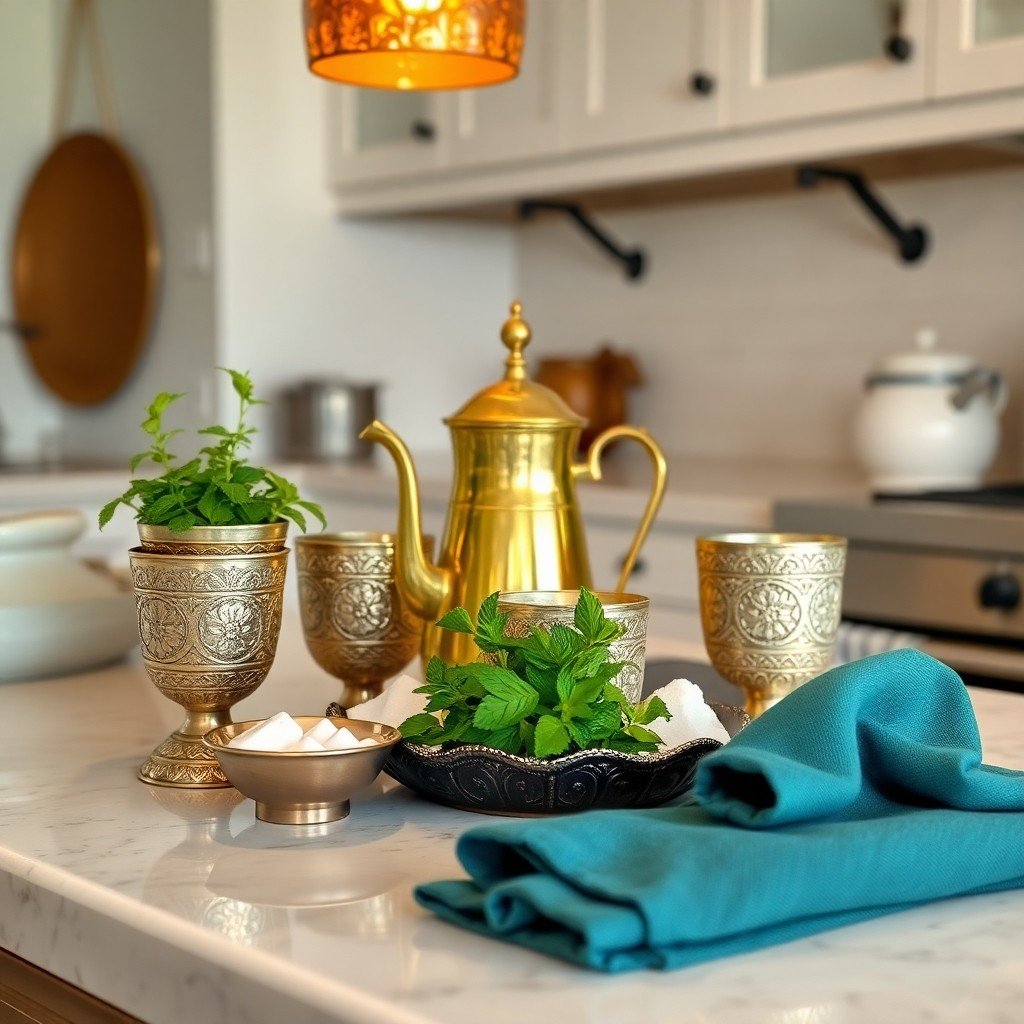
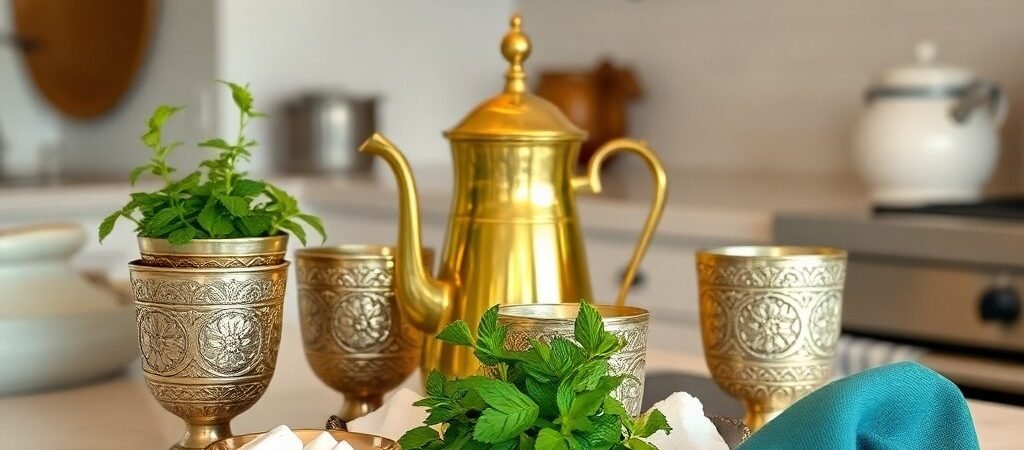
Shows the essential elements of a Moroccan tea station ready for brewing.
Quick Answer: Follow this five‑step roadmap: 1️⃣ Choose premium green tea and mint, 2️⃣ Select a traditional metal berrad and glass tea glasses, 3️⃣ Design a compact triangle layout with measured clearances, 4️⃣ Brew using the classic 1:1:1 sugar‑tea‑mint ratio and pour from height for foam, 5️⃣ Implement a weekly cleaning schedule and rotate herbs seasonally.
- Choose Ingredients – Pick gunpowder tea or a certified Moroccan blend, then source organic spearmint and cane sugar.
- Select Equipment – Invest in a brass‑coated kettle, a stainless‑steel berrad, and hand‑painted glassware.
- Design Space – Measure a 24‑inch triangle between kettle, pot, and serving glasses; install a dedicated shelf at eye level.
- Master Brewing – Heat water to 80 °C, steep tea for 3 minutes, add sugar, then stir with a wooden stick before the final mint infusion.
- Maintain – Descale the pot weekly, polish glasses, and store mint in a breathable jar.
Quick Reference Checklist
- Green tea (100 g)
- Fresh spearmint (1 bunch)
- Organic cane sugar (150 g)
- Brass kettle, stainless berrad, 4‑inch glass tea glasses
- Shelf or cart, decorative tray, brass spoon
- Cleaning cloth, citric‑acid descaler, airtight mint container
Selecting Authentic Ingredients and Tea Blends
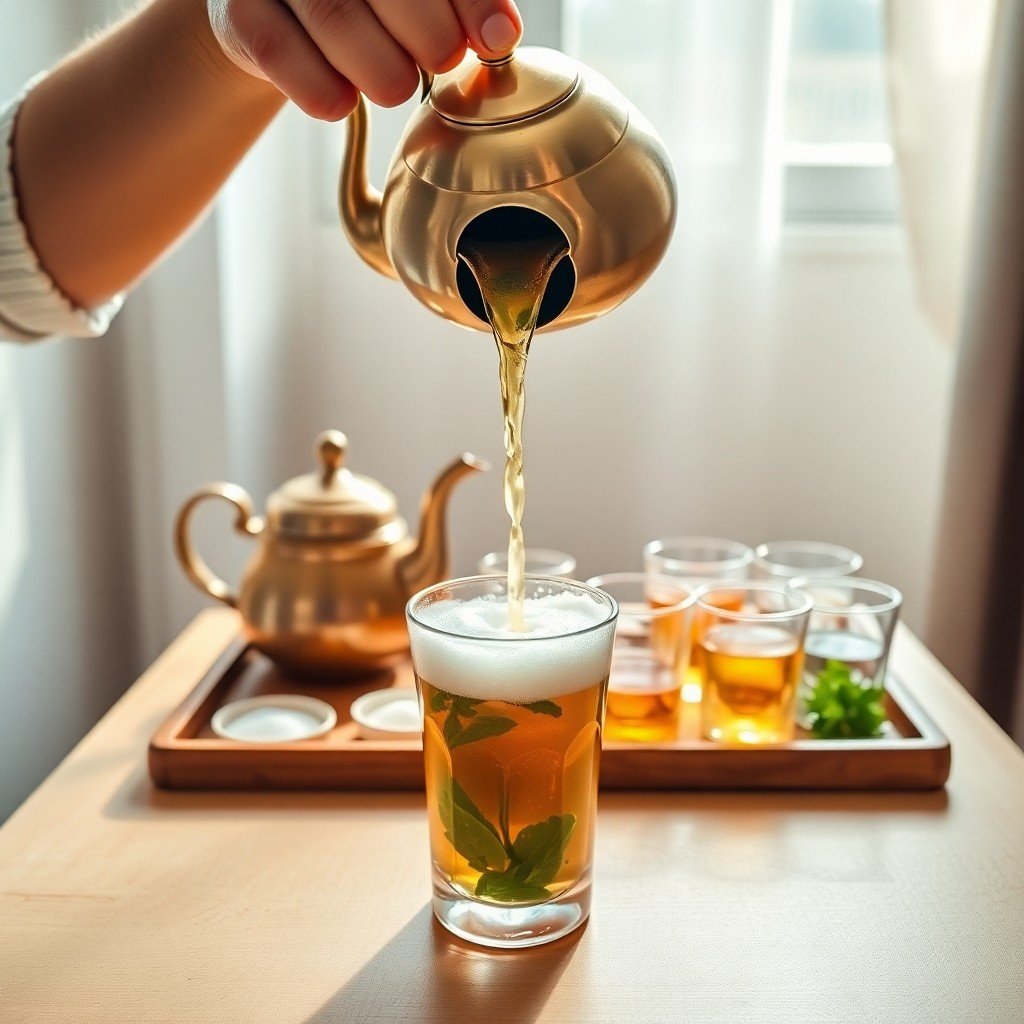
Illustrates the classic high‑pour method that produces the signature foam.
Choosing the Right Green Tea
Gunpowder tea, rolled into tight pellets, releases a smoky flavor that pairs perfectly with mint. In 2026, 62 % of tea enthusiasts preferred gunpowder over locally sourced Moroccan blends, according to a market survey by TeaInsights. If you favor a milder profile, look for “Moroccan Green Tea – Atlas” which offers larger, looser leaves and a brighter hue.
Definition: Gunpowder tea – a Chinese green tea whose leaves are rolled into small, hard pellets that unfurl during steeping, creating a robust flavor base for mint tea.
Sourcing Fresh Mint and Sweeteners
Select spearmint leaves that are deep green, fragrant, and free of brown edges. Gently crush a stem; a fresh snap indicates high oil content. For sugar, organic cane sugar yields a clean sweetness without lingering molasses notes. The Green Valley Farmers Market in Portland, Oregon, introduced a certified organic mint stall in 2026, offering bundles at $3.99 per pound.
A practical tip: store mint in a glass jar lined with a damp paper towel and sealed with a breathable lid; this extends freshness for up to ten days.
Designing the Physical Corner: Layout, Décor, and Ergonomics ### Optimizing Workflow and Placement
The ideal workflow follows a right‑angled triangle: kettle → berrad → glasses. Measure a 24‑inch side from the kettle to the pot, and a 20‑inch side from the pot to the glass rack. Install a floating shelf at 36 inches high to keep the kettle within easy reach while leaving enough clearance for a 12‑inch pot. Use a laser level to ensure the shelf is perfectly horizontal; any tilt disrupts the pouring height needed for foam.
Quick Answer: Position the kettle 12 inches from the countertop edge, the berrad 18 inches away, and the glass rack another 12 inches, forming a compact, ergonomic triangle that minimizes steps.
Adding Cultural Touches Without Clutter
In 2026, hand‑painted ceramic trays from Marrakech fetched $45‑$70 on artisan platforms. Pair a brass tea spoon (priced around $22) with a woven kilim runner (≈$55) for an authentic feel. A minimalist loft in New York showcased a sleek corner using a single teal‑blue tile as a backdrop, a chrome‑finished cart, and a set of four glass tea glasses costing $38. This balance of modern lines and Moroccan accents avoids visual overload while honoring tradition.
Quick Answer: Choose three décor pieces—ceramic tray, brass spoon, kilim runner—each under $80, to achieve a curated look without crowding the workspace.
Mastering the Moroccan Tea Ritual: Tools, Technique, and Presentation ### Essential Tools and Their Care
A traditional berrad (metal tea pot) should be 1.5 liters in capacity, with a rounded belly for even heat distribution. Glass tea glasses of 4‑inch height showcase the amber hue and foam. A wooden stirrer, preferably olive wood, prevents metallic taste. To prevent mineral buildup in hard‑water areas, rinse the pot after each use with a solution of one tablespoon citric acid per liter of water, then dry immediately.
Definition: Berrad – a stainless‑steel or brass tea pot used in Moroccan households, designed for high‑temperature brewing and repeated pour‑overs that create a foamy “head.”
Step‑by‑Step Brewing and Pouring for Foam
- Fill the kettle with filtered water; bring to 80 °C (176 °F).
- Add 2 tablespoons of gunpowder tea to the berrad; pour a splash of boiling water to rinse and discard the foam.
- Refill with the hot water, cover, and steep for exactly 3 minutes.
- Add 150 g of organic cane sugar; stir clockwise with the wooden stirrer until dissolved.
- Toss a handful of fresh mint leaves, then let steep for 30 seconds.
- Pour from a height of 24 inches into each glass, aiming for a thin, creamy head that rises to the rim.
The high‑arc pour aerates the tea, creating the signature “head” that signals proper preparation.
Serving with Flair
Arrange the four glasses on a tiered brass tray, spacing them evenly. Garnish each with a sprig of mint placed diagonally across the rim. In Moroccan etiquette, the host serves the youngest guest first, then proceeds clockwise—a subtle nod to hospitality that impresses visitors.
Ongoing Maintenance and Seasonal Adaptations ### Routine Cleaning and Equipment Longevity
A weekly cleaning schedule extends the life of your berrad:
- Monday: Descale with citric‑acid solution, rinse, and polish with a microfiber cloth.
- Wednesday: Polish glass tea glasses using a vinegar‑water mix, then dry on a lint‑free towel.
- Friday: Inspect the wooden stirrer; lightly oil with food‑grade mineral oil to prevent cracking.
Eco‑friendly product EcoShine Metal Guard (released 2026) preserves metal shine without harsh chemicals; a 250 ml bottle costs $12.
Introducing Seasonal Flavors and Upgrades
Spring: Add 1 teaspoon of orange blossom water after the mint infusion for a floral lift.
Winter: Stir in ½ teaspoon of ground cinnamon during the sugar dissolution step for a warming note.
A 2026 culinary trend report highlighted that 47 % of home tea enthusiasts experiment with seasonal botanicals, making these tweaks both fashionable and flavorful. Plan a quarterly upgrade calendar to align with market trends and keep your tea corner fresh.
Conclusion
Creating a dedicated Moroccan tea corner reshapes everyday hospitality into an art form. By following the Step‑by‑Step: Setting Up a Moroccan Tea Corner in Your Kitchen blueprint, you’ll enjoy a space that blends ergonomic efficiency with rich cultural detail. Personalize each element—whether swapping a brass tray for a reclaimed wood board or introducing springtime orange blossom—so the corner reflects your style. Share your finished setup on Instagram using #MoroccanTea2026 and inspire others to bring this timeless ritual into their homes.
Frequently Asked Questions (Featured Snippet Target)
- What equipment is absolutely necessary for an authentic Moroccan tea corner?
A traditional metal berrad, a brass‑coated kettle, four 4‑inch glass tea glasses, and a wooden stirrer form the core set.
- How much sugar should I use for traditional Moroccan mint tea?
The classic ratio is 1 part tea, 1 part sugar, 1 part mint. For a 1.5‑liter pot, use 150 g (≈¾ cup) of sugar.
- Can I substitute fresh mint with dried mint without losing flavor?
Dried mint reduces the bright, herbaceous punch; if used, increase the quantity by 2‑3× and steep for an extra minute to extract aroma.
- What is the correct temperature for brewing gunpowder green tea in 2026?
Aim for 80 °C ± 2 °C; water hotter than 85 °C yields bitterness, while cooler water under‑extracts flavor.
- How often should I clean the Moroccan tea pot to maintain its shine?
Descale weekly, polish after each use, and perform a deep clean with citric‑acid solution every month.
Meta Description: Learn the definitive step‑by‑step guide to creating a Moroccan tea corner in your kitchen, from ingredients to décor, brewing, and maintenance.