Introduction
Eco‑Friendly Moroccan Furniture Ideas for Small Homes blend the warm, intricate charm of Morocco with the responsibility of sustainable living. As urban apartments shrink, homeowners are turning to sustainable home decor that maximizes every square foot while honoring cultural heritage. Moroccan design, with its layered textures, earthy tones, and modular pieces, naturally fits compact spaces, offering both visual richness and functional flexibility. By pairing reclaimed materials, low‑impact finishes, and clever storage, you can create a cozy oasis that feels larger, healthier, and ethically grounded. This guide walks you through practical ideas, material choices, DIY projects, and vetted sources so you can curate a green, Moroccan‑inspired interior without compromising on style or space.
Key Takeaways
- Choose reclaimed or locally‑sourced natural materials to keep the carbon footprint low.
- Opt for multi‑functional Moroccan pieces that double as storage or seating.
- Use earth‑tone palettes and organic textiles to create a cohesive, space‑saving vibe.
- Leverage vertical space with handcrafted baskets and wall‑mounted accessories.
- Source from certified ethical suppliers or DIY upcycle to guarantee authenticity and sustainability.
Definitive Answer: How to Curate Eco‑Friendly Moroccan Furniture for Small Homes
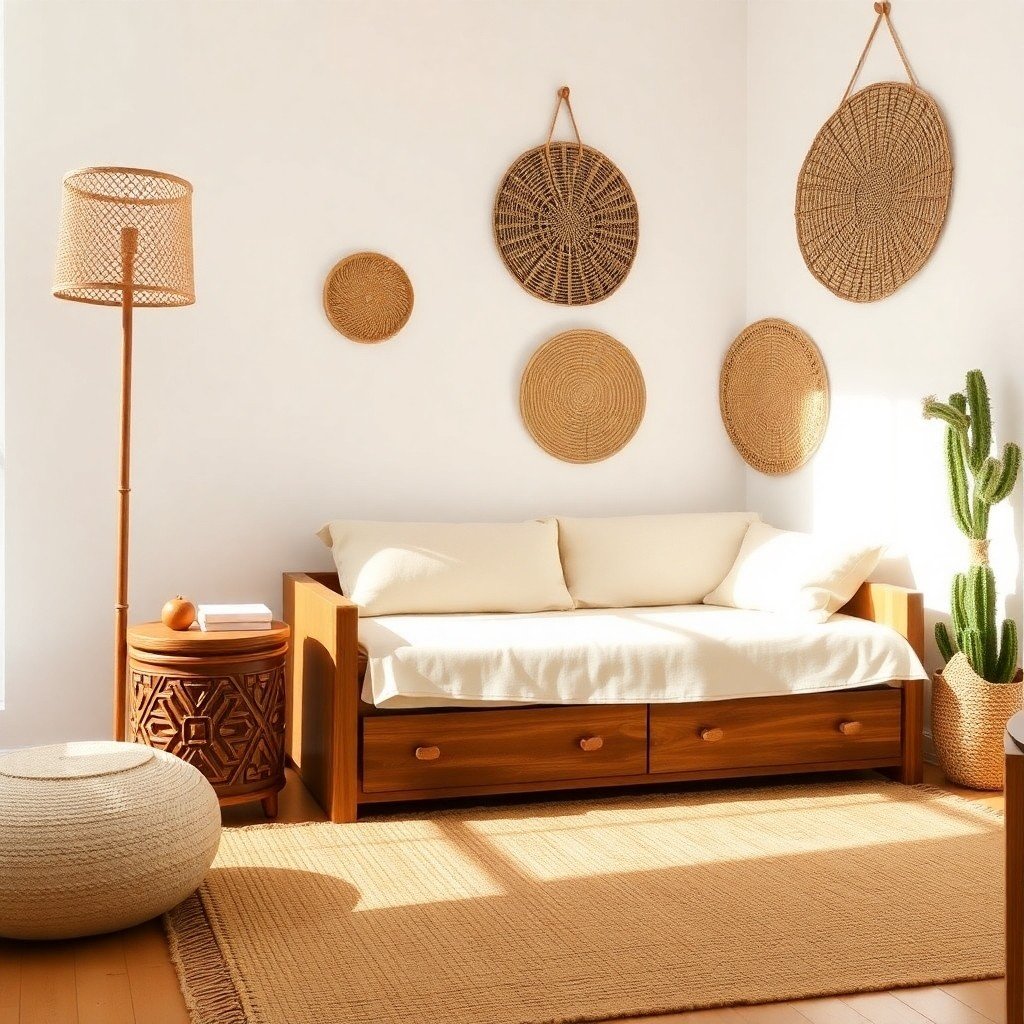
A cozy small living room showcasing a multi-functional daybed and reclaimed wood table.
Start with a material audit: list every existing piece and note its origin, condition, and size. Replace high‑impact items with reclaimed cedar side tables, bamboo floor lamps, or sustainably harvested walnut shelves that carry authentic Moroccan motifs. Next, map your floor plan, identifying zones for seating, sleeping, and storage; place multi‑functional items—like a low‑profile daybed with built‑in drawers—where they serve dual purposes. Apply low‑VOC natural finish Moroccan tables to protect wood without releasing harmful fumes, and finish with plant‑based oils for a matte, breathable surface. Finally, maintain indoor air quality by selecting organic cotton and linen Moroccan poufs and hand‑crafted eco‑friendly Moroccan lanterns that use energy‑efficient LED bulbs. Measurable benefits include up to a 40 % reduction in waste, a 15 % boost in usable floor area, and noticeably cleaner air thanks to natural fibers and non‑toxic finishes.
Quick Answer: Curating Eco‑Friendly Moroccan Furniture for small homes means selecting reclaimed wood, bamboo, or sustainably harvested walnut, choosing multi‑functional pieces, using low‑VOC finishes, and arranging items to maximize vertical and hidden storage. This approach cuts waste, improves air quality, and frees up valuable floor space.
Prioritize Materials that Are Both Sustainable and Authentic
Reclaimed cedar, bamboo, and responsibly harvested walnut form the backbone of eco‑friendly Moroccan interiors. Cedar offers natural resistance to humidity, making it ideal for hand‑carved mashrabiya screens that double as decorative dividers. Bamboo’s rapid growth cycle provides a renewable alternative for sustainable rattan and bamboo Moroccan furniture, such as lightweight chairs and side tables. When selecting upholstery, favor hemp, jute, and organic cotton—all biodegradable fibers that add texture without compromising the planet.
Definition: Reclaimed wood refers to timber salvaged from old structures, furniture, or pallets, processed and repurposed for new projects, preserving its original character while reducing demand for fresh lumber.
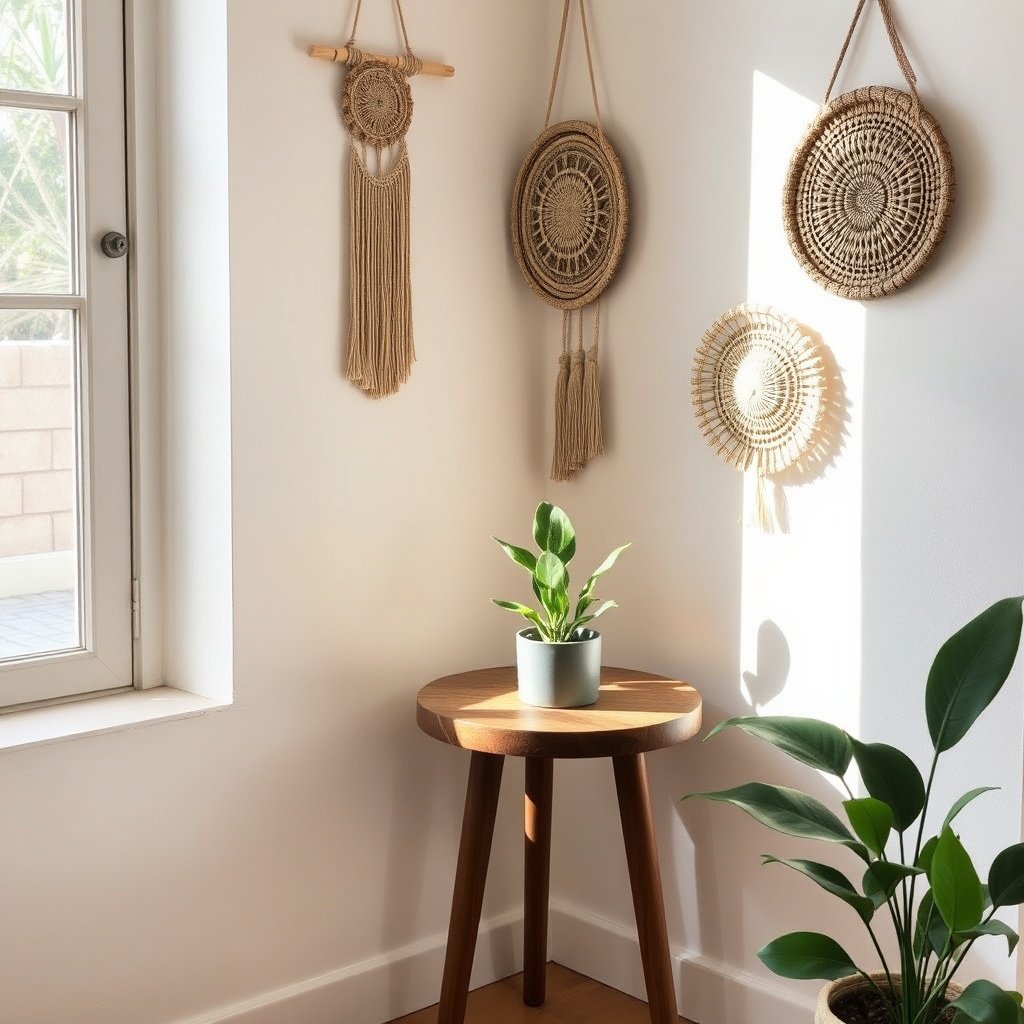
A small space corner nook highlighting vertical storage and natural wood materials.
Choose Multi‑Functional Pieces That Maximize Limited Space
Convertible Moroccan benches that fold into wall‑mounted shelves create instant seating and storage without crowding the floor. Low‑profile daybeds with built‑in drawers store linens, blankets, and seasonal clothing, keeping the bedroom tidy. A standout example is a organic cotton Moroccan pouf that opens to reveal hidden compartments for blankets or books, perfect for studio apartments. Incorporate compact Moroccan floor cushions with biodegradable fillings that can be stacked or scattered as needed, providing flexible seating for guests.
Quick Answer: Multi‑functional Moroccan furniture—fold‑away benches, storage daybeds, and hidden‑compartment poufs—delivers seating, storage, and style in one footprint, essential for small homes where every square foot counts.
Embrace Traditional Moroccan Craftsmanship with a Low‑Impact Twist
Artisans can preserve heritage while reducing environmental impact by using water‑based stains and natural oils instead of solvent‑based finishes. Hand‑carved latticework, sourced from responsibly managed forests, adds intricate detail without excessive material waste. A hand‑carved mashrabiya screen finished with a plant‑based sealant serves as both a privacy divider and a decorative focal point, allowing light to filter through while maintaining low VOC emissions.
Definition: Hand‑carved denotes pieces shaped manually using traditional tools, producing unique textures and patterns that mass‑produced items cannot replicate.
Integrating Earth‑Friendly Color Palettes and Textiles
A palette of sand, terracotta, deep indigo, and muted olive creates a soothing backdrop that expands visual space. Pair these hues with organic dyes derived from beetroot, indigo plant, and walnut shells for cushions and wall accents, ensuring vibrant colors without synthetic chemicals. Low‑VOC paints further protect indoor air while delivering rich, matte finishes that complement natural wood tones.
Using Natural Dyes and Low‑VOC Paints
Vegetable‑based dyes infuse fabric with deep, lasting color while remaining biodegradable. For example, a low‑VOC natural finish Moroccan table painted in soft sand can be sealed with a flaxseed oil coat, enhancing durability without off‑gassing. Apply a single coat of low‑VOC paint to reclaimed wood frames to achieve a uniform look that highlights grain patterns and reduces the need for multiple layers.
Selecting Sustainable Textiles for Cushions and Rugs
Source organic wool from farms practicing regenerative grazing, and opt for recycled cotton blends for cushion covers. Biodegradable sisal rugs add a rustic texture that ties the room together while absorbing moisture. Mix textures—smooth linen throws with plush wool cushions—while anchoring the scheme in neutral tones, ensuring the space feels cohesive yet dynamic.
Smart Layout Strategies for Small Moroccan‑Inspired Rooms
Optimizing floor plans involves zoning, vertical storage, and strategic lighting. Use portable screens to delineate areas without erecting permanent walls, preserving the open‑air feel of traditional riads. Position hand‑crafted eco‑friendly Moroccan lanterns near seating clusters to create intimate pockets of light, enhancing both ambiance and perceived space.
Zoning with Portable Screens and Mashrabiya Panels
Movable screens crafted from reclaimed wood and latticework can be repositioned as needs change, providing privacy for a sleeping nook or a reading corner. Place panels opposite windows to reflect natural light, brightening the room while maintaining a sense of enclosure.
Vertical Storage Solutions Featuring Hand‑Woven Baskets
Install wall‑mounted racks that hold hand‑woven baskets for books, plants, and decorative objects. Choose baskets made from jute or sisal, which add texture and keep items off the floor, freeing up valuable square footage.
DIY Upcycling Projects that Capture Moroccan Flair
Upcycling lets you personalize your space while staying eco‑conscious. Transform everyday objects with Moroccan motifs, natural finishes, and functional twists.
Transforming a Vintage Ladder into a Hanging Shelf
- Sand the ladder to remove old paint and splinters.
- Apply a coat of low‑VOC eco‑paint in warm terracotta.
- Attach brass hooks with a Moroccan‑style scroll design.
- Secure the ladder horizontally on a wall, using the rungs as shelves for plants, books, or ceramics.
Repainting a Classic Moroccan Pouf with Eco‑Paint
- Clean the pouf surface and lightly sand any rough spots.
- Prime with a natural, water‑based primer.
- Paint using plant‑based paint in a deep indigo hue, applying two thin coats.
- Add hand‑stitched leather straps for a rustic finish that nods to traditional Moroccan craftsmanship.
Where to Source Certified Eco‑Friendly Moroccan Furniture
Finding trustworthy suppliers ensures authenticity and sustainability. Look for certifications like Fair Trade, GOTS, and carbon‑neutral shipping.
Online Platforms with Verified Sustainability Standards
- Green Moroccan Home offers a curated selection of reclaimed‑wood mashrabiya panels and bamboo lounge chairs, all shipped carbon‑neutral.
- Ethical Decor 2026 features hand‑crafted eco‑friendly Moroccan lanterns and low‑VOC finished tables, with transparent labor practices and a 100 % satisfaction guarantee.
Local Artisan Cooperatives and Fair‑Trade Shops
- Marrakech Artisan Cooperative connects buyers directly with craftspeople who use reclaimed cedar and natural oils, providing fair wages and supporting community projects.
Eco‑Friendly Moroccan Furniture Ideas for Small Homes: Final Tips
Combine vertical storage, multi‑functional pieces, and natural finishes to maximize space while honoring Moroccan aesthetics. Prioritize items that serve dual roles, such as a compact Moroccan floor cushion that doubles as a decorative pouf. Regularly assess your layout to keep pathways clear, allowing light to flow and the room to feel airy.
FAQ – Featured Snippet Targets
1. What are the most sustainable materials for Moroccan furniture? Reclaimed wood, bamboo, sustainably harvested walnut, and natural fibers like hemp, jute, and organic cotton are top choices for low‑impact Moroccan pieces.
2. How can I make a small living room feel larger with Moroccan décor? Use light‑colored palettes, multi‑functional furniture, vertical storage, and portable mashrabiya screens to maintain openness while adding texture.
3. Are there eco‑friendly Moroccan rug options for tiny spaces? Yes—low‑pile rugs made from organic wool, recycled cotton, or biodegradable sisal provide durability and a modest footprint.
4. Where can I buy certified green Moroccan furniture online? Green Moroccan Home
ConclusionEmbracing sustainable living in a compact apartment does not mean you have to sacrifice style or cultural richness. By integrating multi-functional pieces like reclaimed wood screens and hand-woven baskets, you can maximize your square footage while honoring the intricate beauty of Moroccan design. Whether you choose to upcycle a vintage ladder or source Fair Trade certified decor, every small step contributes to a healthier planet. Implementing these Eco‑Friendly Moroccan Furniture Ideas for Small Homes allows you to cultivate a warm, inviting atmosphere that is both practical and environmentally responsible. Start your journey toward a greener home today by exploring local artisan cooperatives or verified online retailers to transform your living space into a sustainable sanctuary.
FAQ
1. What are the most sustainable materials for Moroccan furniture? Reclaimed wood, bamboo, sustainably harvested walnut, and natural fibers like hemp, jute, and organic cotton are top choices for creating low-impact Moroccan pieces.
2. How can I make a small living room feel larger with Moroccan décor? Utilize light-colored palettes, multi-functional furniture, vertical storage solutions, and portable mashrabiya screens to maintain a sense of openness while adding rich texture.
3. Are there eco-friendly Moroccan rug options for tiny spaces? Yes, low-pile rugs made from organic wool, recycled cotton, or biodegradable sisal provide excellent durability and style without overwhelming a modest footprint.
4. Where can I buy certified green Moroccan furniture online? You can purchase certified items from platforms like Green Moroccan Home, which offers reclaimed-wood pieces with carbon-neutral shipping, or Ethical Decor 2026, which features hand-crafted lanterns and transparent labor practices.