Introduction
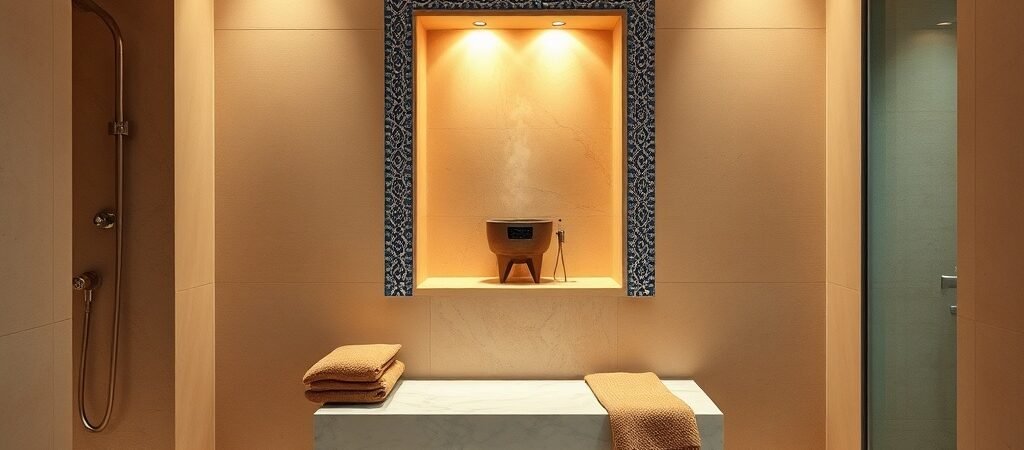
How to Recreate a Moroccan Hammam at Home 2026 is no longer a distant dream reserved for luxury resorts. In 2026, homeowners are turning their bathrooms or spare rooms into steam‑filled sanctuaries that capture the traditional Moroccan steam bath design while leveraging modern energy‑efficiency tech. A properly built hammam delivers deep skin cleansing, cardiovascular relaxation, and a cultural immersion that transports you to the souks of Marrakech without leaving your house. This guide walks you through every phase—from selecting a 6 kW electric steam generator to applying a tadelakt wall finish tutorial—so you can enjoy authentic heat, aromatic oils, and elegant mosaics on a realistic budget.
Key Takeaways
- A 2026‑compatible hammam can be assembled with off‑the‑shelf steam units, vapor‑proof insulation, and budget‑friendly décor.
- Steam generator sizing for home hammam is the most critical decision; a 6 kW unit meets the heat demand for a 3 m × 2 m space.
- Authentic finishes such as tadelakt, hand‑woven textiles, and mosaic tiles are available from global e‑commerce platforms at competitive prices.
- Smart thermostats, Wi‑Fi aromatherapy diffusers, and humidity sensors enhance the experience without compromising tradition.
- Routine cleaning, grout sealing, and proper ventilation keep the hammam hygienic and mold‑free for years.
Step‑by‑Step Guide to Recreate a Moroccan Hammam at Home 2026
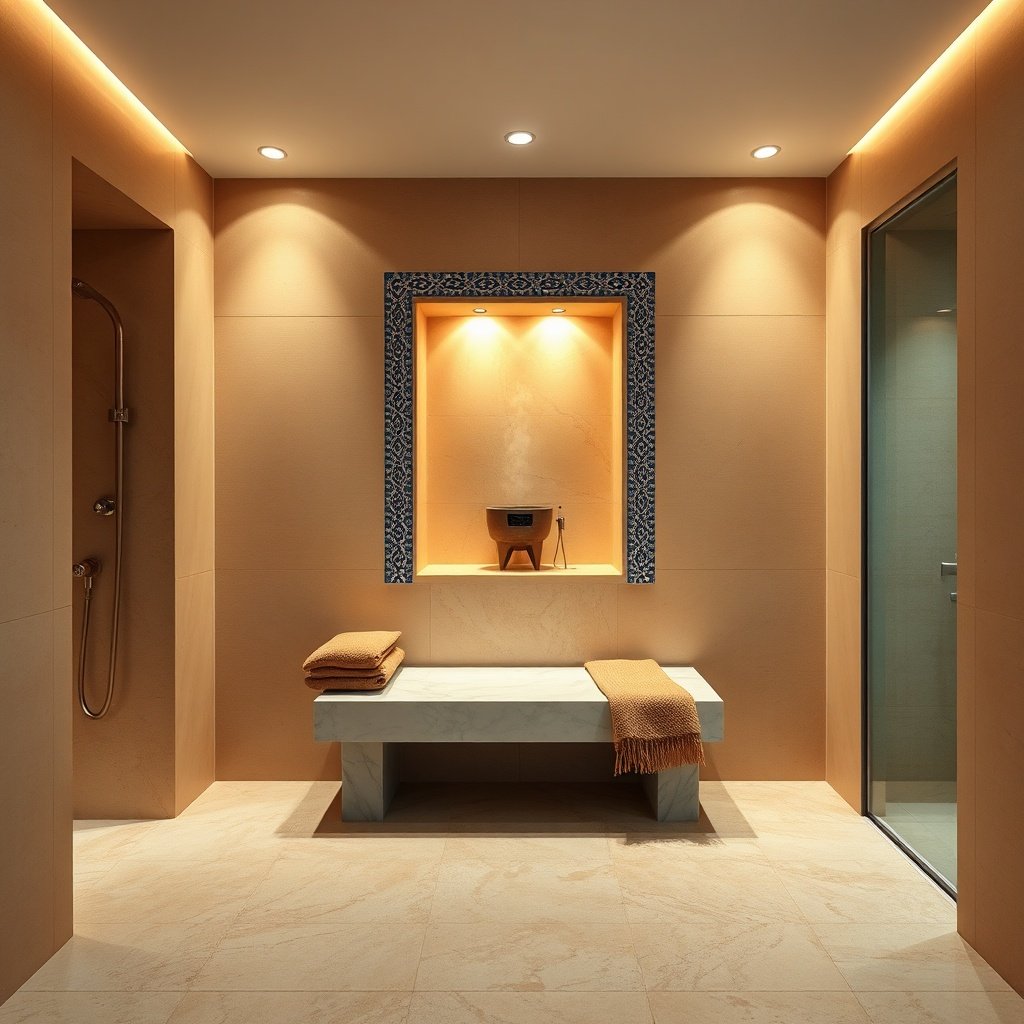
Shows a complete home hammam setup with authentic finishes and modern steam technology.
Essential Materials and Tools
- Steam generator: 2026‑rated 6 kW electric unit with digital display and safety cut‑off.
- Vapor‑proof insulation: R‑value ≥ 5, preferably closed‑cell spray foam to prevent condensation.
- Water‑tight flooring: Porcelain tiles with a slip‑resistant rating of ≥ 0.6.
- Tadelakt plaster kit: Natural lime, marble dust, and olive oil (see definition below).
- Mosaic tiles: 2 cm × 2 cm glazed tiles in teal and ochre.
- Tools: Drill, tile cutter, trowel, silicone sealant, and a hygrometer.
Definition: Tadelakt – a polished lime plaster technique that creates a waterproof, marble‑like surface when mixed with soap and olive oil.
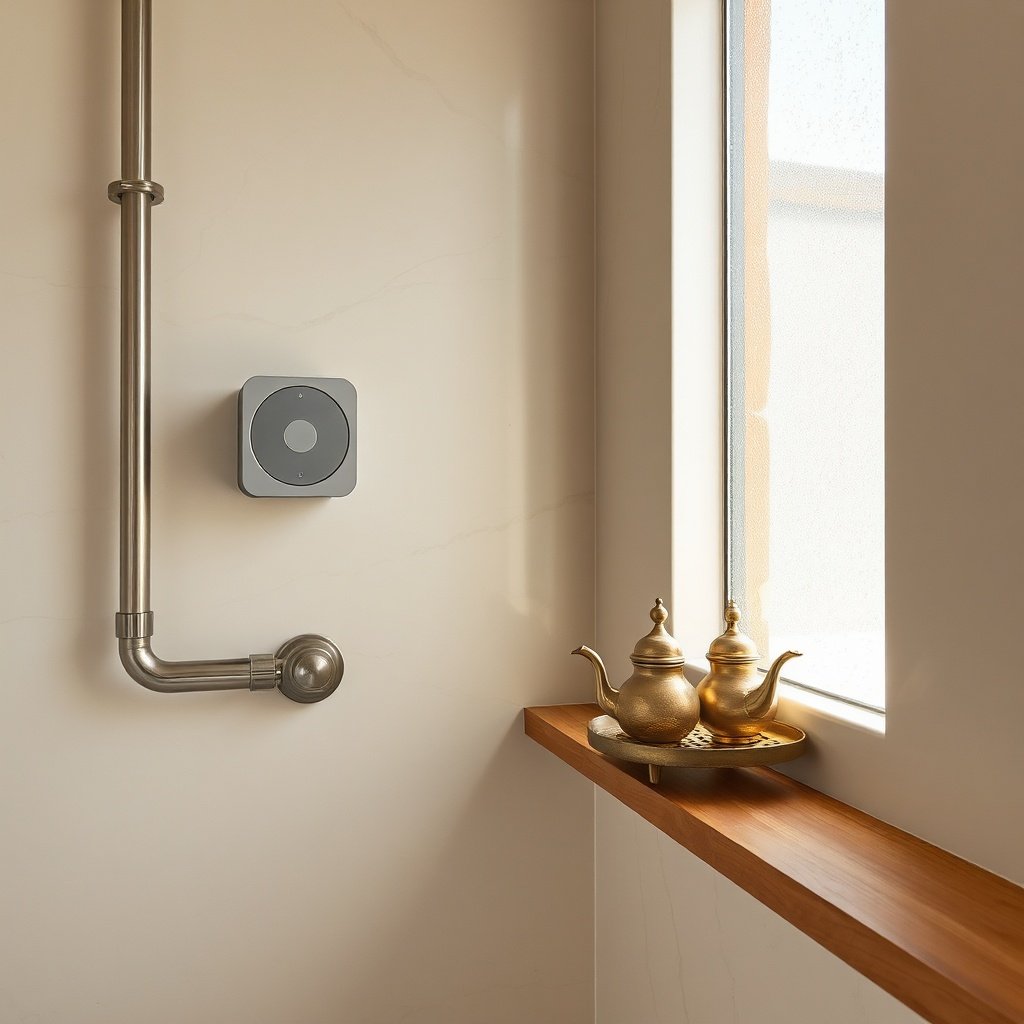
Highlights the authentic wall finish and the essential steam equipment for a home hammam.
Designing the Steam Space
- Ceiling height: Aim for 2.4 m–2.7 m to satisfy 2026 building codes and ensure even steam distribution.
- Layout: Position the steam generator on a wall opposite the entry, leaving at least 60 cm clearance for maintenance.
- Ventilation: Install a passive vent near the ceiling (≈ 100 mm diameter) that can be sealed during sessions.
Creating the Traditional Atmosphere
- Tadelakt application: Mix 1 part lime, 2 parts marble dust, and a few drops of olive oil. Apply three coats, polishing each with a smooth stone while the surface is still damp.
- Mosaic pattern: Lay tiles in a diagonal “diamond” arrangement to echo Moroccan geometry; grout with a waterproof, epoxy‑based formula.
- Lighting: Install recessed LED strips with a warm 2700 K color temperature, concealed behind a shallow cove to mimic candlelight.
Choosing the Right Heating System for a 2026‑Ready Hammam
Electric vs. Gas Steam Generators
- Electric: Offers precise digital control, lower installation cost, and aligns with 2026 renewable‑energy incentives. Typical operating cost is $0.12/kWh.
- Gas: Provides faster heat‑up times but requires venting, higher upfront plumbing work, and exposure to fluctuating natural‑gas prices (average $1.30/therm in 2026).
Smart Temperature Controls
- Wi‑Fi thermostats such as the Nest Thermostat E allow you to set steam cycles from a smartphone, schedule pre‑heat, and receive alerts if humidity exceeds 85 %.
Energy Efficiency Tips
- Insulation R‑value ≥ 5 reduces heat loss by up to 30 %.
- Install a heat‑recovery ventilator (HRV) that extracts stale air while reclaiming 70 % of the heat for the next cycle.
Sourcing Authentic Moroccan Materials and Décor in 2026
Where to Buy Tadelakt Plaster Online
- Purchase pre‑mixed lime plaster from tadelakt plaster at $45 per square meter, with bulk discounts for orders over 30 m².
Hand‑Woven Hammam Towels and Textiles
- Kessa towels: 100 % cotton, 30 × 90 cm, weight ≈ 300 g/m². Look for natural indigo or terracotta stripes; wash in cold water and line‑dry to preserve softness.
Natural Aromatics and Oils
- Popular essential oils for hammam rituals include eucalyptus (10 ml ≈ $12), argan (15 ml ≈ $18), and rosemary (10 ml ≈ $11). Diffuse using a smart aromatherapy diffuser placed on a heat‑resistant shelf.
Integrating Modern Wellness Tech without Losing Tradition
Bluetooth‑Enabled Aromatherapy Diffusers
- The smart aromatherapy diffuser syncs with your phone to release eucalyptus during the first five minutes, then switches to argan for the cool‑down phase.
LED Mood Lighting with Warm Color Temperatures
- Install 12 V LED strips behind a shallow recessed groove; set the dimmer to 30 % for a soft amber glow that imitates traditional lanterns.
Health Monitoring Sensors
- Wall‑mounted hygrometers track humidity at 0.1 % increments; optional wearables monitor heart rate and skin conductivity, sending data to a health dashboard.
Maintenance, Cleaning, and Longevity Strategies
Daily Cleaning Rituals
- After each session, wipe walls and floor with a solution of 1 part white vinegar to 4 parts water; this removes mineral deposits without harming tadelakt.
Seasonal Deep‑Clean Procedures
- Remove tiles and inspect grout; re‑seal using a 2‑part epoxy grout sealer.
- Polish tadelakt with a soft stone and a thin layer of olive‑oil soap.
- Descale the steam generator using a citric‑acid solution (5 % concentration) for 30 minutes.
Preventing Mold and Water Damage
- Maintain a minimum air exchange of 6 ACH (air changes per hour) using the HRV; place silica gel packets in corners to absorb excess moisture during off‑season periods.
Conclusion
Recreating a Moroccan hammam at home in 2026 transforms a simple bathroom into a cultural oasis that boosts health, relieves stress, and honors centuries‑old rituals. By following the step‑by‑step plan—selecting the right steam generator, applying authentic tadelakt, sourcing genuine textiles, and integrating smart wellness tech—you’ll enjoy a spa‑grade experience without the resort price tag. Start with the definitive guide, adapt the modern upgrades to your space, and share your progress with the growing community of home‑spa enthusiasts.
Frequently Asked Questions (Featured Snippet Target)
1. How much does it cost to build a basic Moroccan hammam at home in 2026?
- Materials average $1,200–$2,000, heating system $600–$900, décor $400–$800. Median total cost is about $1,800.
2. Can I install a steam generator myself, or do I need a professional?
- DIY installation is feasible if you have basic electrical knowledge and follow local 2026 codes; however, a licensed plumber/electrician should handle water‑line connections and final inspection.
3. What is the best way to maintain tadelakt walls?
- To maintain tadelakt, use a mild soap or a diluted vinegar solution and avoid abrasive chemicals that could strip the protective olive oil layer.