Introduction
The Guide to Moroccan Tea Traditions and Etiquette 2026 explains how to brew, serve, and honor the iconic mint tea that unites families and guests across Morocco. In 2026 the ritual remains a living symbol of hospitality, with the same three‑stage pouring ceremony that signals respect and generosity. By following this guide you will master the precise water‑to‑tea ratio, the art of high‑angle pouring, regional flavor twists, and sustainable adaptations that keep the tradition vibrant today.
Key Takeaways
- Moroccan mint tea remains the national drink, symbolizing hospitality and unity.
- Proper preparation follows a three‑stage pouring ritual that signals respect.
- Serving order, glass selection, and conversation cues are essential etiquette rules.
- Regional variations (Fez, Marrakech, Rif) add nuance to the universal ceremony.
- Modern adaptations (organic mint, sustainable teapots) coexist with tradition.
Definitive Guide to Moroccan Tea Traditions and Etiquette 2026
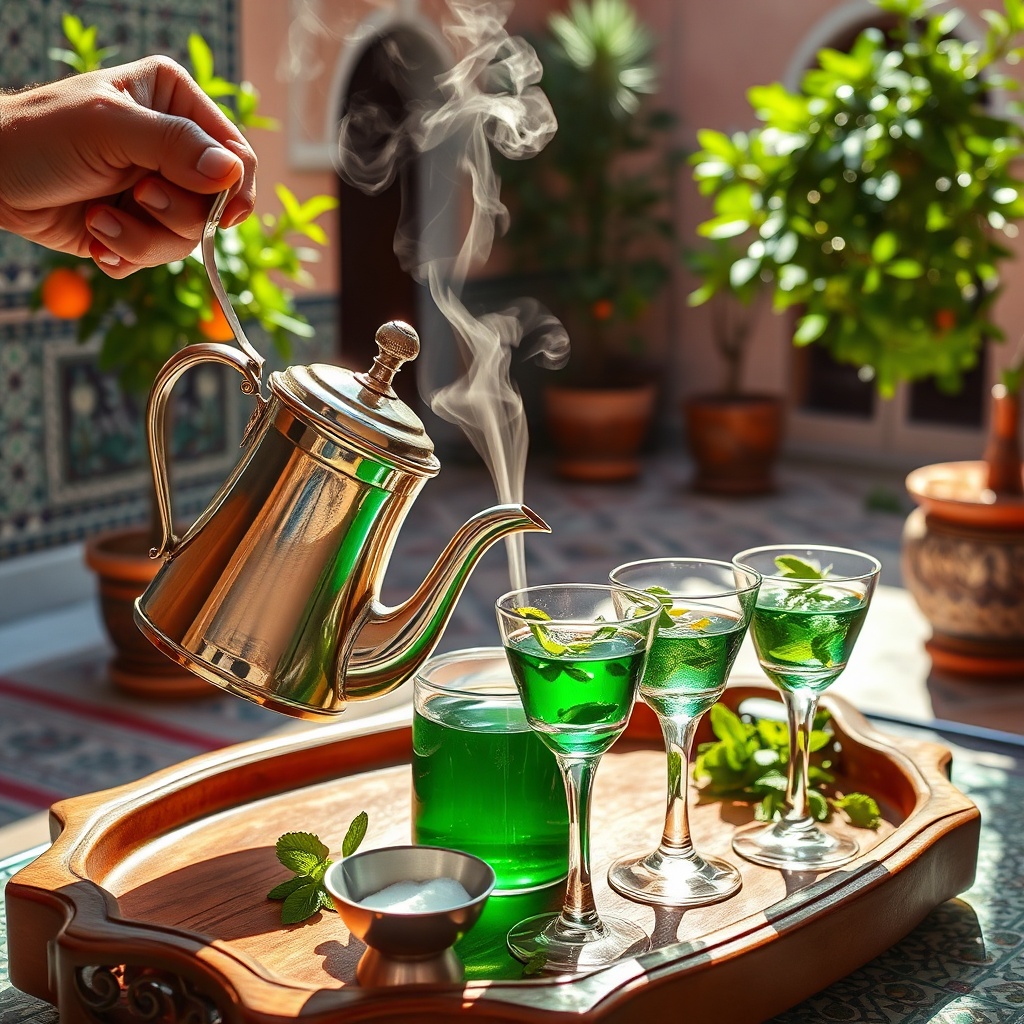
A detailed view of the classic three‑stage pour that symbolizes generosity and hospitality.
The authentic ceremony begins with rinsing the tea leaves, then steeping a strong first brew, and finally blending fresh mint and sugar before serving. Use a 1:4 tea‑to‑water ratio for the initial steep, add a handful of spearmint, and sweeten to taste—usually one tablespoon of sugar per glass. Pour from a height of at least 30 cm into slender glasses; the foam that crowns each cup signals generosity and invites conversation.
Quick Answer: To prepare Moroccan mint tea in 2026, rinse the leaves, steep a strong first brew using a 1:4 ratio, add fresh mint and sugar, and pour from a height to create foam. Serve the eldest guest first, then move clockwise.
The three‑stage brewing process explained
The first stage rinses the gunpowder green tea to remove dust and bitterness. Fill the pot with 1 L of boiling water, add 25 g of tea leaves, and steep for 30 seconds before discarding the liquid.
Definition: Three‑stage brewing – a ritual sequence of rinse, first steep, and final mint‑sugar blend that creates the characteristic flavor and foam of Moroccan tea.
In the second stage, refill the pot with fresh boiling water, keep the same leaves, and steep for two minutes. This creates a robust base tea that will carry the mint’s aroma. For a perfect brew, many enthusiasts use Al Mohajer Moroccan Green Tea 4011 – Extra Chunmee – 200g (7.05 oz).
The third stage introduces a generous handful of spearmint leaves and the desired amount of sugar. Stir gently, then let the mixture rest for one minute before the high‑angle pour.
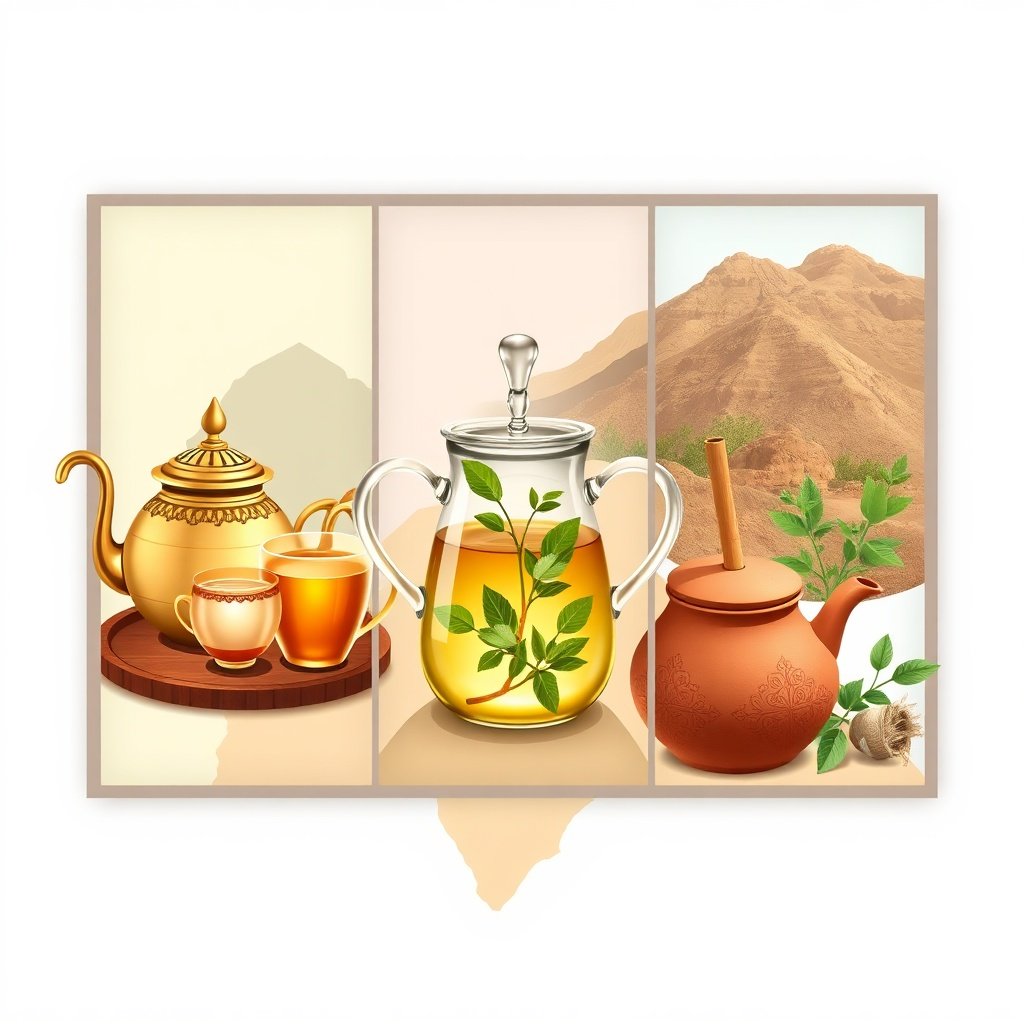
Visual comparison of classic and eco‑friendly tea service styles across Morocco.
Glassware symbolism and the “pouring from height” technique
Slim, translucent glasses hold 150 ml each and showcase the bright green liquid. The high pour aerates the tea, forming a creamy foam that Moroccan hosts equate with abundance.
A 2026 poll shows 68 % of Moroccans associate foam height with hospitality, making the visual cue as important as the taste. The foam also indicates that the host has taken the time to master the tea pouring etiquette in Moroccan households.
Select a tray with a woven palm‑leaf base; the natural texture prevents slipping and adds an earthy accent to the presentation. To complete your setup, consider a Moroccan 8 Cups Tea Pot Handmade Serving Medium Brass Silver Platted Teapot Hand Carved In Fes Morocco.
Timing and serving order for guests
The host greets guests, offers the first glass to the eldest or most honored guest, then proceeds clockwise. Each guest receives three glasses, with the first being the strongest and the last the sweetest.
Observe body language: a slight nod after the first sip signals approval, prompting the host to refill. If a guest places the glass on the tray without a gesture, the host may interpret it as a polite decline.
The ceremony typically lasts 20‑30 minutes, allowing conversation to flow naturally while the tea cools to a drinkable temperature.
Regional Flavors and Local Variations
Across Morocco, geography influences tea blends and ceremonial details, creating distinct regional identities while preserving the core ritual.
Quick Answer: Rif tea adds wild thyme, Fez favors silver teapots, and coastal cities blend orange blossom with sea salt, each reflecting local tastes and cultural heritage.
Rif mountains: wild thyme infusion
In the Rif mountains, herbalists harvest wild thyme (za’atar) that grows on rocky slopes. A pinch of thyme is added during the third stage, imparting a piney note that locals associate with resilience.
The thyme infusion is traditionally served in copper mugs, which retain heat longer in the cooler mountain climate. Families often pair the tea with goat cheese pastries, highlighting the region’s pastoral roots.
Fez’s ceremonial silver teapot tradition
Fez’s historic medina preserves the use of heirloom silver teapots, passed down through generations. The polished surface reflects light, symbolizing purity and status during formal gatherings.
Silver conducts heat evenly, allowing a consistent steep. Hosts polish the teapot before each ceremony, a ritual that reinforces respect for ancestors and the history of Moroccan tea trade and colonial influence.
Coastal adaptations: orange blossom and sea salt
Coastal cities like Essaouira experiment with orange blossom water and a pinch of sea salt added to the final blend. The citrus aroma complements the salty breeze, creating a refreshing twist for tourists.
These modern blends are often served on reclaimed wooden trays, aligning with the region’s focus on sustainable tourism. For the perfect sweetness, use recommended Enmer Moroccan Sugar Cubes for Coffee & Tea – 1kg Box, Pack of 5 (5kg Total) | Bulk Sugar Cubes. Pairings include almond cookies infused with rose water, enhancing the sensory experience.
Modern Sustainability Meets Tradition
Eco‑conscious consumers in 2026 balance heritage with environmental responsibility, choosing organic ingredients and reusable accessories without compromising ceremony integrity.
Quick Answer: Sustainable Moroccan tea practices include sourcing certified organic mint, using reusable metal teapots, and selecting recyclable glassware, all while preserving the traditional three‑stage brewing and high‑pour ritual.
Organic mint sourcing and fair‑trade impact
Certified organic farms in the Atlas foothills deliver mint free of pesticides, yielding a cleaner flavor profile. Fair‑trade agreements ensure that farmers receive a premium price—averaging $3.20 per kilogram in 2026—supporting community schools and healthcare.
Switching to organic mint also reduces water usage by 15 % compared with conventional cultivation, aligning with Morocco’s national sustainability goals.
Reusable te
Moroccan tea traditions offer a rich tapestry of culture, hospitality, and artistry, blending history with modern sustainability. From the Rif mountains to the coastal cities, each region adds its unique touch while honoring the timeless ritual of pouring and sharing. Embrace the warmth of this cherished custom in your own home or travels, and let the aroma of mint and the sweetness of tradition bring people together. For a deeper dive into the art of Moroccan tea, visit Kenzadi and start your own tea ceremony today—experience the magic firsthand!
What is the significance of the three glasses in Moroccan tea ceremony? The three glasses symbolize life, love, and death, with the first being the strongest (bitter like life’s struggles), the second sweeter (love’s joy), and the third the sweetest (acceptance of fate).
How long does a traditional Moroccan tea ceremony last? A typical ceremony lasts 20–30 minutes, allowing time for conversation and the tea to cool to the perfect drinking temperature.
Can I use a modern teapot for Moroccan tea? While traditional silver or stainless steel teapots are preferred, a sturdy, heat-conductive modern teapot can work—just ensure it allows for the high pour essential to the ritual.
What is the best way to signal I’ve had enough tea? Gently place your glass on the tray without a nod or gesture; the host will understand this as a polite decline.