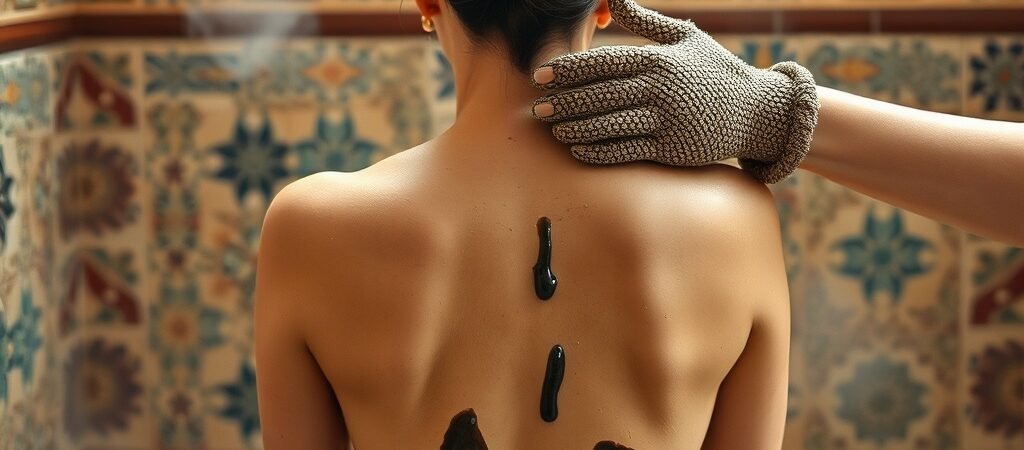
The Moroccan hammam ritual is a centuries-old cleansing practice that combines intense steam, vigorous exfoliation, and natural detoxification to purify the body. Far more than a simple bathing session, this traditional cleansing ceremony utilizes specific natural ingredients like olive paste and volcanic clay to remove dead skin cells and impurities. Rooted in North African spa traditions, the ritual offers a unique approach to skincare that prioritizes deep hydration and circulation, distinguishing it significantly from Western bathing habits.
Key Takeaways
- The Moroccan hammam ritual is a distinct, multi-step cleansing process focusing on deep exfoliation and steam, differing from Turkish or Finnish variants.
- Essential components include savon beldi (black soap), a rough kessa glove, and mineral-rich rhassoul clay.
- Beyond hygiene, the hammam serves as a vital social hub where community bonds are strengthened.
- Regular participation improves skin texture, unclogs pores, and boosts overall blood circulation.
- In 2026, global luxury spas continue to integrate these ancient techniques into modern wellness treatments.
What is the Moroccan Hammam Ritual?
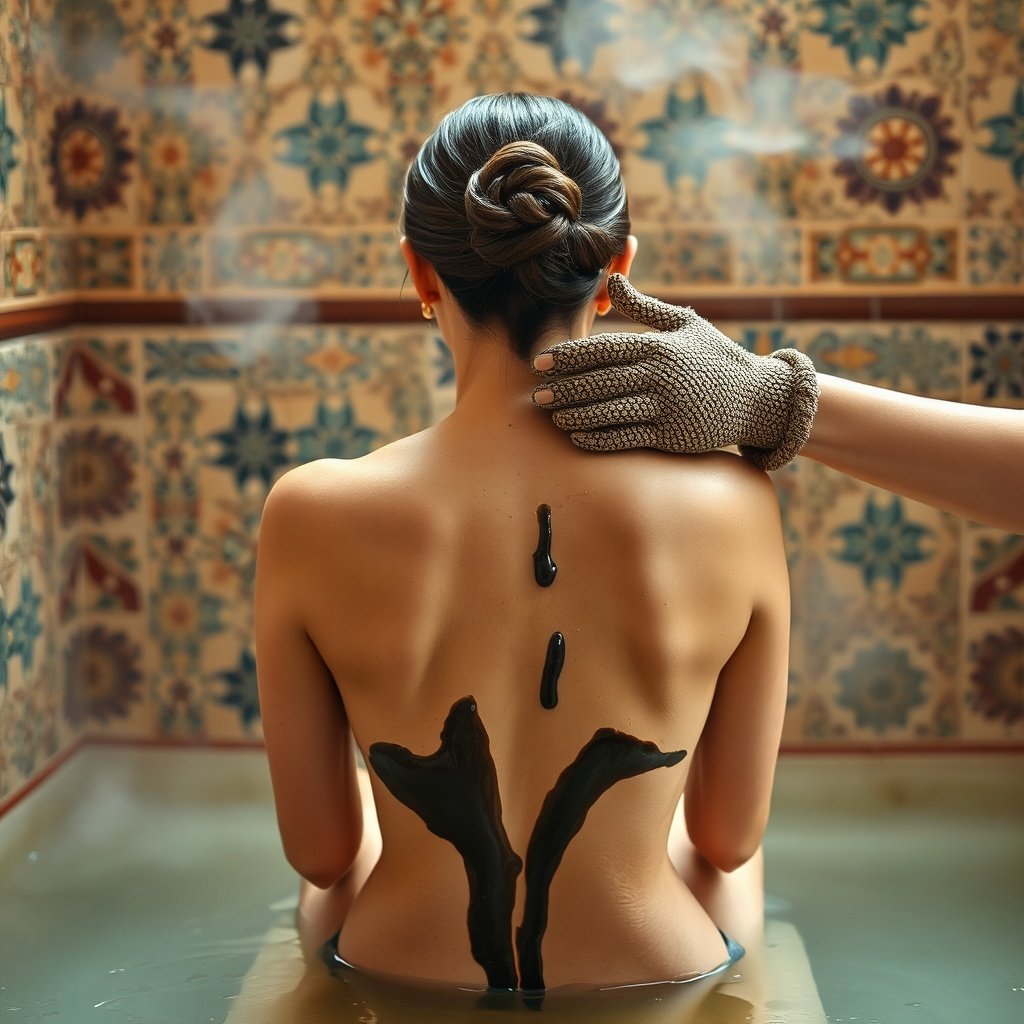
Close-up of the scrubbing process using black soap and a kessa mitt.
The Moroccan hammam ritual is defined not merely as a bathhouse visit, but as a structured therapeutic regimen deeply embedded in the cultural fabric of the country. Unlike Western showers or baths which focus on surface-level cleaning, this Moroccan cleansing ceremony is designed to purify the body from the inside out. The process takes place in a humid, steam-filled environment that softens the skin's layers, preparing them for mechanical exfoliation. This ritual is traditionally performed weekly and serves as a communal, gender-segregated event where cleanliness is intertwined with social interaction.
The experience relies on three non-negotiable pillars: the humid heat of the steam room, the application of a polymerizing black soap, and the mechanical friction of a specialized scrubbing mitt. The Traditional Moroccan spa environment is architecturally designed to retain heat and moisture, typically featuring domed ceilings and heated marble floors. This setting creates a humid atmosphere that opens pores completely, allowing the natural ingredients to penetrate deeply. The ritual is passive in nature, meaning you relax while the heat and products do the work, though the physical scrubbing phase requires active participation from an attendant.
Quick Answer: The Moroccan hammam ritual is a traditional North African cleansing practice that uses steam, black soap, and exfoliating mitts to deeply purify and rejuvenate the skin.
The Historical Context of Public Bathing
The origins of the hammam trace back to the Roman thermae, which were adapted by the Byzantines and later evolved to fit Islamic hygiene standards. When Islam arrived in North Africa, the concept of the bathhouse was retained but modified to align with religious modesty and social norms. The hammam became an essential institution in Moroccan cities, serving as a place where water, a precious resource in the arid climate, was used for both physical and spiritual purification. Over centuries, these bathhouses became architectural marvels, often located near mosques to facilitate the ablutions required before prayer.
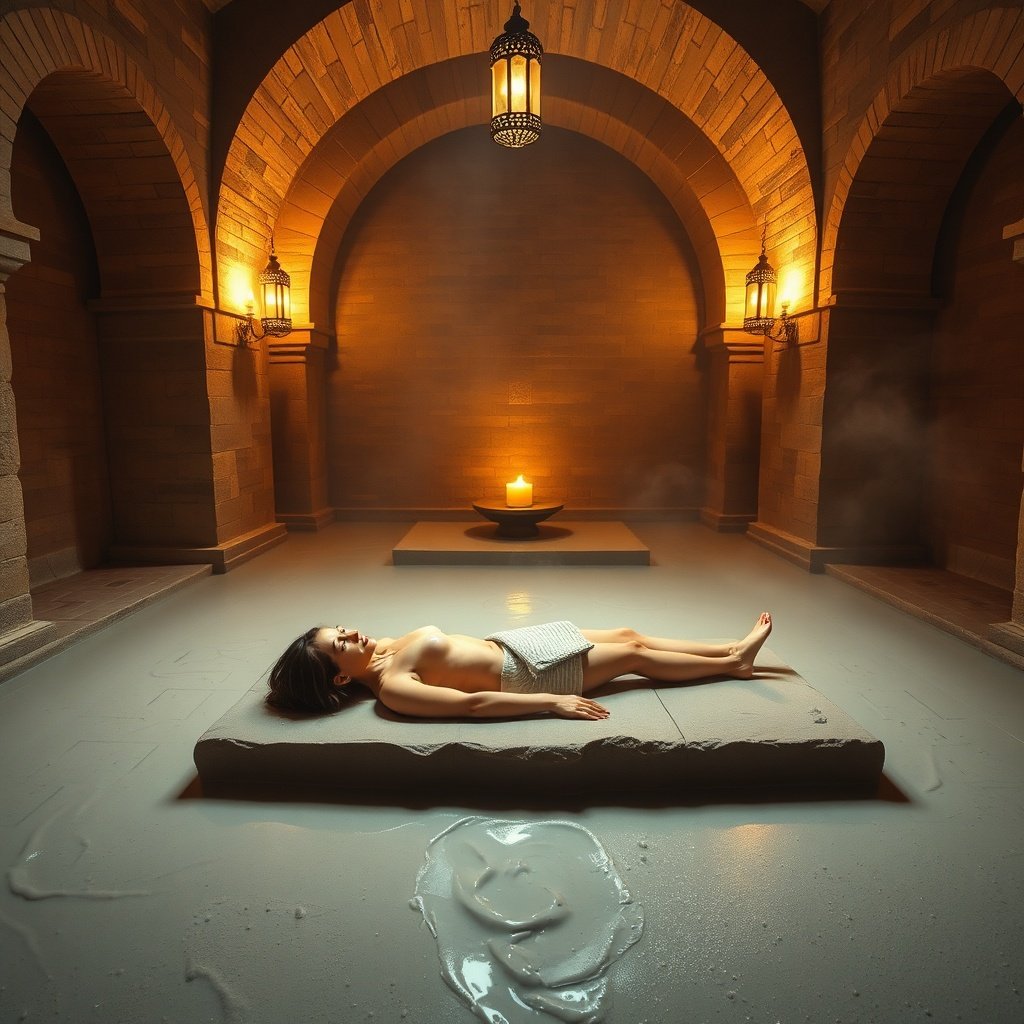
A woman resting on a stone slab covered in clay within a steamy hammam.
The Difference Between Hammam and Sauna
It is crucial to distinguish the hammam from the Finnish sauna, as the physiological effects differ significantly. A sauna utilizes dry heat, often with temperatures ranging from 70°C to 100°C (158°F to 212°F), with low humidity. In contrast, the hammam operates with high humidity and moderate temperatures, usually around 40°C to 50°C (104°F to 122°F). This Steam room therapy is gentler on the respiratory system and focuses on softening the skin rather than inducing a heavy sweat through dry heat. The moisture in the air is the key agent that allows the Moroccan Black soap to work effectively, making the wet heat essential to the success of the ritual.
The Anatomy of the Ritual: A Step-by-Step Journey
Experiencing the Moroccan hammam ritual involves a specific chronological sequence that maximizes skin benefits. The journey typically begins in a transition room, where your body acclimatizes to the rising temperature. You then move into the steam room, where the air is thick with moisture and often scented with eucalyptus. The sensory experience is immersive; the sound of splashing water mixes with the scent of natural oils. While self-service hammams exist, the most effective treatments involve a skilled attendant who manages the scrubbing, ensuring that hard-to-reach areas receive proper attention.
Definition: Savon Beldi
Savon Beldi is a traditional Moroccan black soap made from olive oil and macerated olives. It is a gel-like paste rich in Vitamin E that is essential for softening the skin before exfoliation.
Phase 1: The Steam and Black Soap Application
The first active phase involves spending 10 to 15 minutes in the steam room to fully hydrate the skin. Once the pores are open, an attendant applies a generous layer of savon beldi (black soap) from neck to toe. This paste is not a soap in the conventional foaming sense; it is a high-alkaline, vitamin E-rich treatment that hydrolyzes the bonds holding dead skin cells together. You leave the soap on your skin for approximately 5 to 10 minutes, allowing the steam to keep it active. During this time, the skin becomes slippery and soft, preparing it for the vigorous scrubbing that follows.
Phase 2: The Kessa Glove Scrub
This is the most critical and intense part of the Moroccan hammam ritual. The attendant uses a kessa glove, a rough, granular mitten made of coarse fabric, to scrub the entire body. Using firm pressure and rhythmic strokes, the attendant removes the softened dead skin cells. You will often see gray rolls of dead skin sloughing off, a visual confirmation of the exfoliation's efficacy. This full body exfoliation process unclogs pores and removes ingrown hairs, leaving the skin incredibly smooth and receptive to hydration. It is important to communicate your comfort level regarding pressure, as the scrub must be firm enough to be effective but not so harsh as to cause damage.
Phase 3: The Rhassoul Clay Mask and Rinse
After the scrub, a mask of rhassoul clay (also known as ghassoul) is applied to the body and hair. Sourced from the Atlas Mountains, this volcanic clay is negatively charged, meaning it acts like a magnet for toxins and impurities. It absorbs excess sebum and tightens pores. The clay dries on the skin for several minutes before being rinsed off with warm water using a traditional bucket shower. The final step often involves a hot and cold water plunge or a series of alternating temperature showers to shock the circulatory system, closing the pores and invigorating the body.
Beyond Beauty: The Cultural Roots and Social Etiquette
The Moroccan hammam ritual extends far beyond dermatological benefits; it functions as the "living room" of Moroccan society. In a culture where private homes were historically small and intimate, the hammam provided a space for socialization, relaxation, and community bonding. It is where women gather to discuss family matters, arrange marriages, and share local news. For men, it is a place of camaraderie and business discussion. Understanding this social context is vital for appreciating why the ritual persists in modern in Morocco, even as private bathrooms become ubiquitous.
Quick Answer: Culturally, the hammam acts as a community hub where social bonds are formed and maintained, serving roles similar to community centers or cafes in other parts of the world.
The Hammam as a Rite of Passage
Specific life events in Morocco are marked by a dedicated hammam visit. The most significant is the Hammam El Hanout, the pre-wedding ritual for the bride. Days before the wedding, the bride visits the hammam with her female relatives and friends for a ceremonial purification. This ritual symbolizes the washing away of her past life and the preparation for her new marital status. It is a joyous, celebratory event filled with singing, feasting, and the traditional use of milk, honey, and perfumes alongside the standard black soap and clay.
Essential Etiquette for First-Time Visitors
If you plan to visit a public hammam in 2026, respecting local customs is paramount. You must remove your shoes before entering the wet areas. While luxury hotel spas provide disposable undergarments, public neighborhood hammams require you to bring your own underwear or swimwear. Modesty is key even in same-gender environments. It is customary to tip the attendant, known as the kessak, for their labor. A tip of 20 to 50 Moroccan Dirhams is standard depending on the intensity of the service. Always wash your body thoroughly before entering the steam pool to keep the communal water clean.
Why Your Skin Loves the Moroccan Hammam Ritual
Dermatologically, the Moroccan hammam ritual offers benefits that are difficult to replicate with standard at-home skincare. The combination of heat and mechanical exfoliation provides a level of deep cleansing that improves skin health immediately. The ritual specifically targets the stratum corneum, the outermost layer of the epidermis, effectively removing the buildup of dead cells that can cause dullness and congestion. This process accelerates cell turnover, revealing fresher, brighter skin underneath. Furthermore, improved blood circulation from the heat delivers more oxygen and nutrients to the skin's surface, resulting in a post-ritual glow that can last for days.
Deep Exfoliation and Cell Renewal
The kessa glove provides a level of physical exfoliation that surpasses loofahs or scrubs. By physically removing the layer of dead skin cells, the ritual prevents the formation of hyperkeratosis (thickening of the skin). This exfoliation also enhances the efficacy of any products applied afterward. Without the barrier of dead skin, moisturizers and oils can penetrate the dermis more deeply. For individuals struggling with rough patches on elbows, knees, and heels, the hammam offers an immediate solution, smoothing these calloused areas effectively.
Thermal Therapy and Lymphatic Drainage
The heat of the hammam induces vasodilation, widening the blood vessels and improving circulation throughout the body. This thermal stress stimulates the lymphatic system, which is responsible for removing waste and toxins from bodily tissues. As you sweat and the attendant massages your limbs, lymph fluid is encouraged to move toward the lymph nodes for filtration. This process can reduce water retention and puffiness, giving the body a leaner appearance. The skin detoxification process is further enhanced by the rhassoul clay, which draws out impurities through absorption rather than chemical stripping.
Authentic Spa vs. Home Ritual: Comparing the Experiences in 2026
As wellness trends evolve in 2026, the Moroccan hammam ritual has become a staple in luxury spas globally. However, there is a distinct difference between a professional spa experience and a home adaptation. High-end spas now offer "Hammam Suites" that feature private steam rooms, heated marble tables, and sometimes even sound therapy or chromatherapy to enhance relaxation. These environments control the temperature and humidity precisely, ensuring the best Argan'It Organic Moroccan Black Soap with Argan Oil & Lavender – Authentic Beldi Exfoliating Scrub, Traditional Hammam Savon Noir, 250g (8.8 oz) works optimally. The luxury spa experience is characterized by its opulence and the expertise of the staff, who can tailor the pressure of the scrub to your specific skin type.
Quick Answer: Professional spas offer superior steam infrastructure and expert exfoliation, while home rituals offer convenience and privacy but lack the intensity of professional-grade steam.
The Role of the Professional Attendant
The value of a professional hammam lies largely in the skill of the attendant. A trained kessak knows exactly how much pressure to apply to remove dead skin without causing abrasions or inflammation. They can reach difficult areas like the back and ensure an even exfoliation across the whole body. In a spa setting, the attendant also regulates the duration of your steam exposure, ensuring you stay hydrated and safe. They manage the temperature contrast during the rinsing phase, using techniques that maximize the benefits of the hot and cold water plunge without shocking the system too aggressively.
Curating an Authentic Home Experience
For those who prefer privacy, recreating a DIY hammam at home is entirely possible with the right tools. While a residential shower cannot replicate the humidity of a dedicated steam room, closing the drain and running the hot water for 15 minutes can create a sufficient steamy environment. Quality Beldi soap and a kessa glove are essential purchases for authenticity. Some dedicated wellness enthusiasts install high-temperature steam generators in their bathrooms to better mimic the spa experience. However, without a second pair of hands, you may find it difficult to scrub your back effectively. Despite this limitation, a weekly home ritual using rhassoul clay and argan oil for moisturizing can still provide significant skin benefits.
Conclusion
The Moroccan hammam ritual remains a timeless practice that seamlessly blends physical cleansing with mental relaxation and social connection. It is a holistic treatment that addresses the health of the skin and the spirit simultaneously. Whether you choose to experience it in a historic riad in Marrakech or recreate it in your own bathroom, the principles of steam, exfoliation, and hydration offer a pathway to better skin health. As we navigate the stresses of 2026, incorporating elements of this ritual into your routine provides a necessary pause—a moment to detoxify not just the body, but the mind as well. Seek out authentic ingredients and embrace the slow, deliberate pace of the ceremony for the best results.
Frequently Asked Questions### How long does a typical Moroccan hammam ritual last?
A traditional session usually lasts between 60 to 90 minutes, allowing ample time for the steam to penetrate the skin before the scrubbing begins.
What should I wear to a## Conclusion
The Moroccan hammam ritual is a timeless practice that seamlessly blends physical cleansing with mental relaxation. Whether experienced in a luxury spa or recreated at home, this holistic treatment revitalizes the skin and soothes the spirit. By incorporating the principles of steam, exfoliation, and hydration into your routine, you can combat modern stress and achieve a radiant glow. Don't wait to transform your self-care regimen. Embrace the restorative power of this ancient tradition today by scheduling a professional session or purchasing authentic Beldi soap and a kessa glove for your own bathroom. Treat yourself to the ultimate detoxification experience and discover the lasting benefits of the Moroccan hammam ritual.
Frequently Asked Questions
How long does a typical Moroccan hammam ritual last? A traditional session usually lasts between 60 to 90 minutes, allowing ample time for the steam to penetrate the skin before the scrubbing begins.
What is the main difference between a spa and a home hammam? Professional spas provide controlled steam environments and expert attendants who ensure thorough exfoliation, particularly in hard-to-reach areas. While home rituals offer privacy and convenience, they generally lack the intense steam and professional-grade scrubbing technique of a spa.
What essential products are needed for the ritual? To achieve an authentic experience, you need Beldi soap, a traditional paste used with steam, and a kessa glove for vigorous exfoliation. Rhassoul clay and argan oil are also recommended for masking and moisturizing.
Is the scrubbing painful? When performed correctly, the scrub should feel vigorous but not painful. A professional attendant regulates the pressure to remove dead skin without causing abrasions or inflammation, though the sensation of the kessa glove can be intense for first-timers.