Authentic Moroccan Decor 2026: The Ultimate Guide to Timeless Elegance
Authentic Moroccan decor 2026 is defined by a fusion of centuries-old craftsmanship and modern sustainability, prioritizing earthy color palettes and ethically sourced materials over mass-produced goods. This year’s aesthetic moves away from the intense reds and blues of the past, embracing grounded terracotta, sage green, and textured neutrals to create serene sanctuaries. By integrating Sustainable Moroccan craftsmanship with contemporary layouts, you can achieve a look that honors heritage while fitting seamlessly into modern homes.
Introduction
The landscape of interior design has evolved significantly, and Authentic Moroccan decor 2026 stands at the forefront of this transformation. It is no longer just about vibrant patterns; it is about creating a narrative of ethical luxury and environmental mindfulness. Designers are witnessing a significant pivot where the provenance of a piece matters just as much as its visual appeal. This approach emphasizes the human touch, celebrating the slight imperfections in handmade goods that testify to their authenticity. As you seek to refresh your living space, understanding these shifts will help you curate a home that feels both exotic and intimately familiar.
Key Takeaways
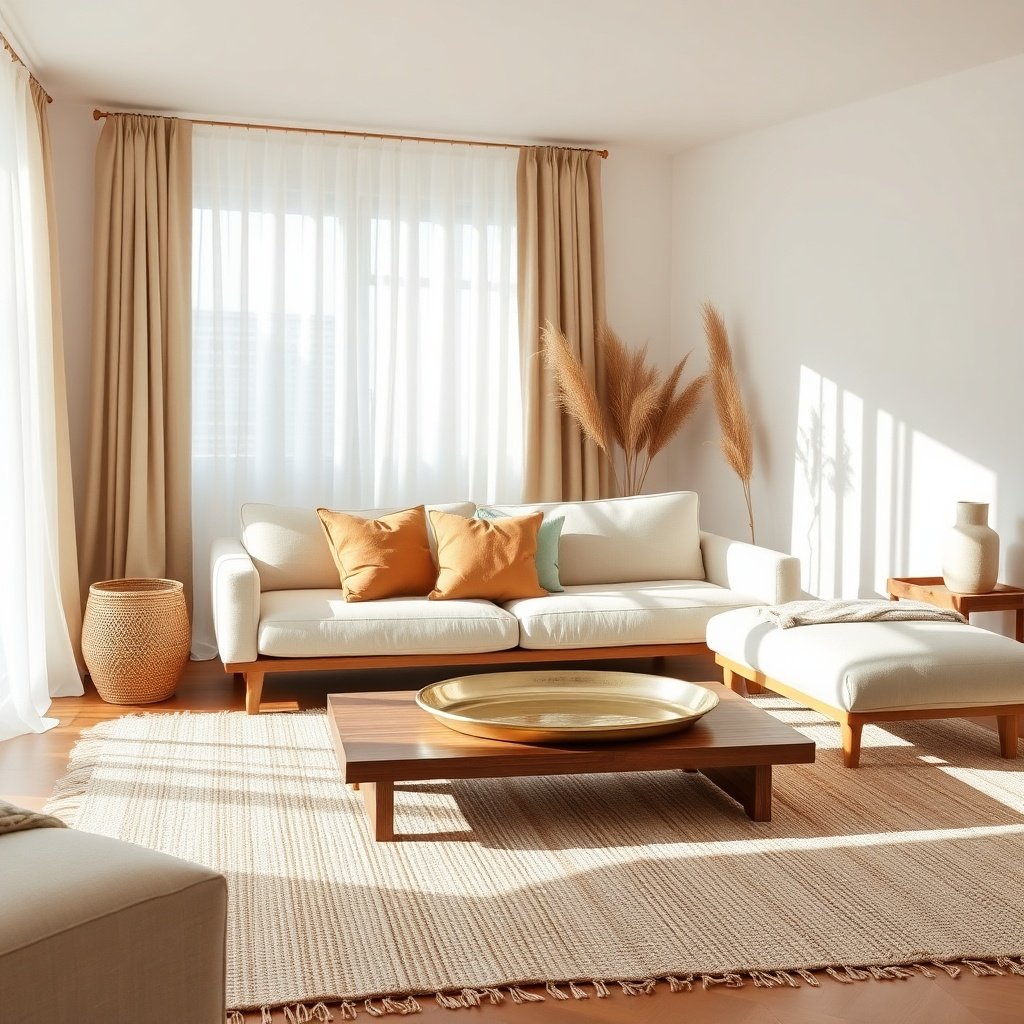
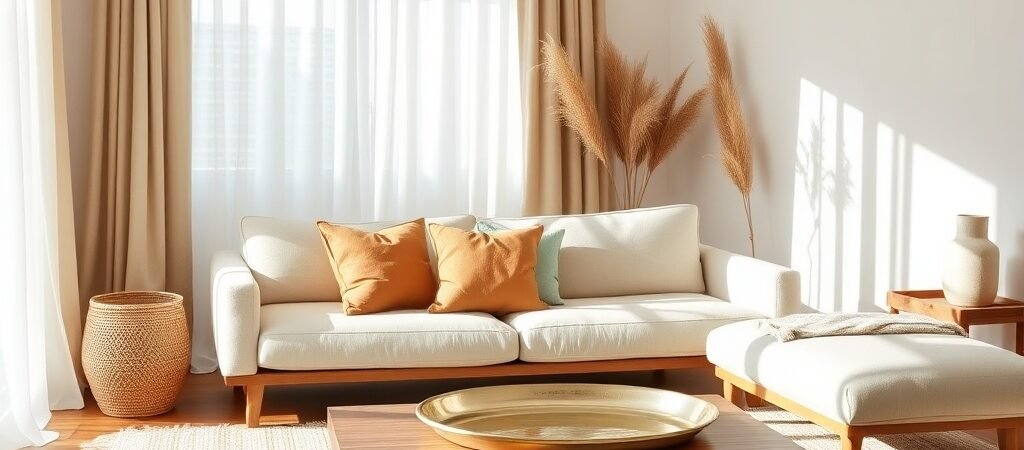
A wide shot of a modern living room featuring neutral Moroccan textures, a leather pillow, and a brass tray, bathed in natural light.
- Sustainability is the driving force behind 2026 Moroccan decor, emphasizing recycled metals and natural dyes.
- The color palette is shifting from traditional vibrant reds to calming earth tones, including terracotta, sage green, and sandy beige.
- Authenticity is prioritized over mass production, with a focus on directly sourcing from cooperatives in Fes and Marrakech.
- Lighting serves as the focal point of rooms, utilizing intricate filigree patterns to create “light art.”
- Zellige tilework remains essential but is being applied in smaller, more accentuated areas to suit minimalist modern homes.
What Defines Authentic Moroccan Decor 2026?
Authentic Moroccan decor 2026 is fundamentally reshaped by a dual commitment to environmental stewardship and the preservation of cultural heritage. The market has moved past the era of machine-made imitations, placing a premium on items that carry a story. This evolution means that true authenticity is now verified not just by style, but by the ethical methods used in production.
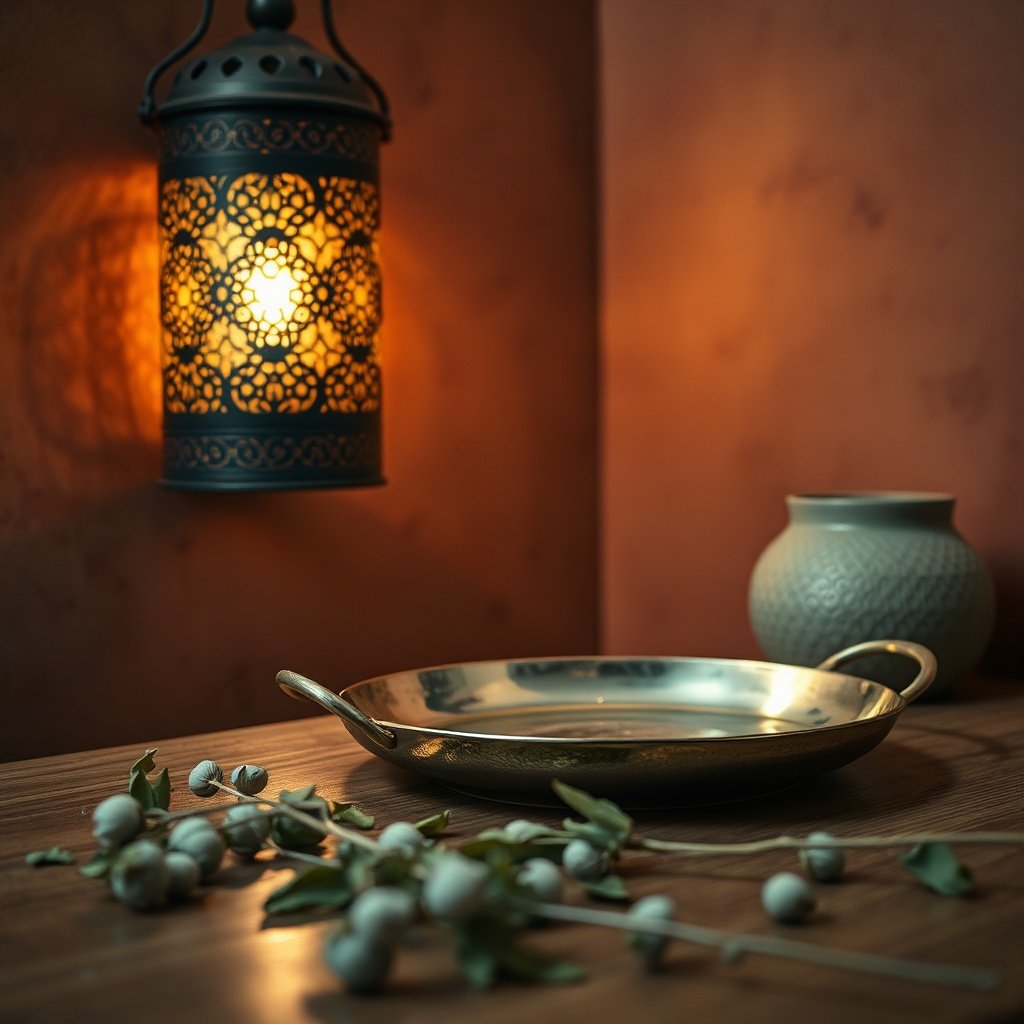
A detailed close-up of a brass tea tray and lantern on a terracotta surface, highlighting texture and warm lighting.
The Shift Toward Sustainable Craftsmanship
In 2026, the definition of luxury encompasses eco-friendly Moroccan design principles. Artisans are increasingly turning to locally sourced, sustainable materials such as reclaimed olive wood and dense thuya wood. These materials are not only durable but also reduce the carbon footprint associated with deforestation. The tanning process for leather goods, specifically the famous poufs and bags, has reverted to using natural pigments like henna, saffron, and indigo rather than toxic synthetic chromium dyes. You will find that the “authentic” label now often requires verification of ethical sourcing. Look for certifications that guarantee low-carbon footprint production methods, ensuring your purchase supports the environment rather than degrading it.
Quick Answer: > Sustainability in 2026 Moroccan decor means prioritizing reclaimed olive wood, natural pigments, and low-carbon production methods to ensure environmental stewardship without sacrificing style.
Preserving Heritage in a Digital Age
While technology permeates daily life, the 2026 aesthetic seeks to create a physical sanctuary from the digital world. Authenticity means preserving centuries-old techniques like hand-knotting Beni Ourain rugs and hand-hammering silver tea sets. These traditional techniques are often protected by UNESCO heritage status, serving as a safeguard against cultural erosion. When you purchase these items, you are not just buying decor; you are supporting a lineage of artistry that dates back generations. Buyers should look for specific markers of these techniques, such as the distinct loopy weave of a hand-knotted rug or the asymmetrical hammer marks on metal lanterns. Ensuring your decor pieces support cultural preservation helps maintain the integrity of traditional Moroccan craftsmanship against the tide of mass-manufactured imitations.
Definition: UNESCO Heritage Techniques
These are specific cultural practices and craftsmanship skills recognized by the United Nations Educational, Scientific and Cultural Organization for their historical significance and need for protection, such as Zellige tile making and hand-knotting rugs.
The 2026 Color Palette: Earth Tones and Terracotta Revivals
The visual language of Authentic Moroccan decor 2026 speaks softly through a palette derived from the natural landscape. This year marks a definitive departure from the high-saturation colors of previous decades, favoring hues that promote mental well-being and relaxation.
Moving Beyond Majorelle Blue
While the iconic Majorelle Blue remains a classic nod to Moroccan history, 2026 sees a distinct pivot toward warmer, grounding colors. Interior designers are favoring “Spice Market” hues—deep turmeric (#FFB300), paprika (#9D161D), and cumin tones (#C27803)—over cooler blues. This shift reflects a psychological desire for cozy, enveloping spaces that ground the nervous system. To integrate this into your home, consider painting an accent wall in a deep paprika shade or using terracotta pottery as a central table piece. These specific hex codes work exceptionally well with natural lighting, creating a warm glow during the day and a moody ambiance at night. Moroccan color trends now focus on creating a sensory experience of warmth and spice rather than just visual impact.
Integrating Natural Textures and Neutrals
Neutral bases are crucial for the modern iteration of this style, providing a canvas for the richer accent colors to pop. Plaster walls in Tadelakt plaster walls finishes are now often left in their raw, white state or tinted with soft beige (#E6DBB8) to maximize light reflection. This subsection details how layering textures like raw wool, linen, and unfinished wood adds depth without overwhelming the senses. A practical rule of thumb for 2026 is the 60-30-10 rule: 60% neutrals (whites, beiges, creams), 30% earth tones (terracotta, sage), and 10% metallic accents. This balance ensures your space feels breathable and modern while retaining a Moroccan soul. Layering a Berber rug textures with cream linen curtains can achieve this textural diversity without introducing chaotic color clashes.
Lighting and Zellige: The Heart of Moroccan Aesthetics
Lighting and surface treatments are the cornerstones of Authentic Moroccan decor 2026, transforming functional elements into art. These features define the atmosphere, manipulating light and shadow to create a magical environment.
Modern Interpretations of Lanterns
Lighting in 2026 moves beyond heavy brass lanterns to incorporate laser-cut metal designs that cast intricate geometric shadows. Handcrafted Moroccan lanterns now often feature sleeker silhouettes combined with traditional filigree patterns. LED warm bulbs (2700K temperature) are standard now, ensuring energy efficiency without sacrificing the ambient glow that defines Moroccan interiors. To achieve the 2026 look, cluster pendant lights at varying heights in dining areas to create a dynamic visual flow, a popular trend seen in Marrakech riads renovated this year. This technique, often called “light showering,” draws the eye upward and makes the ceiling feel higher. Mixing metals, such as pairing a aged brass lantern with a matte black fixture, adds a contemporary edge to the traditional form.
Quick Answer: > Create a modern Moroccan look by clustering laser-cut metal pendant lanterns with warm LED bulbs at varying heights to cast dynamic geometric shadows and save energy.
Handmade Zellige Tile Applications
Zellige tiles remain the cornerstone of Moroccan walls, but their application has evolved to suit minimalist tastes. Instead of covering entire bathrooms from floor to ceiling, designers in 2026 use Zellige tile patterns for “framing” features such as fireplace surrounds, kitchen backsplashes, or vanity niches. This subsection highlights the popularity of monochromatic Zellige in white or soft grey to blend with Scandinavian modernism. To achieve that authentic, uneven look, maintain a grout spacing of approximately 2-3mm, but allow for the natural variation in tile size and depth. The glaze should catch the light differently depending on the angle, creating a shimmering effect. For a truly terracotta interior design feel, consider using unglazed terracotta Zellige in dry areas to bring raw earth texture into the home.
Furniture Selections for a Contemporary Riad Feel
Furniture in Authentic Moroccan decor 2026 balances low-profile comfort with structural elegance. The goal is to encourage relaxation and social interaction through layout and material choice.
Low Seating and Floor Cushions
The concept of “floor living” is central to the Moroccan lifestyle and has been adapted for 2026 living rooms. Low-profile wooden sofas upholstered in vintage Berber textiles provide casual, inviting seating options. To recreate this, start with a low wooden platform or a heavy base sofa. Layer Moroccan pouf styling elements densely around the perimeter. Use a mix of rectangular floor cushions and round poufs in varying sizes. Step 1: Place a large Beni Ourain rug to define the zone. Step 2: Position the low sofa against the wall. Step 3: Scatter poufs inward to create a “pit” formation. This arrangement encourages face-to-face interaction and creates a relaxed, conversational atmosphere that is perfect for modern socializing.
Mixing Wood and Wrought Iron
Furniture frames in 2026 often combine the warmth of cedar or walnut with the industrial strength of wrought iron. This contrast captures the essence of Moroccan design—earthy yet structured. Look for coffee tables featuring wrought iron bases with intricate scrollwork topped with thick cedar wood. A statement centerpiece for 2026 is a side table with mother-of-pearl inlays. These tables bridge the gap between traditional craftsmanship and modern durability. When selecting Moroccan furniture trends, prioritize pieces that show the grain of the wood and the hammer marks of the iron. The Boho Moroccan interior fusion style relies on this mix of natural and industrial materials to keep the space from feeling too thematic or costumey.
Ethical Sourcing and Global Artisan Support
In 2026, the value of decor is measured not just in aesthetics, but in impact. Authentic Moroccan decor 2026 is deeply rooted in fair trade practices that support the communities that create these beautiful works.
Identifying Authentic Handmade Pieces
With the rise of replicas, knowing how to spot authentic items is vital for the conscious consumer. You should look for slight imperfections in ceramics and weaves, which testify to human craftsmanship. Machine-made rugs are perfectly symmetrical; authentic Berber rug textures will have variations in knot tension and pattern alignment. Specific markers of authenticity include the “kilim” tags found on genuine rugs and the rough, unglazed texture on the back of hand-painted pottery. When shopping for fair trade home decor, ask the vendor about the origin of the piece. Authentic items will often come with a story card detailing the artisan or the cooperative where it was made, distinguishing them from mass-manufactured imports found in big-box stores.
Definition: Kilim Tags
Small woven labels or tags attached to rugs and textiles that identify the weaver, region of origin, or cooperative, serving as a certificate of authenticity and traceability.
The Economic Impact on Local Communities
Purchasing authentic decor directly impacts the economy of regions like the Atlas Mountains. In 2026, data shows that fair-trade cooperatives are significantly empowering women weavers, providing them with financial independence and education. By choosing to buy from certified vendors, you ensure that a percentage of profits returns to community development projects such as schools and healthcare clinics. This economic model ensures that the beauty of your home contributes to the welfare of the artisans who created it. Supporting Moroccan artisans is more than a transaction; it is an investment in the preservation of cultural heritage and the improvement of rural livelihoods. When you source directly, you bypass exploitative middlemen, ensuring the craftsman receives the full value of their labor.
Conclusion
Embracing Authentic Moroccan decor 2026 allows you to create a home that is both stylish and soulful. By focusing on sustainable materials, earthy color palettes, and ethically sourced craftsmanship, you achieve a space that tells a meaningful story. This style is not about cluttering your rooms with objects, but about selecting pieces that resonate with history and artistry. Whether you are incorporating a single Handcrafted Moroccan lantern or redesigning an entire room with Tadelakt plaster walls, the key is intentionality. Start small, choose quality over quantity, and let the warmth of Moroccan design transform your living environment into a sanctuary of peace and beauty.
FAQ
What are the essential elements of a Moroccan-style living room in 2026?
The essential elements include low-profile seating, abundant textiles like Beni Ourain rugs, warm ambient lighting through filigree lanterns, and the use of natural Tadelakt plaster walls to create a soft, tactile environment. Focus on a “Spice Market” color palette with plenty of texture.
How can I incorporate Moroccan decor without overwhelming my modern home?
Start with small accents such as a statement ceramic vase, a pouf, or a single Zellige-topped side table. Stick to a neutral color palette for your larger furniture items and use Moroccan textiles for throws and cushions to add texture without clashing colors. This Boho Moroccan interior fusion approach keeps the look fresh.
Is authentic Moroccan tilework difficult to maintain?
Zellige tiles are actually quite durable and easy to clean. The glazed surface is resistant to stains and moisture. Regular wiping with a mild detergent is sufficient, though the unglazed terracotta edges may require sealing to prevent moisture absorption in wet areas like showers.
Why is Moroccan decor considered sustainable in 2026?
It relies heavily on natural materials like wool, clay, wood, and leather. Furthermore, the emphasis on handmade, durable goods reduces the cycle of fast furniture consumption, and the 2026 market prioritizes ethical sourcing and low-impact dyes. Sustainable Moroccan craftsmanship is at the core of this decor style.
Conclusion
Embracing Authentic Moroccan decor 2026 is more than a design choice—it is a commitment to beauty, heritage, and ethical living. By prioritizing handcrafted pieces, natural materials, and fair-trade cooperatives, you transform your home into a space of warmth and meaning while directly supporting the artisans of the Atlas Mountains. Every rug, lantern, and zellige tile carries a story of cultural preservation and economic empowerment. This style invites you to slow down, choose intentionally, and surround yourself with objects made to last. Whether you begin with a single handwoven textile or a full Tadelakt wall, the impact is profound. Kenzadi.com Browse our curated collection of certified Moroccan pieces today and take the first step toward a home that honors tradition, craftsmanship, and community.
FAQ
What defines authentic Moroccan decor in 2026? Authenticity lies in handmade craftsmanship, natural materials like wool, clay, and wood, and traceable sourcing. Look for kilim tags or certificates that identify the weaver and region, ensuring your piece is genuine and ethically produced rather than mass-manufactured.
How can I verify that my Moroccan rug is ethically sourced? Choose vendors who partner with certified fair-trade cooperatives. Reputable sellers provide transparency about the artisan, the cooperative, and the percentage of profits returned to community projects such as schools and healthcare clinics.
Can I blend authentic Moroccan pieces with a modern interior? Absolutely. A boho-Moroccan fusion works beautifully—start with accents like a pouf, a ceramic vase, or a Beni Ourain rug. Keep larger furniture neutral and let Moroccan textiles and lighting add warmth, texture, and color without overwhelming the space.
Are authentic Moroccan items difficult to maintain? Not at all. Zellige tiles are durable and stain-resistant, requiring only mild detergent for cleaning. Wool rugs are naturally resilient, and leather poufs age gracefully. The key is simple, regular care that preserves the craftsmanship for years.
Why is Moroccan decor considered a sustainable choice? It emphasizes durable, handmade goods crafted from renewable resources like wool, clay, and wood. By choosing quality over quantity, you reduce fast-furniture consumption, and the 2026 market prioritizes low-impact dyes and ethical production that supports local communities.