This Moroccan pastries guide offers a complete snapshot of the sweet legacy that flavors Morocco’s streets, festivals, and family tables. From flaky almond‑filled briouats to honey‑glazed Chebakia, these treats blend aromatic spices, nuts, and honey into bite‑size works of art. You’ll discover the origins that tie each pastry to a region, the core ingredients that set them apart, and practical tips for tasting or recreating them at home.Whether you’re planning a Ramadan feast, a Marrakech market tour, or a home‑baking session, this guide equips you with the history, nutrition facts, and pairing ideas needed to enjoy Moroccan pastries with confidence.
Key Takeaways
- North Coast, Central Atlas, and Southern Desert each showcase a signature shape: Ghriba, Mhancha, and Sellou.
- A single Mhancha delivers roughly 320 kcal, while 100 g of almonds provide 21 g protein and 49 g healthy fats.
- Hand‑rolling dough and precise frying temperatures (≈ 180 °C) are essential for authentic Chebakia texture.
- Mint tea, strong coffee, or seasonal date drinks amplify the sweetness and balance the richness of each pastry.
The Complete Answer: The Ultimate Moroccan pastries guide
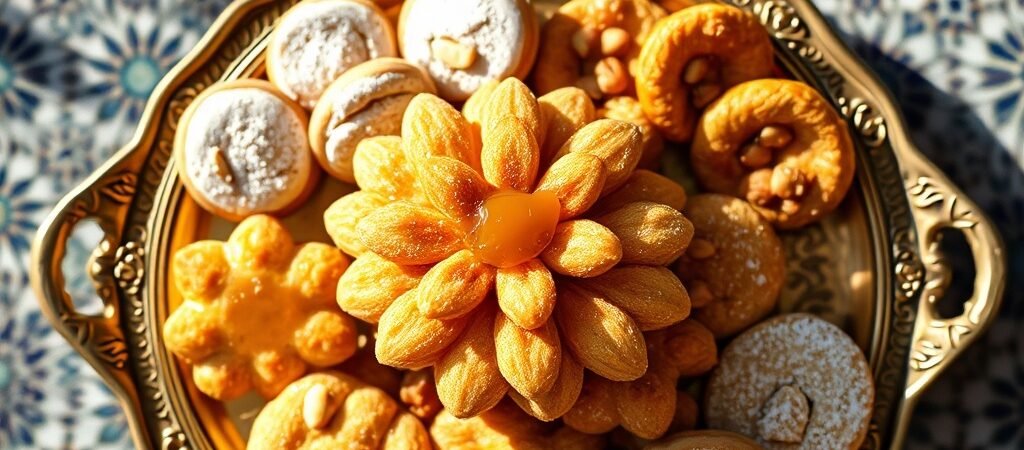
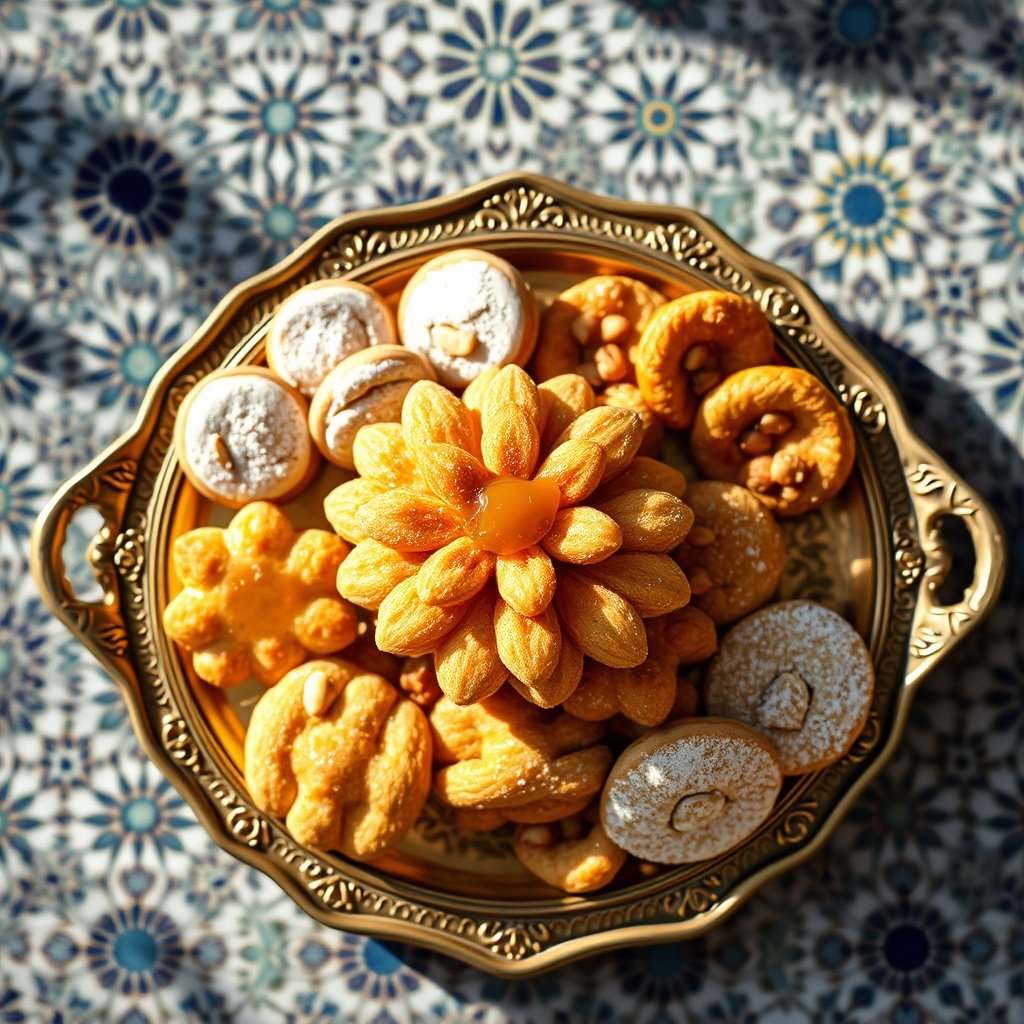
A vibrant flat lay showcasing the variety and rich colors of honey-glazed pastries and almond-filled treats.
Moroccan pastries are defined by a harmonious blend of finely ground nuts, fragrant spices, and generous honey or sugar syrups, all encased in buttery, often flaky dough. Historically, Andalusian influences merged with Berber traditions after the 15th‑century migration, creating layered confections that still echo medieval court kitchens. Core ingredients such as almond meal, sesame seeds, orange blossom water, and clarified butter (smen) differentiate these sweets from other Mediterranean desserts, delivering a texture that is simultaneously crisp and melt‑in‑the‑mouth.
Quick Answer: A Moroccan pastry combines nut‑based fillings, spice‑infused dough, and honey or syrup glazes, rooted in Andalusian‑Berber heritage. The distinct flavor comes from almond or sesame oils, orange blossom water, and cinnamon, producing a fragrant, melt‑in‑the‑mouth treat.
Regional Variations and Signature Shapes
Northern coastal pastries feature delicate, crumbly textures and almond‑centric recipes, while the Central Atlas favors layered, walnut‑filled spirals. In the Southern desert, sesame‑rich dustings dominate, reflecting the arid climate’s reliance on hardy seeds. Each region assigns symbolic meanings to shapes: the star‑shaped Ghriba represents hospitality, the coiled Mhancha evokes a snake’s protective power, and the granular Sellou symbolizes fertility during Ramadan.
| Region | Signature Pastry | Main Nut | Typical Occasion | |—————–|——————|———-|——————| | North Coast | Ghriba | Almond | Eid al‑Fitr | | Central Atlas | Mhancha | Walnut | Weddings | | Southern Desert | Sellou | Sesame | Ramadan Iftar |
Quick Answer: Morocco’s three pastry regions—North Coast (almond Ghriba), Central Atlas (walnut Mhancha), and Southern Desert (sesame Sellou)—each offer distinct shapes and occasions, reflecting local ingredients and cultural symbolism.
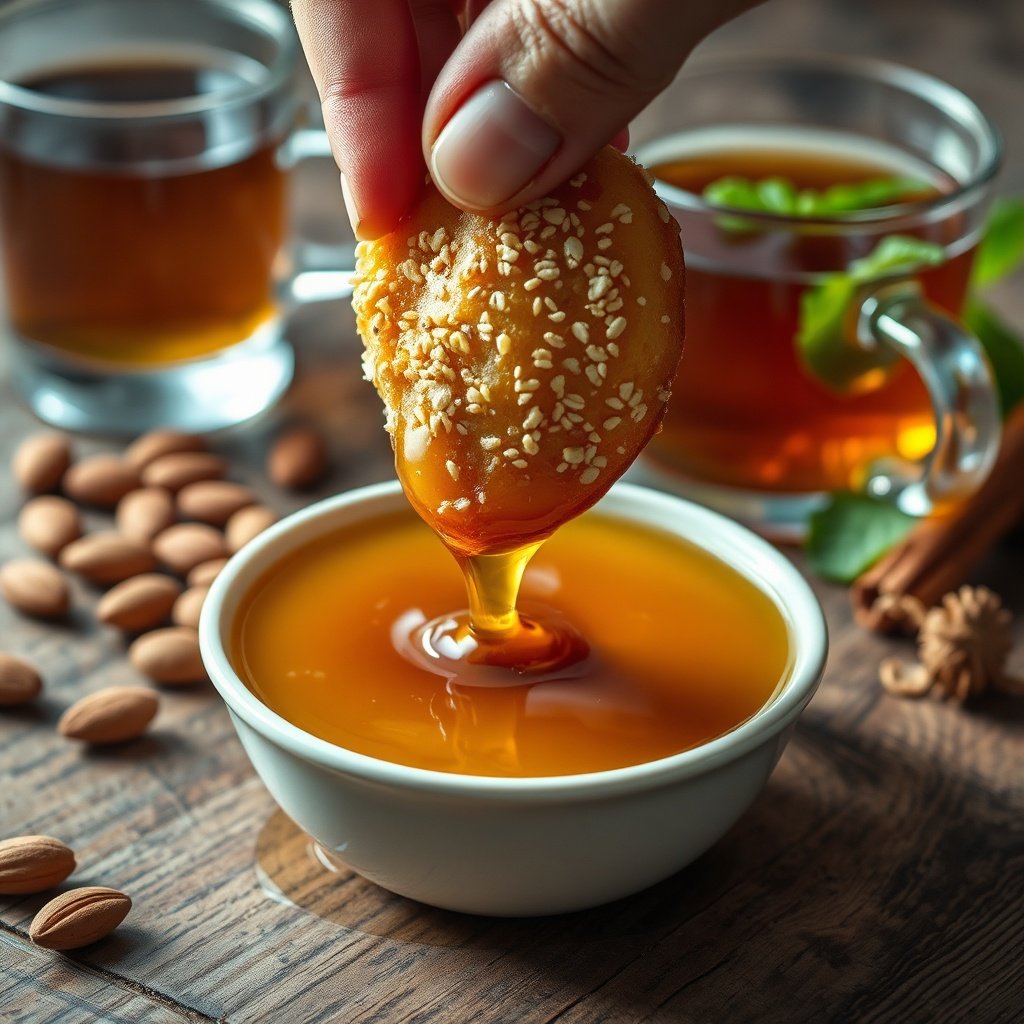
An intimate, appetizing view of the honey-glazing process essential to Moroccan dessert making.
Health Profile & Nutritional Myths
A 2026 analysis by the Moroccan Ministry of Health reports that a single Mhancha (≈ 80 g) contains about 320 kcal, 8 g protein, and 14 g saturated fat. Almonds contribute 21 g protein and 49 g monounsaturated fats per 100 g, while sesame seeds add calcium (975 mg) and iron (14 mg). Contrary to the myth that all Moroccan sweets are “empty calories,” the nuts supply essential micronutrients and healthy fats. Portion control—limiting intake to two small pieces per sitting—and pairing with mint tea (which aids digestion) help integrate pastries into a balanced diet.
Quick Answer: A typical Mhancha provides 320 kcal, but almonds and sesame seeds supply protein, healthy fats, calcium, and iron. Enjoying two pieces with mint tea keeps the indulgence nutritious and satisfying.
Baking Techniques That Make the Difference
Traditional hand‑rolling creates the uneven, airy layers prized in authentic Chebakia, whereas modern silicone molds yield uniform shapes but can trap moisture. The key steps include precise dough hydration (≈ 55 % water), low‑temperature resting (30 min at 20 °C), and frying at 180 °C for 2‑3 minutes per side. Below is a proven Chebakia preparation sequence that guarantees crisp edges and a honey‑cinnamon glaze that sets within 30 seconds.
- Combine 250 g flour, 50 g toasted sesame seeds, 2 tbsp orange blossom water, and 1 tsp salt; knead with 100 ml warm water and 30 ml melted smen until smooth.
- Rest dough 30 minutes, then roll to 2 mm thickness; cut into 5 cm petals and interlock to form a rose.
- Fry each rose in 1 L oil at 180 °C until golden; drain on paper.
- Heat 150 g honey with 1 tsp cinnamon and ½ tsp ginger; dip hot pastries for 10 seconds, then cool on a rack.
Quick Answer: Mastering Chebakia hinges on hand‑rolling thin dough, frying at 180 °C for 2‑3 minutes, and quickly coating with a hot honey‑cinnamon syrup; this sequence yields the classic crunchy‑soft texture.
Pairing Moroccan Pastries with Drinks
Classic Moroccan mint tea, brewed with spearmint, green tea leaves, and a splash of orange blossom water, balances the richness of pastries through its slight astringency and refreshing coolness. For a modern twist, a strong espresso with cardamom notes accentuates the spice profile of almond briouats. Seasonal pairings matter: during Ramadan, dates soaked in rose water alongside Sellou provide a sweet‑sour contrast, while in summer festivals, chilled hibiscus (karkade) pairs well with honey‑glazed Chebakia, cutting through the syrupy sweetness.
Quick Answer: Mint tea’s astringency, espresso’s bitterness, and seasonal date or hibiscus drinks each counterbalance the honey‑laden richness of Moroccan pastries, enhancing flavor perception and digestion.
Conclusion
The Moroccan pastries guide has walked you through the cultural roots, regional signatures, nutrition facts, and hands‑on techniques that make these sweets unforgettable. Armed with the history of Andalusian influence, the distinct almond, walnut, and sesame profiles, and a step‑by‑step Chebakia recipe, you can now savor authentic flavors at home or choose the perfect beverage pairing on your next Moroccan adventure. Explore local bakeries, experiment with hand‑rolled dough, and share these fragrant delights with friends—your journey into Morocco’s sweet heritage starts now. Do not wait to bring these legendary flavors to life in your own home. Download our free recipe checklist today, gather your orange blossom water and almonds, and start baking your very first batch of authentic Moroccan treats to share with your loved ones!
FAQ
What are the most popular Moroccan pastries? Ghriba (almond cookies), Mhancha (walnut‑filled coil), Chebakia (honey‑cinnamon roses), and Sellou (sesame‑nut blend) dominate celebrations and street markets across the country.
How do I make traditional Chebakia at home? Follow the five‑step method: mix flour, sesame, orange blossom water, and smen; rest, roll thin, shape petals, fry at 180 °C, then dip in a hot honey‑cinnamon syrup for 10 seconds before cooling.
Are Moroccan pastries gluten‑free? Traditional recipes rely on wheat flour, but many bakers now offer gluten‑free versions using almond or rice flour while preserving the nut‑based fillings and spice aromatics.
What is the typical calorie count of a Mhancha? A standard 80‑gram Mhancha contains roughly 320 kcal, 8 g protein, and 14 g saturated fat, delivering both energy and nutrients from its walnut core.
Which drink best complements Moroccan sweets? Freshly brewed mint tea provides the classic balance, while espresso with a hint of cardamom or chilled hibiscus (karkade) offers modern, palate‑cleansing alternatives.