Introduction to Moroccan Leather Poufs
Moroccan leather poufs, a hallmark of Moroccan craftsmanship, have a rich history deeply rooted in the culture and artistry of the region. Originally used as functional seating, these versatile pieces have evolved into decorative elements that bring a touch of exotic charm to modern interiors. Constructed primarily from high-quality leather, Moroccan poufs are typically hand-stitched by skilled artisans, showcasing intricate designs and vibrant colors that reflect the rich heritage of Moroccan design.
The craftsmanship involved in creating these poufs is remarkable, with each piece often taking several days to complete. Artisans use traditional techniques passed down through generations, ensuring that every pouf is not only unique but also of exceptional quality. This dedication to artistry makes Moroccan leather poufs not just furniture, but also works of art that can elevate any space.
In addition to their aesthetic appeal, Moroccan poufs serve practical purposes as well. They can function as extra seating, footrests, or even as coffee tables when paired with a tray. Their lightweight construction makes them easily movable, allowing for flexibility in layout and design. Furthermore, differing sizes and shapes accommodate a variety of spaces, whether in a cozy apartment or a spacious home.
The choice of color is significant when incorporating these poufs into home decor. The right hue can complement existing furnishings and set the tone for the room. Given the wide range of colors and patterns available, selecting the perfect Moroccan leather pouf requires consideration of both personal taste and overall design scheme. By thoughtfully choosing colors, homeowners can enhance the visual impact of their interiors, making Moroccan poufs an integral part of their decor strategy.
Understanding the Significance of Color in Home Decor
Color is a vital element in home decor, possessing the ability to influence moods, convey emotions, and create an overall aesthetic experience. The choice of color can shape the way individuals perceive their environment, impacting their feelings of comfort and relaxation. This psychological effect extends to all decorative elements within a home, including Moroccan poufs.
In the field of color psychology, different hues are associated with various emotional responses. For example, warm colors such as red and orange can evoke feelings of warmth and energy, while cooler shades like blue and green tend to create a calming atmosphere. These associations are crucial when selecting colors for items that are as versatile and functional as Moroccan poufs. The right color can enhance the mood of a room, transforming not only the physical space but also the emotional experience of its inhabitants.
Furthermore, the significance of color extends beyond individual perception; it can also unify the design of a room. When incorporating a Moroccan pouf into your decor, consider how its color complements or contrasts with existing furnishings. For instance, a vibrant pouf may serve as a striking focal point in a neutral room, while a muted, earthy tone could seamlessly blend with natural elements in a more serene environment. Ultimately, selecting the right color for your Moroccan pouf involves a thoughtful evaluation of the desired vibe of your space, ensuring that this decorative piece enhances your overall home decor.
Popular Colors for Moroccan Leather Poufs
When selecting a Moroccan pouf for your living space, the choice of color plays a crucial role in enhancing both aesthetics and ambiance. One of the most sought-after colors is natural tan. This earthy hue showcases the genuine quality of leather, offering a warm, rustic vibe that complements various decor styles, from traditional to modern minimalist. Natural tan poufs effortlessly blend into diverse color palettes, making them versatile pieces for any room.
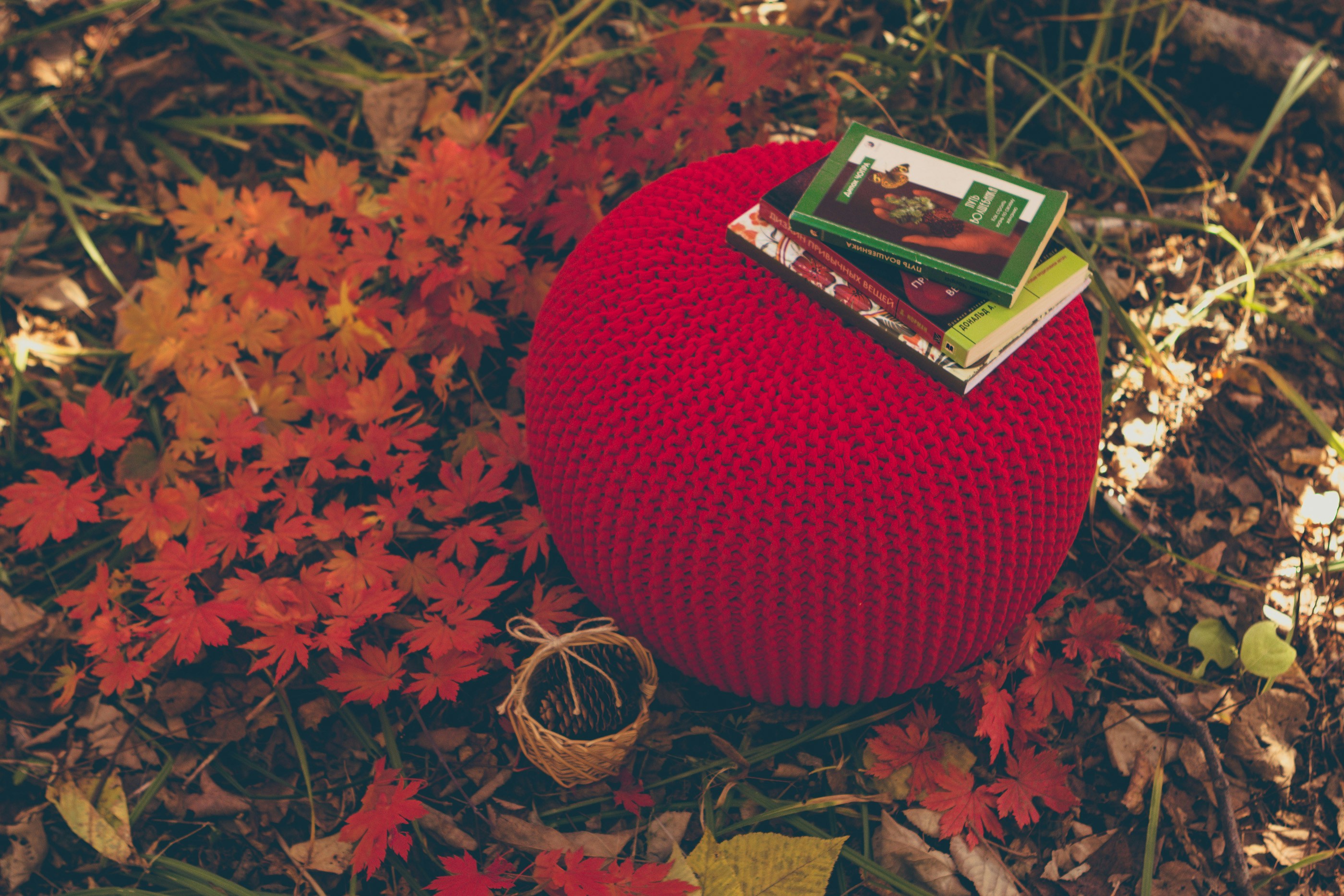
Vibrant red is another popular option, known for its bold and energetic look. Red Moroccan leather poufs act as eye-catching focal points within a room, infusing spaces with warmth and vitality. This color works splendidly in bohemian or eclectic settings, accentuating rich textiles and ornate furnishings. It is particularly effective when paired with neutral backgrounds, allowing the pouf to stand out as a statement accessory.
For those attracted to cooler tones, deep blue Moroccan poufs offer a sophisticated alternative. This hue resonates with tranquility and style and is often associated with coastal or nautical themes. Deep blue poufs can serve as striking contrasts against lighter decor, bringing a touch of elegance to a space. When combined with natural wood or metal accents, a deep blue pouf enriches the overall design scheme, enhancing the captivating effect of various materials.
Lastly, earthy tones such as olive green or rusty orange can create a cozy, inviting atmosphere. These shades often reflect the natural landscape, allowing Moroccan poufs to seamlessly integrate into homes characterized by organic elements and neutral palettes. Earthy-colored poufs are perfect for achieving a grounded, harmonious look in spaces that emphasize sustainability and natural materials.
How to Choose a Color Based on Your Existing Decor
Choosing the right color for your Moroccan poufs is crucial to enhance the visual appeal of your living space. With a myriad of designs and color options available, it is essential to consider how these vibrant pieces can coordinate with your existing decor. First and foremost, evaluate the current color palette of your room, including the hues of your walls, furniture, and other accessories. This will provide a solid foundation for selecting a pouf that either blends seamlessly or stands out for a striking effect.
If your space features neutral tones – such as whites, greys, or beiges – a brightly colored Moroccan pouf can serve as a focal point, breathing life into the room. Opting for bold colors like turquoise, mustard, or fuchsia can create an eye-catching contrast. On the other hand, if your decor leans towards a colorful scheme, choose poufs in subtle tones that harmonize with existing shades, allowing them to complement rather than compete with other decor elements.
Furthermore, consider the materials and textures present in the room. For homes adorned with rustic wooden furniture, a leather pouf in earthy hues like brown or terracotta can emphasize warmth and coziness. Conversely, if your interiors lean toward modern minimalism, sleek and vibrant poufs can infuse a playful yet chic vibe. Lastly, do not overlook accessories like cushions and rugs, as these items also play a significant role in establishing a cohesive look. When selecting colors, ensure that your Moroccan poufs reflect or enhance the theme set by these elements for a well-thought-out decor strategy.
In conclusion, thoughtful consideration of your existing home decor can aid significantly in choosing the right colors for your Moroccan poufs. By harmonizing with furniture, wall colors, and accessories, you can elevate your space, creating an inviting and dynamic atmosphere.
Using Color to Create a Focal Point
In the realm of interior design, color is a powerful tool that can transform a space and influence the emotions of those who inhabit it. Moroccan leather poufs serve not only as functional furniture pieces but also as striking accents that can create a compelling focal point within a room. Choosing the right color for your Moroccan poufs can enhance the aesthetic appeal of your decor while drawing the eye to a specific area.
To effectively utilize color for creating a focal point, one must consider the existing color palette of the room. Bold colors such as deep cobalt blue, vibrant red, or rich yellow can serve as excellent choices for your Moroccan poufs, particularly in spaces dominated by neutral tones. These shades can stand out dramatically, anchoring the design of the room and providing a visual contrast that captures attention. Conversely, if your room boasts strong, colorful elements, selecting a pouf in a complementary or subdued hue may help create balance and cohesion.
In addition to selecting bold colors, the finish of the leather can have a significant effect on the overall impact of the pouf. A glossy finish may enhance a rich color, allowing it to catch the light and draw attention, while a matte finish can create a softer, understated look. Patterns can also play a role; a unique design on a Moroccan leather pouf can serve as an eye-catching detail that encourages dialogue about its cultural significance and craftsmanship.
Ultimately, the choice of color should resonate with your personal style and the desired atmosphere of the space. A thoughtfully chosen pouf can transform a mundane corner into a striking focal point, contributing to the overall harmony and character of your home.
Cultural Influences: The Impact of Moroccan Heritage on Color Choices
The vibrant colors of Moroccan poufs reflect a rich cultural heritage that deeply influences their design and significance. In Morocco, color plays a fundamental role in daily life and traditions, often tied to historical, spiritual, and regional identities. Each hue carries a distinct meaning and association, providing insight for those looking to choose the right color for their leather poufs.
Red, for instance, symbolizes strength and bravery, often associated with Moroccan warriors and the country’s royal past. Selecting a red Moroccan pouf could evoke feelings of passion and energy within a living space. Blue, on the other hand, embodies tranquility and serenity, reminiscent of the blue city of Chefchaouen, making it an excellent choice for creating calming environments.
Additionally, green holds a special significance in Moroccan culture as it is linked to Islam, representing paradise and fertility. A green pouf may not only beautify a space but also create an atmosphere of peace and prosperity. Similarly, earthy tones such as ochre and brown represent stability and connection to nature, which mirrors the landscapes of the Moroccan countryside.
The bold and intricate patterns found in Moroccan textiles further enhance the significance of colors in this heritage. The artisans often draw inspiration from nature, and colors are meticulously chosen to reflect the diverse landscapes of Morocco, from its mountains to its deserts. Understanding these cultural influences will assist individuals in selecting the ideal color for their Moroccan leather poufs, ensuring that the chosen piece aligns with personal aesthetic preferences while honoring timeless traditions that have shaped Morocco’s artistic legacy.
The Benefits of Neutral vs. Bold Colors
When selecting the ideal color for your Moroccan leather poufs, it is important to weigh the benefits of neutral colors against those of bold hues. Neutral shades, such as taupe, beige, and white, offer significant versatility, making them an ideal choice for a wide range of interior designs. These colors easily blend in with various decor styles, from contemporary to traditional, allowing the poufs to complement existing furnishings without overwhelming the space. This adaptability not only enhances the overall aesthetic but also ensures that the poufs remain relevant as design trends evolve over time.
Moreover, opting for neutral-toned Moroccan poufs often leads to increased longevity, as these colors are less likely to show wear and tear compared to their brighter counterparts. Neutral hues can mask minor stains and scuffs, maintaining the poufs’ appearance and extending their lifespan in high-traffic areas.
On the other hand, bold colors such as vibrant red, deep blue, or vivid yellow can make a striking statement within a room. These hues inject personality and energy into a space, drawing attention and serving as focal points in otherwise minimalist environments. A bold Moroccan pouf can transform a plain lounge area into an inviting hub, providing both comfort and a splash of artistic flair.
However, it is important to consider that while vibrant colors are eye-catching, they may become less appealing as tastes and trends shift. Choosing bold shades can limit future design options; thus, homeowners should carefully consider how the pouf will fit into their long-term decor vision.
Tips for Maintaining Color and Quality of Leather Poufs
Maintaining the color and quality of your Moroccan leather poufs requires regular care and attention. To keep these exquisite pieces vibrant and in excellent condition, it is essential to implement proper cleaning, conditioning, and protective measures.
Firstly, start by dusting your poufs regularly using a soft, dry cloth. This will help prevent dirt and dust accumulation, which can dull the leather’s shine and affect its color. For deeper cleaning, use a damp cloth with a mild soap solution. It is important to test any cleaning agents on a small, inconspicuous area to ensure they do not cause discoloration. Avoid soaking the pouf, as excess water can lead to stains and damage.
Conditioning the leather is an essential step that should not be overlooked. Leather conditioning creams are designed to hydrate the material, preventing it from drying out and cracking. Apply a thin layer of conditioner using a clean cloth, making sure to cover all areas evenly. This treatment will not only preserve the pouf’s color but also enhance its natural beauty.
In addition to cleaning and conditioning, protecting your Moroccan poufs from direct sunlight is crucial. Prolonged exposure to UV rays can lead to fading and discoloration. Position your poufs away from direct sunlight or use window treatments to mitigate exposure. Additionally, avoid placing them in damp or overly humid environments to prevent mildew and mold, which can compromise both color and texture.
By following these maintenance tips, you will ensure your Moroccan leather poufs retain their vibrant color and quality, allowing them to enhance your living space for years to come.
Conclusion: Making Your Final Decision
Choosing the right color for your Moroccan leather poufs is a crucial decision that reflects not only your personal style but also harmonizes with your home decor. Throughout this guide, we have explored various considerations such as the significance of color psychology, the importance of blending with existing palettes, and how the choice of hue can influence the overall ambiance of your living space.
When selecting a color for your Moroccan poufs, it is essential to think about your lifestyle and how the space will be used. For instance, vibrant and bold colors can add an energetic touch to your environment, while neutral tones might provide a more calming effect. Additionally, if you often host gatherings, consider hues that can withstand the wear and tear of frequent use.
Furthermore, the artistic elements of Moroccan poufs allow for versatility; they can act as a focal point or a subtle accent in a room. When pondering your choice, take into account the themes and styles present in your decor. Do you lean towards contemporary design or prefer traditional accents? Your decision should aim to enhance these elements cohesively.
Ultimately, while the aesthetic aspect is critical, ensure that you choose a color that resonates with you personally. Moroccan poufs are not mere decorative items; they should inspire comfort and joy in your living space. As you finalize your decision, trust your instincts and envision how these exquisite pieces can elevate your interior decor.