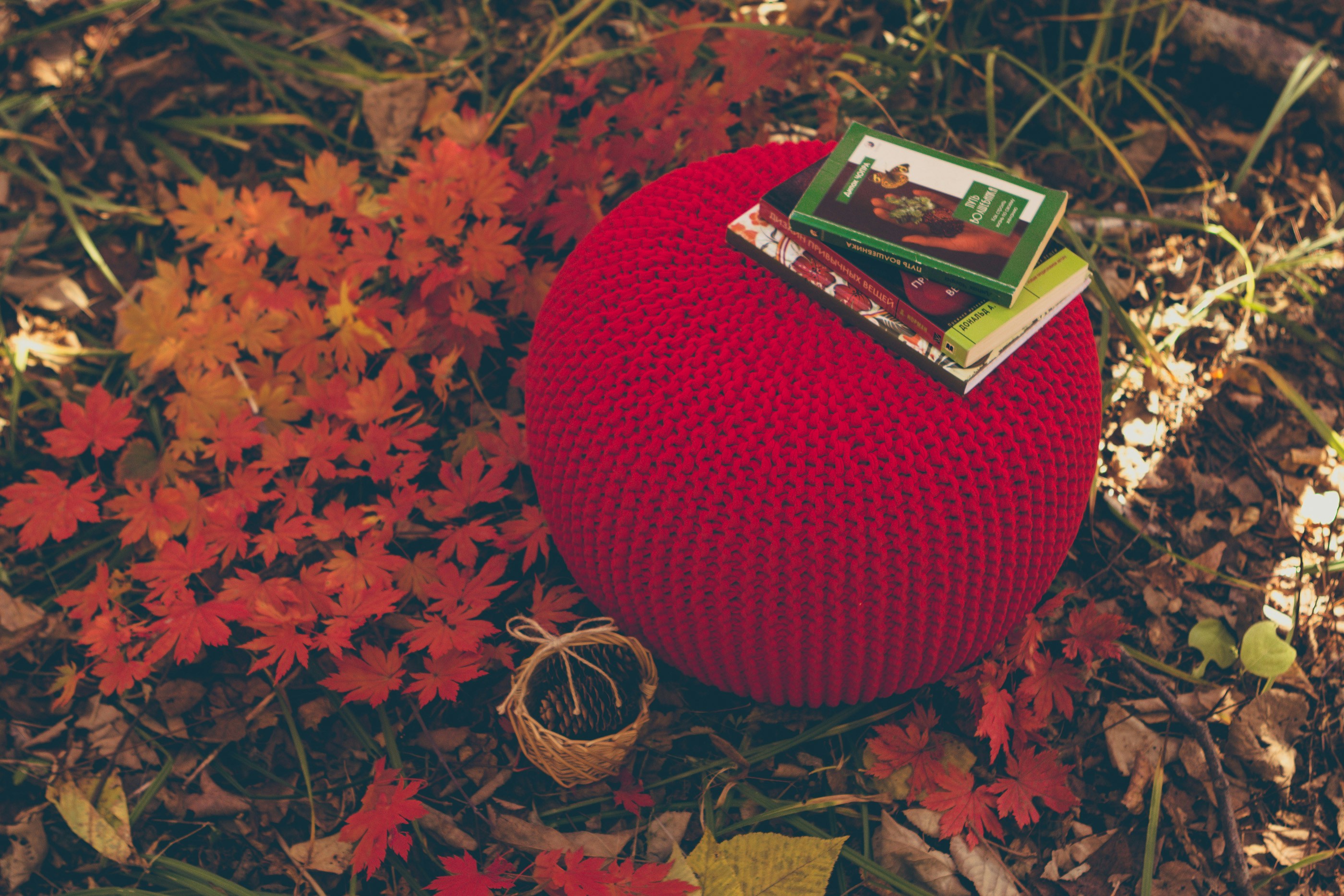
Introduction to Moroccan Poufs
Moroccan poufs are distinct pieces of furniture that embody rich cultural traditions and artisanal craftsmanship originating from Morocco. Historically, these poufs were hand-stitched by local artisans using traditional techniques passed down through generations. They are typically crafted from leather, although modern variations made from synthetic materials have also gained popularity. The charm of Moroccan poufs lies not only in their aesthetic appeal but also in their functionality, making them a staple in various living spaces.
As decorative elements, Moroccan poufs add a touch of exotic elegance to any room. They are often used as footrests, extra seating, or even as side tables, showcasing their versatility. Their vibrant colors and intricate patterns reflect the rich cultural heritage of Morocco, making them a favorite choice for interior designers and homeowners alike. Whether placed in a cozy living room, a vibrant playroom, or a stylish bedroom, Moroccan poufs can effortlessly enhance the overall ambiance.
The cultural significance of the Moroccan pouf goes beyond mere aesthetics. These poufs are often associated with traditional Moroccan hospitality, where comfortable seating arrangements play a vital role in gatherings and celebrations. The poufs symbolize warmth and welcome, inviting guests to relax and enjoy the company of friends and family. Today, the versatility and cultural depth of Moroccan poufs continue to resonate with consumers across the globe, who embrace them as both functional furniture and exquisite decorative accents.
Characteristics of Real Leather Moroccan Poufs
Real leather Moroccan poufs are distinguished by their remarkable durability and timeless appeal. Crafted from high-quality animal hides, these poufs naturally exhibit a robust structure that can withstand everyday wear and tear. Unlike synthetic alternatives, which may wear out or fray, leather offers a level of resilience that ensures longevity, making it a favored choice for those seeking lasting comfort and style.
The texture of real leather Moroccan poufs is another defining feature. With each piece being unique, the natural variations in leather can include distinct grain patterns and hues that add character. This uniqueness is difficult to replicate in synthetic materials, often resulting in a more authentic appearance that enhances any living space. Additionally, leather has an inherent softness that allows for a more comfortable sitting experience, adapting to the body over time.
Another critical aspect of real leather is its aging process. As leather poufs age, they develop a beautiful patina, enhancing their aesthetics and providing a sense of history and value. This natural transformation is a significant advantage over synthetic poufs, which may fade or lose their visual appeal over time. Furthermore, leather is a breathable material, allowing for adequate air circulation, which is especially important in climates with fluctuating temperatures.
The craftsmanship involved in creating leather Moroccan poufs is worth noting. Artisans painstakingly handcraft each pouf, employing traditional techniques passed down through generations. This artisanal quality assures that every pouf is not only a functional piece of furniture but also a work of art. In summary, the characteristics of real leather Moroccan poufs, including their durability, unique texture, and natural aging process, make them a superior choice over synthetic materials, providing unmatched comfort and lasting beauty.
Characteristics of Synthetic Moroccan Poufs
Synthetic Moroccan poufs are versatile and increasingly popular alternatives to their traditional leather counterparts. These pieces of furniture are typically made from synthetic materials such as faux leather, polyester, or other textiles that mimic the appearance of real leather while offering distinct characteristics that appeal to various preferences and needs.
One of the primary advantages of synthetic poufs is their affordability. Generally, they are significantly cheaper than real leather options, making them accessible for individuals and families looking to enhance their living space without imposing a hefty financial burden. Additionally, synthetic materials are often easier to clean than natural leather, as they can typically be wiped down with a damp cloth, reducing maintenance efforts and time.
Moreover, synthetic Moroccan poufs can be produced in a myriad of colors and designs, allowing for greater customization to match specific interior decor styles. This variety makes it easier to find an option that suits personal taste, whether for a contemporary setting or a more traditional aesthetic.
However, it is essential to consider some disadvantages associated with synthetic poufs. While they may be low maintenance, synthetic materials often lack the durability and longevity of real leather. Over time, they may show signs of wear and tear more quickly, leading to potential replacements more frequently than with genuine leather options. Furthermore, synthetic materials can have environmental impacts. The production of faux leather often involves synthetic polymers that may not be biodegradable, raising concerns about sustainability.
In evaluating synthetic Moroccan poufs, potential buyers should weigh these characteristics, balancing factors such as budget, style preferences, and environmental considerations. Understanding these distinctions can guide informed decisions in selecting the most suitable choice for home decor.
Comparing Real Leather and Synthetic Moroccan Poufs
When considering the choice between real leather and synthetic Moroccan poufs, several critical factors come into play. Price is often one of the most significant differentiators. Real leather poufs tend to be more expensive due to the cost of materials and craftsmanship. The artisanal nature of handmade leather poufs, often meticulously crafted in Morocco, contributes to their higher price point. In contrast, synthetic poufs are generally more affordable, appealing to budget-conscious consumers.
Durability is another important aspect to consider. Real leather is renowned for its long-lasting qualities. With proper care, leather poufs can maintain their appearance for years, resisting wear and tear from daily use. On the other hand, synthetic poufs may not have the same longevity; they can be more susceptible to damage and may not withstand heavy use as effectively as their leather counterparts.
Aesthetics also play a vital role in the decision-making process. Real leather poufs exude an authentic and timeless charm that many find appealing. They develop a unique patina over time, enhancing their beauty. Conversely, synthetic poufs can mimic the look of real leather, but may not have the same depth of character or warmth. They are often available in a wide array of colors and designs, appealing to those who value variety.
Lastly, maintenance requirements differ significantly between the two types. Real leather requires careful cleaning and conditioning to prevent drying and cracking, while synthetic poufs are generally easier to maintain, often only needing a simple wipe-down to keep them clean. However, this ease of maintenance might come at the cost of authenticity and visual appeal.
In conclusion, the choice between real leather and synthetic Moroccan poufs ultimately rests on individual preferences concerning price, durability, aesthetics, and maintenance. Evaluating these factors can guide potential buyers in selecting the ideal pouf that meets their specific needs and aligns with their lifestyle choices.