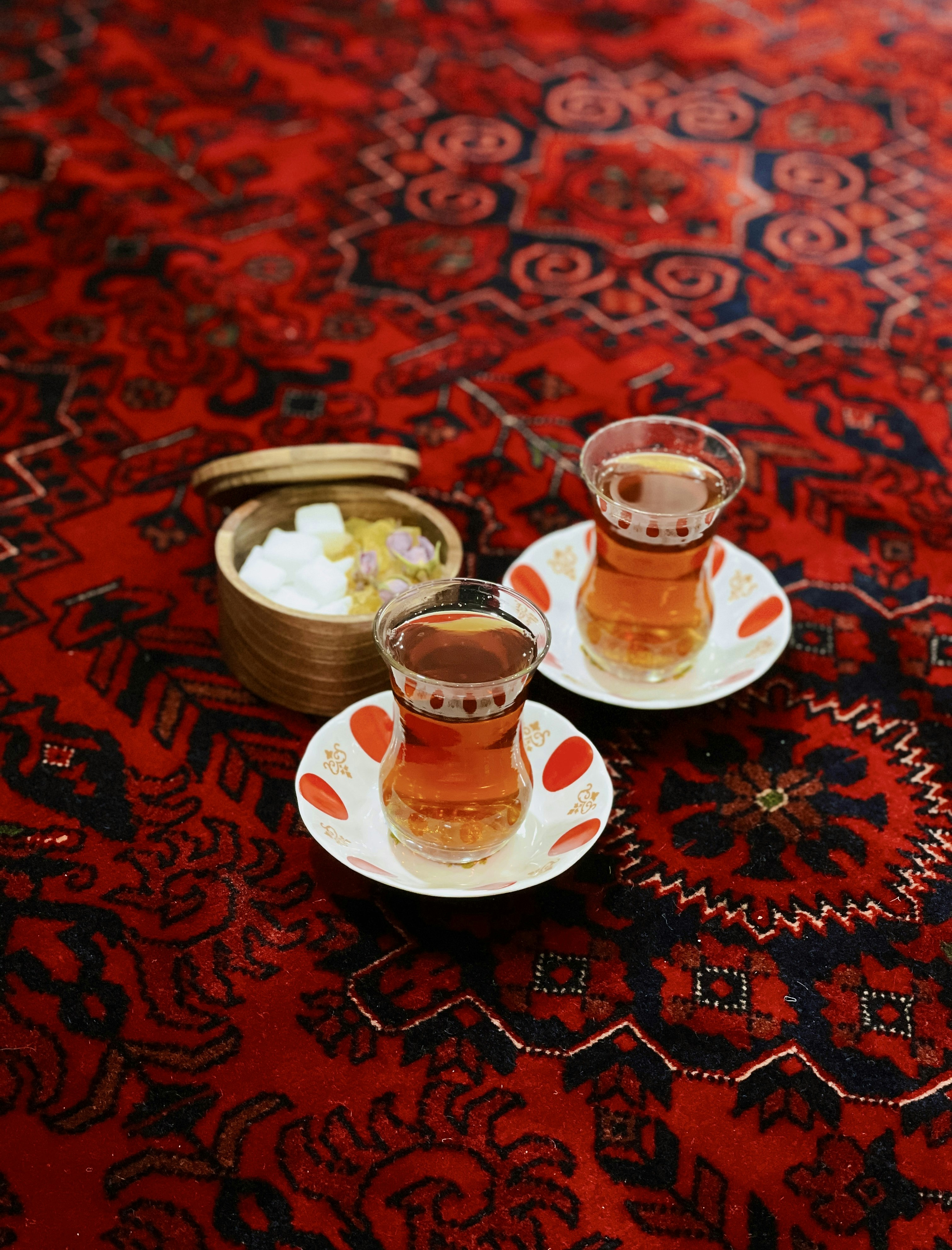
Introduction to Moroccan Mint Tea
Moroccan mint tea, often referred to simply as Moroccan tea, is more than just a beverage; it embodies a rich tapestry of cultural values and traditions intrinsic to Moroccan hospitality. This delightful infusion typically combines green tea, fresh mint leaves, and a generous amount of sugar, creating a refreshing and aromatic drink enjoyed throughout the day.
The preparation of Moroccan mint tea is a ceremonial affair, often marked by intricate rituals that highlight the importance of this beverage in social interactions. When serving this tea, hosts take great care to steep the tea leaves, add the mint, and dissolve the sugar—commonly using a specific variety such as cosumar sugar. The art of pouring tea from a height is also a significant gesture, symbolizing generosity and hospitality.
Within Moroccan culture, offering mint tea to guests is a sign of respect and friendship. It serves as a welcoming gesture that fosters camaraderie and strengthens bonds among family and friends. Additionally, the tea is often enjoyed during special occasions, celebrations, or simple gatherings, marking both everyday life and festive experiences.
To elevate the flavor profile of Moroccan mint tea, the quality of sugar used is paramount. Cosumar sugar, known for its fine texture and sweetness, enhances the overall taste and balances the robust flavors of green tea and mint. Using the right amount of cosumar sugar not only sweetens the drink but also complements the aromatic qualities of the mint, resulting in a well-rounded beverage experience.
As we delve deeper into the aspects of Moroccan mint tea, it becomes evident that the choice of ingredients, particularly sugar, plays a pivotal role in this cherished tradition. Understanding these fundamental elements will enrich one’s appreciation for this iconic drink and its significance in Moroccan culture.
The Role of Sugar in Moroccan Mint Tea
Moroccan mint tea, a beloved beverage in the culture of Morocco, is not just a simple blend of tea and mint; it is an experience that embodies the spirit of hospitality. Central to this experience is cosumar sugar, which serves as a fundamental ingredient in crafting this time-honored drink. The addition of sugar enhances the natural flavors, adding a delightful sweetness that complements the herbal and fragrant qualities of fresh mint leaves.
The impact of cosumar sugar on the taste profile of Moroccan mint tea is profound. It balances the slight bitterness of green tea leaves while amplifying the aromatic elements of mint. Each spoonful of sugar dissolves to create a harmonious blend, where sweetness meets herbal freshness. This balance is crucial, as too much bitterness from oversteeping the tea could overshadow the refreshing mint, making the proper amount of sugar essential to achieve the perfect fusion.
Furthermore, the aroma of Moroccan mint tea is significantly enhanced by the addition of cosumar sugar. When sugar is heated, it releases subtly caramelized notes, which interlace with the invigorating scent of mint, creating an enticing fragrance that fills the room. This sensory experience is vital during traditional tea-serving rituals, where the fragrance of the freshly brewed tea plays a pivotal role in captivating guests.
Ultimately, the role of sugar in Moroccan mint tea is not merely functional but integral to the overall enjoyment of this traditional beverage. It is the element that transforms a simple cup of tea into a delightful experience, making its impact on both taste and aroma essential. The careful balance of cosumar sugar within this brew reflects the care and artistry involved in Moroccan hospitality, inviting those who partake to savor each moment spent with loved ones.
Why Choose Cosumar Sugar for Your Tea
When it comes to making Moroccan mint tea, the choice of sugar plays a crucial role in defining the overall flavor experience. Cosumar sugar, renowned for its exceptional quality, stands out as the preferred choice for many tea enthusiasts. One of the defining characteristics of Cosumar sugar is its fine granulation, which enhances the tea’s texture and ensures an even sweetness throughout.
What sets Cosumar sugar apart from other types of sugar is its high purity and natural sweetness. Its crystalline structure dissolves effortlessly in hot tea, providing a smooth and rich sweetness that complements the mint leaves perfectly. This unique synergy between the sweetness of Cosumar sugar and the refreshing aroma of mint creates a balanced and harmonious beverage that is iconic in Moroccan culture.
Moreover, the ability of Cosumar sugar to blend seamlessly with both tea and mint is essential for achieving the traditional flavor profile of Moroccan mint tea. The sugar’s mild flavor does not overpower the delicate notes of the green tea, allowing the authentic Moroccan mint to shine through. As a result, using Cosumar sugar in your tea preparation not only enhances the drinking experience but also honors the cultural significance of this beloved beverage.
In essence, whether you are brewing mint tea for a special occasion or enjoying a daily ritual, the selection of Cosumar sugar is paramount. Its unique qualities ensure that your Moroccan mint tea is not just a drink, but a celebration of a rich and enduring tradition.
Step-by-Step Guide to Making Moroccan Mint Tea with Cosumar Sugar
Making Moroccan mint tea is a cherished tradition, and using Cosumar sugar elevates the experience with its unique sweetness. To create this refreshing beverage, you will need the following ingredients and tools.
Ingredients:
- 1 tablespoon of green tea (preferably gunpowder tea)
- 1 bunch of fresh mint leaves (about 2 cups, packed)
- 4 cups of water
- 1/2 to 1 cup of Cosumar sugar (adjust according to your taste)
Tools:
- A teapot
- A heat-resistant glass or cup for serving
- A kettle or saucepan
- A strainer (optional)
Instructions:
- Boil Water: Begin by boiling 4 cups of water in your kettle or saucepan. It’s essential to use fresh water, as it affects the taste of the tea.
- Rinse the Tea: Once the water is boiling, pour about a half cup of hot water over the green tea in the teapot. Swirl it gently for about 30 seconds, then discard the water. This step is crucial for enhancing the flavor and removing any bitterness.
- Add Mint and Water: Place the fresh mint leaves into the teapot along with the rinsed green tea. Pour the boiling water over the mixture and let it steep for approximately 5 minutes.
- Add Cosumar Sugar: After the tea has steeped, add your desired amount of Cosumar sugar to the pot. Stir well to ensure that the sugar dissolves completely, infusing the tea with sweetness.
- Serve: Pour the tea into heat-resistant glasses or cups, holding the teapot high to create a frothy top. Garnish with additional mint leaves if desired.
- Enjoy: Sip your refreshing Moroccan mint tea, savoring the delightful combination of sweetener and fresh mint.
With this simple yet authentic recipe, you can now enjoy the traditional taste of Moroccan mint tea enhanced by the sweetness of Cosumar sugar in the comfort of your home.
The Importance of Mint in the Recipe
Fresh mint is a crucial ingredient in the art of making Moroccan mint tea, providing not only aroma but also a vibrant flavor that harmoniously complements the other components of the drink. The refreshing properties of mint enhance the overall taste experience, making it a delightful choice for any occasion. When combined with the heat of the brewed green tea and the sweetness of Cosumar sugar, mint helps to balance the flavors, offering a well-rounded beverage.
The distinct menthol notes present in fresh mint enhance the sensory appeal of Moroccan tea. The contrast between the warmth of the tea and the cooling effect of the mint creates a unique flavor profile that is both invigorating and soothing. This interaction between the mint leaves and the sugar is particularly noteworthy; as the Cosumar sugar dissolves in the hot tea, it melds seamlessly with the mint, enhancing its freshness while also highlighting its aromatic qualities.
Furthermore, the use of fresh mint serves to elevate the drinking experience, providing an aromatic burst that can stimulate the senses. The essential oils present in mint leaves release during the brewing process, which not only adds flavor but also enriches the aroma of the tea, reinforcing the blending of the sugar’s sweetness. This careful balance between the sweetness of Cosumar sugar and the bright, herbal notes of fresh mint results in a tea that is truly refreshing and revitalizing.
In Moroccan culture, the preparation and consumption of mint tea is a communal activity, often served as a gesture of hospitality. The vibrant green of the mint leaves, coupled with the warm tones of the brewed tea and shimmering sugar crystals, creates an inviting tableau that resonates with tradition and warmth. The role of mint is thus not only functional but also cultural, embodying the essence of Moroccan hospitality and communal spirit.
Tips for Perfecting Your Moroccan Mint Tea
To achieve the finest flavor and presentation for Moroccan mint tea, attention to every detail in the brewing process is essential. Begin with high-quality green tea, such as Gunpowder tea, which is a traditional choice. Aim for approximately one teaspoon of tea leaves per cup of water used. Ensure you use fresh, filtered water for the best results, as the water quality greatly influences the overall taste.
When preparing Moroccan mint tea, the brewing time is crucial. Steep the tea leaves for about 3 to 5 minutes. This timeframe allows the leaves to infuse sufficiently while preventing bitterness. After steeping, remove the leaves promptly to preserve the desired flavor. A key element of this tea is the sweetness, typically achieved with cosumar sugar. It is important to add sugar gradually, according to personal preference. Traditionally, a generous amount of sugar is used, often around 2 to 4 tablespoons per liter of water.
A beneficial technique for dissolving cosumar sugar involves pouring a small amount of boiling water over the sugar in the teapot before adding the tea. This method helps to create a syrup, allowing the sugar to dissolve more effectively into the tea. Stir gently, ensuring that the sugar is evenly distributed, which enhances both the sweetness and flavor profile.
Presentation is equally important in serving Moroccan mint tea. Use a traditional dallah or teapot with a long spout for an authentic touch. When pouring, aim for a height of about 10–15 centimeters above the glass, allowing air to mix with the tea, which produces a frothy appearance. Garnish the tea with fresh mint leaves to enhance aroma and visual appeal, inviting guests to experience a true taste of Moroccan hospitality.
Serving Moroccan Mint Tea: A Cultural Perspective
In Moroccan culture, serving mint tea is more than just a culinary practice; it is an essential social ritual that reflects hospitality and tradition. Traditionally, the tea is prepared using green tea leaves, fresh mint, and, significantly, Cosumar sugar, which is preferred for its fine quality and sweetness. This combination creates a refreshing beverage that is enjoyed throughout the day.
The process of serving Moroccan mint tea is ceremonial. It begins with boiling water in a traditional teapot, often made of metal, which is commonly ornately designed, symbolizing Moroccan artistry. The process involves steeping green tea and infusing it with fresh mint leaves. The next critical step involves sweetening the tea to taste with Cosumar sugar, which gives it a delightful sweet profile that complements the coolness of the mint. The amount of sugar used can vary, with many preferring a sweeter tea, consistent with the region’s tastes.
When serving the tea, it is customary to hold the teapot high above the glass while pouring. This method allows for aeration and enhances the aroma of the drink. The serving glasses themselves are often beautifully decorated, adding a visual appeal to the experience. Each guest is typically served three rounds of tea, with each being progressively sweeter than the last, as it is believed that the first cup is bitter, the second is sweet, and the third is strong.
This ritual not only emphasizes the importance of Cosumar sugar in the preparation of the tea but also showcases the warmth of Moroccan hospitality. Guests are often invited to share stories and engage in conversation over this delightful beverage, further highlighting its role in fostering community and connection in Moroccan culture.
For those looking to purchase Cosumar sugar, there are several options available that meet a variety of consumer needs. One of the most reliable places to acquire this premium product is through online retailers, with kenzadi.com serving as a prominent source. This website specializes in Moroccan ingredients, ensuring that you are receiving quality sugar that adheres to traditional standards.
Kenzadi.com often features promotions and offers that can enhance your shopping experience, making it more affordable to enjoy the delightful taste of Cosumar sugar. Whether you are purchasing in bulk or just need a small quantity for your next Moroccan mint tea session, taking advantage of these deals can provide excellent savings. Be sure to check their website regularly for seasonal promotions or sales.
In addition to online shopping, Cosumar sugar can also be found in select grocery stores that carry international or specialty items. Some larger supermarkets have dedicated sections for Mediterranean or Middle Eastern products, where you might spot this unique sugar. If you prefer the in-store experience, a quick inquiry at your local supermarket might yield positive results.
Furthermore, local markets specializing in ethnic foods are a great resource for sourcing Cosumar sugar. Many of these markets prioritize quality and authenticity in their product offerings, making them an ideal choice for those wishing to prepare authentic Moroccan dishes.
In summary, whether shopping online at kenzadi.com or exploring local specialty grocery stores, acquiring Cosumar sugar is an accessible and rewarding endeavor that will enhance your culinary experiences.”
Conclusion: Embracing the Tradition of Moroccan Mint Tea
Moroccan mint tea is more than just a beverage; it is a symbol of hospitality, friendship, and cultural heritage. This beloved drink is essential in various social gatherings, forming a bond between family and friends as it is served with warmth and generosity. At the heart of this delightful experience lies the use of Cosumar sugar, which plays a vital role in balancing the fresh flavor of mint and the robust notes of green tea.
Cosumar sugar, recognized for its excellent quality and natural sweetness, enhances the taste profile of Moroccan mint tea. The careful addition of this sugar not only sweetens the tea but also complements the aromatic experience, making each sip a celebration of flavors. Traditional preparation methods emphasize the art of pouring the tea from a height, allowing the sugar to dissolve effectively while aerating the beverage, signifying respect toward the drink and its guests.
By embracing this tradition, one can connect with the rich cultural history embedded in Moroccan mint tea rituals. Encouraging readers to try making this drink at home is both a nod to culinary exploration and a means to appreciate the intricate practices of Moroccan hospitality. Adjusting the ingredients, including the amount of Cosumar sugar, allows individuals to tailor their experience to their preferences, making it a personal journey.
As you embark on crafting your own Moroccan mint tea, consider the integral role of Cosumar sugar in elevating your tea-drinking experience. Experiment with varying amounts of sugar and mint to find the ideal blend that delights your palate. This tradition is not just about consumption; it is about cherishing the moments spent with loved ones over a pot of freshly brewed tea.