Introduction
Moroccan cuisine sits at a fascinating crossroads. On one hand, it delivers some of the most intensely aromatic, layered, and satisfying flavors in world cooking. On the other, its foundational ingredients — chickpeas, lentils, preserved lemons, olive oil, turmeric, and mountains of fresh herbs — read like a checklist from a modern nutrition textbook. This is not a coincidence. Centuries of trade routes, agricultural tradition, and Islamic dietary principles shaped a food culture that happens to align remarkably well with what today’s health science recommends.
The North African diet benefits extend far beyond anecdotal praise. Researchers studying Mediterranean and adjacent dietary patterns consistently find that populations consuming legume-heavy, spice-rich, vegetable-forward meals experience lower rates of cardiovascular disease, type 2 diabetes, and chronic inflammation. Moroccan cooking, with its heavy reliance on slow-simmered stews, whole grains, and functional spices like cumin and ginger, fits squarely within that evidence base.
But here is the thing — you do not need to travel to Marrakech or spend hours haggling in a spice souk to eat this way. The recipes in this guide take the core principles of Moroccan healthy eating and adapt them for a modern kitchen. You will find specific ingredient swaps that cut calories without sacrificing flavor, batch-cooking strategies that make weeknight dinners effortless, and dessert options that satisfy a sweet tooth using nothing more than fruit, nuts, and a dusting of cinnamon. Each section targets a practical goal: better breakfasts, lighter mains, smarter sides, and snacks that actually fuel you. Let’s get into it.
1. The Nutritional Foundation of Moroccan Cuisine: Why It’s Inherently Healthy### 1.1 The Core Ingredient Philosophy
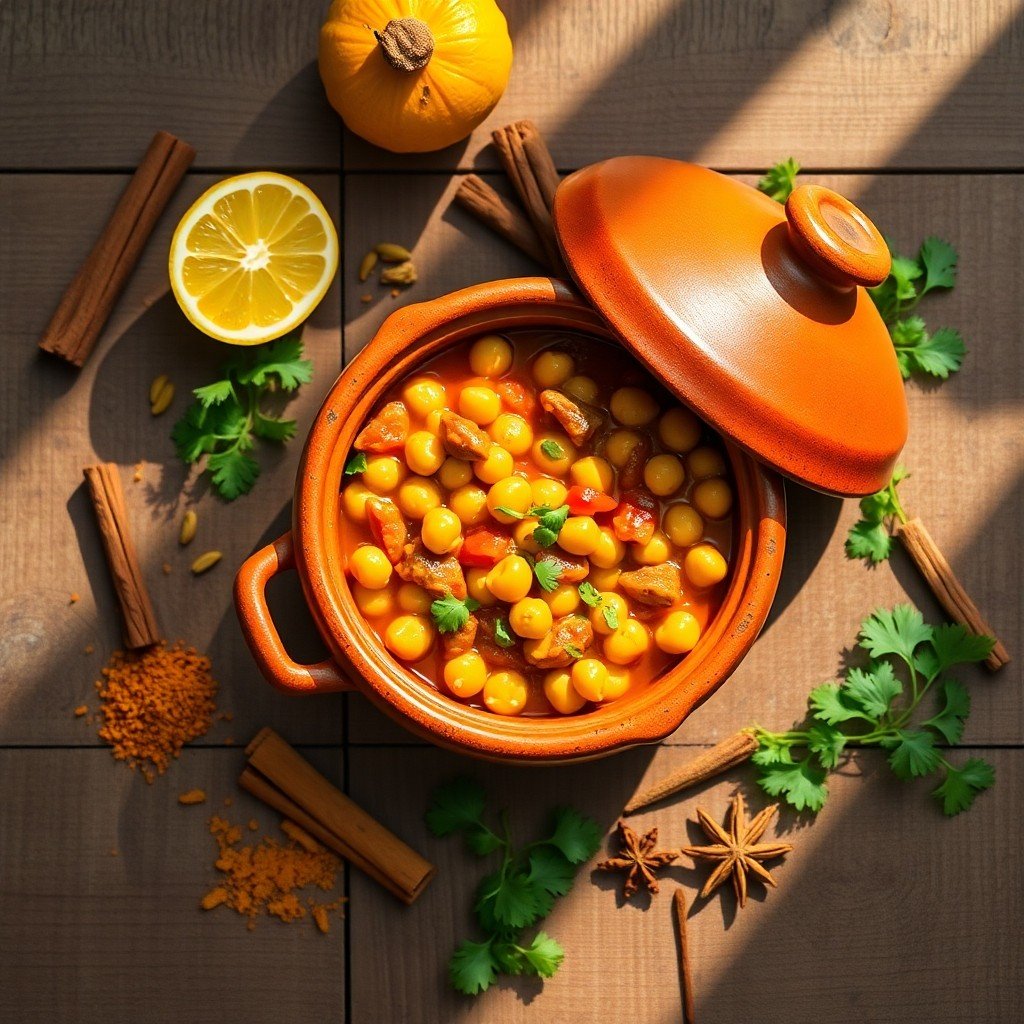
*A stunning overhead shot of a traditional Moroccan tagine filled with a hearty chickpea and vegetable stew, surrounded by aromatic spices and fresh herbs, showcasing the wholesome ingredients central to healthy Moroccan cuisine.*
Moroccan cooking was built on whole foods out of necessity, not trend. Before refrigeration, preservation methods like drying fruits, curing lemons in salt, and pressing olive oil were survival strategies. The result is a pantry that naturally skews nutrient-dense. Lentils, chickpeas, and fava beans appear in everything from breakfast soups to slow-cooked tagines, delivering plant-based protein and fiber in every serving. Vegetables — carrots, zucchini, eggplant, tomatoes, and onions — form the base of most dishes rather than playing a supporting role to meat.
Olive oil serves as the primary fat, replacing butter or animal fats used in other regional cuisines. Preserved lemons add brightness and depth without sodium-heavy sauces. Dried figs, apricots, and dates provide natural sweetness in both savory and sweet contexts. This combination of legumes, vegetables, whole grains, and healthy fats mirrors the Mediterranean diet so closely that studies on Mediterranean diet health outcomes frequently cite North African eating patterns as part of the same protective dietary cluster. Populations adhering to these patterns show measurably lower incidence of metabolic syndrome and improved lipid profiles.
1.2 Spices as Functional Medicine
Moroccan spice blends do more than taste good — they function as concentrated sources of bioactive compounds. Turmeric contains curcumin, which has been studied extensively for its anti-inflammatory properties. Cumin aids digestion and has demonstrated antimicrobial effects in laboratory settings. Ginger supports gastrointestinal motility and reduces nausea. Cinnamon helps regulate blood sugar by improving insulin sensitivity. When these spices appear together in a single dish, as they do in ras el hanout (a blend that can contain anywhere from 15 to 30 individual spices), the cumulative antioxidant load is significant.
Research on spice bioavailability and health effects confirms that regular consumption of these compounds — even in culinary doses — contributes to reduced systemic inflammation over time. Unlike salt-heavy seasoning approaches, Moroccan cooking builds flavor through spice complexity, meaning you get depth without the sodium spike. A well-stocked spice rack with cumin, turmeric, cinnamon, paprika, ginger, and a quality ras el hanout blend is arguably the single most impactful investment you can make for healthy home cooking.
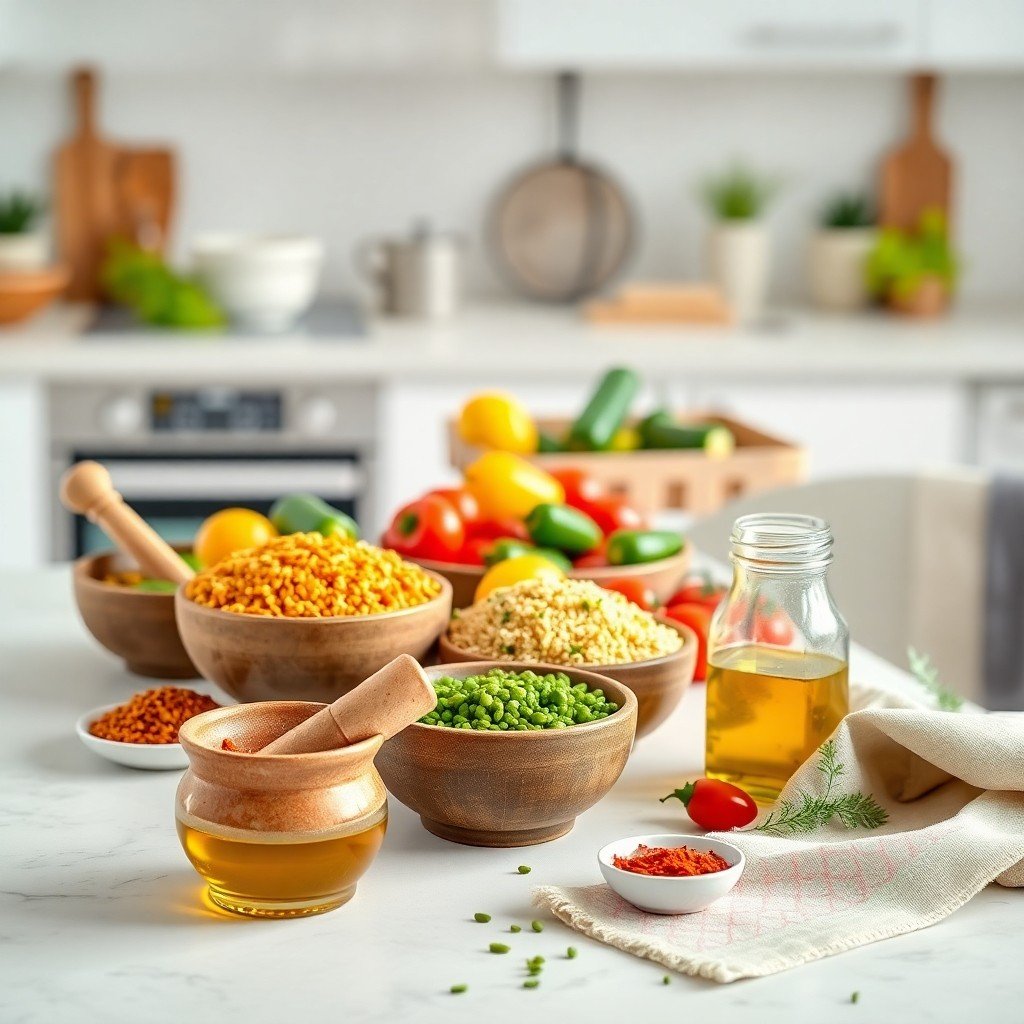
*A curated arrangement of wholesome Moroccan pantry staples and fresh produce on a modern kitchen counter, illustrating the nutrient-dense ingredients that form the foundation of healthy Moroccan-inspired meals.*
2. Healthy Moroccan Breakfast Recipes to Start Your Day### 2.1 Modern Takes on Traditional Moroccan Breakfasts
Traditional Moroccan mornings often feature msemen — a layered flatbread — served with honey and mint tea, or bissara, a thick soup made from dried fava beans drizzled with olive oil and dusted with cumin. Both are delicious, but the classic versions can be heavy on refined flour and oil. A healthier approach swaps in whole wheat flour for the msemen dough and cuts the oil by half, using a lightly oiled nonstick pan instead of generous brushing between layers. The result is a chewy, satisfying flatbread with more fiber and fewer empty calories.
Bissara deserves a permanent spot in your breakfast rotation. This dried fava bean soup delivers roughly 15 grams of protein and 10 grams of fiber per serving, making it a far more sustaining start than sugary cereal or pastries. To make it weeknight-friendly, soak 2 cups of dried split fava beans overnight. The next morning, drain and simmer them with 4 cups of water, 3 cloves of garlic, 1 teaspoon of cumin, and a pinch of salt for about 30 minutes until completely tender. Blend until smooth, then finish with a generous pour of extra virgin olive oil, a squeeze of lemon, and a sprinkle of smoked paprika. Prep a large batch on Sunday and reheat individual portions throughout the week — it thickens as it sits, so add a splash of water when reheating.
2.2 Sweet Starts Without the Sugar Crash
Moroccan cuisine has a long tradition of date-based sweets that work perfectly as pre-portioned energy bites. Pit 1 cup of Medjool dates, pulse them in a food processor with ½ cup of raw almonds, 1 tablespoon of almond butter, and a pinch of cinnamon until a sticky dough forms. Roll into 12 balls and refrigerate. Each ball provides roughly 90 calories with natural sugars, healthy fats, and a small amount of protein — enough to sustain you through a morning without the crash that follows a pastry.
Pair these with Moroccan mint tea, which offers benefits beyond simple hydration. Fresh spearmint contains rosmarinic acid, a compound with anti-inflammatory and antimicrobial properties. The traditional preparation — green tea steeped with a large handful of fresh mint and sweetened lightly with honey — provides a modest caffeine lift along with polyphenols from the green tea leaves. Compared to a typical Western breakfast of a bagel with cream cheese and a flavored latte, a Moroccan-inspired morning of bissara or a date energy ball with mint tea delivers more protein, more fiber, and significantly less added sugar.
3. Lightened-Up Tagines: Comfort Food Without the Guilt### 3.1 Rethinking the Classic Tagine
The tagine — both the conical clay pot and the stew cooked inside it — is the centerpiece of Moroccan home cooking. Traditional versions can be heavy: generous amounts of oil, large portions of lamb or beef, and white bread or refined couscous on the side. But the slow-cooking method itself is a health advantage. The tagine’s conical lid traps steam and recirculates moisture, meaning you can develop deep, complex flavors with minimal added fat. The key is being intentional about quantities.
A classic chicken tagine with preserved lemons and olives might call for ¼ cup of oil and 2 pounds of bone-in chicken for four servings. A lightened version uses 2 tablespoons of olive oil, swaps in skinless chicken thighs (which stay moist during the long cook), and increases the proportion of onions, garlic, and vegetables. The preserved lemons and olives provide so much flavor that you will not miss the extra fat. A nutritional comparison shows the lightened version saves roughly 120 calories and 14 grams of fat per serving while delivering the same protein and significantly more vegetables.
3.2 Vegetarian and Vegan Tagine Variations
Some of the best Moroccan tagines contain no meat at all. A seven-vegetable tagine with chickpeas and harissa combines zucchini, carrots, bell peppers, tomatoes, sweet potatoes, eggplant, and chickpeas in a spiced tomato broth. The chickpeas provide protein and fiber, while the variety of vegetables ensures a broad spectrum of vitamins and minerals. Add a spoonful of harissa for heat and depth — just check the label, as some brands add oil, though you can easily make your own from dried chilies, garlic, cumin, and coriander.
An eggplant and tomato tagine with toasted almonds is another standout. Roast two large eggplants until the skin chars and the flesh collapses, then fold them into a simmering tomato sauce seasoned with smoked paprika, cumin, and a pinch of cinnamon. Top with toasted slivered almonds for crunch and healthy monounsaturated fats. For those managing dietary restrictions, most tagine recipes adapt easily: replace honey with date syrup for vegan versions, swap couscous for quinoa or cauliflower rice for gluten-free needs, and use coconut yogurt in place of dairy labneh.
4. Moroccan-Inspired Salads and Sides That Steal the Show### 4.1 Beyond the Basic Green Salad
Moroccan salads are cooked or room-temperature preparations rather than raw leafy greens, which means they hold up beautifully for meal prep and actually improve in flavor over time. Zaalouk is the most iconic — a smoky eggplant and tomato salad that functions as a side, a dip, or a spread. Roast or char two eggplants until completely soft, then mash the flesh and cook it down with crushed tomatoes, garlic, cumin, paprika, and a generous pour of olive oil until thick and jammy. A single serving contains roughly 90 calories and 5 grams of fiber, making it one of the most nutrient-dense sides you can put on the table.
Taktouka, a roasted green pepper and tomato salad, is equally versatile. Char two green bell peppers and four Roma tomatoes, peel and dice them, then toss with garlic, cumin, olive oil, and fresh parsley. The roasting process concentrates the vegetables’ natural sweetness and unlocks fat-soluble vitamins. Both zaalouk and taktouka keep for up to five days refrigerated, making them ideal batch-cooking candidates. Prepare a double batch on Sunday and use them throughout the week as sandwich spreads, grain bowl toppings, or crudité dips.
4.2 Grain-Based Sides with a Healthy Twist
Couscous is a Moroccan staple, but the refined version most commonly found in grocery stores has been stripped of its bran and germ, leaving mostly starch. Whole wheat couscous retains the full grain, delivering roughly 50% more fiber and a nuttier, more satisfying texture. The cooking method is identical — pour boiling water or broth over the grains, cover, and let steam for five minutes — so there is no learning curve.
Freekeh pilaf offers another excellent grain option. Freekeh is roasted green wheat with a smoky, slightly chewy character. Cook 1 cup of freekeh in 2½ cups of vegetable broth for about 20 minutes, then fluff and fold in chopped dried apricots, toasted pistachios, and a handful of chopped fresh mint. The combination of whole grain, dried fruit, and nuts creates a complete side dish with complex carbohydrates, plant protein, and healthy fats. For perfect whole-grain couscous every time, use a 1:1.25 ratio of couscous to liquid and let it rest covered for a full five minutes before fluffing with a fork. For the best results, we recommend using a stainless steel couscoussier to steam your grains to perfection.
5. Healthy Moroccan Desserts and Snacks### 5.1 Naturally Sweet: Fruit-Forward Moroccan Treats
Moroccan dessert culture leans heavily on fruit, nuts, and aromatic spices rather than butter-laden pastries and cream-based confections. The simplest and most iconic example is sliced oranges dusted with cinnamon and orange blossom water. That is it. Four ingredients, zero added sugar beyond what the fruit naturally contains, and a presentation that looks elegant on any table. A serving of two sliced oranges with cinnamon provides roughly 90 calories, 4 grams of fiber, and well over 100% of your daily vitamin C — compared to a slice of chocolate cake at 350+ calories with minimal nutritional value.
Stuffed dates are another staple worth keeping in your rotation. Fill pitted Medjool dates with a teaspoon of almond butter and drizzle with melted dark chocolate (70% cacao or higher). The dates provide natural sweetness and potassium, the almond butter adds protein and healthy fat, and the dark chocolate contributes antioxidants. Three stuffed dates deliver roughly 210 calories — a reasonable dessert portion that actually leaves you satisfied rather than reaching for more.
5.2 Savory Snacks for Any Time of Day
Roasted spiced chickpeas are the Moroccan answer to chips and crackers. Drain and rinse a can of chickpeas, pat them very dry, then toss with olive oil, cumin, smoked paprika, and a pinch of cayenne. Spread on a baking sheet and roast at 400°F for 30 to 35 minutes, shaking the pan halfway through, until crunchy. A half-cup serving provides 6 grams of protein and 5 grams of fiber for roughly 130 calories. Store them in an open container at room temperature — they stay crisp for up to four days.
Herbed labneh with vegetable crudités is another smart snack. Labneh is strained yogurt with the consistency of soft cheese. Stir in chopped fresh mint, dill, and a pinch of salt, then serve with cucumber rounds, bell pepper strips, and cherry tomatoes. The combination delivers probiotics from the yogurt, fiber from the vegetables, and enough protein to keep you full between meals. For batch prep, make a large container of herbed labneh on Sunday and portion it into small jars for grab-and-go snacking throughout the week.
6. Meal Planning: Building a Week of Healthy Moroccan-Inspired Meals### 6.1 A Sample 5-Day Moroccan-Inspired Meal Plan
Planning ahead is the single most effective strategy for eating well consistently. Here is a practical five-day framework built around the recipes above. **Day 1:** Bissara for breakfast, zaalouk with whole wheat pita for lunch, chicken-preserved lemon tagine with whole wheat couscous for dinner, date energy balls for a snack. **Day 2:** Date energy balls with mint tea for breakfast, leftover tagine for lunch, roasted spiced chickpeas for a snack, freekeh pilaf with grilled vegetables for dinner. **Day 3:** Herbed labneh with fruit for breakfast, taktouka with whole grain bread for lunch, stuffed dates for a snack, seven-vegetable chickpea tagine for dinner. **Day 4:** Bissara for breakfast, leftover seven-vegetable tagine for lunch, roasted chickpeas for a snack, eggplant and tomato tagine with quinoa for dinner. **Day 5:** Date energy balls with mint tea for breakfast, zaalouk and herbed labneh wrap for lunch, orange slices with cinnamon for a snack, freekeh pilaf with grilled chicken for dinner.
Your grocery list breaks down into four categories. **Produce:** eggplants, tomatoes, bell peppers, zucchini, carrots, sweet potatoes, onions, garlic, lemons, fresh mint, fresh parsley, fresh dill, oranges, cucumbers. **Pantry:** dried fava beans, chickpeas (canned and dried), whole wheat couscous, freekeh, quinoa, Medjool dates, almonds, pistachios, dried apricots, olive oil, honey, dark chocolate. **Spices:** cumin, turmeric, cinnamon, smoked paprika, ginger, ras el hanout, cayenne, orange blossom water. **Proteins:** skinless chicken thighs, eggs, Greek yogurt (for labneh).
6.2 Batch Cooking and Prep Strategies
The secret to making this meal plan realistic is front-loading your effort. Spend 90 minutes on Sunday preparing the components that carry the most workload. Make a full batch of bissara and refrigerate it in portioned containers. Roast a large tray of spiced chickpeas. Prepare both zaalouk and taktouka — they keep for five days and serve multiple purposes. Cook a large pot of freekeh or whole wheat couscous. Make your date energy balls and stuffed dates. Blend a batch of herbed labneh.
With these components ready, weekday meals come together in 15 minutes or less. Most Moroccan dishes freeze well, particularly tagines and soups. Portion cooked tagines into airtight containers and freeze for up to three months. Reheat gently on the stovetop with a splash of water to restore moisture. Couscous and freekeh can also be frozen, though they are quick enough to cook fresh. The time investment is front-loaded: roughly 90 minutes of prep on Sunday saves 30 to 45 minutes of cooking on each weekday, adding up to nearly four hours saved over a five-day stretch.
Conclusion
Healthy food recipes inspired by Moroccan cuisine work because they are not built on restriction — they are built on abundance. Abundance of spices, vegetables, legumes, and whole grains that happen to deliver exactly what modern nutrition science recommends. You do not need to overhaul your entire kitchen overnight. Start with one recipe — the bissara for breakfast, the zaalouk as a side, or the seven-vegetable tagine for dinner — and let the flavors convince you. Once you experience how satisfying a spice-forward, plant-heavy meal can be, the rest follows naturally. All of the Moroccan products mentioned in this guide are available to help you get started. Try one of this week’s recipes and share your adaptation in the comments — whether you swapped an ingredient, adjusted the spice level, or found a new favorite combination, your experience helps everyone eat better.
Frequently Asked Questions (FAQ)### Q1: Is Moroccan food naturally healthy?
Moroccan food leans heavily toward whole-food ingredients — legumes, vegetables, olive oil, and aromatic spices — which gives it a strong nutritional foundation. Dishes like lentil soup, vegetable tagines, and grain-based salads deliver balanced macronutrients with minimal processing. That said, some traditional preparations use significant amounts of oil or refined grains, so simple modifications like reducing olive oil by half and choosing whole wheat couscous over refined versions can make already-healthy dishes even better.
Q2: What are the healthiest Moroccan dishes to order at a restaurant?
Look for vegetable tagine, grilled kefta (spiced ground meat skewers), lentil or bean soup (bissara), and roasted pepper salad (taktouka). When ordering, ask for less oil in the preparation, request extra vegetables if the dish is meat-heavy, and choose whole wheat bread over white. These small adjustments keep the meal aligned with the cuisine’s naturally health-forward profile.
Q3: Can Moroccan recipes be made vegan or gluten-free?
Absolutely. Many Moroccan dishes are naturally vegan — think chickpea tagines, zaalouk, lentil soups, and roasted vegetable salads. For dishes that traditionally include meat, mushrooms, eggplant, or extra chickpeas work well as substitutes. Gluten-free adaptations are straightforward: replace couscous with quinoa or cauliflower rice, and use gluten-free flatbread or skip the bread entirely in favor of extra vegetables.
Q4: What spices are essential for cooking healthy Moroccan food at home?
Stock cumin, turmeric, cinnamon, smoked paprika, ground ginger, and a quality ras el hanout blend. These six spices cover the vast majority of Moroccan recipes. Buy whole seeds when possible and grind them fresh — pre-ground spices lose potency within six months, while whole seeds maintain their flavor for up to two years. Store them in airtight containers away from heat and light.
Q5: How does Moroccan cuisine compare to the Mediterranean diet?
The overlap is substantial. Both emphasize olive oil as the primary fat, center meals around vegetables and legumes, include moderate amounts of fish and poultry, and use herbs and spices instead of salt for flavor. The main difference lies in the spice profile — Moroccan cooking uses more warming spices like cinnamon, ginger, and cumin than typical Mediterranean preparations. Health outcomes associated with both dietary patterns are similarly positive, with strong evidence for reduced cardiovascular risk and improved metabolic markers.
**Meta Description:** Discover healthy food recipes inspired by Moroccan cuisine — from lightened-up tagines to protein-rich breakfasts. Learn ingredient swaps, meal plans, and the science behind this naturally nutritious cooking tradition.