Ancient Moroccan Wellness Traditions: A Comprehensive Guide
Ancient Moroccan wellness traditions are rooted in a profound philosophy that balances physical purification with spiritual clarity, primarily through the communal ritual of the Hammam – Wikipedia online and the application of indigenous geological resources. These practices view health not as the absence of disease, but as a state of harmony between the body, the environment, and the community. By utilizing locally sourced ingredients like Rhassoul clay and Argan oil, these time-honored methods offer a holistic approach that detoxifies the body, calms the mind, and strengthens social bonds.
Key Takeaways
- The Hammam serves as a central pillar of Moroccan society, functioning simultaneously as a cleansing ritual, a meditative practice, and a vital community gathering space.
- Geological treasures from the Atlas Mountains, specifically Rhassoul clay and Argan oil, provide potent mineral and fatty acid profiles that modern science validates as highly effective for skin health.
- Traditional medicine, or Tibb, prioritizes digestion and preventative care through the daily consumption of specific herbal infusions like peppermint and sage.
- In 2026, the focus of wellness tourism has shifted toward sustainability, with travelers seeking authentic, eco-conscious experiences that support local women’s cooperatives.
The Core Pillars of Ancient Moroccan Wellness Traditions
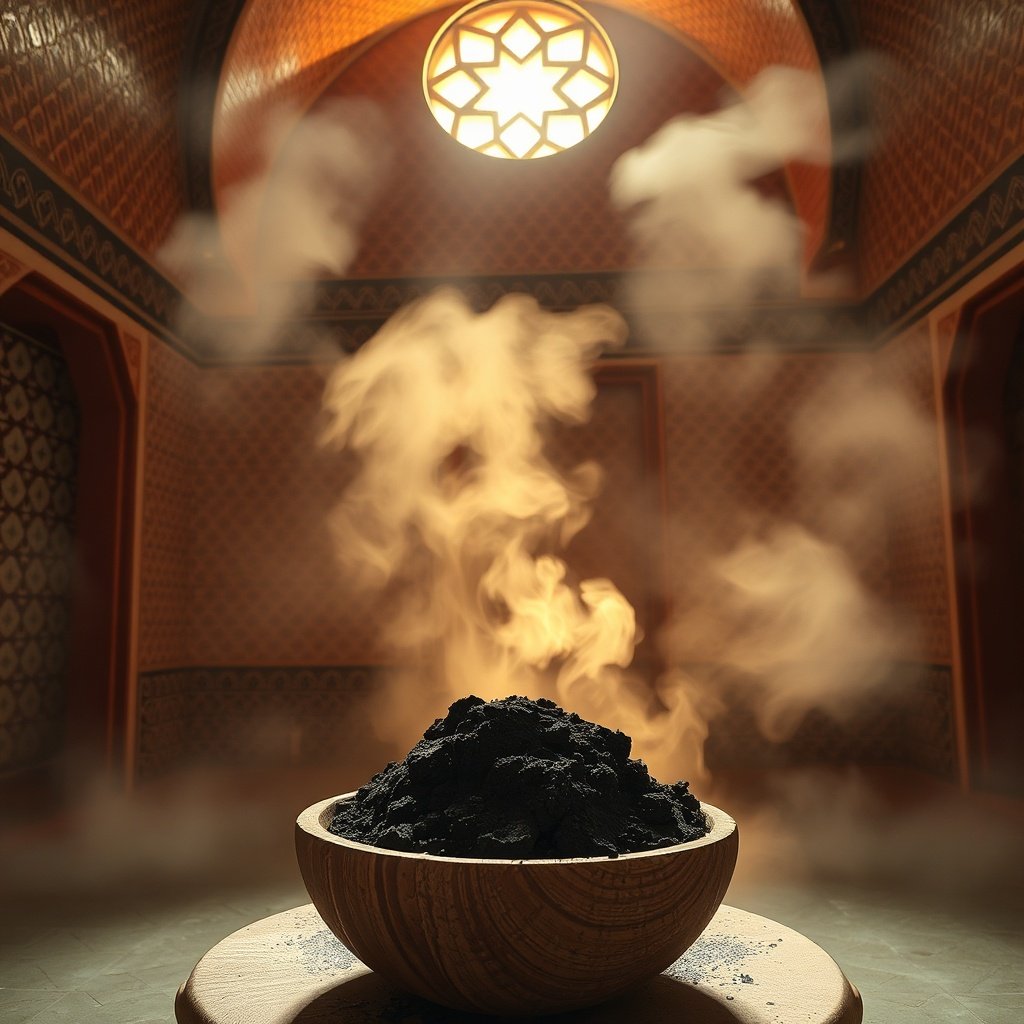
A serene scene inside a Moroccan steam bath highlighting the architectural beauty and purifying atmosphere.
The foundation of ancient Moroccan wellness traditions rests on the belief that water and heat are essential vehicles for healing. This philosophy extends beyond simple hygiene; it is a spiritual purging of negative energy and physical toxins. The history of Moroccan spa culture is deeply intertwined with Roman engineering and Islamic hygiene standards, evolving into a unique architectural and social phenomenon. These traditions emphasize that the body is a vessel that requires regular, rhythmic purification to maintain balance with the natural world.
The Philosophy of Heat and Water
Water architecture in Morocco is designed to facilitate a journey from the cool, external world into a warm, enveloping sanctuary. Ancient Moroccans viewed steam as a medium to open the body’s pores, releasing not just sweat but accumulated stress. This thermal shock stimulates circulation and boosts the immune system. The transition between varying temperature rooms is not accidental; it mimics the body’s need for contrast to revitalize itself, making the traditional hammam ritual a disciplined practice of endurance and release.
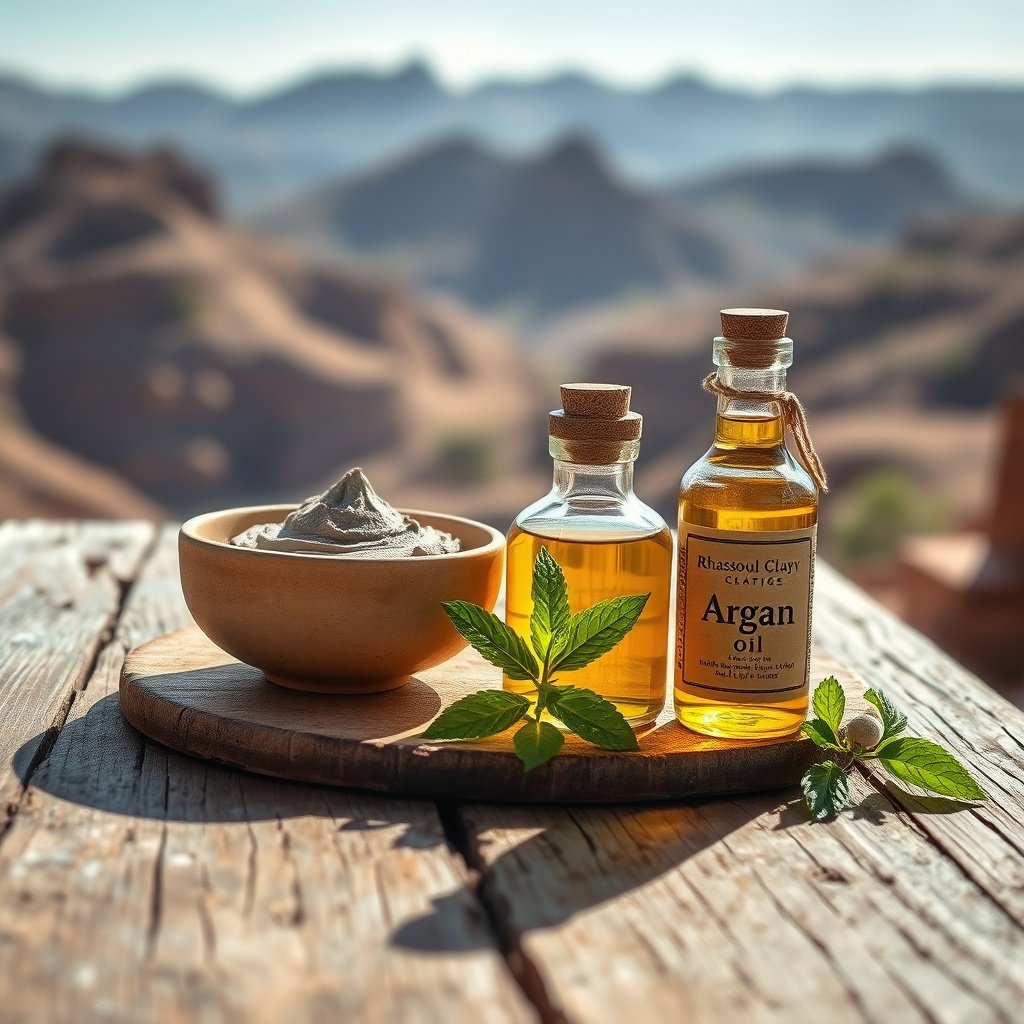
A display of indigenous Moroccan ingredients like clay and argan oil highlighting natural skincare methods.
The Integration of Botany and Geography
Morocco’s diverse landscape dictates its wellness remedies. The arid Sahara provides resilient ingredients like Argan, while the Atlas Mountains yield mineral-rich clays. This geographic specificity ensures that treatments are hyper-local and suited to the climate. Berber healing practices have long relied on what the land provides, creating a form of bio-regional healing where the environment directly remedies the ailments it creates. For example, dry desert skin is treated with rich oils, while mountain fatigue is soothed by herbal steam.
Quick Answer: Why is geography important to Moroccan wellness? The diverse terrain, from the Sahara to the Atlas Mountains, provides unique ingredients like Argan and Rhassoul clay that are specifically suited to treat climate-related health issues.
The Moroccan Hammam: A Ritual of Purification and Community
The Hammam is arguably the most significant element of Moroccan life, serving as a weekly ritual that transcends social class. It is a place where washing the body is synonymous with cleansing the soul. The benefits of Moroccan steam bath include deep detoxification, improved lymphatic drainage, and the softening of skin before exfoliation. Unlike the isolated bathing common in the West, the Hammam is a communal experience where barriers are dissolved, quite literally, alongside the grime of the week.
The Physical Detoxification Process
The Hammam ritual steps follow a strict, logical sequence designed to maximize purification. You begin in a warm room to acclimate the body, eventually moving to a hotter chamber where pores fully dilate. Here, beldi soap exfoliation is applied. This paste, made from olive oil and crushed black olives, is rich in Vitamin E and sits on the skin for several minutes to break down dead cells. You can find authentic options like Argan’It Organic Moroccan Black Soap with Argan Oil & Lavender – Authentic Beldi Exfoliating Scrub, Traditional Hammam Savon Noir, 250g (8.8 oz) products. Following this, the 2-Pack Authentic Moroccan Kessa Exfoliating Bath Mitts – Original Arganit Viscose Glove for Deep Dead Skin Removal, Microdermabrasion, Self-Tanner Eraser & Keratosis Pilaris Treatment is critical. This coarse, mitten-like glove scrubs away the impurities, rolling off dead skin in visible layers to reveal fresh, new skin underneath.
The Social and Psychological Benefits
Beyond the physical scrub, the Hammam acts as a therapeutic social hub. It is one of the few spaces where women, in particular, can gather uninhibited, discussing family matters, business, and health in a relaxed atmosphere. This social bonding is essential for mental health, providing a support network that combats isolation. The rhythmic act of scrubbing a friend or family member fosters trust and intimacy, reinforcing the idea that care is a shared responsibility, not a solitary task.
Quick Answer: What makes the Hammam different from a regular shower? The Hammam combines steam, heat, and manual exfoliation using black soap and kessa gloves in a communal setting, offering deep physical detoxification along with significant social and psychological stress relief.
Harnessing the Atlas: Earth-Based Skincare and Detox
The Atlas Mountains serve as the primary source for Morocco’s most potent skincare ingredients. Atlas mountain spa treatments utilize the raw geological power of the region to draw out impurities and nourish the skin. These ingredients are not processed with synthetic chemicals but are used in their raw, unadulterated forms. This connection to the earth ensures that the treatments are as sustainable as they are effective, relying on the mountains’ natural bounty rather than industrial manufacturing.
The Volcanic Origins of Rhassoul Clay
Rhassoul clay, also known as Ghassoul, is mined from the ancient Atlas Mountains deposits. Unlike modern clays that may be dried at high temperatures, authentic Rhassoul is sun-dried to preserve its mineral structure. Rhassoul clay benefits stem from its unique negative charge, which attracts positively charged toxins and impurities like a magnet. When mixed with water or rose floral water, it swells, drawing out excess oil and debris without stripping the skin of its natural moisture. This makes ghassoul clay masks superior to synthetic alternatives for treating acne and dryness simultaneously.
Definition: Rhassoul Clay is a 100% natural, mineral-rich clay found only in the Atlas Mountains of Morocco. It is used for detoxifying the skin and hair due to its high silica and magnesium content and its ability to absorb impurities.
The Labor of Liquid Gold
Moroccan Argan oil uses are vast, ranging from culinary to cosmetic, but the extraction process is what defines its quality. The Argan tree, a UNESCO-protected species, produces nuts containing kernels rich in fatty acids. Traditionally, Berber women crack these nuts open by hand between stones, a laborious process that preserves the delicate nutrients. This manual cold-pressing method retains high levels of Vitamin E and squalane far better than the industrial extraction methods often seen in 2026 mass production. Moroccan Argan oil skin care relies on this purity to repair the skin barrier and reduce inflammation effectively.
Tibb and Traditional Medicine: The Botanical Wisdom of Morocco
Tibb, or traditional medicine, is the preventative backbone of Moroccan health. It operates on the principle of balancing the body’s “humors” through diet and lifestyle. Natural herbal remedies in Morocco are not merely alternatives to pharmaceuticals; they are the first line of defense against illness. This botanical wisdom focuses heavily on digestion, viewing the gut as the center of health. By maintaining internal balance through Traditional Remedies, the body is better equipped to resist external pathogens.
The Role of Herbal Infusions in Digestion
Moroccans consume herbal tea not just for flavor, but for medicinal function. Moroccan herbal remedies often include a mix of peppermint, sage, and wormwood. Peppermint is essential for soothing the stomach and reducing bloating after meals. Sage is believed to improve memory and circulation, while wormwood is used sparingly to purge parasites and stimulate bile production. These infusions are consumed daily, ensuring that digestion is constantly supported. The preparation is specific—tea is often steeped for a long duration to extract the maximum therapeutic compounds from the leaves.
Aromatherapy and Spiritual Protection
The use of scent is deeply embedded in Moroccan culture for both physical and spiritual purification. Resins like Oud and Frankincense are burned on charcoal disks to release fragrant smoke that fills the home. This practice is believed to clear negative energy, or the “evil eye,” while also acting as an antiseptic that cleanses the air of bacteria. The link between respiratory health and spiritual clarity is strong; a clean-smelling home is considered a home where God’s blessings reside. This form of aromatherapy is a key component of maintaining a peaceful and healthy mental state. You can find Traditional Moroccan Incense Serghina with Oud Arabic Bakhoor | Premium Agarwood Home Fragrance products to enhance your space.
Quick Answer: How do Moroccans use herbs for health? Daily herbal infusions containing peppermint, sage, and wormwood are consumed to aid digestion, boost immunity, and improve circulation, serving as a preventative measure against illness.
Reviving Authenticity in 2026 Wellness Tourism
As global wellness tourism explodes, travelers in 2026 are increasingly discerning, seeking sustainable travel Morocco experiences that respect the origins of these practices. There is a growing movement away from sterile, hotel-style spas toward “slow wellness,” where the process is valued over the immediate result. This shift challenges the industry to preserve the integrity of ancient Moroccan wellness traditions while accommodating modern luxury. The focus is now on immersion—allowing guests to participate in the rituals rather than just passively receiving them.
Distinguishing Tourist Traps from Traditional Practices
Finding an authentic spa experience 2026 requires knowing what to look for. A true Hammam will have gender-segregated hours and will not shy away from the intensity of the heat and scrub. If a spa offers a “dry” Hammam or uses plastic loofahs instead of traditional Kessa gloves, it is likely catering to tourists rather than preserving tradition. Furthermore, authentic establishments use Moroccan black soap ingredients that are simple and pure—olive paste and eucalyptus—rather than synthetic gels with artificial fragrances. Travelers should look for venues that emphasize the ritualistic aspect of the bath rather than just the aesthetic.
The Rise of Eco-Conscious Cooperatives
The demand for authenticity has fueled the growth of women’s cooperatives, particularly in the Argan and Rhassoul producing regions. These cooperatives ensure that the profits from Moroccan Argan oil uses return to the local community. By supporting these groups, wellness tourism helps preserve the agricultural biodiversity of the region and empowers women economically. In 2026, the most respected wellness retreats partner directly with these cooperatives, offering guests transparency about where their products come from and who made them. This ethical dimension adds a layer of meaning to the wellness journey. For more information on sustainable choices, see Why Moroccan Rugs are a Sustainable and Ethical Choice products.
Conclusion
Exploring ancient Moroccan wellness traditions offers more than just relaxation; it provides a blueprint for living in harmony with nature and community. Whether through the intense purification of the Hammam or the nourishing application of Argan oil, these practices teach us the value of slow, intentional self-care. As you plan your next holistic travel tips, remember that true wellness is found in the authenticity of the experience and the connection to the people who preserve it. Embrace these rituals to restore not only your body but also your sense of belonging to the wider world.
FAQ
What are the main ingredients used in ancient Moroccan skincare? The primary ingredients include Rhassoul clay for detoxification, Argan oil for moisturizing and anti-aging, black soap (Savon Beldi) for exfoliation, and rose water for toning and hydration.
How often should one go to a Hammam for optimal health benefits? Traditionally, Moroccans visit the Hammam once a week. However, for optimal skin health and detoxification, visiting once every two weeks is sufficient to deeply exfoliate and relax the muscles.
Is Rhassoul clay suitable for sensitive skin types? Yes, Rhassoul clay is extremely gentle and non-drying. Unlike absorbent clays that strip moisture, Rhassoul is known for its ability to reduce dryness and flakiness while removing impurities, making it ideal for sensitive skin.
What is the difference between a Turkish Hammam and a Moroccan Hammam? While both involve steam, the Turkish Hammam typically centers around a large, heated marble stone (the göbektaşı) and focuses on continuous washing by an attendant. The Moroccan Hammam involves self-washing in steam rooms followed by a vigorous, self-administered or assisted scrub using black soap and Kessa gloves.
Can I practice Moroccan wellness traditions at home? Absolutely. You can recreate a mini-Hammam by running a hot shower to steam your bathroom, applying black soap, and using a Kessa glove to exfoliate. Following this, you can apply ghassoul clay masks and finish with pure Argan oil to lock in moisture.
Conclusion
Embracing ancient Moroccan wellness traditions invites you to slow down and prioritize holistic health in a fast-paced world. Whether you are steaming in a traditional Hammam or nourishing your skin with pure Argan oil, these rituals offer a timeless blueprint for balance and rejuvenation. Beyond physical relaxation, they connect you to a vibrant culture and support the women’s cooperatives keeping these secrets alive. Don’t just read about these transformative practices—experience them for yourself. Begin your journey today by sourcing authentic, ethical products or booking a retreat that honors the true spirit of Moroccan healing.
FAQ
How can I identify an authentic Hammam experience? Look for venues that use steam rather than dry heat and insist on traditional Kessa gloves instead of plastic loofahs. Authentic establishments also use pure black soap made from olive paste and eucalyptus, avoiding synthetic gels with artificial fragrances.
Why are women’s cooperatives important in Moroccan wellness? Cooperatives, particularly in Argan and Rhassoul producing regions, ensure profits return to local communities. They preserve agricultural biodiversity and empower women economically, adding an ethical layer to your wellness journey.
What are the core ingredients in traditional Moroccan skincare? The essentials include Moroccan black soap for exfoliation, Rhassoul clay for detoxification, and pure Argan oil for nourishment. These ingredients are valued for their natural purity and therapeutic properties.