Argan Oil for Hair Growth: From Dull to Shiny in 30 Days is a promise that needs a reality check before you buy a single bottle. This article will show you exactly what a 30-day argan oil routine can and cannot do for your hair. You will learn a day-by-day plan, the science behind the shine, and how to avoid the mistakes that make hair look greasy and flat. The honest answer is that argan oil will not make your hair grow faster, but it will make it look and feel dramatically healthier in one month. Key Takeaways
- Argan oil is a shine and retention booster, not a growth stimulant. It cannot force new hair follicles into the active growth phase.
- The 30-day plan works by reducing breakage and improving scalp health, not by accelerating follicle activity.
- Consistency matters more than quantity — a small amount daily beats a large amount weekly.
- The comparison table shows argan oil outperforms heavier oils for fine hair but underperforms for deep penetration.
- The most common mistake is applying oil to a dirty scalp or using too much product, which causes buildup and dullness.
The Complete Answer: Does Argan Oil Actually Regrow Hair?
Direct verdict: Argan oil does not stimulate new hair follicle growth at a cellular level. It is not a clinically proven hair-growth drug. What it does do — extremely well — is reduce breakage, improve scalp condition, and restore the hair shaft’s lipid layer, which creates the appearance of faster growth because existing strands are less likely to snap. The 30-day promise, clarified: In 30 days, you will not see new length. You will see a measurable reduction in split ends, a significant increase in shine and softness, and a healthier scalp environment that supports the natural growth cycle.
Quick Answer: Argan oil does not regrow hair. It works by reducing breakage and improving shine, which makes existing hair appear to grow faster.
The Difference Between Growth and Retention
Consistent daily use helps minimize breakage and boost shine, making existing hair appear fuller and healthier over time. The hair growth cycle has three phases: anagen (growth), catagen (transition), and telogen (resting). During the anagen phase, the follicle actively produces new hair cells. This phase lasts anywhere from two to seven years, depending on genetics. No oil, serum, or topical product can force a strand back into the anagen phase once it has entered telogen. The “retention” argument is where argan oil shines. Hair grows at an average rate of about half an inch per month. If your hair is breaking off at the ends as fast as it grows at the roots, you will never see length. By preventing breakage at the mid-length and ends, argan oil allows the hair that is already growing to reach its full potential. This is why hair appears to grow faster after a consistent oiling routine.
Definition: Hair retention is the practice of preventing breakage so that the hair that grows from the root is preserved at the ends, creating the appearance of faster growth.
What Argan Oil Actually Does to the Hair Shaft
Argan oil is rich in oleic acid and linoleic acid, two fatty acids that help smooth the cuticle and lock in moisture. It also contains vitamin E, which acts as an antioxidant. These components work together to reduce porosity, which is the hair’s ability to absorb and retain moisture. When the cuticle is smooth and flat, hair reflects light more evenly, producing a noticeable shine. Argan oil fills in the gaps in the cuticle, creating a continuous surface that prevents moisture loss and reduces frizz. This is why a single application can transform dull hair in minutes. Applying just a small amount to clean hair prevents greasy buildup while delivering maximum shine and breakage reduction within weeks.
Why Argan Oil Works: The Science Behind Shine and Growth
The biochemical mechanism that turns a dull strand into a reflective one is not magic. It is a combination of cuticle smoothing, antioxidant protection, and lipid restoration. Understanding this science helps you use argan oil correctly.
The Cuticle and Light Reflection
The hair cuticle is made of overlapping scales, much like shingles on a roof. When these scales are rough and raised, light scatters in all directions, and hair looks dull. When they are flat and smooth, light reflects uniformly, and hair looks shiny. Argan oil fills in the gaps between these scales, creating a continuous surface. A simple analogy is driving on a rough dirt road versus a polished highway under headlights. The polished road reflects light in a smooth, continuous beam. The rough road scatters it, making it hard to see far ahead. Argan oil polishes the “road” of your hair.
Antioxidant Protection Against Environmental Damage
Vitamin E and polyphenols in argan oil neutralize free radicals from UV exposure and pollution. These free radicals break down the protein structure of hair, leading to dullness and brittleness. By protecting against oxidative stress, argan oil helps maintain the integrity of the hair shaft.
Quick Answer: Argan oil’s vitamin E and polyphenols protect hair from environmental damage that causes dullness and brittleness.
Sebum Regulation and Scalp Microbiome
A healthy scalp has a balance of natural oils and beneficial bacteria. Argan oil can help balance sebum production without clogging follicles. When the scalp produces too much oil, it can create an environment for harmful bacteria. When it produces too little, the scalp becomes dry and flaky. The emerging research on the scalp microbiome suggests that a healthy lipid layer supports beneficial bacteria. Argan oil provides this lipid layer without being too heavy, making it a good option for scalp health.
The 30-Day Argan Oil for Hair Growth: From Dull to Shiny in 30 Days Plan
This day-by-day protocol transitions from deep repair to maintenance, with the final week focusing on styling and protection. Follow it consistently, and you will see a noticeable change in your hair’s texture, shine, and manageability.
Days 1–5: Deep Repair and Reset
Day 1: Start with a clarifying shampoo to remove buildup, then apply a generous amount of argan oil from mid-length to ends. Leave on for 2 hours before washing. Day 2: Apply a small amount (2–3 drops) to damp hair as a leave-in conditioner. Focus on ends only. Day 3: Do a scalp massage with 3 drops of argan oil for 5 minutes, then wash as normal. Day 4: Use argan oil as a pre-shampoo treatment for 30 minutes, then wash and style as usual. Day 5: Apply argan oil to dry hair after styling to seal the cuticle. Note the immediate shine improvement.
Days 6–15: Consistency and Adaptation
Day 6: Repeat Day 2 routine. Observe if hair feels greasy — if so, reduce to 1 drop. Day 7: Do a scalp-only application with 2 drops, massaging in circular motions. Day 8: Use argan oil mixed with your regular conditioner for a deeper treatment. Day 9: Apply argan oil to damp hair before blow-drying to reduce heat damage. Day 10: Take a photo of your hair in natural light. Compare to Day 1. Day 11: Focus on mid-lengths only; skip the roots entirely. Day 12: Do a 1-hour deep conditioning mask with argan oil added. Day 13: Apply argan oil to ends before bed. Sleep with a silk pillowcase. Day 14: Wash hair normally, then apply a light coat of argan oil to damp hair. Day 15: Assess shine in the mirror. Note any reduction in flyaways.
Days 16–25: Integration with Styling
Day 16: Mix 1 drop of argan oil with your heat protectant spray before using hot tools. Day 17: Use argan oil as a finishing serum after straightening or curling. Day 18: Apply oil to a wide-tooth comb before detangling wet hair. Day 19: Do a scalp treatment with 4 drops, then wash after 30 minutes. Day 20: Use argan oil as a split-end sealer — apply only to the last inch of hair. Day 21: Take a progress photo. Compare to Day 10. Day 22: Apply oil to dry hair, then do a low bun overnight for a sleeping treatment. Day 23: Wash hair, then apply oil to damp hair and air-dry. Day 24: Use argan oil in a braid-down style to prevent friction and breakage. Day 25: Do a protein/moisture check — if hair feels stiff, use more oil; if limp, reduce.
Days 26–30: Maintenance and Final Assessment
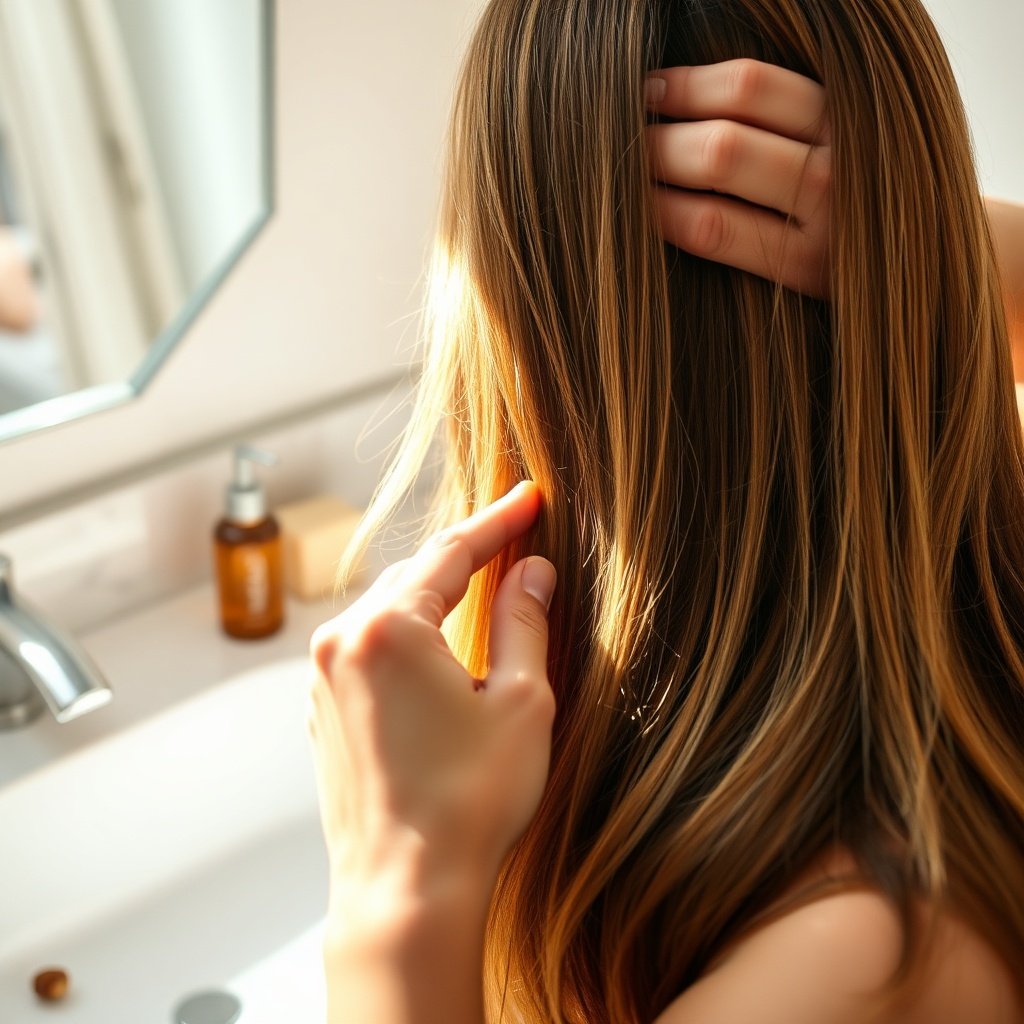
Day 26: Begin a maintenance schedule: oil application 3 times per week instead of daily. Day 27: Apply oil to ends before a workout to protect against sweat-induced dryness. Day 28: Do a final deep treatment with a slightly larger amount of oil. Day 29: Take a final progress photo in the same lighting and angle as Day 1. Day 30: Write a summary of what changed — shine, softness, breakage, and any new hair growth (which will be minimal but real).
How to Adjust the Plan for Your Hair Type
Fine hair: Reduce oil amounts by half, focus on ends only, and apply to damp hair. Thick/coarse hair: Increase oil amounts, apply to dry hair, and use overnight treatments more often. Oily scalp: Skip scalp applications entirely; only use oil on the mid-lengths and ends. Color-treated hair: Check for protein sensitivity and use argan oil as a sealant after color treatments.
Argan Oil vs. Other Oils: What Actually Delivers Results?
Different oils interact with the hair shaft based on molecular weight and fatty acid composition. This head-to-head comparison is based on cosmetic chemistry, not marketing claims.
Why Argan Oil Wins for the 30-Day Shine Goal
Argan oil’s medium molecular weight allows it to coat the cuticle without penetrating too deeply, making it ideal for a surface-level shine effect. It is lighter than olive oil and less prone to buildup than coconut oil. It also contains a higher proportion of vitamin E than most other plant oils, which directly addresses dullness from oxidative damage.
When Another Oil Is the Better Choice
If your goal is to reduce protein loss during washing, coconut oil is superior. Its low molecular weight allows it to penetrate the hair shaft and protect the protein structure. If your goal is to mimic natural scalp sebum, jojoba oil is the better option. It is technically a liquid wax, not an oil, and closely resembles the sebum your scalp produces.
Common Mistakes That Sabotage Your 30-Day Results
These are the specific errors that cause argan oil to make hair look worse, not better. Avoid them, and you will see the shine you are looking for.
Using Too Much Product
The “goldilocks” rule is simple: 2–3 drops for fine hair, 5–6 for thick hair, never more than a coin size. Excess oil creates a greasy film that attracts dirt and reduces shine. It also weighs hair down, making it look flat and lifeless.
Applying to the Roots and Scalp
Unless you have a very dry scalp, argan oil should stay on the mid-lengths and ends. Root application can clog follicles and lead to scalp buildup, which is counterproductive to a “growth” goal. Your scalp produces its own oil. Adding more can disrupt the balance.
Skipping the Clarifying Step
You must start with a clean slate. Leftover product residue prevents argan oil from properly adhering to the hair shaft. Use a gentle clarifying shampoo once a week during the 30-day plan to remove buildup.
Expecting Length Gains in 30 Days
Set realistic expectations about the growth cycle. Any length gained in 30 days is due to reduced breakage, not new growth. Hair grows about half an inch per month, on average. You will not see that new growth at the ends in 30 days.
FAQ: Argan Oil for Hair Growth
Q1: Can argan oil actually make my hair grow faster? No. Argan oil cannot stimulate hair follicles. It reduces breakage and improves scalp health, which creates the appearance of faster growth because existing strands are less likely to snap. Q2: How long does it take to see results with argan oil? You will see immediate shine after the first application. Significant improvements in softness, reduced breakage, and split end appearance take about 2–4 weeks of consistent use. Q3: Can I leave argan oil in my hair overnight? Yes, but use a small amount and focus on the ends. Apply oil to dry hair, then wrap it or use a silk pillowcase to avoid stains. Wash it out in the morning. Q4: Should I apply argan oil to wet or dry hair? Both work, but they do different things. Apply to damp hair to lock in moisture and reduce frizz. Apply to dry hair to seal the cuticle and add immediate shine. Q5: Does argan oil help with hair loss or thinning? Argan oil does not stop hair loss. It can improve the condition of the hair that remains, making it look thicker and healthier. For hair loss, consult a dermatologist.
Conclusion
Argan Oil for Hair Growth: From Dull to Shiny in 30 Days is a realistic goal if you focus on what the oil actually does. It is a powerful cosmetic tool for transforming dull hair into shiny hair, but it is not a hair-growth drug. The 30-day plan works because of consistency, correct application, and realistic expectations. Start the plan today. Take a Day 1 photo in natural light. Follow the routine for 30 days, adjusting for your hair type. Take a final photo in the same lighting and angle. The difference will be visible — in shine, softness, and reduced breakage. That is the real promise of argan oil.