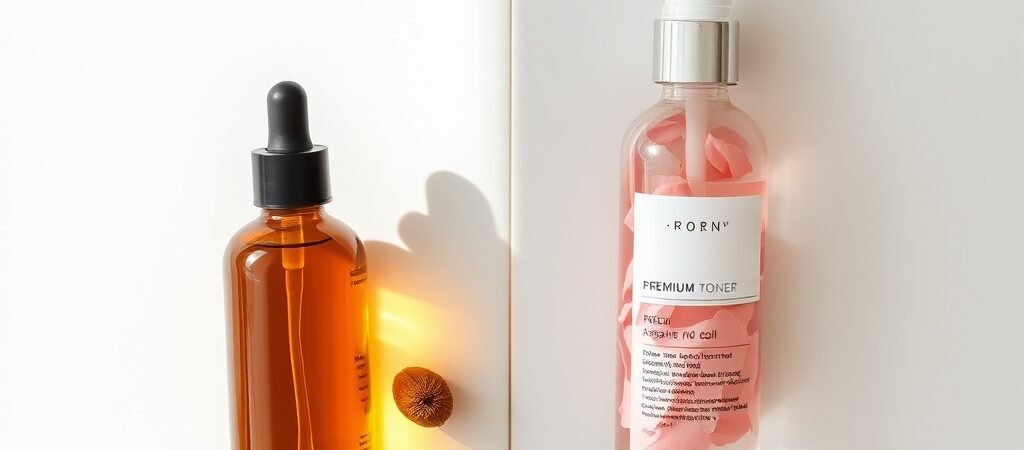
Argan oil vs rose water is a common skincare comparison, but the two products are not actually rivals. Argan oil is a rich, lipid-based moisturizer that seals moisture into the skin, while rose water is a light, water-based toner that refreshes and hydrates. The right choice depends entirely on your skin type, the climate you live in, and the specific concern you are trying to address.
Key Takeaways
- Argan oil is a lipid-based occlusive moisturizer; rose water is a water-based humectant toner.
- They serve different purposes: argan oil seals in moisture and repairs the skin barrier; rose water refreshes, tones, and balances pH.
- The best choice depends on skin type, climate, and the specific concern you are targeting.
- They can be layered together in the same routine — rose water first, then argan oil.
- Neither is universally “better”; the winner changes based on the skin condition and the format of the product.
The Complete Answer: Argan Oil vs Rose Water — What Is the Difference and Which Should You Use?
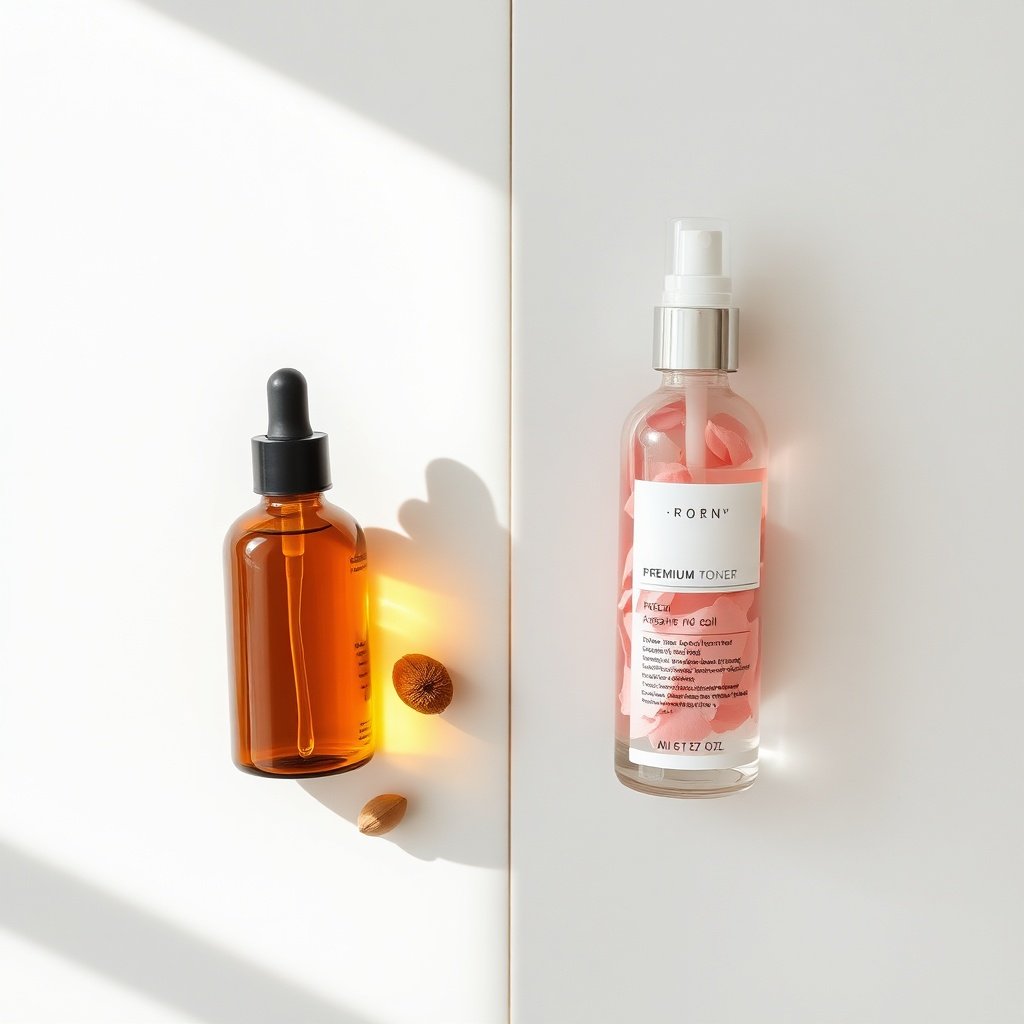
Visual breakdown of the two distinct skincare formulations highlighting their unique textures, primary functions, and ideal use cases.
The Core Difference in One Sentence
Argan oil is a plant-derived oil rich in fatty acids and vitamin E; rose water is a floral distillate made from rose petals and water.
Quick Answer: Argan oil moisturizes and seals the skin barrier, while rose water tones, refreshes, and adds light hydration. Choose argan oil for dry or damaged skin and rose water for oily or combination skin.
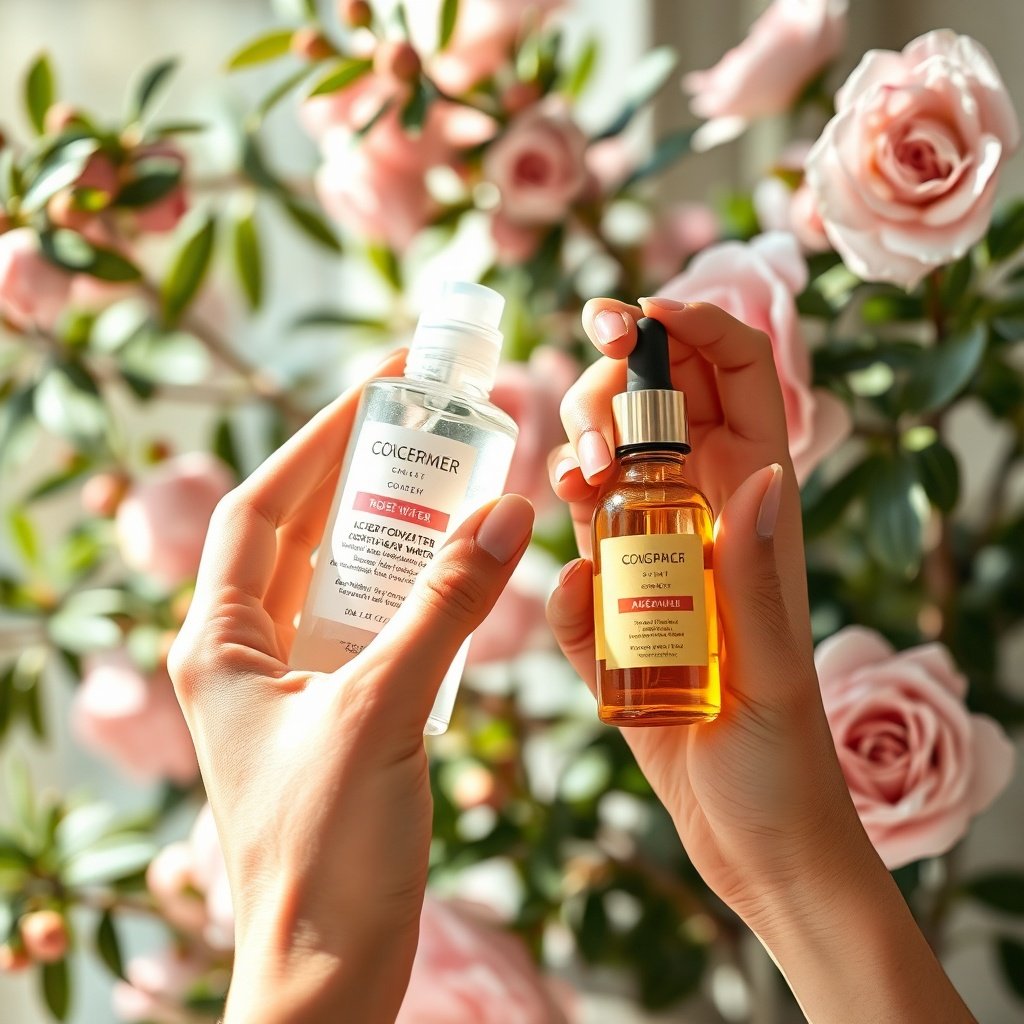
Lifestyle shot illustrating the complementary application method for maximum hydration, pH balance, and skin barrier repair.
How Each Works on the Skin
Argan oil works as an occlusive and emollient. It sits on the surface of the skin, reduces transepidermal water loss, and delivers lipid-soluble antioxidants like vitamin E. This makes it effective for skin barrier restoration and for preventing moisture from escaping overnight.
Rose water works as a humectant and a mild astringent. It attracts water into the stratum corneum and provides a refreshing, pH-balancing effect. Because it is water-based, it absorbs quickly and leaves no residue, which is why it is often used as a toner or a midday mist.
Definition: An occlusive ingredient forms a physical barrier on the skin that slows water loss. A humectant draws water from the air or from deeper skin layers into the surface.
When to Choose Argan Oil vs Rose Water
Choose argan oil for dry, flaky, mature, or barrier-compromised skin. Its recettesdumaroc.com closely resembles the skin’s natural sebum, which is why it works well for restoring a damaged moisture barrier.
Choose rose water for oily, combination, or dehydrated-but-not-dry skin. Its natural humectant benefits provide hydration without adding oil, and its astringent properties can help with sebum regulation.
Use both together for a complete hydration + sealing routine. Rose water hydrates the surface, and argan oil locks that hydration in.
Comparison Table: Argan Oil vs Rose Water
| Feature | Argan Oil | Rose Water |
|---|---|---|
| Base type | Oil-based | Water-based |
| Primary function | Moisturizing, sealing, repairing | Toning, refreshing, hydrating |
| Best for skin type | Dry, mature, sensitive, damaged | Oily, combination, normal |
| Texture | Rich, slow-absorbing | Light, fast-absorbing |
| Application order | Last step (after moisturizer) | First step (after cleansing) |
| Can be layered with other products | Yes, but can feel heavy | Yes, layers well with everything |
| Shelf life and storage | Shorter; keep away from heat and light | Longer; stable at room temperature |
Skin Type & Texture Match: Which One Works for Your Specific Face?
Dry Skin: Why Argan Oil Wins
Argan oil’s fatty acids mimic the skin’s natural sebum and restore the lipid barrier. For dry skin, this is the key advantage — it prevents moisture from escaping and reduces flaking.
Rose water alone cannot prevent moisture loss. It needs an occlusive layer on top, or the water it delivers will simply evaporate and leave the skin feeling tighter.
Oily & Acne-Prone Skin: Why Rose Water Is Safer
Rose water is generally non-comedogenic and has astringent properties that may help tighten pores. It adds hydration without the heaviness of an oil, and its pH balancing toner effects make it a good first step after cleansing.
Argan oil can be too heavy for oily skin unless used in a very small amount or in a lightweight formulation. If you have acne-prone skin, patch testing a tiny drop on your cheek is the safest way to see how your skin responds.
Combination Skin: How to Use Both Without Overwhelming
Apply rose water to the T-zone and argan oil to the cheeks. This targeted approach gives each area what it needs without overloading the oily parts.
Alternatively, use a rose water mist before applying a light argan oil serum. The mist provides a hydrating base, and the serum seals it in on the drier areas only.
Formulation, Purity & Format: The Hidden Differences That Matter
Pure vs. Blended Products
Pure argan oil is extracted from the kernels of the argan tree, while rose water is a distillate of rose petals. Blended products may contain additives, preservatives, or beniouaraincarpets.com so always check the ingredient list before buying.
Quick Answer: The most important factor in the argan oil vs rose water decision is product purity. A pure, cold-pressed argan oil and a true rose distillate will perform very differently from a diluted or fragrance-heavy version.
How to Spot Authentic Rose Water vs. Synthetic Fragrance Water
Look for “rosa damascena flower water” as the first ingredient. This botanical name indicates a genuine distillate rather than water with rose fragrance added.
Avoid products with “fragrance” or “parfum” listed before the rose water. If fragrance appears near the top of the list, you are likely buying scented water rather than a true floral distillate.
How to Spot Authentic Argan Oil vs. Cosmetic-Grade Oil
Cold-pressed, unrefined argan oil has a nutty, earthy smell and a golden color. These sensory characteristics are a sign that the oil has not been heavily processed.
Refined argan oil is odorless and less potent. It may be better for sensitive skin because it is less likely to irritate, but it is less effective for barrier repair and skin restoration.
How to Use Argan Oil and Rose Water in a Step-by-Step Routine
Step-by-Step: The Correct Order for Layering
- Cleanse your face with a gentle, pH-balanced cleanser.
- Spritz or pat rose water onto damp skin as your first hydrating layer.
- Wait 30–60 seconds for the rose water to partially absorb.
- Apply a small amount of argan oil (2–3 drops) to your face, pressing it in gently.
- Follow with sunscreen in the morning or a night cream if needed.
- For oily skin, skip the argan oil on the T-zone or use a lighter oil-free moisturizer instead.
When to Use Each Alone
Rose water alone works well after cleansing, as a midday refresh, or as a makeup-setting mist. It is also a good first layer before a serum.
Argan oil alone works as a night treatment, on dry patches, or as a hair and beard oil. Because it is occlusive, it is best applied as the final step of your routine.
Common Mistakes to Avoid
Applying argan oil to dry skin without a hydrating base is a common mistake. The oil will not hydrate on its own — it only seals in what is already there.
Using rose water as a moisturizer on very dry skin is another issue. It can evaporate and worsen dryness if no occlusive layer follows.
Layering argan oil under a water-based serum will block the serum from absorbing. Always apply water-based products first and oil-based products last.
Cost, Shelf Life & Sustainability: Practical Considerations
Price and Value for Money
Argan oil is generally more expensive per ounce because of the labor-intensive extraction process. Rose water is typically cheaper and easier to produce in large quantities, making it a more budget-friendly option for daily toning.
Shelf Life and Storage
Argan oil oxidizes faster than rose water, so store it in a dark glass bottle away from heat and light. Rose water can last longer if kept in a cool, dark place, though both will eventually degrade.
Sustainability and Sourcing
Argan oil is tied to a specific ecosystem in Morocco. Look for fair-trade or cooperative-sourced brands to ensure the harvest supports local communities and the argan tree population.
Rose water sourcing can vary widely depending on the rose variety and distillation method. Some distilleries use traditional steam distillation, while others use solvent extraction, which can affect both purity and environmental impact.
FAQ
Can I use argan oil and rose water together in the same routine?
Yes. Apply rose water first, then follow with argan oil. This creates a hydration-plus-seal effect that works well for dry or normal skin.
Is rose water better than argan oil for acne-prone skin?
Rose water is generally lighter and less likely to clog pores, making it a safer choice for oily, acne-prone skin. Argan oil can be used in small amounts, but it may feel too heavy for some.
Which one is better for anti-aging?
Argan oil is better for anti-aging because it contains vitamin E and fatty acids that support the skin barrier and reduce moisture loss. Rose water offers antioxidant benefits but is not a substitute for a lipid-based anti-aging treatment.
Can I use rose water as a substitute for a moisturizer?
No. Rose water is a hydrating toner, not an occlusive moisturizer. On dry skin, it can evaporate and leave the skin feeling tighter unless followed by a moisturizer or oil.
How often should I use argan oil and rose water?
Both can be used twice daily. Rose water can be used multiple times a day as a refreshing mist. Argan oil is best used once or twice daily depending on your skin’s needs.
Conclusion
The argan oil vs rose water comparison is not about finding a single winner. Argan oil is the better choice for repair and sealing, while rose water excels at toning and kenzadi.ma. The two are complementary rather than competing.
Test both in isolation and in combination to find your ideal routine. Start with rose water as your hydrating base, then add argan oil on the areas that need extra moisture. Your skin will tell you which balance works best.