The skincare aisle is crowded with single-ingredient products, yet few pairs create as much confusion as argan oil vs rose water. One is a thick, nut-derived oil cold-pressed from Moroccan argan kernels; the other is a fragrant floral distillate steamed from rose petals. Both claim to hydrate, soothe, and glow up your complexion — but they operate through fundamentally different mechanisms. Argan oil is a lipid-based occlusive that seals moisture into the skin, while rose water is a water-based hydrosol that adds surface hydration, balances pH, and calms irritation. This guide breaks down the chemistry, the skin-type fit, the layering order, and the cost realities of each, so you can stop guessing and start choosing with confidence. Expect a definitive verdict, a side-by-side comparison table, a step-by-step layering protocol, and practical buying advice backed by specific data — not marketing fluff.
Key Takeaways
- Argan oil is an occlusive emollient that seals moisture in, while rose water is a hydrating toner that adds a thin layer of water-based moisture — they are complementary, not interchangeable.
- Argan oil has a comedogenic rating of 0, making it safe for most acne-prone skin, while rose water’s mild astringent tannins help tighten pores and control surface oil.
- Rose water sits at a skin-friendly pH of roughly 4.5–5.5, helping restore barrier balance, whereas argan oil’s pH is irrelevant because oils do not affect water-based pH levels.
- For dehydrated, mature, or dry skin, argan oil delivers superior barrier repair; for oily, sensitive, or irritated skin, rose water offers faster calming with zero greasy residue.
- You can layer both: rose water first as a toner, then argan oil as a sealant — the correct order is water-based before oil-based.
The Complete Answer: Argan Oil vs Rose Water — What Is the Difference?
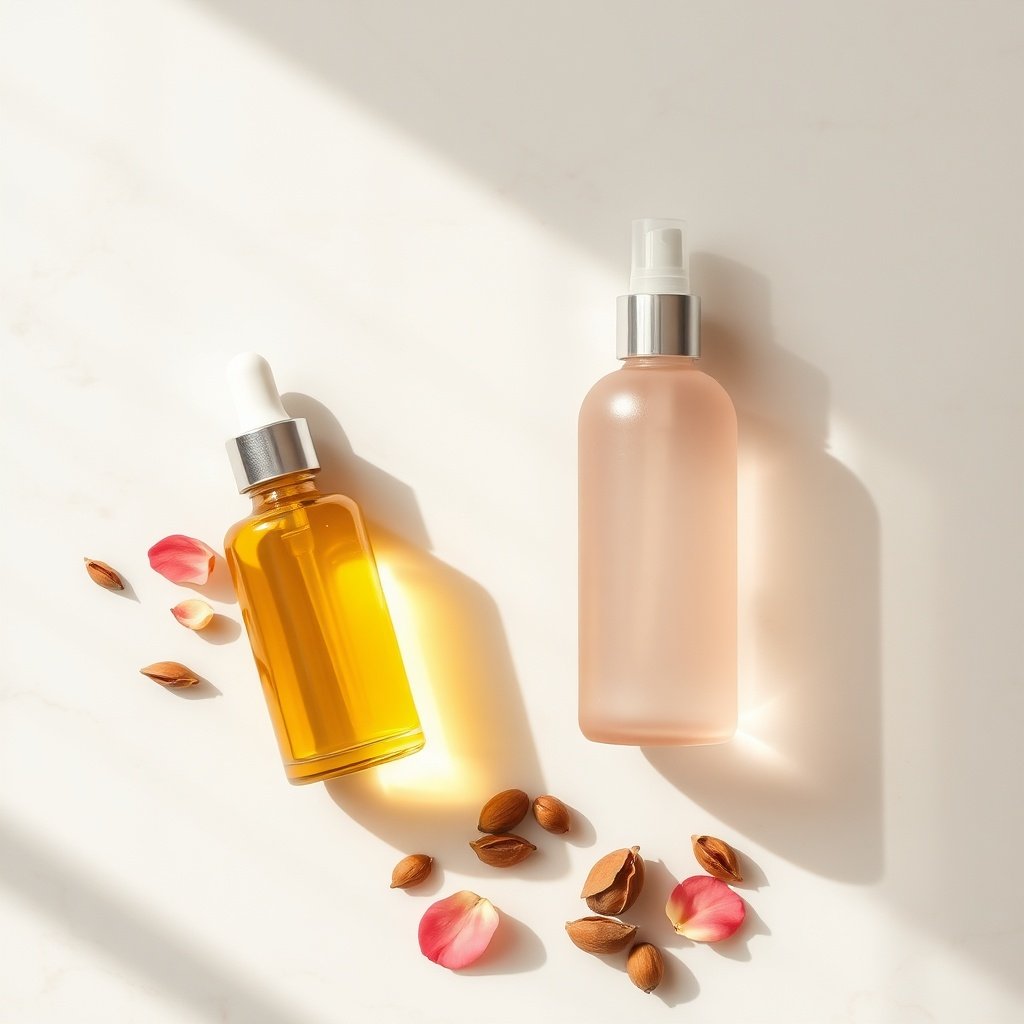
A flat lay image showing argan oil and rose water bottles together, highlighting their distinct textures and natural origins.
Argan oil is a cold-pressed plant oil extracted from the kernels of the Moroccan argan tree, composed of roughly 42–48% oleic acid and 32–38% linoleic acid, plus tocopherols (vitamin E) at about 62 mg per 100 g. Rose water is a hydrosol — the steam-distilled byproduct of rose petals — containing trace volatile compounds like citronellol, geraniol, and phenylethanol, suspended in water at a pH of 4.5–5.5. In short: argan oil is a lipid-based occlusive that prevents transepidermal water loss, while rose water is a water-based humectant and astringent that adds surface hydration and calms irritation. They are not competitors; they are a two-step system.
Quick Answer: Argan oil and rose water solve different problems. Argan oil is a lipid-rich occlusive that seals existing moisture into the skin and repairs the barrier, ideal for dry and mature complexions. Rose water is a water-based toner that hydrates the surface, tightens pores, and calms redness, ideal for oily and sensitive skin. Use them together for complete hydration.
What Argan Oil Actually Is
Argan oil comes from the fruit kernel of Argania spinosa, a tree native to southwestern Morocco, where trusted retailers like kenzadi.ma source authentic products. The kernels are cold-pressed without heat or solvents, preserving the oil’s fragile antioxidants. Its fatty acid profile — high in linoleic acid relative to oleic acid — makes it lighter than many nut oils, so it repairs the barrier without leaving a heavy, suffocating film. This is why it outperforms heavier oils like castor or avocado for daily facial use.
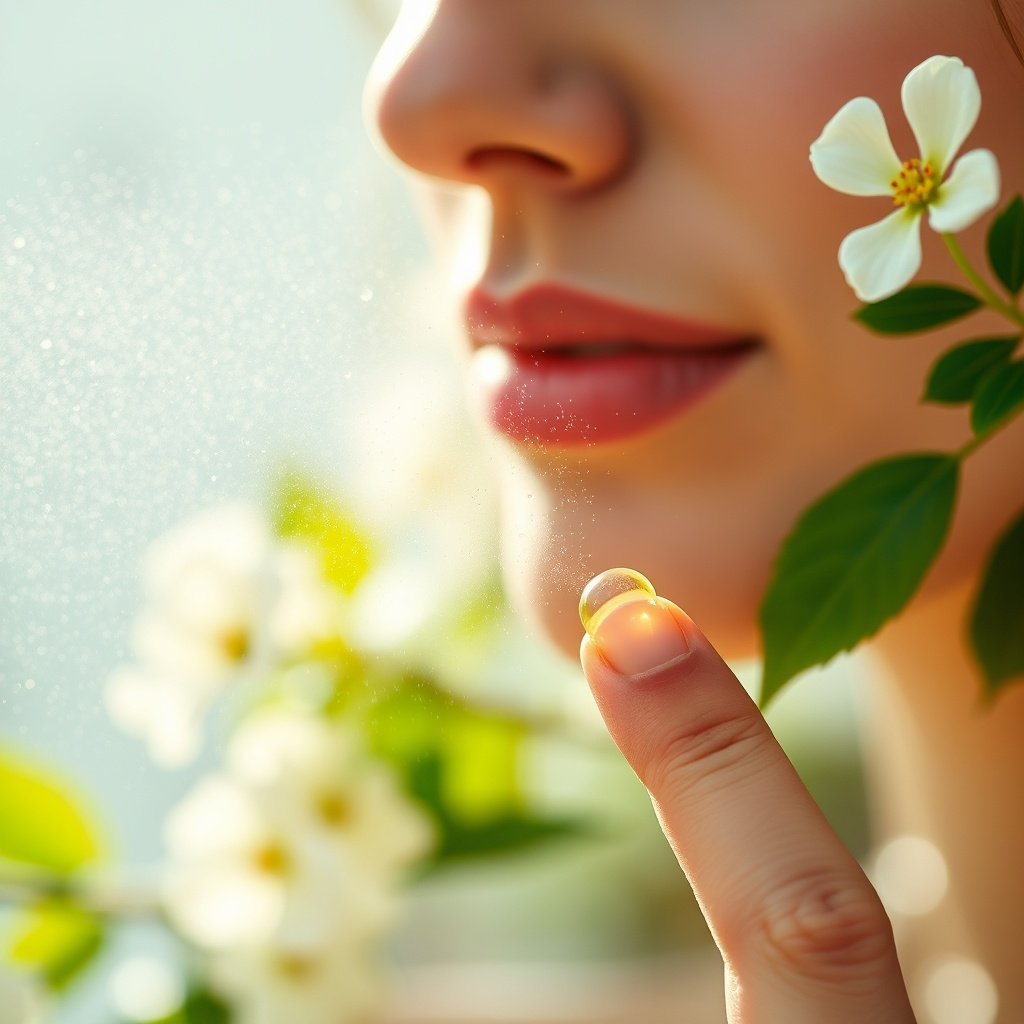
A macro image showing the correct layering order: rose water mist first, then argan oil, with a dewy, fresh finish.
What Rose Water Actually Is
Rose water is produced by steam-distilling Rosa damascena petals, a process that captures the plant’s volatile aromatic compounds in the condensed water, much like the traditional crafts featured on beniouaraincarpets.com. The resulting hydrosol contains only 0.01–0.05% essential oil, which is precisely why it is gentle enough for daily toning on reactive skin. Unlike essential oils, which can irritate at full strength, rose water delivers trace anti-inflammatory compounds in a form your skin can tolerate without dilution.
The 60-Second Verdict
Use argan oil if your skin feels tight, flaky, or prematurely aged. Use rose water if your skin feels oily, inflamed, or reactive. Use both if you want complete hydration coverage — and the table below shows exactly where each one wins.
| Comparison Factor | Argan Oil | Rose Water | |—|—|—| | Base | Lipid (oil) | Water (hydrosol) | | Primary function | Occlusive sealant | Humectant + astringent | | pH | N/A (oil) | 4.5–5.5 | | Comedogenic rating | 0 | 0 | | Key actives | Oleic acid, linoleic acid, tocopherols | Citronellol, geraniol, phenylethanol | | Best for | Dry, mature, dehydrated skin | Oily, sensitive, irritated skin | | Shelf life (opened) | 12–24 months | 6–12 months | | Typical price per 100 ml | $10–$30 | $4–$12 |
Hydration and Skin Barrier: Two Different Mechanisms
Hydration is not a single process. Argan oil works by depositing fatty acids into the intercellular lipid matrix of the stratum corneum, physically plugging gaps where water escapes — a 2014 study in the Journal of Cosmetic Dermatology found that topical argan oil significantly improved skin elasticity and hydration after 60 days of use. Rose water, by contrast, delivers free water molecules to the upper epidermis and relies on its mild sugar and mineral content to attract moisture. One seals; the other supplies. Understanding this distinction prevents the common mistake of applying oil to dehydrated skin that has no water to seal in.
Quick Answer: Argan oil is an occlusive that prevents water loss by filling gaps in the lipid barrier; rose water is a humectant that pulls moisture into the upper skin layers. If your skin is dehydrated, rose water adds the water and argan oil locks it in. Applied alone, oil on parched skin has nothing to seal — hence the need for both.
How Argan Oil Locks in Moisture
Definition: Occlusive — an ingredient that forms a physical barrier on the skin surface, slowing transepidermal water loss and keeping moisture trapped within the epidermis.
Argan oil’s occlusive power comes from its phytosterols — schottenol and spinasterol — which mimic the skin’s natural lipids and integrate into the barrier. Combined with squalene, these compounds restore the lipid matrix faster than lighter oils like jojoba, which primarily soften rather than rebuild. For severe dryness, argan oil is the stronger repair agent.
How Rose Water Attracts and Balances
Rose water’s humectant action is driven by trace polysaccharides and minerals that draw water molecules toward the stratum corneum. Its immediate cooling effect comes from evaporation, which also reduces surface redness within minutes. But because it lacks lipids, rose water is a pre-moisturizer step, not a standalone hydrator — use it before a moisturizer or oil.
Why pH Matters for Your Barrier
Definition: Acid mantle — the thin, slightly acidic film on the skin surface (pH 4.5–5.5) that protects against bacteria, irritants, and moisture loss.
A disrupted acid mantle — pH above 5.5 — triggers inflammation and breakouts. Rose water’s 4.5–5.5 pH helps restore this balance after cleansing with alkaline soaps. Oils bypass pH concerns entirely because they do not dissolve in water, so argan oil neither raises nor lowers your skin’s pH.
Acne, Oiliness, and Pore Health: Choosing by Skin Type
The myth that oils worsen acne keeps many people from trying argan oil — but its comedogenic rating is 0, meaning it does not clog pores. In fact, a 2015 clinical study published in Clinical Interventions in Aging demonstrated that argan oil’s high linoleic acid content helps normalize sebum production, reducing the formation of comedones over a 4-week period. Rose water, meanwhile, contains natural astringent tannins that temporarily tighten pores and reduce surface oil shine, though its effect is cosmetic rather than regulatory. For oily skin, rose water offers immediate mattifying relief; for acne-prone skin, argan oil addresses the root cause of excess sebum.
Quick Answer: Neither argan oil nor rose water clogs pores — both have a comedogenic rating of 0. Argan oil regulates sebum production from within thanks to linoleic acid, making it a long-term acne fighter. Rose water offers immediate but temporary pore-tightening and oil control, lasting only 2–4 hours per application.
Comedogenic Ratings and Sebum Regulation
Definition: Comedogenic rating — a 0-to-5 scale measuring how likely an ingredient is to clog pores; 0 means non-comedogenic, 5 means highly pore-clogging.
Argan oil sits at 0, alongside rose water. The sebum-regulating mechanism is biochemical: linoleic acid competes with oleic acid for the receptors that control sebum production, reducing the “sticky” quality of sebum that traps dead cells and forms blackheads. This is why argan oil is one of the few oils recommended for acne-prone skin.
Rose Water’s Astringent Properties
Tannins in rose water cause mild protein precipitation on the skin surface, which temporarily tightens pores and reduces the appearance of large pores. The effect is real but short-lived — expect 2–4 hours of visible refinement. It is a cosmetic fix, not a structural one, so combine it with argan oil for lasting sebum control.
Which Skin Types Should Avoid Which
Avoid argan oil if you have active fungal acne — Malassezia yeast feeds on oleic acid, which makes up nearly half of argan oil’s composition. Avoid rose water if you have severe dryness, as its astringent action can exacerbate flaking and leave skin feeling tighter. Know your condition before you choose.
Anti-Aging and Repair: Comparing Active Compounds
Argan oil is a powerhouse of lipophilic antioxidants: tocopherols at ~62 mg per 100 g (primarily alpha-tocopherol), plus ferulic acid and polyphenols that neutralize free radicals in the lipid layer. Rose water’s antioxidant capacity comes from water-soluble polyphenols — mainly gallic acid and catechin — which protect against UV-induced oxidative stress but at far lower concentrations than argan oil, much like the natural remedies on recettesdumaroc.com. For visible anti-aging results — reduced fine lines, improved elasticity, and firmness — argan oil has the stronger evidence base. Rose water contributes antioxidant protection and reduces the redness that makes wrinkles appear deeper.
Quick Answer: Argan oil is the stronger anti-aging ingredient, with vitamin E at 62 mg per 100 g plus plant sterols that inhibit collagen breakdown. Rose water offers water-soluble polyphenols that fight oxidative stress but at much lower concentrations. For visible firmness and elasticity gains, argan oil wins; for calming redness that exaggerates wrinkles, rose water helps.
Tocopherols, Sterols, and Polyphenols in Argan Oil
Alpha-tocopherol (vitamin E) is the primary antioxidant in argan oil, protecting cell membranes from lipid peroxidation. The plant sterols schottenol and spinasterol go further — they inhibit the enzymes that break down collagen and elastin, the structural proteins that keep skin firm. This synergistic combination is why argan oil is a staple in anti-aging formulations.
Rose Water’s Volatile Compounds and Calming Effects
Citronellol and geraniol in rose water act as anti-inflammatory agents, reducing the cortisol-driven collagen degradation linked to chronic stress. By calming the skin’s inflammatory response, rose water indirectly slows the aging process — less inflammation means less collagen breakdown over time.
What the Research Shows
The 2014 Journal of Cosmetic Dermatology study documented significant improvements in skin hydration and elasticity after 60 days of topical argan oil use. No comparable peer-reviewed study exists for rose water’s anti-aging efficacy — an honest evidence gap. If you want research-backed anti-aging, argan oil is the defensible choice.
How to Layer Argan Oil and Rose Water: A Step-by-Step Protocol
The golden rule of layering is thin-to-thick: water-based products first, oil-based products last. Rose water is a water-based toner; argan oil is a lipid-based treatment. Applied in the correct order, rose water delivers moisture to the upper epidermis, and argan oil seals it in. Applied in reverse, the oil forms a barrier that prevents rose water from penetrating — wasting both products. Here is the exact protocol:
- Cleanse your face with a gentle water-based cleanser and pat dry with a clean towel.
- Spray or apply rose water to your face with a cotton pad or as a fine mist, covering the entire surface.
- Wait 30 seconds for the rose water to absorb — do not apply oil while the skin is visibly wet.
- Warm 2–3 drops of argan oil between your palms and press it into your face using gentle upward motions.
- Wait 2 minutes, then apply a moisturizer or sunscreen if desired — the oil should feel absorbed, not greasy.
Quick Answer: Apply rose water first, wait 30 seconds, then press 2–3 drops of argan oil into the skin. This water-then-oil order ensures the rose water’s hydration is sealed in by the argan oil’s occlusive barrier. In the morning, use 1 drop of oil under sunscreen; at night, use 3–4 drops for overnight repair.
Morning vs. Evening Adjustments
In the morning, use 1 drop of argan oil under sunscreen to avoid a greasy base; in the evening, use 3–4 drops for overnight repair. Rose water can be used liberally both times, but skip it before makeup if you want to minimize excess moisture on the surface.
How to Use Them Separately
For oily skin, use only rose water in the morning and argan oil at night — this gives you oil control during the day and sebum regulation while you sleep. For dry skin, layer both morning and evening, with a richer moisturizer on top at night if needed.
Cost, Shelf Life, and Sourcing: The Practical Buying Guide
Price and purity vary wildly, and for a curated selection of authentic Moroccan goods, check out Top 7 Moroccan Souvenirs To Buy At Fez Airport (Shop Guide) products. Authentic cold-pressed argan oil typically costs $10–$30 per 100 ml, while industrial hexane-extracted versions can drop below $5 — but they lack the tocopherol content and may contain solvent residues. Rose water ranges from $4–$12 per 100 ml depending on whether it is steam-distilled from Rosa damascena or a cheap synthetic fragrance dilution. Shelf life is another differentiator: unopened argan oil lasts up to 24 months, but once opened, exposure to oxygen and light degrades its tocopherols within 12 months. Rose water, being water-based, oxidizes faster — expect 6–12 months, and refrigerate it to extend freshness.
Quick Answer: Expect to pay $10–$30 per 100 ml for authentic argan oil and $4–$12 per 100 ml for quality rose water. Store argan oil in dark glass away from heat; refrigerate rose water after opening. If your argan oil smells strongly nutty or your rose water has added alcohol, you bought a fake.
Price Comparison Per Ounce
Argan oil at $10–$30 per 100 ml translates to $3–$9 per fluid ounce; rose water at $4–$12 per 100 ml translates to $1.20–$3.60 per fluid ounce. Per-use cost matters more: a 2–3 drop serving of argan oil costs roughly $0.10–$0.20, while a single rose water spritz costs about $0.05. Both are affordable additions to a natural skincare routine.
Shelf Life and Storage
Argan oil should be stored in dark glass away from heat and direct sunlight — oxidation is its enemy. Rose water should be refrigerated after opening and replaced immediately if it develops a sour or fermented odor, which signals bacterial growth.
How to Spot Fake Products
Red flags: argan oil that smells nutty (real argan oil has a mild, almost neutral scent), rose water with added alcohol or synthetic fragrance, and labels lacking the botanical name Argania spinosa or Rosa damascena. Check the ingredient list — authentic rose water should have one ingredient only.
FAQ### Can I use argan oil and rose water together?
Yes. Apply rose water first as a toner, wait 30 seconds, then layer argan oil on top. The rose water hydrates, and the argan oil seals in that moisture. This is the correct water-then-oil order for maximum absorption.
Is rose water enough for dry skin?
No. Rose water provides surface hydration but lacks the lipids needed to repair a compromised barrier. Dry skin should combine rose water with argan oil or a richer moisturizer to prevent transepidermal water loss.
How often should I use argan oil on my face?
Once daily is sufficient for most skin types; twice daily (morning and night) is safe for severely dry skin. Start with 2–3 drops and adjust based on absorption rate — if your skin still feels tight after 10 minutes, increase to 4 drops.
Does rose water clog pores?
No. Rose water has a comedogenic rating of 0, and its astringent tannins can actually help keep pores clear by tightening them temporarily. It is safe for acne-prone skin.
Which is better for sensitive skin: argan oil or rose water?
Rose water is gentler for immediate calming, but argan oil is better for long-term barrier repair. Start with rose water to test tolerance, then introduce argan oil gradually — one drop every other night — to see how your skin responds.
Conclusion
Argan oil and rose water are not rivals; they are complementary tools in a complete skincare routine. Argan oil repairs the lipid barrier, regulates sebum, and delivers proven anti-aging compounds, while rose water hydrates, balances pH, and calms irritation. Your skin type determines priority: oily and reactive skin benefits most from rose water first, while dry and mature skin needs argan oil as the foundation. For the best results, use both in the correct order — rose water as the base, argan oil as the seal. The argan oil vs rose water debate ends when you recognize that each fills a gap the other cannot. Start with the step-by-step protocol above, monitor your skin for two weeks, and adjust the ratio to your unique needs. Your skin will tell you what it wants — listen, and adjust accordingly.