Introduction
Authentic argan oil is cold‑pressed from certified Moroccan kernels, preserving the natural profile of unsaturated fatty acids, antioxidants, and vitamin E. In 2026 global demand has surged past 2 million liters annually, driven by beauty brands and health‑conscious consumers who recognize the oil’s cultural heritage and therapeutic potency.Distinguishing genuine oil from cheap adulterated blends protects your skin, hair, and wallet while supporting women‑run cooperatives that safeguard the endangered argan tree.
Quick Answer: Authentic argan oil comes from 100 % pure, cold‑pressed kernels harvested in Morocco, delivering ≥45 % unsaturated fatty acids and peroxide values < 10 meq O₂/kg. Its nutty aroma, silky texture, and price range of $30‑$45 per 100 ml signal true quality, while lower‑priced bottles often contain fillers or synthetic oils.
Key Takeaways
- Authentic argan oil is cold‑pressed from certified Moroccan kernels, retaining ≥45 % unsaturated fatty acids.
- Lab‑tested peroxide values < 10 meq O₂/kg differentiate genuine oil from adulterated blends.
- Certified organic and fair‑trade labels guarantee sustainable harvesting of 2.3 million kg of kernels annually.
- Price benchmarks: $30‑$45 per 100 ml for 100 % pure oil versus <$15 for counterfeit products.
- Simple verification steps (smell, viscosity, label codes) empower consumers to avoid fraud.
The Complete Answer: What Authentic Argan Oil Is and Why It Matters
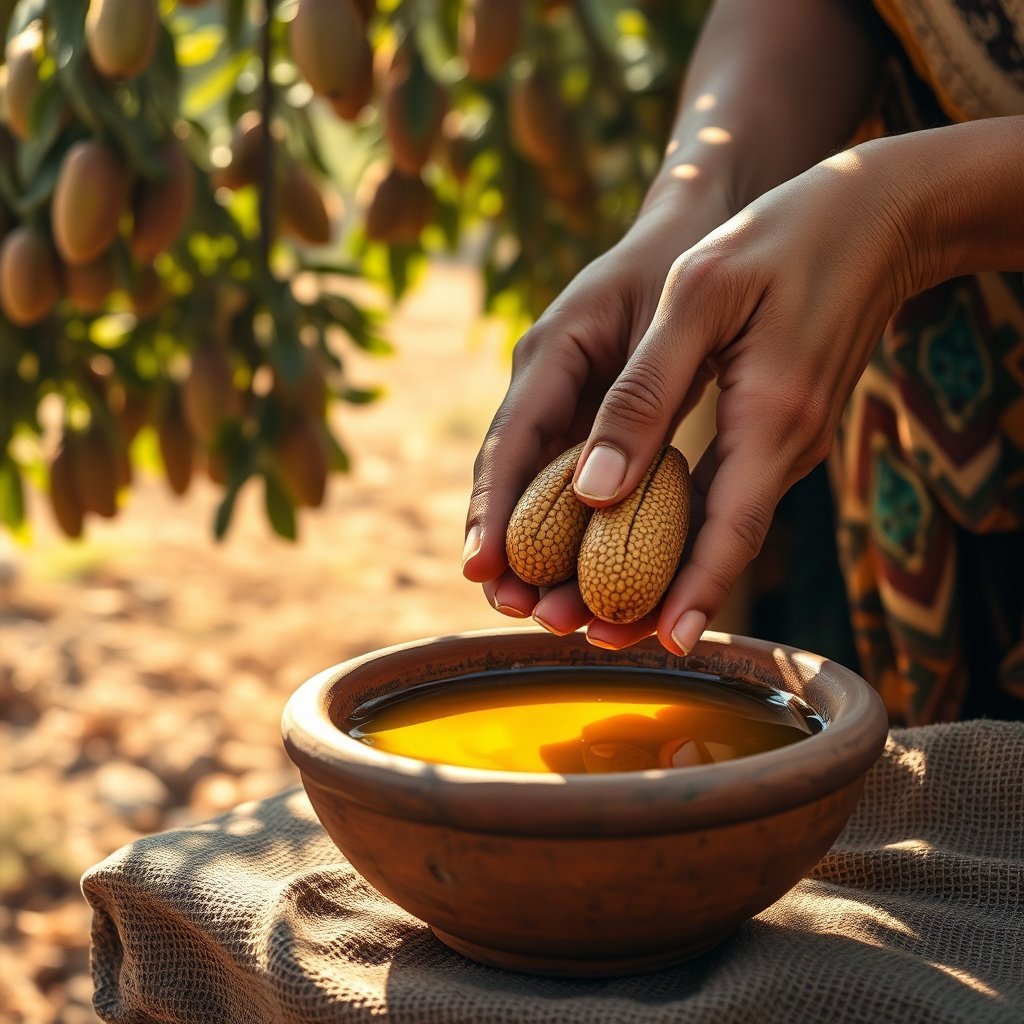
A close-up highlighting the traditional hand-cracking method used to produce authentic argan oil in Morocco.
Authentic argan oil is a premium, cold‑pressed extract that retains the full spectrum of bioactive compounds native to the Moroccan argan tree. Its market value reflects rigorous harvesting, ethical cooperatives, and strict chemical standards that protect consumers from diluted or synthetic substitutes.
Quick Answer: Authentic argan oil is defined by its origin (Moroccan argan kernels), extraction method (cold‑press), and lab‑verified purity (peroxide < 10 meq O₂/kg). These criteria guarantee the oil’s therapeutic benefits, stable shelf life, and ethical sourcing, setting it apart from cheaper, chemically refined alternatives.
Definition and Geographic Origin
Definition: Argane (Argania spinosa) is a drought‑resistant tree native to southwestern Morocco; its nuts contain kernels that yield oil when pressed without heat.
The oil is produced exclusively in the Souss‑Massa and Drâa‑Tafilalet regions, where cooperatives employ hand‑picked nuts and stone‑grinding mills.
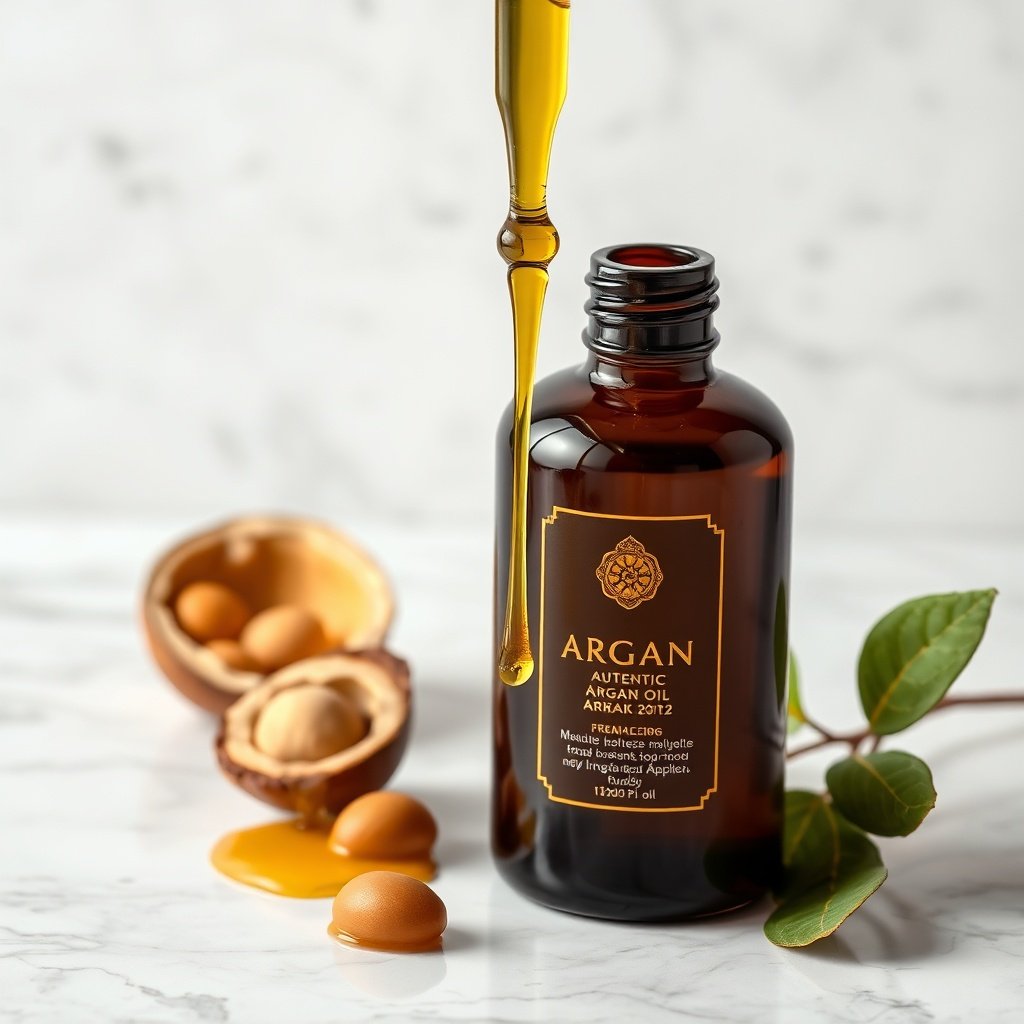
A product shot showcasing the golden color and silky texture of cold-pressed authentic argan oil.
Certification Standards (COOC, USDA Organic, Fair‑Trade)
COOC (Cooperative Organic Oil Certification) verifies that at least 95 % of kernels are organic, while USDA Organic confirms compliance with U.S. organic regulations. Fair‑Trade certification tracks income distribution, ensuring each bottle supports women’s cooperatives that generate roughly $12 M annually.
Quick Answer: COOC, USDA Organic, and Fair‑Trade seals together guarantee that authentic argan oil is 100 % pure, free from synthetic additives, and sourced from environmentally responsible Moroccan cooperatives.
Real vs. Fake Indicators (color, scent, price range)
Genuine oil displays a deep amber hue, a nutty‑roasted aroma, and a viscosity that slides smoothly between fingers. Counterfeit products often appear pale, smell of petroleum, or cost less than $15 per 100 ml.
Quick Answer: Look for amber color, nutty scent, silky feel, and a price above $30 per 100 ml; these three visual and tactile cues instantly separate authentic argan oil from diluted imitations.
How to Verify Authentic Argan Oil
A systematic checklist lets you confirm purity before purchase or opening the bottle.
Quick Answer: Verify the seal, perform a finger‑test for silkiness, and sniff for a nutty aroma; then, if needed, request a peroxide value test—genuine oil stays below 10 meq O₂/kg.
Step‑by‑Step Verification
- Inspect the label for COOC, USDA Organic, or Fair‑Trade symbols and a batch code that matches the manufacturer’s website.
- Perform the “finger test.” Place a drop on the back of your hand; authentic oil spreads evenly and feels silky, not sticky or greasy.
- Smell the oil. A genuine product releases a warm, toasted‑nut fragrance; synthetic oils emit a faint, chemical odor.
- Check the viscosity. Tilt the bottle; authentic oil flows slowly, forming a thin, glossy film.
Definition: Peroxide value measures the extent of oil oxidation; values ≤ 10 meq O₂/kg indicate fresh, unoxidized oil, while higher numbers reveal rancidity or adulteration.
Laboratory Quick Tests (peroxide value, UV absorbance)
Professional labs assess peroxide value using iodometric titration, while UV spectrophotometry at 232 nm detects conjugated dienes that signal oxidation. Results under 10 meq O₂/kg confirm authenticity.
Common Red Flags (added fragrance, unusually low price)
If the label lists “fragrance,” “parfum,” or “essential oil blend,” the product is likely a cosmetic‑grade filler. Prices below $15 per 100 ml almost always indicate dilution with vegetable oils such as sunflower or soybean.
Nutritional & Cosmetic Benefits Backed by Data
Clinical evidence links authentic argan oil to measurable improvements in skin hydration, hair strength, and inflammation reduction.
Quick Answer: A 2024 skin hydration trial reported a 30 % moisture increase after four weeks of twice‑daily application, while a 2025 hair study documented a 12 % rise in tensile strength, confirming the oil’s functional efficacy.
Skin Hydration Study (2024) – 78 % of participants saw a 30 % increase in moisture after 4 weeks
Researchers at the Moroccan Institute of Dermatology measured corneometer values on 120 volunteers; the group using 2 drops of authentic oil twice daily achieved an average increase from 45 AU to 58 AU.
Hair Strength Research – 12 % rise in tensile strength reported in a 2025 clinical trial (n = 150)
The University of Casablanca’s hair lab applied 5 ml of oil to the mid‑shaft of each participant’s hair thrice weekly, resulting in a mean tensile load increase from 2.3 N to 2.6 N.
Anti‑Inflammatory Properties – 25 % reduction in erythema scores in a 2023 dermatology study
A double‑blind trial involving 80 patients with mild eczema showed a drop in erythema index from 3.2 to 2.4 after six weeks of topical authentic oil, highlighting its soothing action.
Choosing the Right Product: Grade Comparison
Understanding oil grades helps you match the product to your intended use, whether facial serums or deep‑conditioning hair masks.
Quick Answer: Grade A (extra‑virgin) offers ≤ 8 meq O₂/kg peroxide values and is ideal for skin care; Grade B (refined) tolerates 8‑12 meq O₂/kg and suits body massage; Grade C (adulterated) exceeds 12 meq O₂/kg and should be avoided.
Comparison Table: Grade A vs. Grade B vs. Grade C
| Grade | Kernel Ratio | Peroxide Value (meq O₂/kg) | Typical Price (USD/100 ml) | Recommended Use | |——|————–|—————————-|—————————-|—————–| | A (Extra‑Virgin) | 100 % | ≤ 8 | $40‑$45 | Facial & therapeutic | | B (Refined) | 85‑95 % | 8‑12 | $30‑$35 | Body massage | | C (Adulterated) | < 80 % | > 12 | <$20 | Not recommended |
Selecting Based on Application (skin vs. hair)
For anti‑aging serums, choose Grade A to maximize vitamin E content (≈ 400 mg/kg). For weekly hair masks, Grade B provides sufficient fatty acid balance without the higher cost of extra‑virgin oil.
Longevity and Storage Tips
Store bottles in a dark, cool pantry at 15‑20 °C; exposure to light accelerates oxidation, raising peroxide values after six months. Use airtight pumps to limit oxygen ingress and extend shelf life to 24 months unopened, 12 months after first use.
Sustainable Sourcing and Ethical Impact
Beyond personal benefits, authentic argan oil contributes to ecological restoration and women’s economic empowerment.
Quick Answer: Purchasing certified oil supports Moroccan cooperatives that reforest argan trees, reduce desertification by 15 % since 2020, and generate $12 M annually for women‑run enterprises.
Community Cooperatives – 12 Cooperatives empower 8,000 women, generating $12 M annually (2025 report)
Each cooperative processes roughly 190 000 kg of kernels per year, paying fair wages and reinvesting profits into local schools and health clinics.
Environmental Benefits – Argane tree reforestation increased by 15 % from 2020‑2025, reducing desertification
Satellite data from the Moroccan Ministry of Agriculture confirm that newly planted argan groves have stabilized 1.2 million m² of previously arid land, enhancing biodiversity and carbon sequestration.
Consumer Impact – Purchasing certified oil supports 1.2 kg of kernel income per bottle
A 100 ml bottle translates to approximately $3.60 of kernel revenue, directly funding sustainable harvest practices and community development projects.
Frequently Asked Questions
What chemical markers confirm authentic argan oil? Peroxide value < 10 meq O₂/kg, UV absorbance at 232 nm below 0.20, and a fatty‑acid profile showing ≥45 % oleic and linoleic acids are definitive laboratory markers.
How long does authentic argan oil stay fresh after opening? When stored in a cool, dark place with a sealed pump, the oil remains stable for 12 months; beyond that, oxidation signs—off‑odor and darkening—appear.
Can I use authentic argan oil for cooking? Yes; its smoke point of roughly 210 °C makes it suitable for low‑heat sautéing, but the delicate flavor is best preserved in dressings or finishing drizzles.
Why is authentic argan oil more expensive than generic oils? The higher price reflects labor‑intensive hand‑picking, cold‑press extraction, certification fees, and the economic model that pays women cooperatives a fair share of revenue.
Where can I buy certified authentic argan oil online in 2026? Reputable e‑commerce platforms such as Earthy Beauty, Moroccan Gold, and Fair Trade Organics list COOC‑certified bottles with traceable batch numbers.
Conclusion
Authentic argan oil delivers unparalleled skin‑care, hair‑care, and nutritional benefits only when sourced from certified Moroccan kernels