The Ultimate Guide to Authentic Berber Crafts: Heritage, Symbolism, and Ethical Sourcing
Authentic Berber crafts represent the enduring heritage of the Amazigh people, the indigenous inhabitants of North Africa whose history spans millennia. These artifacts are not merely decorative objects but a functional language and a vital vessel for preserving identity across Morocco, Algeria, Tunisia, and the Sahara. As of 2026, global appreciation for these North African handicrafts has surged, driven by a collective desire for cultural depth, sustainability, and the unique human touch inherent in Amazigh artisan traditions.
Key Takeaways
- Authentic Berber crafts are defined by the use of natural, locally sourced materials and techniques passed down through matrilineal lines for centuries.
- Every motif woven into rugs or engraved into jewelry holds specific symbolic meaning related to protection, fertility, or tribal identity.
- The “authentic” label strictly implies handmade production by Amazigh cooperatives, distinguishing it from mass-produced factory imitations.
- Purchasing these crafts directly supports rural economies and the preservation of endangered indigenous languages and cultural practices.
What Defines Authentic Berber Crafts?
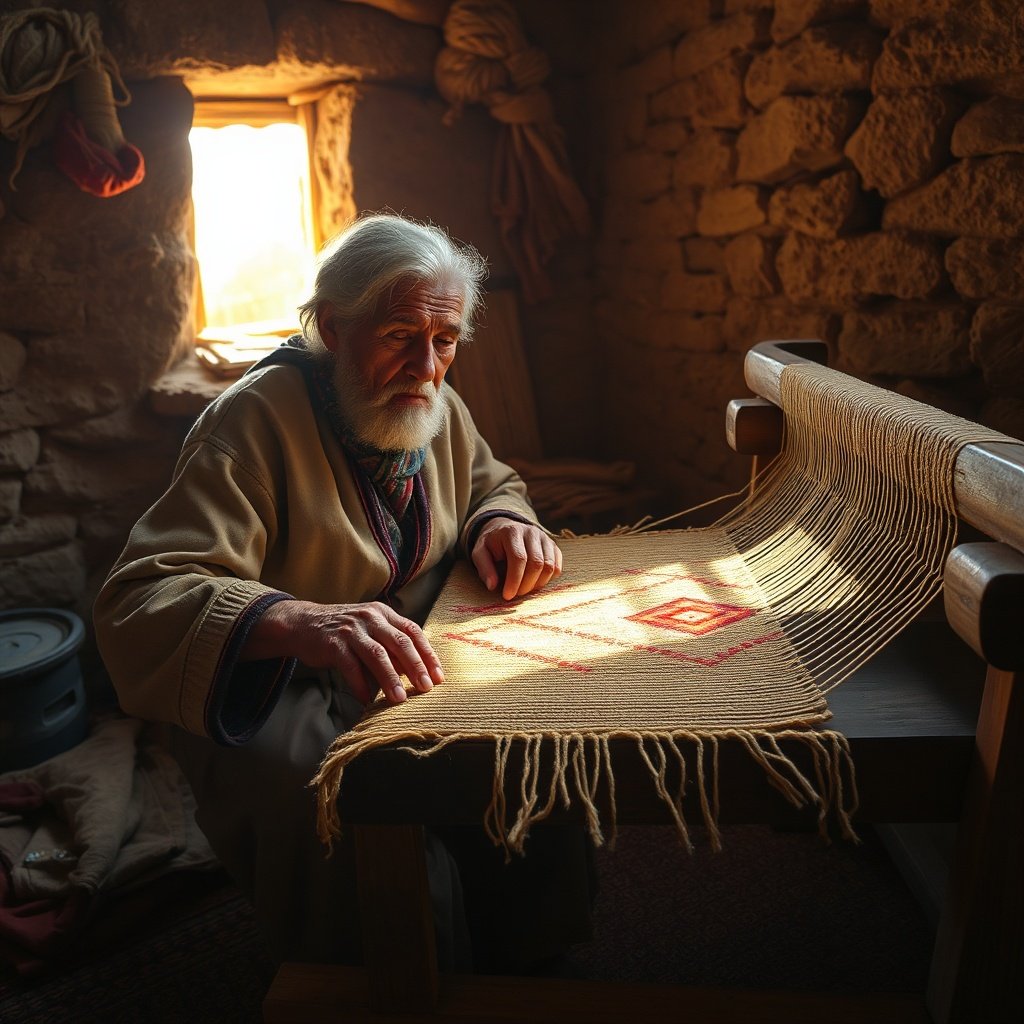
An artisan weaving a rug using traditional methods.
To understand authentic Berber crafts, one must look beyond the aesthetic appeal to the intersection of origin, material, and technique. A piece is only considered authentic if it is crafted by an Amazigh artisan using traditional methods that explicitly exclude industrial machinery. The geographical specificity is paramount; the style of a rug from the High Atlas Mountains differs fundamentally from the silverwork of the Sahara or the pottery of the Rif region. You can verify authenticity by identifying the artisan’s signature style and the presence of raw, untreated materials like sheep’s wool, argan wood, or sterling silver and amber. Genuine Amazigh products reject the uniformity of modern manufacturing in favor of the distinct variations found in nature.
Quick Answer: Authenticity in Berber crafts is verified by three pillars: the item must be made by an indigenous Amazigh artisan, use strictly natural local materials, and be produced entirely by hand without industrial machinery.
The Importance of Raw Materials
The foundation of authentic Berber crafts lies in the refusal to use synthetic dyes or plastics. Artisans prioritize undyed wool from local sheep breeds, prized for its durability and lanolin content. When color is required, pigments are derived from the land: saffron for vibrant yellows, henna for warm oranges, indigo for deep blues, and pomegranate skin for earthy reds. These natural dyes in Moroccan rugs create a tactile depth and a subtle, organic fragrance that synthetic replicas simply cannot replicate. The texture of a hand-woven wool rug or the weight of solid silver jewelry provides an immediate sensory feedback loop that distinguishes the real from the fake.
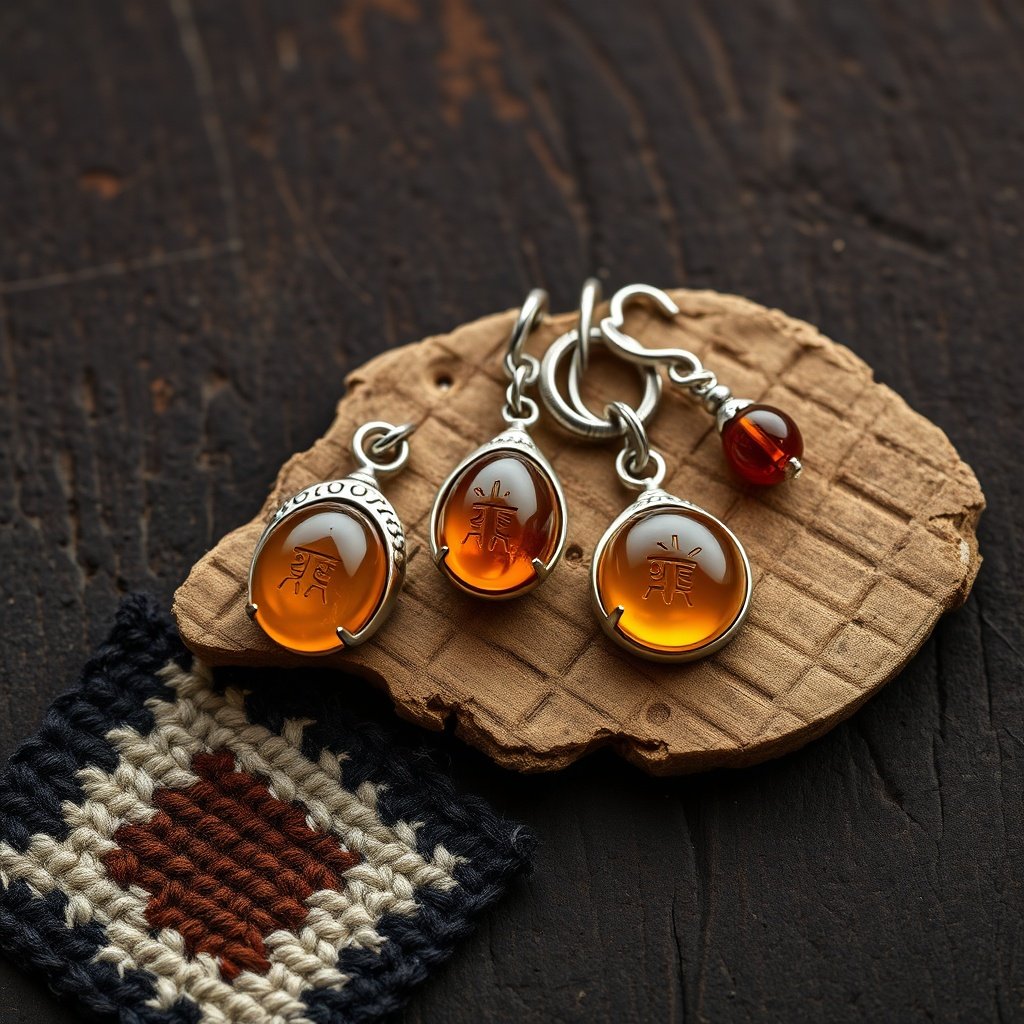
A flat lay of silver jewelry and amber beads on a woven rug.
The Human Touch: Imperfection as a Marker
In the world of Amazigh artisan traditions, perfection is a sign of machine production. Minor variations in weave patterns, subtle shifts in engraving depth, or asymmetrical geometric shapes are proof of human creation. These “flaws” are the fingerprints of the maker, capturing a moment in time and the mood of the artisan. This stands in stark contrast to the sterile uniformity of factory-made goods often found in tourist traps, where rows of identical items lack the soul and energy of a handmade piece. When you hold an authentic craft, you are holding the specific time and attention of a human being.
The Language of Symbols: Decoding Motifs
Shifting focus from the physical object to the narrative it carries, one finds that Berber tribal symbols and meanings are woven directly into the fabric and metal. Historically, the Amazigh people recorded their history orally and visually, using the Berber script (Tifinagh) and iconography because written literacy was not widespread. These symbols serve a dual purpose: they are artistic expressions and potent talismans for protection and good fortune. Understanding this visual language transforms a simple rug or necklace into a storybook of ancestral beliefs.
Definition: Tifinagh is the ancient script used by the Amazigh people to write their language. Characters from this alphabet are frequently incorporated into textile patterns and jewelry designs as symbols of identity and resistance.
Protective Symbols in Jewelry
Silver jewelry acts as a wearable shield in Amazigh culture. You will frequently encounter the Khamsa (Hand of Fatima), which symbolizes protection and blessings, and the Fibula, a brooch shaped like a triangle or diamond that serves to fasten clothing while representing the female form and protection of the home. The Eye of Protection is another ubiquitous motif designed to ward off the evil eye. Notably, silver is used preferentially over gold in traditional Tuareg silver jewelry for its purported mystical properties and its association with purity and the moon, making it a metal of spiritual significance.
Storytelling Through Textiles
Rug weavers, predominantly women, embed their personal stories, marital status, and emotional state into the geometric designs of their carpets. A rug might not just be a floor covering but a diary. A specific zigzag pattern could represent a mountain range, a flowing river, or the path of a nomadic life. Other abstract shapes might symbolize fertility, the barrier against scorpions, or the opening of a tent. By reading these motifs, one gains insight into the life and environment of the weaver, making every textile a unique map of human experience.
Regional Variations: From the Atlas to the Sahara
The environment dictates the medium across North Africa. The distinct environmental influences on craft production are vast, with resources varying significantly between the Atlas Mountains, the Rif region, and the Sahara desert. Atlas Mountains artisan cooperatives produce goods vastly different from those in the arid south. This geographical diversity helps collectors identify the origin of a piece based on the materials and construction techniques used, whether it is the dense wool of the mountains or the light leather of the desert.
The Weavers of the Middle and High Atlas
The Middle and High Atlas regions are renowned for their Beni Ourain rugs. These are characterized by a dense, heavy pile of cream-colored wool adorned with abstract black or dark brown geometric lines. Originally designed for the cold, snow-capped winters of the mountains, these long-pile rugs provide essential insulation. In contrast, the flat-weave Hanbel and Kilim rugs found in other areas are lighter and feature intricate embroidery suited for warmer climates. The traditional Moroccan weaving techniques used here involve a vertical loom and a knotting style specific to the tribe, creating textures that are both plush and durable.
The “Blue People” of the Sahara
In the deep south, the Tuareg people, known as the “Blue People” due to the indigo dye that traditionally stains their skin and veils, produce meticulous leatherwork and silver. The famous Cross of Agadez is a staple of Tuareg silver jewelry, believed to pass strength from father to son. Their Moroccan leather craftsmanship is evident in the saddlebags, cushions, and bags created from goat or camel skin, often decorated with tooled geometric patterns. The historical significance of indigo dye here cannot be overstated; it is a luxury good and a symbol of status, creating the deep, rich blues that define Saharan aesthetics.
Quick Answer: You can identify the origin of a craft by its material: heavy, plush wool rugs come from the cold Atlas Mountains, while intricate silver work and dyed leather goods originate from the Tuareg tribes of the Sahara.
The Artisan Process: Sustainable Techniques in 2026
As the world embraces slow fashion and sustainability in 2026, the low-energy, zero-waste methods of Amazigh artisans are increasingly valued. Eco-friendly Moroccan decor is not just a trend but a return to the wisdom of the past. The production of authentic Berber crafts is inherently sustainable, relying on animal fibers, plant dyes, and manual labor. This stands in stark contrast to the carbon-heavy footprint of fast furniture and mass-produced home goods. Interior designers in 2026 are specifically seeking out these pieces for their minimal environmental impact and maximal artistic integrity.
From Sheep to Loom: The Wool Processing Cycle
Creating a rug is a journey that begins months before the weaving starts. The process involves shearing the sheep, washing the wool with river water and soapwort, and carding—teasing the fibers apart to prepare them for spinning. The artisan then spins the wool by hand into yarn using a drop spindle, a technique that creates a variable-thickness thread full of character. Only then does the dyeing process occur. This cycle can take months to complete for a single rug before the weaving even begins, representing a significant investment of time and energy that factory production bypasses.
Natural Dyeing: A Revival of Ancient Botany
There is a significant resurgence of natural dyeing practices in cooperatives today. Artisans are returning to ancient botanical recipes to achieve colors that are vibrant yet harmonious with nature. Madder root produces deep reds, mint creates soft greens, and saffron yields bright yellows. Unlike synthetic dyes, which can fade or bleed harshly, these natural materials age gracefully, developing a patina over time that enhances the beauty of the object. This revival ensures that authentic Berber crafts remain free from toxic chemicals, making them safe for homes and the environment.
Ethical Sourcing: Fair Trade and Cooperatives
Navigating the market for authentic Berber crafts requires a discerning eye. To buy Berber crafts online or in person ethically, one must be willing to look past the convenience of mass-market retailers. You should be wary of “souvenir” shops in major city squares that often sell imported, machine-made fakes at low prices. Instead, advocate for direct support of cooperatives that ensure fair wages for the artisans. By choosing ethical sourcing, you ensure your money goes directly to the maker rather than a middleman exploiting the brand of Amazigh culture.
Identifying Responsible Vendors
When vetting sellers, look for transparency regarding the specific village or tribe of origin. Responsible vendors will provide detailed information about the cooperative and the artisans involved. Check for certifications by fair trade organizations active in 2026, which audit supply chains to ensure fair labor practices. High-quality photography that shows the artisan at work, or the unfinished back of a rug, is a good sign. A vendor who hides the origin of the product or uses stock photos is likely selling mass-produced goods.
The Role of Women’s Cooperatives
It is crucial to recognize that the vast majority of textile weaving is done by women in rural areas. Women’s cooperative support is essential for social progress in these regions. Buying from registered cooperatives directly impacts financial independence, allowing women to fund education for their children and improve community infrastructure in remote Amazigh villages. These cooperatives also serve as guardians of Amazigh cultural heritage, keeping songs, stories, and techniques alive that might otherwise be lost to globalization.
Conclusion
The enduring value of authentic Berber crafts extends far beyond their aesthetic appeal. Owning a piece is an act of cultural stewardship, a way to keep the rich history of the Amazigh people alive in a rapidly changing world. When you look past the price tag, you see generations of history, the patience of the weaver, and the soul of North Africa embedded in the work. As these ancient traditions thrive in the modern global market of 2026, they bridge the gap between the Sahara and contemporary living rooms, offering a connection to humanity that is rare in our digital age. Choose authenticity, support the makers, and let these timeless crafts transform your space.
FAQ
How can I tell if a Berber rug is authentic?
Authentic rugs will have slight irregularities in the weave and pattern, are made of natural wool (often smelling faintly of lanolin), and typically feature fringes that are an extension of the warp threads rather than sewn on afterwards. Synthetic materials and perfectly uniform lines usually indicate machine production.
Why are authentic Berber crafts more expensive than mass-market alternatives?
The price reflects the labor-intensive process; a single rug can take months to weave. Additionally, the cost covers high-quality raw materials like hand-spun wool and sterling silver, as well as fair wages paid to the artisans within cooperative structures.
What is the best way to clean authentic Berber wool textiles?
Natural wool rugs should be vacuumed regularly without a beater bar to avoid damaging the fibers. For deeper cleaning, use cold water and pH-neutral detergents, avoiding harsh chemicals that can strip the natural dyes. Professional cleaning is recommended for vintage or heavily dyed pieces to prevent color bleeding.