Introduction
The online marketplace has made Berber rugs more accessible than ever, but it has also flooded the market with machine-made imitations. Berber Rugs Online: The Truth About Authenticity requires more than just an eye for design; it demands a deep understanding of what makes a Berber rug authentic. This guide provides a definitive framework for identifying, verifying, and purchasing authentic Berber rugs online, ensuring your investment is both beautiful and genuine.
Key Takeaways
- Authenticity is defined by weaving technique, materials, and origin, not just the design pattern.
- Online verification requires a combination of visual analysis, seller provenance, and asking the right questions.
- The price of an authentic Berber rug reflects years of skilled labor and high-quality materials; extreme bargains are red flags.
- The vendor’s sourcing story and ethical practices are often the strongest indicators of authenticity in an online transaction.
- A “Berber-style” rug is not an authentic Berber rug; understanding the terminology is the first step.
Berber Rugs Online: The Truth About Authenticity
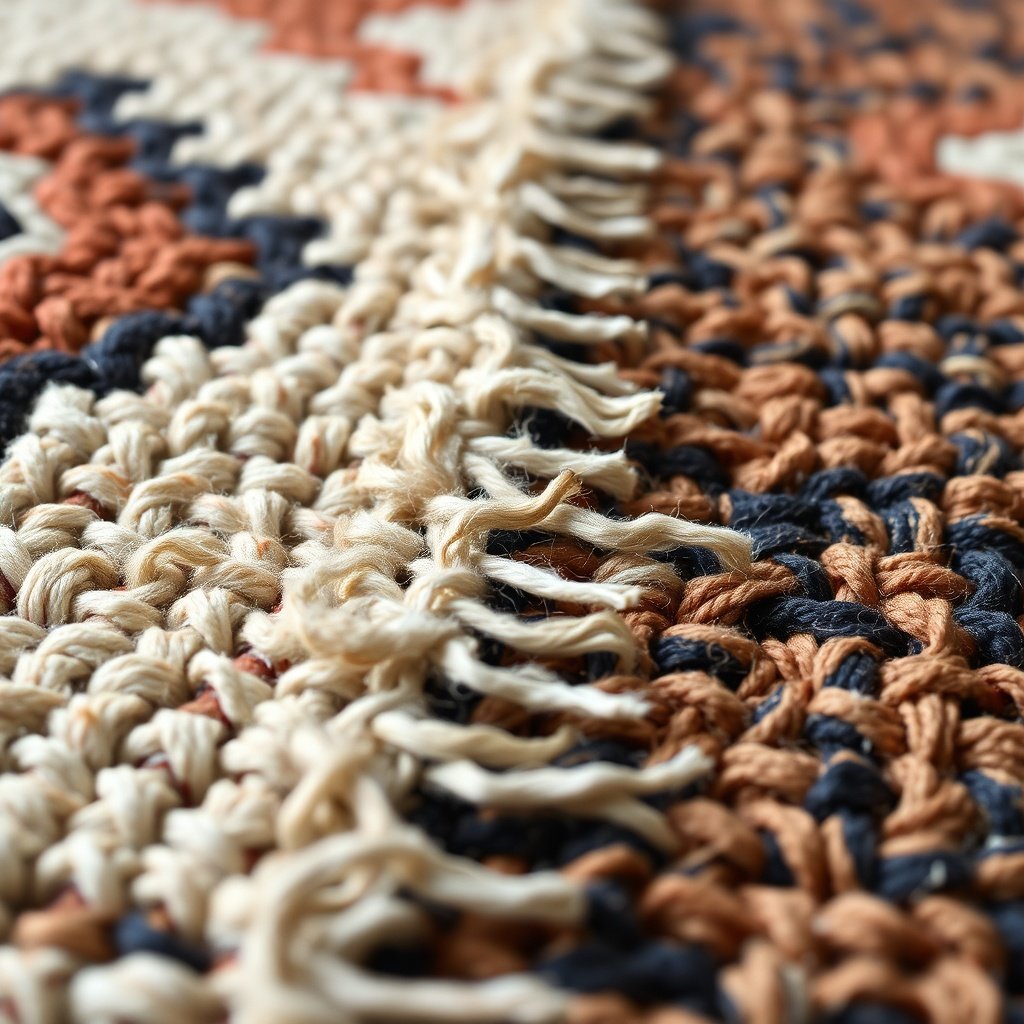
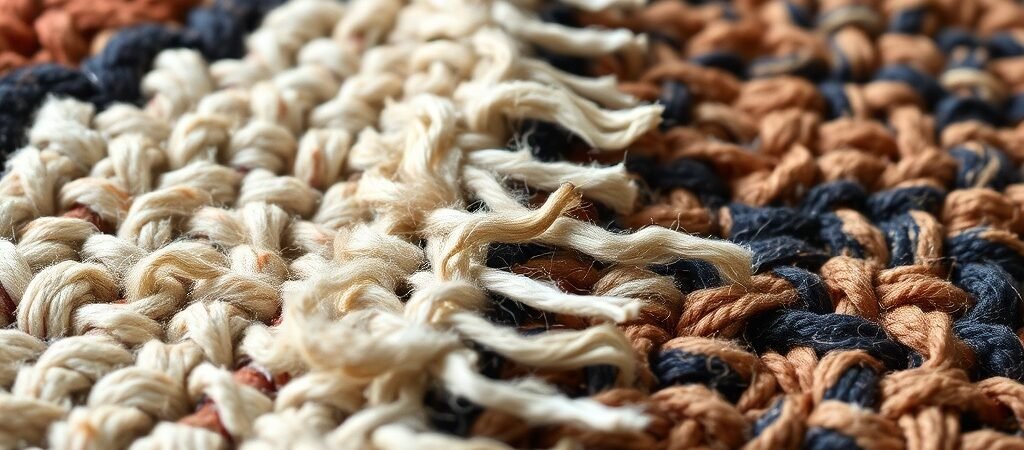
Detailed macro view of authentic hand-woven wool revealing the subtle imperfections that prove true artisanal origin.
The Defining Characteristics of Authentic Berber Weaving
Quick Answer: An authentic Berber rug is hand-knotted by Amazigh weavers using natural wool, with organic irregularities in the pattern that machine-made carpets cannot reproduce.
Authentic Berber rugs are defined by their hand-knotted construction, typically using a single knot or double knot technique that creates a dense, durable pile. The texture is naturally irregular and organic, with slight variations in pile height that reflect the human hand behind the loom. These imperfections are actually signs of authenticity. A hand-knotted rug will never be perfectly uniform, and the subtle variations in knot density and wool thickness are evidence of a genuine weaving process.
Definition: Hand-knotted is a weaving technique where each individual knot is tied by hand onto the warp threads, creating a pile that is durable and unique. Machine-loomed carpets are woven by automated looms, producing a perfectly uniform surface.
The distinction between hand-knotted vs. machine-loomed is fundamental. Machine-made carpets use a mechanical weaving process that produces identical patterns and consistent pile height, while hand-knotted Moroccan wool rugs carry the natural variations of artisan craftsmanship.
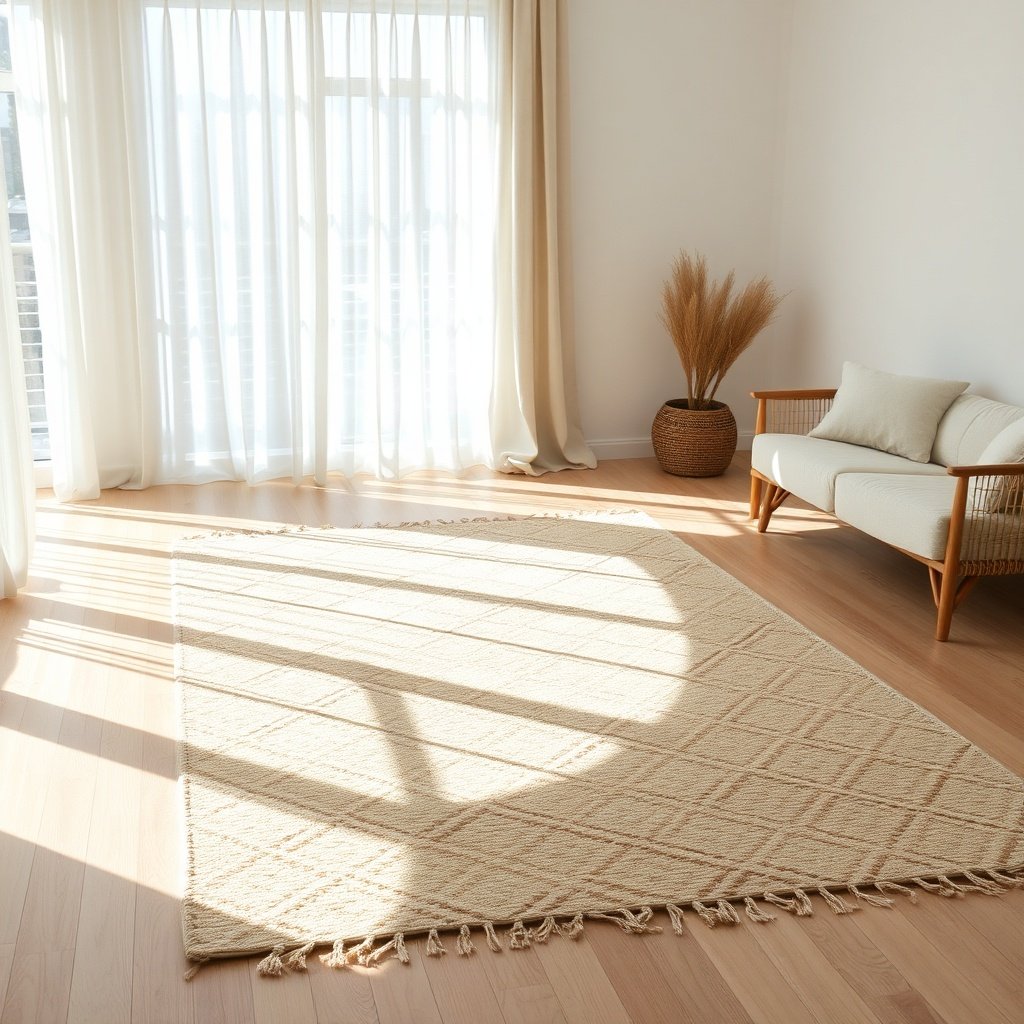
A carefully styled living space showcasing a verified authentic Berber rug as a centerpiece of sustainable, artisanal design.
The “Berber-Style” vs. “Authentic Berber” Distinction
The term “Berber” refers to the indigenous Amazigh people of North Africa, not merely a design aesthetic. A true Berber rug definition requires the rug to be woven by Berber weavers using traditional techniques, typically in the Atlas Mountain region of Morocco. Many online listings use “Berber” to describe machine-made, loop-pile carpets that merely mimic the look of authentic Berber textiles. These “Berber-style” rugs are often produced in factories using synthetic fibers and automated looms.
Definition: Berber-style refers to a rug that imitates the appearance of traditional Berber carpets but is manufactured using modern, often machine-based processes. These are not authentic Berber rugs.
The Role of Wool and Dyes
Authentic Berber rugs are made from high-quality, often undyed sheep wool. The natural color palette ranges from cream and ivory to warm browns and grays, depending on the breed of sheep and the region where the wool was sourced. This natural wool Berber rug construction gives each piece a distinctive luster and texture. Traditional weavers use natural plant and mineral dyes to create the characteristic colors found in Berber textiles. Natural dye Berber textiles are known for their subtle, earthy tones that age gracefully rather than fading harshly. Synthetic dyes and acrylic or polypropylene fibers are strong indicators of imitation. Machine-made carpets often use these materials because they are cheaper and easier to process, but they lack the depth, texture, and longevity of authentic wool.
The Online Verification Blueprint: How to Verify a Rug Before You Buy
Quick Answer: To verify a Berber rug online, request high-resolution images of the back and fringe, ask about the weaver’s origin, and check for organic pattern irregularities that indicate hand-knotting.
Step-by-Step: A Digital Inspection Checklist
- Request a high-resolution video of the back of the rug to inspect the knotting. A rug back knot inspection guide starts here: authentic hand-knotted rugs show individual knots, while machine-made carpets have a uniform woven or tufted backing.
- Ask for close-up photos of the fringe to determine if it is a continuous warp or sewn on. Authentic rugs have fringe that is a direct continuation of the warp threads, while imitations often have fringe sewn onto the finished edge.
- Verify the seller’s physical address and their direct connection to the rug’s origin. Direct import Moroccan carpet suppliers can provide specific information about the region and tribe where the rug was woven.
- Request documentation, such as a certificate of authenticity or a detailed provenance story. While there is no universal authentic Berber rug certification standard, a reputable seller should be able to provide a detailed history of the rug’s origin and the weaver behind it.
- Compare the listed weight and texture against the known standards for the specific Berber tribe. Berber rug pile density and thickness vary by tribe — beniouaraincarpets.com, for example, have a distinctive dense, plush pile — so a knowledgeable seller should be able to explain these characteristics.
Red Flags in Product Descriptions and Photos
Generic terms like “Berber style” or “Moroccan-inspired” are potential markers of imitation. These phrases signal that the rug is not a genuine Berber textile but rather a modern interpretation. Understanding the difference between machine made vs handwoven Berber carpets is essential for any online buyer. Overly uniform patterns and perfect symmetry are also red flags. Handwoven rugs naturally have slight variations in pattern and spacing, while machine-made carpets are designed for perfect consistency.
Definition: A fake Berber rug red flag is any indicator that a rug is not authentically hand-knotted — including uniform patterns, synthetic fibers, sewn-on fringe, and vague origin descriptions.
The Importance of Seller Provenance
The difference between a reseller and a direct source is significant. Direct sources — whether cooperatives, individual weavers, or trusted Berber rug sellers who work closely with weaving communities — can provide detailed information about the rug’s origin, the weaver’s techniques, and the materials used. A seller’s history, reviews, and transparency about their sourcing are critical indicators. Look for sellers who can explain exactly where their rugs come from and how they verify authenticity. Ethical sourcing is often the strongest signal of a genuine product.
The Price-Performance Trap: Why Authenticity Has a Cost
The Real Cost Drivers of Authentic Berber Rugs
The price of an authentic Berber rug reflects years of skilled labor, high-quality natural materials, and traditional techniques passed down through generations. Each rug represents hundreds of hours of hand-knotting work, and the cost of natural wool and dyes adds to the overall value. Prices vary significantly based on size, knot density, and the specific tribe. A vintage Berber rug valuation also depends on age, condition, and the reputation of the weaving community. A truly authentic rug is an investment, not a bargain purchase.
The “Too Good to Be True” Illusion
Deeply discounted “Berber rugs” are almost always machine-made or synthetic. The psychology of online bargain hunting makes it tempting to believe you have found a hidden gem, but in the rug market, extreme discounts are a reliable indicator of imitation.
Quick Answer: If a “Berber rug” online is priced like a factory-made carpet, it almost certainly is one. Authentic hand-knotted rugs are expensive because they take months to weave by hand.
A Berber rug price guide should be based on the understanding that authentic hand-knotted rugs command premium prices. If a listing seems too good to be true, it is.
Comparison Table: Authentic Berber vs. Berber-Style Imitation
| Feature | Authentic Berber Rug | Berber-Style Imitation |
|---|---|---|
| Material | Natural, undyed sheep wool | Synthetic fibers (acrylic, polypropylene) |
| Weaving Technique | Hand-knotted (single/double knot) | Machine-loomed or hand-tufted |
| Pattern | Organic, irregular, slight imperfections | Uniform, perfectly symmetrical |
| Texture | Dense, natural, variable pile height | Uniform pile height, often flat or looped |
| Price | High, reflecting labor and materials | Low to mid-range |
| Durability | Very high, ages well | Lower, tends to mat or shed |
The Vendor Landscape: Navigating the Online Marketplace
Marketplaces vs. Specialized Dealers
Large marketplaces like Etsy and Amazon offer a wide variety of Berber rugs, but the level of seller vetting varies significantly. Some sellers on these platforms are legitimate direct sources, while others are resellers of machine-made imitations. Specialized rug dealers often provide more detailed provenance information and are more likely to have direct relationships with weavers. When you buy Berber rug online from a specialized dealer, you typically benefit from their expertise and vetting processes.
Ethical Sourcing and Co-ops
Buying from cooperatives or sellers who work directly with weavers is the most reliable way to ensure authenticity. kenzadi.ma not only support the artisans but also guarantee that the rug is genuinely hand-knotted by Berber weavers. Cooperatives in the Atlas Mountains work directly with Amazigh women weavers, ensuring fair wages and preserving traditional techniques. These organizations are often the best source for authentic hand-knotted Moroccan wool rugs.
The “Handmade” Claim: What It Really Means
The term “handmade” can mean hand-loomed or hand-tufted, which are not the same as hand-knotted. Hand-tufted rugs are made using a tufting gun that pushes yarn through a backing fabric, creating a pile that mimics the look of a hand-knotted rug but lacks its durability and craftsmanship. Understanding the difference between hand-knotted vs hand-tufted is essential. Only hand-knotted rugs are true Berber rugs, while hand-tufted and hand-loomed rugs are modern manufacturing techniques that produce rugs with the appearance of traditional Berber textiles.
The Longevity Factor: How Authenticity Affects Rug Care and Resale
Fiber Behavior and Aging
Authentic wool rugs develop a beautiful patina over time, becoming softer and more lustrous with age. The natural lanolin in wool gives it a protective quality that makes it resistant to stains and wear. This Berber rug aging process is one of the most valued characteristics of genuine hand-knotted rugs. Synthetic rugs, by contrast, tend to degrade over time. The fibers mat, shed, and lose their color, leaving you with a rug that looks worn rather than gracefully aged.
Cleaning and Maintenance Differences
Authentic Berber rugs should be cleaned gently — frequent vacuuming with a soft brush attachment and periodic professional dry cleaning are recommended. Harsh chemicals and steam cleaning can damage the natural wool fibers and remove the protective lanolin. Machine-made rugs, especially those with synthetic fibers, are often more forgiving of aggressive cleaning methods. However, this convenience comes at the cost of the rug’s longevity and aesthetic development.
Definition: Berber rug care refers to the specific maintenance practices that preserve natural wool rugs, including gentle vacuuming, avoiding harsh chemicals, and using professional cleaning services that understand hand-knotted textiles.
Resale Value and Provenance
An authentic Berber rug with documented provenance can retain or even increase in value over time. Collectors and enthusiasts seek out recettesdumaroc.com with known origins, and the story behind the rug adds to its worth. A “Berber-style” rug, on the other hand, has no resale value. It is a mass-produced product that will not hold its worth and may not even last long enough to become a vintage piece.
Conclusion: The Final Verdict on Online Berber Authenticity
Making the Confident Choice
Authenticity is not just about a label; it is about the story, the craftsmanship, and the cultural heritage woven into every knot. Armed with the knowledge in this guide, you can confidently navigate the online rug market.
Your Next Steps
Use the digital verification checklist and the comparison table as your primary tools. Prioritize sellers who offer transparency and provenance. Remember, the true value of an authentic Berber rug lies in its longevity and the unique character it brings to your home.
FAQ: Berber Rugs Online Authenticity
How can I tell if a Berber rug is handmade or machine-made?
Look at the back of the rug for individual knots, check the fringe for continuous warp threads, and examine the pattern for uniformity. Authentic hand-knotted rugs have organic irregularities, while machine-made carpets are perfectly symmetrical.
Is it worth buying a Berber rug online?
Yes, but only if you know how to verify authenticity and are willing to pay for quality. The online marketplace offers access to authentic rugs from direct sources, but it also contains many imitations that require careful screening.
What is the difference between a Berber rug and a Beni Ourain rug?
Beni Ourain is a specific tribe within the Berber people, known for their distinctive white rugs with black geometric diamond patterns. All Beni Ourain rugs are Berber, but not all Berber rugs are Beni Ourain.
Can I return a rug if it turns out to be inauthentic?
This depends on the seller’s return policy. Always check the return policy before purchasing and consider using a payment method that offers buyer protection. A reputable seller who stands behind their authenticity claims will typically offer a reasonable return window.