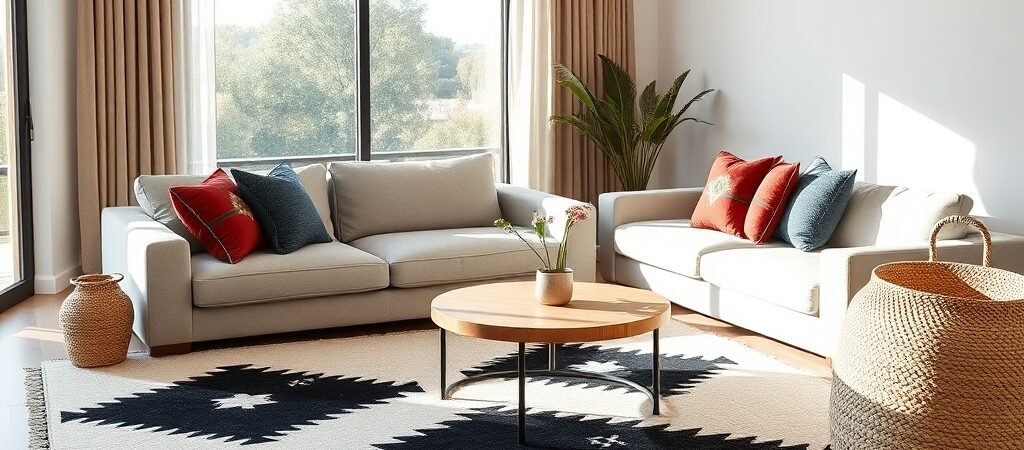
Berber craft home decor 2026 represents a sophisticated fusion of ancient Amazigh traditions and contemporary minimalist aesthetics, capturing the imagination of designers and homeowners worldwide. This year marks a turning point where heritage techniques are not merely revived but reimagined for modern living spaces, creating environments that feel both timeless and urgently relevant. The resurgence of interest in handcrafted textiles, pottery, and metalwork reflects a broader cultural shift toward sustainability, authenticity, and sensory richness in interior design. As consumers seek pieces that tell a story and support artisan communities, Berber craft offers a compelling narrative rooted in North Africa’s diverse landscapes and nomadic histories. From the plush depth of a Beni Ouarain rug to the gleam of hammered brass lanterns, each element contributes to a curated aesthetic that balances texture, tone, and tactile appeal. This article explores the defining characteristics, material innovations, and emerging trends shaping Berber-inspired interiors in 2026, offering practical insights for anyone looking to infuse their home with the warmth and wisdom of Amazigh artistry.
Berber Craft Home Decor 2026: Core Elements
Quick Answer: Berber craft home decor 2026 centers on natural wool rugs, symbolic geometry, and sustainable artisan practices that blend tradition with modern minimalism.
The foundation of Berber craft home decor 2026 lies in a deliberate palette of natural materials and symbolic patterns that echo the Atlas Mountains and Sahara desert. Key components include hand‑woven wool rugs, particularly the iconic Beni Ouarain with its characteristic geometric lozenges, and Boucherouite rugs crafted from recycled fabric scraps, which bring vibrant color and playful asymmetry to floors. Textile traditions extend beyond rugs to include woven wall hangings, cushion covers, and throws that employ techniques such as flat‑weave knotting and embroidery using indigo, saffron, and madder dyes. These fabrics are often left with a slightly uneven surface, celebrating the hand of the maker and adding depth to otherwise clean‑lined furniture.
Pottery and metalwork serve as equally vital pillars, with tagines, tea sets, and decorative vessels showcasing the skill of Amazigh ceramists who shape clay using coil‑building methods and fire pieces in traditional kilns. Surfaces range from smooth, burnished finishes to deliberately rough textures that highlight the raw material. Metal artisans, meanwhile, manipulate brass, silver, and copper through hammering, filigree, and chasing to produce lanterns, trays, and mirror frames that cast intricate shadows and catch the light. The interplay between matte ceramics and polished metals creates a dynamic visual rhythm that feels both grounded and luminous.
Furniture selections in 2026 favor low‑profile, modular pieces made from sustainably sourced woods such as cedar, walnut, and reclaimed pine. Designers often pair these frames with Berber textiles—draping a hand‑spun wool blanket over a sleek sofa or placing a leather pouf beside a minimalist coffee table—to introduce warmth without compromising the streamlined silhouette. The overall effect is one of restrained luxury, where every object serves a purpose and contributes to a cohesive narrative of heritage and innovation.
Functional Art: The Tagine and Tea Ceremony
Quick Answer: In 2026, Berber tagines and silver tea sets serve as functional art pieces, displayed prominently to enrich daily rituals and showcase Amazigh hospitality.
In Berber craft home decor 2026, functional objects are elevated to the status of art, transforming everyday rituals into opportunities for aesthetic expression. The tagine, traditionally a slow‑cooking stew pot, now appears as a centerpiece on dining consoles and open shelving, its conical lid acting as a sculptural focal point. Contemporary interpretations experiment with glazes that shift from deep cobalt to speckled ivory, while maintaining the vessel’s original purpose of distributing heat evenly for succulent meals. Displaying a tagine alongside a collection of spice jars and wooden spoons invites conversation and celebrates the culinary customs that have shaped Amazigh hospitality for centuries.
The tea ceremony, another cornerstone of North African social life, has similarly transitioned from private practice to public display within the home. Silver tea sets, often adorned with enamel inlays or engraved motifs, are positioned on brass trays or low wooden tables, transforming the act of serving mint tea into a performative ritual. Glasses with intricate filigree rims catch the light as tea is poured from a height, creating a frothy crown that signals both skill and generosity. In 2026, designers encourage homeowners to treat the tea set not as a hidden heirloom but as an active element of the living space, encouraging daily use and fostering a sense of connection to cultural roots.
These functional pieces are frequently paired with textiles that complement their form and function. A runner woven with geometric symbols might run beneath a tray of tea glasses, while a set of embroidered napkins echoes the motifs found on the tagine’s surface. By integrating utility with ornamentation, Berber craft home decor 2026 blurs the line between object and artwork, allowing each item to contribute to a layered, sensory‑rich environment.
Material Palette and Sustainable Practices
Sustainability is not an add‑on but a guiding principle in Berber craft home decor 2026, influencing every stage from raw material sourcing to end‑of‑life considerations. Wool remains the dominant fiber, sourced from sheep raised in the Atlas regions using pastoral practices that prioritize animal welfare and land regeneration. The wool is often hand‑spun, a process that preserves the natural lanolin content, enhancing durability and providing innate resistance to dirt and moisture. Natural dyes derived from plants, minerals, and insects—such as pomegranate rind for yellow, indigo leaves for blue, and cochineal for red—replace synthetic alternatives, reducing chemical runoff and supporting biodiversity.
Cotton and linen, when used, are sourced from organic farms that employ water‑saving irrigation and avoid harmful pesticides. Recycled textiles play a significant role in Boucherouite creations, where discarded clothing and fabric remnants are transformed into vibrant rugs, giving new life to materials that might otherwise end up in landfills. This upcycling ethos extends to metalwork, where artisans collect scrap brass and copper from local workshops, melting and reforming them into new forms, thereby minimizing the need for virgin ore extraction.
Wood selection follows similar ecological criteria, with a preference for reclaimed timber from old buildings or fallen trees, treated with natural oils and waxes instead of synthetic varnishes. When new wood is necessary, certifications such as FSC ensure responsible forest management. Finishes are kept matte or satin to showcase the grain, and adhesives are chosen for low VOC emissions, contributing to healthier indoor air quality.
Energy efficiency is another consideration, particularly in lighting design. Lanterns and pendant lights are fitted with LED bulbs that mimic the warm glow of traditional candles while consuming a fraction of the power. Some designers incorporate solar‑charged elements into outdoor fixtures, allowing patio lanterns to store daylight and illuminate evenings without drawing from the grid. These thoughtful choices demonstrate that Berber craft home decor 2026 can be both luxurious and environmentally conscientious, proving that sustainability enhances rather than compromises aesthetic value.
Emerging Textile Trends and Technological Integration
While rooted in tradition, Berber craft home decor 2026 embraces innovation, particularly in textile design and production techniques. One notable trend is the hybridization of weaving methods, where artisans combine flat‑weave kelim structures with raised pile knotting to create surfaces that offer both visual pattern and tactile variation. This approach allows for greater flexibility in design, enabling the creation of rugs that feature intricate motifs alongside plush zones ideal for lounging spaces.
Digital tools are increasingly used to support, rather than replace, handcraftsmanship. Designers employ software to experiment with color palettes and motif repetitions before committing to the loom, reducing waste and ensuring client satisfaction. Augmented reality applications allow homeowners to visualize how a specific rug or textile will look in their space, adjusting scale and placement in real time. Despite these technologies, the final product remains undeniably handmade, preserving the irregularities and character that machine‑made goods lack.
Another emerging direction is the incorporation of natural fibers beyond wool, such as alpaca, camel hair, and even silk blends, which introduce new textures and sheens to traditional patterns. These fibers are often sourced from cooperatives that promote fair wages and community development, aligning with the ethical values central to the Berber craft movement. Some designers are experimenting with biodegradable backing materials for rugs, using natural latex or jute, ensuring that the entire product can return to the earth at the end of its lifespan.
Color trends in 2026 reflect a shift toward muted, earth‑toned interiors punctuated by strategic pops of hue. Base palettes favor warm greys, sandy beiges, and soft olives, providing a neutral canvas that allows textiles and metalwork to shine. Accent colors draw from the natural landscape—terracotta reminiscent of sun‑baked clay, deep indigo echoing night skies, and vibrant saffron evoking spice markets. These accents are often introduced through smaller accessories such as embroidered cushions, ceramic vases, or woven baskets, allowing for easy updates as tastes evolve.
Conclusion: Living with Heritage in the Present
Berber craft home decor 2026 offers more than a visual style; it presents a way of living that honors the past while embracing the future. By integrating hand‑woven rugs, artisan pottery, and metal lanterns into contemporary interiors, homeowners create spaces that are deeply personal, culturally resonant, and environmentally responsible. The emphasis on natural materials, traditional techniques, and ethical production ensures that each piece carries a legacy of skill and stewardship, transforming the act of decoration into a form of cultural preservation.
As the year progresses, the influence of Amazigh artistry continues to expand beyond niche markets into mainstream design conversations, inspiring collaborations between Berber cooperatives and international brands. These partnerships help to scale impact, providing artisans with broader markets while maintaining the integrity of their crafts. For anyone seeking to cultivate a home that feels both grounded and inspirational, Berber craft home decor 2026 provides a timeless framework—one where texture tells a story, light dances on hand‑formed surfaces, and every corner invites a moment of reflection and connection. In embracing this aesthetic, we not only beautify our surroundings but also contribute to a more sustainable and culturally rich world, one handmade piece at a time. Discover Berber craft home decor 2026: timeless Amazigh textiles, sustainable materials, and emerging trends for stylish, eco‑conscious interiors today.