The Definitive Guide to Berber Home Decor in 2026
Berber home decor has solidified its place as a leading trend in 2026, driven by a collective shift toward sustainable, handcrafted interiors that prioritize texture over fleeting colors. This aesthetic, rooted in the indigenous Amazigh culture of North Africa, offers an antidote to sterile minimalism by introducing warmth, organic imperfection, and storytelling into living spaces. Unlike mass‑produced alternatives, authentic Berber pieces bring a sense of history and ethical craftsmanship that resonates deeply with modern homeowners seeking a grounded, soulful environment.
The appeal of Moroccan interior design in 2026 lies in its ability to merge the ancient with the contemporary. As we move further away from the “fast furniture” era, the demand for pieces that carry the fingerprints of their creators has skyrocketed. Berber decor satisfies this desire perfectly.It transforms a house into a home that feels lived-in, cherished, and connected to the earth, offering a visual language that speaks of protection, fertility, and nature through North African aesthetics.
Key Takeaways
- Berber decor is defined by its emphasis on handcrafted imperfection and natural materials, specifically high‑pile wool and undyed fibers.
- The aesthetic relies heavily on geometric tribal patterns that historically symbolize protection and fertility rather than mere ornamentation.
- Authenticating Berber rugs involves checking for irregularities in the weave and the specific regional styles like Beni Ourain or Azilal.
- Styling Berber decor in 2026 focuses on blending these traditional textures with minimalist modern furniture to avoid visual clutter.
What Defines Berber Home Decor? A Comprehensive Overview
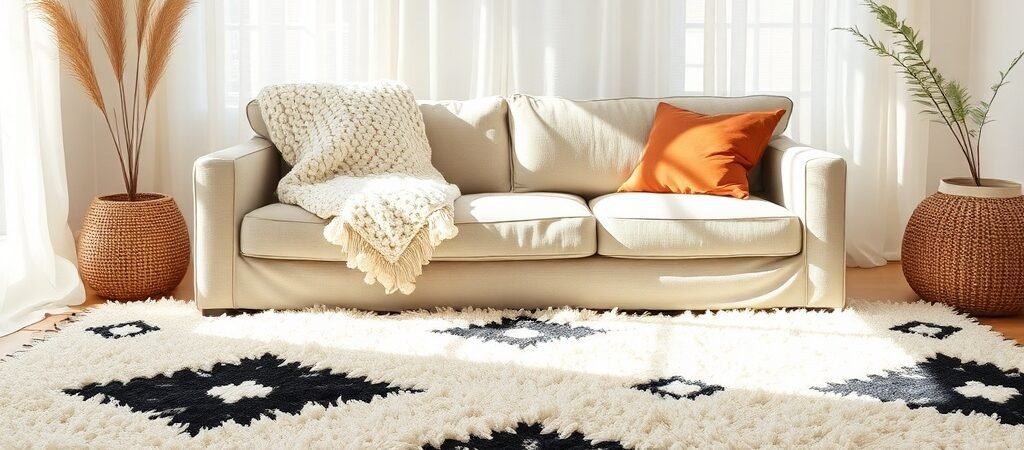
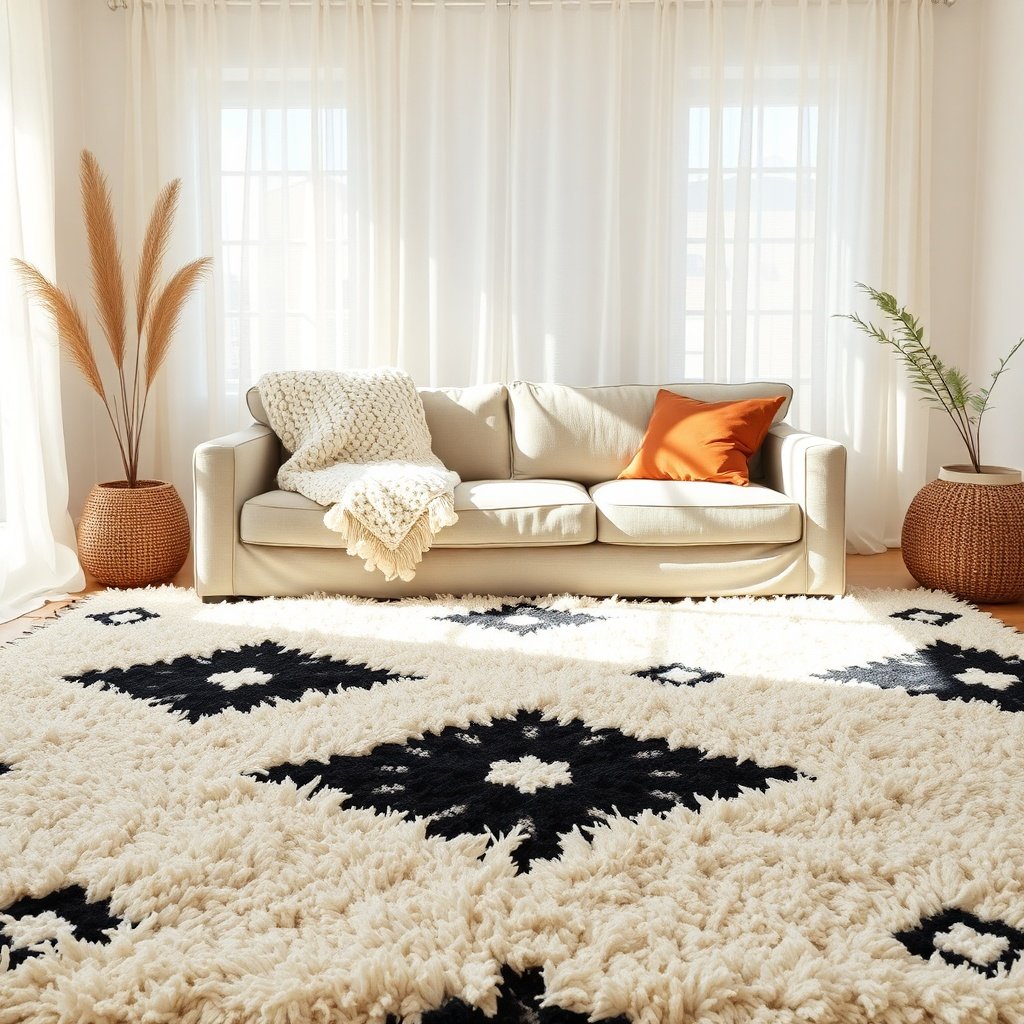
A wide shot of a modern living room integrating a traditional white and black Berber rug with minimalist furniture.
To truly understand Berber home decor, one must look beyond the visual appeal and recognize it as an aesthetic rooted in the indigenous Amazigh people of North Africa, primarily Morocco. It is not merely a style; it is a language of symbols and textures passed down through matriarchal lines for centuries. The core characteristics are unmistakable: cream‑colored wool backgrounds serve as the canvas, interrupted by abstract black or brown geometric lines. You will rarely find floral patterns here. Instead, the design philosophy relies on stark contrasts and asymmetry, grounding a room in a way that feels both ancient and avant‑garde.
While often grouped under the bohemian umbrella, this style differs significantly from the cluttered, colorful “maximalist boho” looks of the past. Tribal interior design in the Berber tradition is inherently minimalist. It values negative space just as much as the intricate details of the weave. The focus remains on the integrity of the materials and the story they tell, rather than an overwhelming accumulation of objects. In 2026, designers are gravitating toward this restrained approach because it adds character without overwhelming the senses.
The Historical Roots of Amazigh Design
The origins of these designs are traced back to the Atlas Mountains and the Sahara Desert. For the Amazigh people, weaving was a sacred act and a primary form of communication. Because the Amazigh language (Tamazight) was historically oral and not written, women used the loom to document their lives. Designs were passed down through generations visually, with no written pattern libraries. A weaver would interpret symbols based on her mother’s teachings and her own personal experiences, resulting in hand‑woven wool textiles that are as unique as fingerprints.
A macro shot emphasizing the texture of wool and geometric patterns typical of Moroccan Berber design.
The Philosophy of Wabi‑Sabi and Imperfection
A defining aspect of Amazigh culture is its alignment with the Japanese concept of Wabi‑Sabi—finding beauty in flaws. In a world dominated by machine precision, the human touch is a luxury. Authentic Berber pieces will almost always feature asymmetrical patterns, slight color variations, or rows that are not perfectly straight. These are not defects; they are signatures of the human hand. When you incorporate these elements into your home, you are embracing a philosophy that values the organic and the imperfect over the sterile and the mass‑produced.
Essential Color Palettes and Materials
The signature palette of true Berber decor is derived from nature. The base is almost exclusively undyed sheep wool, ranging from ivory and cream to charcoal and deep brown. This monochromatic foundation allows the texture to take center stage. However, specific regional variants do introduce color. In the south, you might see rugs dyed with henna for a rich reddish‑brown, or indigo for deep blues. Saffron and madder root are occasionally used to produce vibrant oranges and reds. In 2026, the trend is shifting toward these undyed, natural fibers as homeowners prioritize non‑toxic, biodegradable materials in their living spaces.
Quick Answer: What makes Berber decor distinct from other tribal styles? Its unique combination of a minimalist, monochromatic color palette (usually cream and black/brown wool) heavily influenced by the Wabi‑Sabi philosophy of embracing imperfections, setting it apart from the colorful symmetry of Persian or kilim designs.
The Art of Texture: Selecting Authentic Materials for 2026 Interiors
In the digital age of 2026, where so much of our lives is experienced on smooth, glass screens, the tactile experience of the home has become paramount. This is where Berber home decor excels; it is fundamentally about touch. Texture takes precedence over color, creating a cozy atmosphere that invites you to sit, stay, and relax. The success of this aesthetic relies on using raw, organic materials that provide sensory feedback. When selecting pieces, the “hand” of the fabric—the way it drapes and feels against the skin—is just as important as its visual appearance.
The Dominance of High‑Pile Wool Rugs
The centerpiece of any Berber‑inspired room is the rug. Specifically, the tactile feel of an authentic Beni Ourain rug is unmatched. These rugs feature a deep, soft pile that can reach up to 3 inches in height, offering a cloud‑like sensation underfoot. This density provides not only physical comfort but also practical benefits like sound insulation and thermal regulation. Interior designers often refer to these rugs as the “fifth wall” because they occupy such a significant visual and physical footprint in the room, anchoring the furniture and defining the space.
Incorporating Raw Wood and Hand‑Hewn Stone
To prevent the room from feeling too soft, you must balance the textiles with harder materials. Natural fiber rugs pair beautifully with raw wood furniture. Look for unpolished cedar or thuya wood tables that retain their natural grain and imperfections. In kitchens or entryways, consider hand‑hewn stone terracotta tiles or unglazed pottery. These elements ground the space, connecting the interior to the rugged landscape of the Atlas Mountains. The contrast between the fluffy wool and the hard, cool stone creates a dynamic environment that feels alive.
Definition: Thuya Wood
A rare, exotic wood indigenous to Morocco, specifically the thuya tree (a form of sandarac). It is known for its dense, swirling grain patterns and is often hand‑turned into beautiful, aromatic boxes or furniture accents, adding a distinct North African olfactory element to decor.
Sustainable Sourcing and Ethical Considerations
The 2026 consumer is more conscious than ever about the origins of their purchases. When investing in sustainable home textiles, due diligence is required. The market is flooded with machine‑made knockouts that lack the soul (and durability) of the real thing. To identify ethical pieces, look for cooperatives that pay fair wages directly to the weavers. Authentic sheep’s wool is entirely biodegradable and renewable, making it a superior environmental choice compared to synthetic polypropylene alternatives often found in big‑box stores. By choosing authentic, handcrafted pieces, you are not just decorating a house; you are supporting a centuries‑old craft and providing economic empowerment to women in rural Morocco.
Decoding Symbolism: Reading Geometric Patterns and Motifs
Shifting the angle to the storytelling aspect of decor reveals that in Berber culture, a rug is not just a floor covering but a canvas. Every line and shape conveys the weaver’s life events, hopes, and protections. This adds a layer of depth to the decor that mass‑produced items lack. Unlike abstract art where the meaning is open to interpretation, Moroccan geometric patterns have specific, codified meanings that have been preserved for generations. Understanding these symbols allows you to curate a space that feels intentional and deeply personal.
Common Motifs: The Diamond, the Triangle, and the Eye
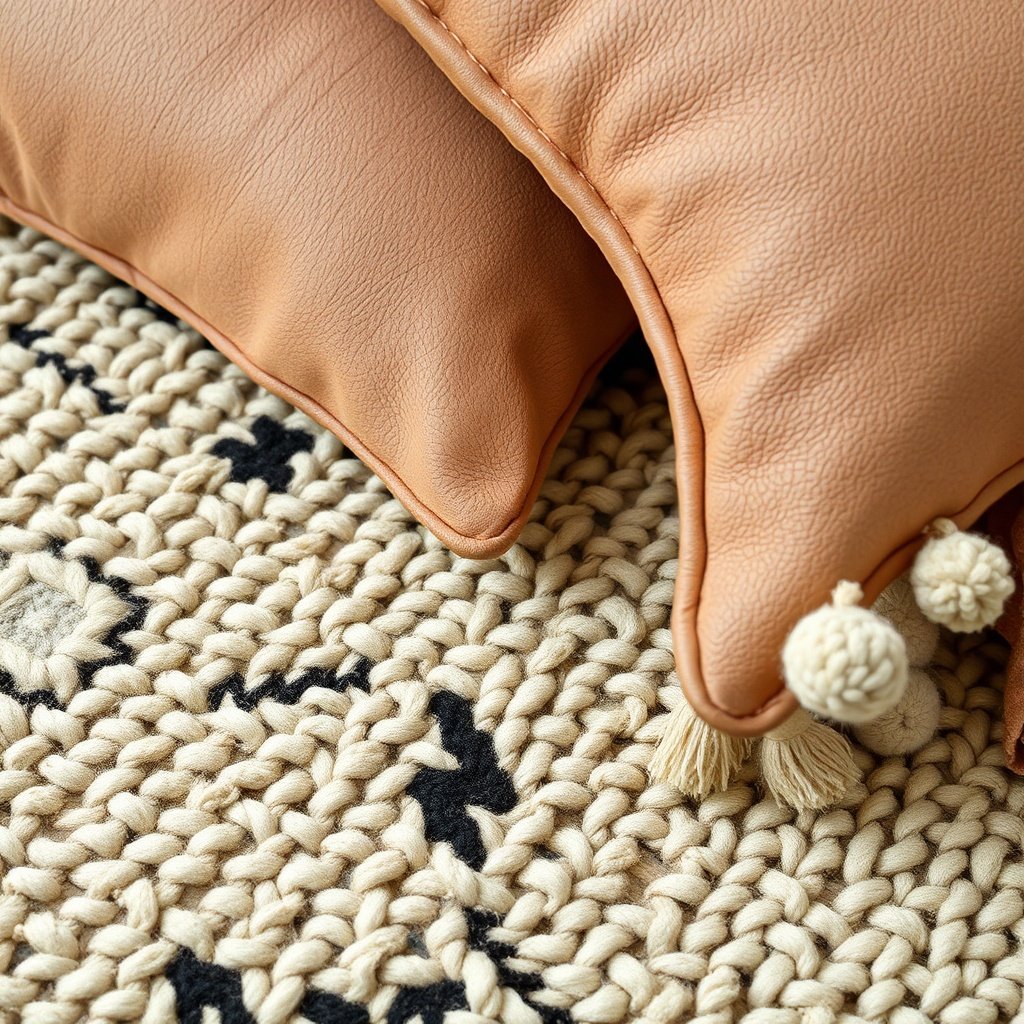
When examining Moroccan tribal patterns, you will see recurring shapes. The diamond is perhaps the most ubiquitous motif; it often represents femininity and protection against the evil eye, symbolizing the open womb or the woman’s role in creation. The triangle frequently signifies the tent, representing the family unit and the idea of shelter. Another powerful symbol is the “Eye” or the “Hand of Fatima,” woven specifically to ward off negative energy and bring luck to the household. Incorporating these symbols turns your decor into a talisman of safety and prosperity.
Distinguishing Regional Styles: Beni Ourain vs. Azilal
Not all Berber rugs are the same. Understanding the regional differences is key to selecting the right piece for your home. Beni Ourain rugs come from the Middle Atlas mountains. They are typically plush, cream‑colored, and feature minimalist black or brown geometric lines. They are perfect for modern, monochromatic spaces. In contrast, Azilal rugs hail from the High Atlas. These are usually more colorful and abstract, featuring bright geometric shapes and symbols on a white or cream background. Azilal rugs often depict narratives of daily life and are more artistic and whimsical in nature.
Mixing Patterns Without Creating Visual Noise
The challenge with symbolic, pattern‑rich textiles is avoiding visual clutter. The key is editing. If you have a busy, symbolic rug with dense geometric motifs, keep the furniture solid and heavy. A sleek, low‑profile sofa in a neutral grey or beige allows the rug to breathe. Avoid pairing a heavily patterned rug with patterned curtains or throw pillows. Instead, use texture to add interest—think linen throws, velvet cushions, or leather accents. This ensures the room feels curated rather than chaotic.
Quick Answer: How do I choose between a Beni Ourain and an Azilal rug? Choose a Beni Ourain if you prefer a minimalist, plush, monochromatic look with subtle black lines; choose an Azilal if you want a vibrant, artistic statement piece with colorful, abstract storytelling elements on a white background.
Styling Strategies: Applying Berber Elements in Contemporary Spaces
Bringing North African interior design into a modern home requires balance. You want to avoid the “theme park” look where every item screams a specific origin. Instead, the goal is integration. The rustic, organic nature of Berber pieces actually complements sleek, modern lines surprisingly well. The roughness of the wool highlights the smoothness of a glass table or a metal lamp fixture. This section provides a practical roadmap for blending these worlds effectively.
Creating a Focal Point in the Living Area
The living room is the heart of the home, and a large vintage Berber rug should serve as its anchor. To style this effectively, start with the rug. Place it centrally and ensure the front legs of your seating furniture sit on it. A sleek, low‑profile sectional sofa in a neutral tone complements the rug’s texture without overpowering it. For the coffee table, opt for a simple round shape or a raw wood stump to maintain the organic flow. This approach creates a modern boho living room that feels current yet rooted in tradition.
Softening Modern Minimalism in Bedrooms
Bedrooms can often feel stark or cold when designed with pure minimalism. This is where Berber home decor shines. Use Berber poufs, throws, or smaller accent rugs to add warmth. A popular trend in 2026 is layering: placing a flat‑weave kilim runner over wall‑to‑wall carpeting or a larger neutral rug to add depth and definition. You can also drape a hand‑woven Berber textile across the foot of the bed as a throw. The texture of the wool against crisp white linens creates a luxurious, inviting atmosphere conducive to rest.
Layering Lighting to Enhance Textural Depth
Lighting can make or break the textured elements of your room. Harsh overhead lighting flattens the pile of a wool rug. Instead, focus on layering ambient light. Woven pendant lights made from dried palm or rattan are excellent choices. They cast intricate shadows that emphasize the 3D nature of the rug fibers. Use floor lamps with warm bulbs (2700 K) to wash light across the weave, highlighting the irregularities and high‑low contrast of the hand‑woven wool textiles. This lighting strategy turns the textures into a dynamic feature of the room, changing the mood as the day progresses.
Definition: Kilim
A flat‑woven rug or textile originating from the Berber regions, distinct from the high‑pile knotted rugs. Kilims have no pile, making them thinner and more durable, often featuring bold, sharp geometric designs and reversible patterns.
The 2026 Evolution: Modern Adaptations of Traditional Decor
As we look at the trajectory of interior design, Berber home decor is not static; it is evolving. In 2026, we see a departure from the strict monochrome look that dominated the early 2020s. Designers and homeowners are becoming bolder, experimenting with color treatments and fusion styles. This evolution keeps the aesthetic fresh and relevant, ensuring it doesn’t become a passing fad but a staple of contemporary Moroccan design.
The Rise of Earthy Tones Beyond Neutrals
While cream and charcoal remain classics, the interior color trends 2026 are embracing earth. We are seeing a surge in terracotta, sage green, and deep ochre being incorporated into Berber‑inspired spaces. These colors are often introduced through Boujaad rugs, which are known for their warm, red and pink hues derived from natural dyes. These rich, earthy tones add a layer of sophistication and warmth that the strictly black‑and‑white palette sometimes lacks, allowing the decor to blend seamlessly with the popular “Japandi” (Japanese‑Scandi) fusion styles.
Mixing Vintage Berber Pieces with Mid‑Century Furniture
One of the most exciting developments is the pairing of rustic tribal rugs with sleek mid‑century furniture, creating a harmonious contrast that amplifies both styles. This approach allows homeowners to maintain the authenticity of Berber textiles while embracing the clean lines and iconic silhouettes of mid‑century design. The result is a space that feels both nostalgic and forward‑looking.
Integrating Berber home decor into your living space offers a unique blend of tradition and modernity. Whether you are layering earthy tones in a bedroom or pairing vintage rugs with mid‑century furniture, these elements bring unmatched warmth and texture to any room. As we embrace the 2026 trends, the shift toward bolder colors and fusion styles ensures that this aesthetic remains timeless yet fresh. Don’t be afraid to experiment with lighting and textiles to create a home that feels both inviting and stylish. Ready to transform your space? Start exploring authentic Berber pieces today and discover the perfect balance of rustic charm and contemporary elegance for your home.
Frequently Asked Questions
What colors are trending for Berber decor in 2026? While cream and charcoal remain classic choices, 2026 trends are embracing earthier tones. Designers are increasingly incorporating terracotta, sage green, and deep ochre, often through specific rugs like Boujaad, to add warmth and sophistication.
Can Berber rugs work with modern furniture? Absolutely. Berber decor is highly versatile and pairs well with sleek, low‑profile sectionals or mid‑century furniture. The contrast between the rustic texture of hand‑woven wool and the clean lines of modern design creates a balanced, modern boho look.
How should I light a room with Berber textiles? Avoid harsh overhead lighting, as it flattens the rug’s texture. Instead, layer ambient light using woven pendant lamps or floor lamps with warm bulbs (around 2700 K). This highlights the 3D nature of the weave and creates intricate shadows.
How can I use Berber textiles in a bedroom? You can soften a minimalist bedroom by adding Berber poufs or accent rugs. A popular trend is layering a flat‑weave kilim runner over existing carpeting or draping a hand‑woven textile across the foot of the bed to add depth and luxury.