
The timeless appeal of Berber rugs has moved from the souks of Morocco to the screens of your devices. If you want to buy berber rug online, you are part of a growing shift toward beniouaraincarpets.com direct-from-source access that offers a wider selection than any local store could hold. This guide provides a definitive answer on how to purchase a genuine piece, covering essential authenticity checks, a step-by-step buying process, and post-purchase care.
Quick Answer: To buy a Berber rug online successfully, you must verify the seller’s origin, request detailed photos of the rug’s front and back, and confirm the return policy before making a payment.
Key Takeaways
- Buying a Berber rug online requires verification of origin and materials; the term “Berber” is broad and often misapplied to machine-made products.
- The most reliable way to ensure authenticity is to request specific documentation and detailed photos from the seller.
- Online marketplaces offer a range from high-end artisan cooperatives to mass-produced imitations; knowing the difference is critical.
- The online buying process involves specific steps for size, color, and texture verification that differ from in-store shopping.
- A clear return policy and proper care routine are essential for a successful long-term purchase.
The Complete Answer: How to Buy a Berber Rug Online
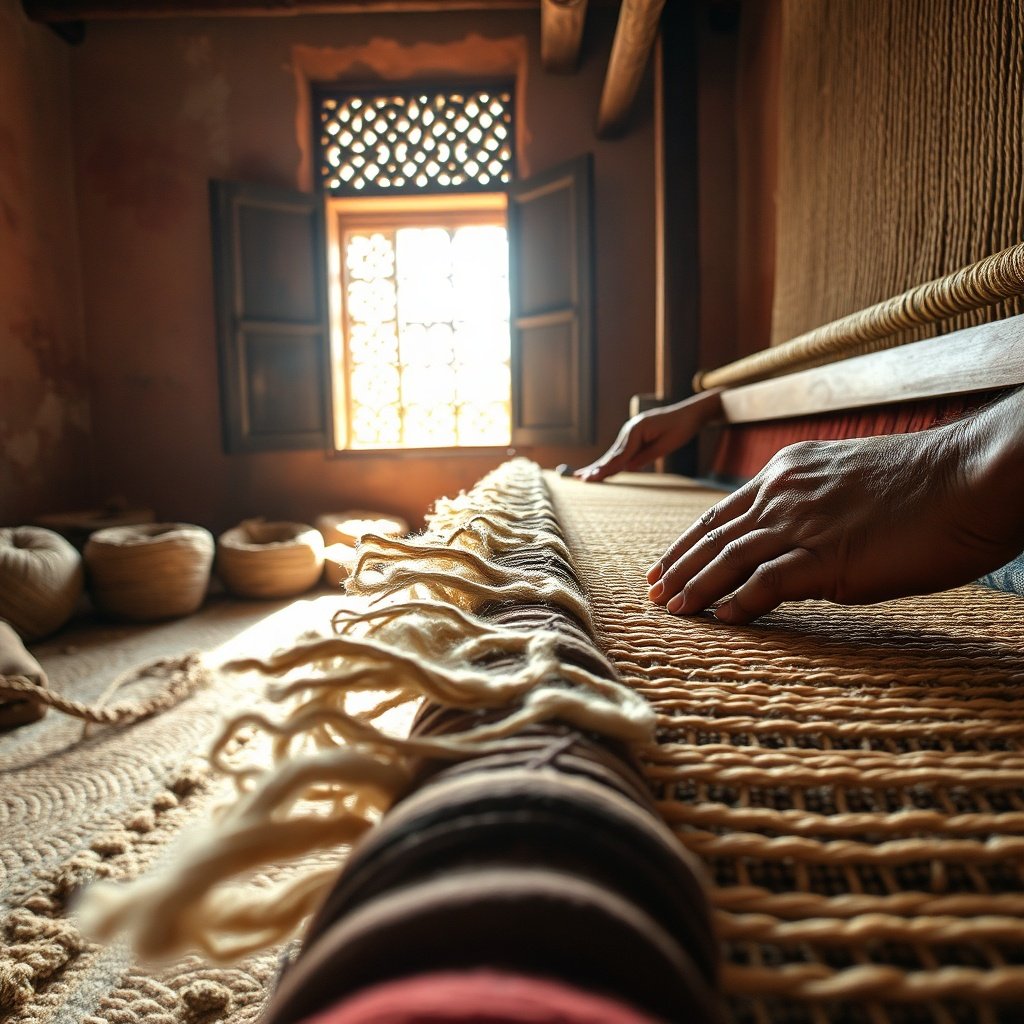
Illustrates the article’s core warning about machine-made imitations by visually emphasizing the tactile qualities, natural materials, and manual techniques required to authenticate a genuine piece before purchasing digitally.
What Defines a Genuine Berber Rug?
The term “Berber” is an ethnic identifier for the indigenous people of North Africa, not a single style of rug. It encompasses a wide variety of hand-woven textiles, each with its own distinct characteristics based on the tribe and region of origin.
Definition: A Berber rug is a hand-woven textile created by the Berber (Amazigh) people of North Africa, characterized by its use of natural materials and traditional weaving techniques.
The distinction between traditional hand-woven rugs and machine-made imitations is fundamental. Authentic Beni Ourain rugs are hand-knotted from undyed sheep’s wool, known for their soft, plush pile and geometric diamond patterns. Azilal rugs are similar but often incorporate colorful abstract symbols and a looser weave. Boucherouite rugs, on the other hand, are vibrant patchwork pieces made from recycled fabric scraps.
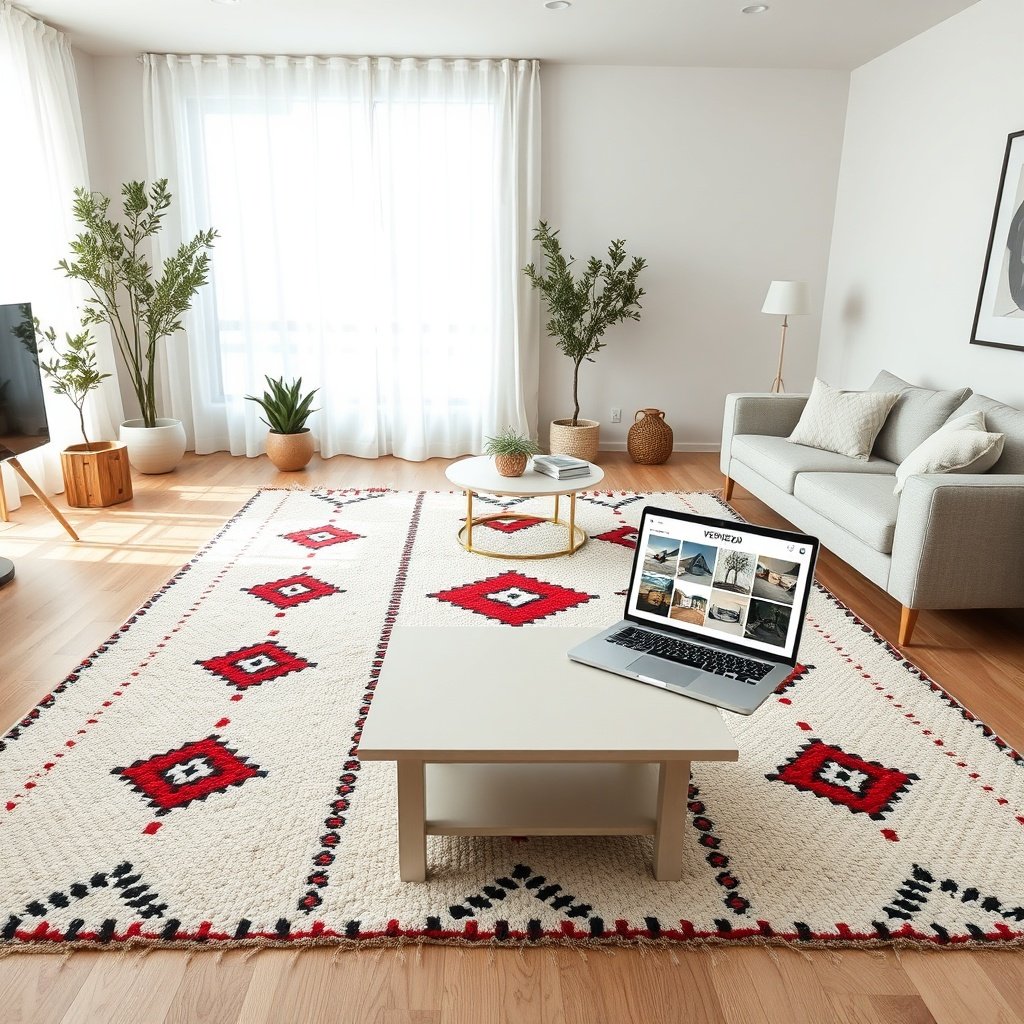
Supports the guide’s step-by-step online purchasing advice by showing how a genuine rug integrates into modern interiors while reinforcing the necessity of checking detailed photos, weave authenticity, and return policies before checkout.
The Core Factors That Determine a Successful Online Purchase
When you buy a Berber rug online, several factors dictate whether you are making a good investment.
The material is the most critical element. A genuine rug is made from high-quality sheep’s wool, which is naturally durable and feels soft underfoot. Synthetic blends may look similar in photos but lack the longevity and comfort of natural fibers.
Knot density and weaving technique are indicators of craftsmanship. A higher knot count generally means a finer, more detailed rug, but it is not the only measure of quality. The consistency of the knots and the overall integrity of the weave are equally important.
Seller transparency and origin traceability are non-negotiable. A reputable seller should be able to tell you exactly where and how the rug was made, often by a specific cooperative or artisan group in Morocco.
A Quick Checklist for First-Time Buyers
Follow these steps to navigate the initial phase of your search.
- Verify the seller’s location and history.
- Request high-resolution photos of the rug’s front and back.
- Confirm the return policy before purchase.
Beyond the Label: Understanding Authenticity and Origin
The Cultural Context of Berber Weaving
The role of women’s cooperatives in Morocco is central to the weaving tradition. These cooperatives provide a vital source of income for women in rural areas and help preserve ancient techniques. The symbolism of geometric patterns is deeply rooted in Berber culture, with designs often representing life, fertility, and protection. kenzadi.ma archives document that these motifs vary significantly by tribe, meaning a rug from the Middle Atlas will look different from one woven in the High Atlas.
How to Spot a Mass-Produced Imitation
Visual cues are your first line of defense against imitations.
- Uniform knots: Machine-made rugs have perfectly uniform knots, while hand-knotted rugs have slight, natural variations.
- Synthetic sheen: A shiny, almost plastic-like sheen is a red flag for synthetic fibers.
- Repetitive patterns: Hand-woven rugs often have organic, slight irregularities in their patterns. Perfectly repetitive designs are a sign of machine production.
The “new” vs. “vintage” dilemma is another common challenge. Vintage Berber rugs have a patina and character that new rugs do not. The significance of the rug’s backing and fringe is often overlooked. A genuine hand-knotted rug has a fringe that is a continuation of the warp threads, not a separate piece sewn on.
The Role of Certificates and Provenance
A certificate of authenticity should contain specific information about the rug’s origin, the weaving technique, and the materials used. It should not be a generic document that says “Moroccan rug” without any detail.
To trace a rug back to a specific region or cooperative, you can ask the seller for the name of the cooperative and, if possible, contact them directly. While specific certification bodies exist, the most reliable provenance is a direct link to the weavers.
The Online Buying Process: A Step-by-Step Guide
Step 1: Research and Shortlist Sellers
Start by identifying reputable online marketplaces and artisan platforms. Look for sellers who specialize in Moroccan rugs and have a clear, verifiable history. The importance of reading reviews and checking for independent seller verification cannot be overstated. Look for reviews that mention the quality and authenticity of the products.
Step 2: Assess Quality Through Photos and Descriptions
A detailed product description is a good sign. Look for information on knot count, wool type, and whether the rug is hand-knotted or hand-tufted. Always request additional photos: close-ups of the pile, the back, and the fringe. These images reveal the true quality of the weave and help you spot potential issues.
Quick Answer: A hand-tufted rug uses a tool to push wool into a backing, while a hand-knotted rug is woven on a loom by hand, making it more durable and valuable.
Step 3: Confirm Sizing and Color Accuracy
Measure your space correctly before you start shopping. Consider the placement of the rug and the furniture around it. The challenge of color representation on screens is real; colors can look different depending on your monitor’s settings. Request color-accurate photos taken in natural light to get the best sense of the rug’s true tone.
Choosing the Right Marketplace: A Comparison of Options
Comparing Online Marketplaces and Direct-from-Source Sellers
The channel you choose will shape your entire buying experience. Here is a comparison of the typical trade-offs between the main options.
| Marketplace Type | Key Advantages | Key Drawbacks | Best For |
|---|---|---|---|
| Large E-commerce Platforms | Wide selection, easy returns, buyer protection | High risk of imitations, inconsistent quality | Budget-conscious buyers prioritizing convenience |
| Specialized Rug Retailers | Curated selection, expert customer service, higher quality assurance | Premium pricing, limited stock | Buyers seeking a specific style or high-end piece |
| Direct from Cooperatives | Authentic origin, fair trade support, unique pieces | Longer shipping times, complex return process | Buyers prioritizing authenticity and ethical sourcing |
Navigating the Risks of Each Channel
The “too good to be true” price point is a major warning sign. If a rug is priced far below what comparable authentic rugs cost, it is likely a mass-produced imitation.
Shipping and customs duties can significantly affect the total cost. When buying from Morocco, you may be responsible for customs fees upon arrival. Always factor these potential costs into your budget.
Avoiding Common Pitfalls and Scams
Red Flags in Online Rug Listings
Be wary of misleading use of “Berber” or “vintage” terms for modern, factory-made rugs. A “vintage” rug should show signs of age and wear, not look brand new. Stock photos used across multiple listings is another major red flag. If the same image appears on several different seller pages, it is likely a copy.
The Importance of a Strong Return Policy
A fair return policy should cover shipping costs, timelines, and condition requirements. Before you buy, understand what happens if the rug arrives damaged or not as described. A good policy will give you a window to inspect the rug and return it if it does not meet your expectations.
Understanding the Total Cost of Ownership
The total cost of ownership goes beyond the purchase price. Consider shipping, insurance, and potential customs fees. The long-term value of a higher-quality rug is significant. A well-made rug will last for decades, while a cheaper alternative may need to be replaced in a few years.
Caring for Your Berber Rug: Ensuring Long-Term Value
Initial Unboxing and Setup
When your rug arrives, unbox it carefully to avoid damaging the pile. Unroll it gently and allow it to settle and breathe for a few days. This helps the rug flatten out and release any creases from shipping.
Routine Cleaning and Maintenance
The best practices for vacuuming a hand-knotted wool rug involve using a suction-only vacuum or turning off the beater bar. This prevents the brush from pulling at the fibers. To handle spills and stains, blot the area immediately with a clean, dry cloth. recettesdumaroc.com home guides emphasize avoiding rubbing, as this can push the stain deeper into the wool.
Quick Answer: To clean a Berber rug, vacuum it regularly without the beater bar and blot spills immediately with a dry cloth. For deep cleaning, professional rug cleaning is recommended.
Frequently Asked Questions (FAQ)
How can I verify a Berber rug is authentic when buying online?
Request high-resolution photos of the front and back, ask about the weaving technique and materials, and ask for the name of the cooperative or region of origin. A reputable seller will be transparent about the rug’s provenance.
What is the difference between a Beni Ourain and an Azilal rug?
Beni Ourain rugs are known for their soft, undyed wool and a simple, geometric diamond pattern. Azilal rugs are also made of wool but often feature more colorful, abstract symbols and a slightly looser weave.
How do I choose the right size Berber rug for my living room?
Measure the seating area and choose a rug that extends at least 6-8 inches beyond the front legs of your furniture. This helps define the space and prevents the rug from looking too small.
What is the typical shipping time for a rug from Morocco?
Shipping times can vary greatly depending on the seller and the shipping method. It is best to ask the seller for their estimated shipping time before making a purchase.
Can I return a Berber rug if it doesn’t match my expectations?
This depends entirely on the seller’s return policy. Always confirm the return policy before you buy, including who pays for return shipping and the time frame for returns.
Conclusion
A successful online purchase comes down to research, verification, and patience. By following the steps in this guide, you can navigate the online market with confidence. Balance authenticity, budget, and aesthetic preference to find a rug that will last for years. Start your search with the knowledge you have gained here, and you will be well-equipped to find a genuine piece for your home.